

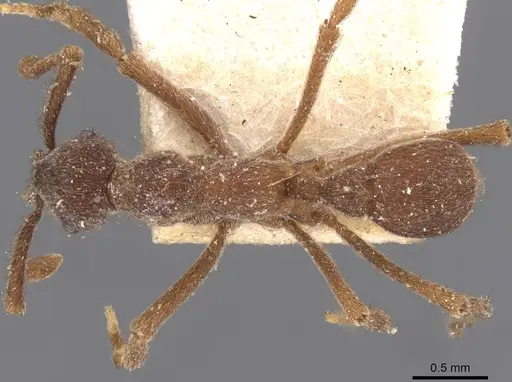
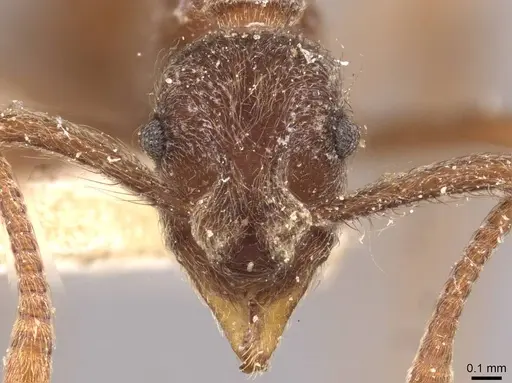
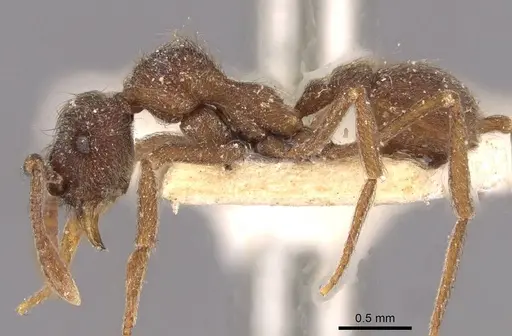
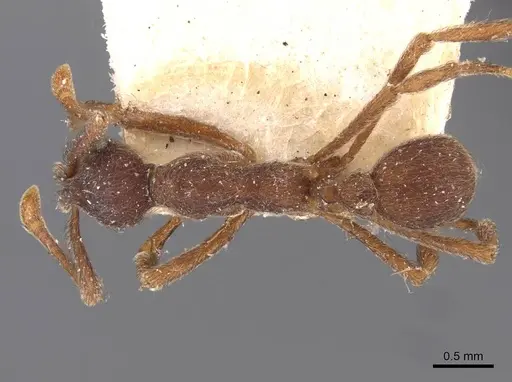
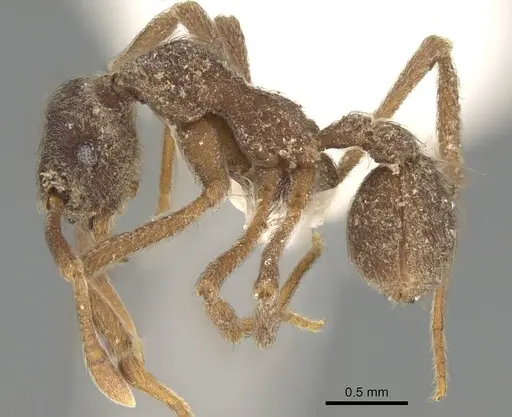
Apterostigma mayri
- Scientific Name
- Apterostigma mayri
- Tribe
- Attini
- Subfamily
- Myrmicinae
- Author
- Forel, 1893
- Distribution
- Found in 2 countries
Apterostigma mayri Overview
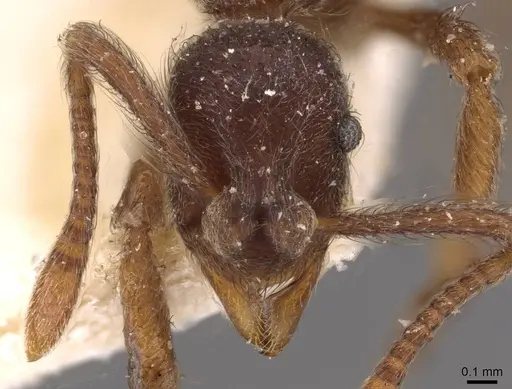
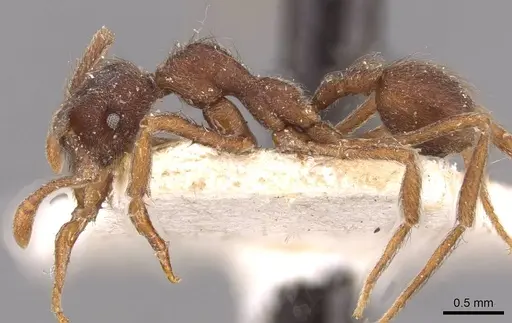
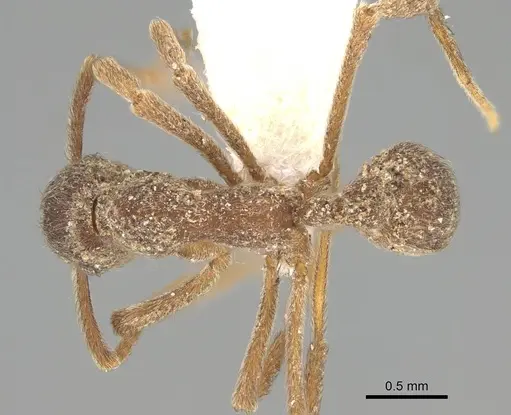
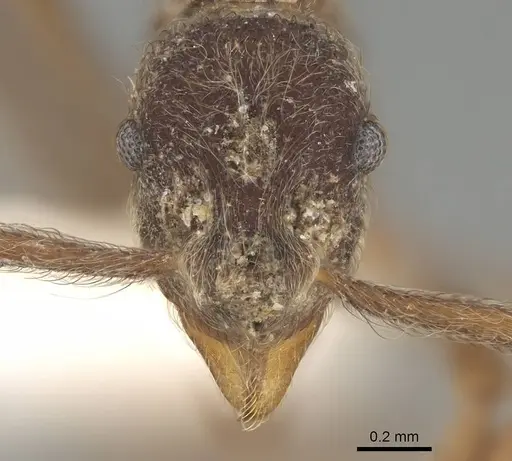
Apterostigma mayri is an ant species of the genus Apterostigma. It is primarily documented in 2 countries , including Colombia, Trinidad and Tobago. Detailed taxonomic data and occurrence records can be further explored via authoritative databases such as AntWeb or the Global Biodiversity Information Facility (GBIF).
Apterostigma mayri
Apterostigma mayri are small fungus-growing ants native to the Neotropical region, found from southern Mexico through Central America and down to northern Argentina [1]. They belong to the Attini tribe, which means they cultivate fungal gardens as their primary food source, but unlike the famous leafcutter ants, they grow a specific type of fungus in the Tricholomataceae family rather than the Lepiotaceae family [2]. In the wild, they inhabit moist, moderate forests called mesophyllous forests, nesting in decaying logs, soil, and occasionally in arboreal locations [3]. These ants are part of the unresolved pilosum-complex, making identification tricky even for experts [3].
What makes these ants particularly interesting is their reproductive biology. Each colony has just one queen who mates with only a single male during her nuptial flight, and unlike many other ants, the workers have completely lost the ability to reproduce [4][5]. When new colonies start, the queen carries a pellet of the precious fungus from her parent nest to seed her new garden [2]. Colonies remain small compared to other fungus-growers, making them a challenging but unique species for advanced antkeepers [3].
Quick Summary
- Difficulty: Expert
- Origin & Habitat: Neotropical region from Mexico to Argentina, moist mesophyllous forests (damp, moderate woodlands) [3][1]
- Colony Type: Single-queen colonies (monogyne), queens mate with only one male and workers cannot reproduce [4][5]
- Colony: Monogyne
- Size & Growth:
- Queen: Unknown, estimated small based on genus patterns
- Worker: Unknown, estimated 2-3mm based on genus patterns
- Colony: Small colonies, likely under 100 workers [3]
- Growth: Slow
- Development: Unknown, estimated 8-12 weeks at 24-26°C based on Attini patterns (First workers (nanitics) may emerge slightly faster than subsequent brood, but overall development is slow for fungus-growing ants)
- Antkeeping:
- Temperature: 20-25°C year-round based on mesophyllous forest conditions [3]
- Humidity: Moderate to high humidity, keep substrate damp like forest floor leaf litter, not wet [3]
- Diapause: No, tropical species active year-round [3]
- Nesting: Naturalistic setup with decaying wood, soil, and specialized fungus garden chamber [3]
- Behavior: Slow-moving, peaceful fungus farmers focused on garden maintenance, small size requires excellent escape prevention [3]
- Common Issues: fungus garden collapse from contamination or incorrect humidity is the primary cause of colony death., small colony size means colonies recover very slowly from disturbances or stress., sourcing the correct tricholomataceous fungus is extremely difficult and essential for survival., substrate can mold if too wet or dry out if ventilation is poor.
Fungus Garden Biology and Care
Apterostigma mayri cultivate a specific type of fungus from the Tricholomataceae family, which is different from the fungus grown by leafcutter ants [2]. This fungal garden serves as the exclusive food source for larvae and a partial diet for adults, meaning the colony cannot survive without it [2]. When a new queen starts her colony, she carries a small pellet of fungus from her parent nest to inoculate her new garden [2].
In captivity, maintaining the fungus garden is your biggest challenge. You must source the correct fungal species, which is difficult as commercial ant suppliers rarely stock Apterostigma fungus. The garden requires a substrate to grow on, typically a mix of decaying plant matter and insect frass. Keep the garden chamber humid but not waterlogged, with good air circulation to prevent mold. If the fungus turns gray, black, or develops a sour smell, it has become contaminated and the colony will likely starve. Never let the garden dry out completely, as this kills the fungus within hours.
Nest Preferences and Setup
In nature, these ants nest in decaying logs, soil, and occasionally above ground in arboreal situations within moist, moderate forests [3]. They prefer the damp, shaded conditions found in mesophyllous forest floors.
For captive housing, avoid standard acrylic or plaster nests. Instead, use a naturalistic setup with a deep substrate layer containing rotting hardwood, leaf litter, and soil. Create a separate fungus garden chamber using a small container with ventilation holes, filled with a sterile mixture of dried leaves and insect frass. The nest should have a humidity gradient, one side damp for the fungus garden, one side slightly drier for the ants to rest. Provide low light levels as these are forest floor dwellers.
Temperature and Seasonal Care
Coming from mesophyllous forests across the Neotropics, Apterostigma mayri prefer stable, moderate temperatures between 20-25°C [3]. They do not require a winter rest period (diapause) as they are active year-round in their native habitat [3].
Keep temperatures stable without sudden fluctuations. You can create a gentle heat gradient by placing a heating cable on one side of the nest, but avoid overheating the fungus garden as this can kill the symbiotic fungus. Room temperature (20-22°C) is generally sufficient, though growth will be faster at the warmer end of their range. Monitor the colony's activity level, if workers become sluggish, check that temperatures haven't dropped too low.
Colony Structure and Reproduction
These ants form single-queen colonies where the queen mates with only one male during her nuptial flight [4][5]. This single mating results in high relatedness among workers (0.71) [5]. Unlike some ant species where workers can lay eggs if the queen dies, Apterostigma mayri workers have completely lost their reproductive ability, meaning the colony will die without its queen [4].
Sex ratios in colonies vary significantly between studies, with male investment ranging from 41% to over 80% of the brood [2][6]. This suggests colonies may produce mostly male reproductives in certain years or conditions. Colonies remain small throughout their life, never reaching the massive sizes of leafcutter ants [3].
Feeding and Nutrition
The fungal garden is the primary food source for Apterostigma mayri. The larvae feed exclusively on the fungus, while adults supplement their diet with plant sap or other liquids [2]. Unlike leafcutters who cut fresh vegetation, Apterostigma species typically use insect frass (waste), decaying plant matter, and other organic debris to fertilize their gardens.
In captivity, you will need to provide fresh substrate for the fungus regularly. This can include dried leaves, small amounts of oatmeal, or insect frass from other colonies. Do not feed them fresh leaves like leafcutter ants, they require partially decayed matter. You can offer small amounts of honey water or sugar water for the adults, but the fungus garden remains the critical food source that you must maintain.
Frequently Asked Questions
Can I keep Apterostigma mayri in a test tube?
No. Unlike many ant species, Apterostigma mayri cannot survive in a standard test tube setup. They require a specialized fungus garden chamber with specific substrate and humidity conditions to grow their fungal food source. A test tube cannot accommodate the garden or provide the necessary environmental stability.
How long until first workers (nanitics) hatch?
The exact timeline is unconfirmed for this species, but based on related fungus-growing ants in the Attini tribe, expect approximately 8-12 weeks at 24-26°C. Development is slower than many common pet ant species because the queen must establish the fungus garden before the first workers can be raised.
Do Apterostigma mayri need hibernation or diapause?
No. As a tropical species from the Neotropical region, they remain active year-round and do not require a winter rest period. Keep them at stable room temperature or slightly warmer (20-25°C) throughout the year [3].
Can I keep multiple queens together in one nest?
No. Apterostigma mayri are monogynous, meaning colonies contain only one queen [4]. Queens mate singly and do not tolerate other queens. Attempting to combine queens will result in fighting and colony failure.
What do Apterostigma mayri eat?
They eat a specific type of fungus from the Tricholomataceae family that they cultivate in their garden [2]. The larvae depend entirely on this fungus, while adults may also consume plant sap or sugar water. You cannot feed them standard ant foods like insects or honey alone, the fungus garden is essential for survival.
Are Apterostigma mayri good for beginners?
No. These are expert-level ants due to their specialized fungus-growing requirements. You must maintain a living fungal culture, provide specific substrate, and manage precise humidity levels. Colony failure is common without experience in fungus-growing ant care.
What is the best nest type for Apterostigma mayri?
Use a naturalistic setup with deep substrate containing decaying wood, leaf litter, and soil [3]. Include a separate, well-ventilated chamber for the fungus garden. Avoid standard acrylic or plaster nests, they cannot support the fungal substrate or humidity requirements.
How big do Apterostigma mayri colonies get?
They remain small compared to other fungus-growing ants. While exact maximum sizes are unconfirmed, they are described as having small colonies likely numbering under 100 workers [3].
Why did my fungus garden die?
Fungus garden death is the most common cause of colony failure and usually results from contamination (mold or bacteria), incorrect humidity (too wet or too dry), or using the wrong type of fungus. Apterostigma require Tricholomataceae fungi, not the Lepiotaceae fungi used by leafcutter ants [2]. Once contaminated, the garden usually cannot be saved.
References

This caresheet is licensed under CC BY-SA 4.0 .
Literature
Loading...Loading products...