

Apterostigma ierense
- Scientific Name
- Apterostigma ierense
- Tribe
- Attini
- Subfamily
- Myrmicinae
- Author
- Weber, 1937
- Distribution
- Found in 3 countries
Apterostigma ierense Overview
Apterostigma ierense is an ant species of the genus Apterostigma. It is primarily documented in 3 countries , including Brazil, Colombia, French Guiana. Detailed taxonomic data and occurrence records can be further explored via authoritative databases such as AntWeb or the Global Biodiversity Information Facility (GBIF).
Apterostigma ierense
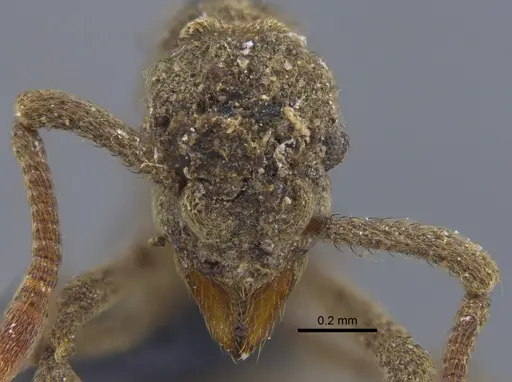
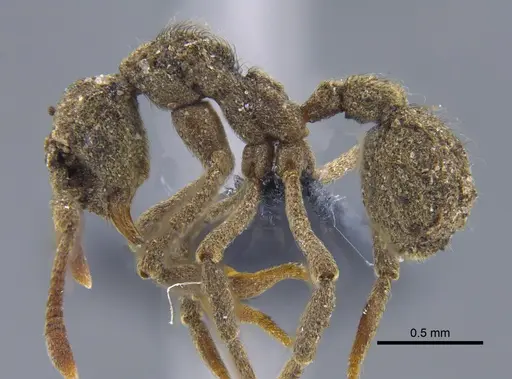
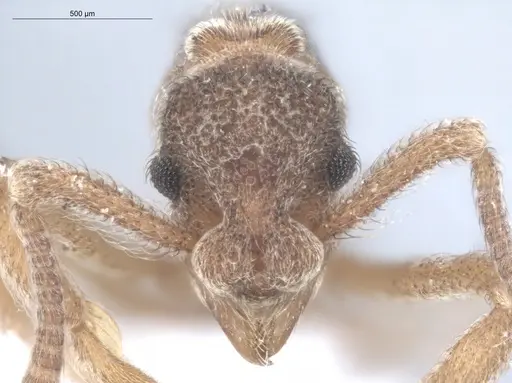
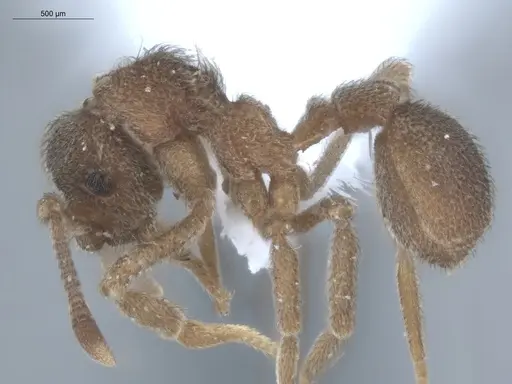
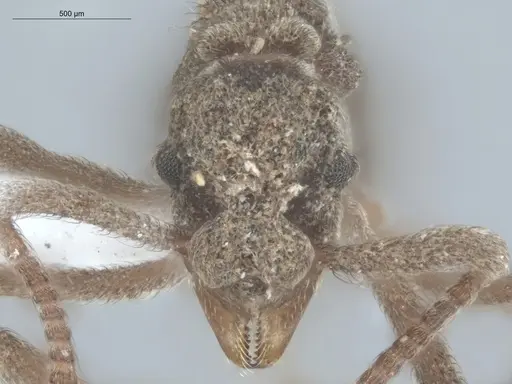
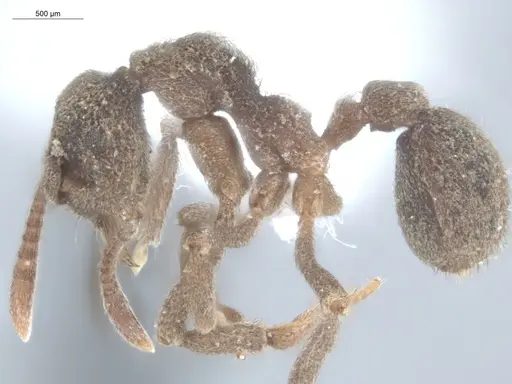
Apterostigma ierense is a small, hairy ant from the fungus-growing tribe Attini. Workers are densely covered in hair and have distinctive curved frontal lobes that completely cover their antennae bases, plus a cervical carina shaped like two rounded lobes when viewed from above [1]. They inhabit the tropical forests of the Amazon basin, ranging from Trinidad and Panama south through Colombia, Venezuela, Ecuador, Peru, Bolivia, and Brazil [1][2]. Unlike leaf-cutter ants, these are non-leaf-cutting fungus growers that cultivate fungal gardens on insect frass and organic debris rather than leaves [1]. This specialized diet makes them challenging ants to keep in captivity, requiring sterile fungus gardens and carefully controlled humidity.
Quick Summary
- Difficulty: Expert
- Origin & Habitat: Tropical rainforests of the Amazon basin (Bolivia, Brazil, Colombia, Ecuador, Peru, Venezuela) plus Panama and Trinidad [1][2]
- Colony Type: Likely single-queen (monogyne, one queen per colony), though specific colony structure is unconfirmed
- Size & Growth:
- Queen: Unknown, likely 4-6mm based on related Apterostigma species
- Worker: Unknown, likely 2-3mm based on genus morphology
- Colony: Unknown, likely under 500 workers based on related Apterostigma species
- Growth: Slow
- Development: 8-12 weeks (estimated based on related fungus-growing ants, but unconfirmed for this species) (First workers (nanitics) may be smaller and slightly faster to develop than subsequent generations)
- Antkeeping:
- Temperature: 24-28°C, keep warm and stable based on tropical lowland habitat at 85m elevation [1]
- Humidity: High humidity required, nest substrate should feel damp but not waterlogged, similar to tropical forest floor conditions
- Diapause: No, this is a tropical species that remains active year-round [1]
- Nesting: Requires a dedicated fungus garden chamber. Use a naturalistic setup with rotting wood or a formicarium with a separate fungus garden area.
- Behavior: Docile and slow-moving with minimal aggression toward keepers. Workers focus on tending fungus gardens rather than foraging widely. Escape risk is moderate due to small size, use fine mesh barriers.
- Common Issues: fungus garden contamination by mold or mites is the primary cause of colony failure., desiccation kills fungus gardens quickly, maintain constant humidity without waterlogging the substrate., sensitivity to vibrations and light stress, place enclosure in quiet, dim location., slow growth means colonies remain small for long periods, requiring patience from the keeper.
Fungus Garden Care
The fungus garden is the heart of your colony and requires daily attention. Apterostigma ierense cultivates fungus on organic material rather than leaves [1]. You will need to provide sterilized insect frass (caterpillar droppings), tiny pieces of dead insects, or specialized fungus-growing ant substrate. The garden must remain moist but not wet, think damp forest floor, not swamp. Contamination is your biggest enemy. Mold and mites can destroy the garden overnight, so always use sterilized materials and maintain clean conditions. If the fungus turns gray, black, or smells bad, it is likely contaminated and the colony will starve. Remove any uneaten substrate promptly to prevent mold growth.
Nest Setup and Environment
In nature, these ants nest in rotting wood or leaf litter in humid tropical forests [3]. Replicate this with a naturalistic setup using sterilized rotting wood, leaf litter, and a dedicated fungus chamber. You can use a plaster nest or Y-tong (autoclaved aerated concrete) with a removable fungus tray. The nest needs excellent ventilation while maintaining high humidity, use a setup with both a water reservoir and air holes covered with fine mesh to prevent escapes. Keep the enclosure in a quiet, dimly lit area as these ants are sensitive to disturbance and vibrations.
Temperature and Seasonal Care
Coming from the Amazon basin at low elevations (as low as 85m), these ants need warm, stable temperatures [1]. Keep the nest area between 24-28°C using a heating cable or mat placed on one side of the nest to create a temperature gradient. Do not hibernate this species, they are tropical and remain active year-round. Sudden temperature drops below 20°C can stress the colony and damage the fungus garden. Monitor the warm side with a thermometer and adjust heating based on worker activity levels.
Feeding and Nutrition
Unlike other ants that eat directly, Apterostigma ierense eats the fungus they grow [1]. You feed the garden, not the ants directly. Offer small amounts of sterilized organic material: insect frass, tiny pieces of dead insects, or specialized fungus-growing ant substrate. You can also offer tiny amounts of sugar water or honey on a cotton ball for the workers to drink, but the colony primarily relies on the fungus for nutrition. Remove any uneaten food within 24 hours to prevent mold contamination. Do not offer leaves, this species does not cut leaves and will not use them for fungus cultivation.
Frequently Asked Questions
Can I keep Apterostigma ierense in a test tube?
No, test tubes are unsuitable for fungus-growing ants. They need a dedicated fungus garden chamber with specific substrate, ventilation, and humidity control that test tubes cannot provide.
What do Apterostigma ierense ants eat?
They eat fungus that they cultivate on organic material like insect frass and debris [1]. You feed the garden, not the ants directly. They may also accept small amounts of sugar water for energy.
How long until Apterostigma ierense gets their first workers?
The timeline is unknown for this species. Based on related fungus-growing ants, expect 2-3 months or longer for the first workers to emerge, depending on temperature and fungus garden health.
Do Apterostigma ierense need hibernation?
No, they are tropical ants from the Amazon basin and remain active year-round [1]. Never hibernate them as cold temperatures will kill the fungus garden.
Can I keep multiple Apterostigma ierense queens together?
Not recommended, combining unrelated queens has not been documented for this species and will likely lead to fighting. Colonies are probably single-queen (monogyne).
What temperature do Apterostigma ierense need?
Keep them warm at 24-28°C based on their tropical lowland habitat at 85m elevation [1]. Use a heating cable on one side of the nest to create a gradient.
Are Apterostigma ierense dangerous?
No, they are small, slow-moving ants with minimal stinging ability. They are not aggressive toward humans and pose no danger beyond the difficulty of keeping their fungus gardens alive.
Why is my Apterostigma ierense fungus garden turning moldy?
Contamination is the most common problem. Use only sterilized substrate, remove uneaten food immediately, ensure proper ventilation while maintaining humidity, and avoid disturbing the nest excessively.
How big do Apterostigma ierense colonies get?
Colony size is unknown, but likely remains small to moderate (under 500 workers) based on related Apterostigma species. They grow slowly compared to leaf-cutter ants.
References

This caresheet is licensed under CC BY-SA 4.0 .
CASENT0281772
View on AntWeb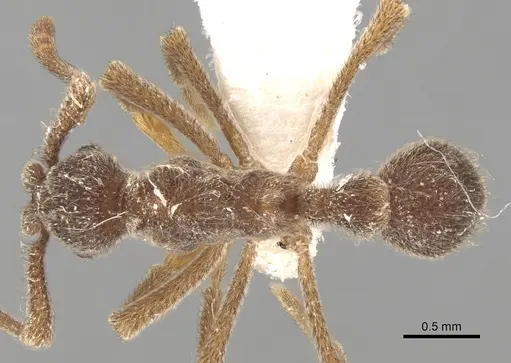
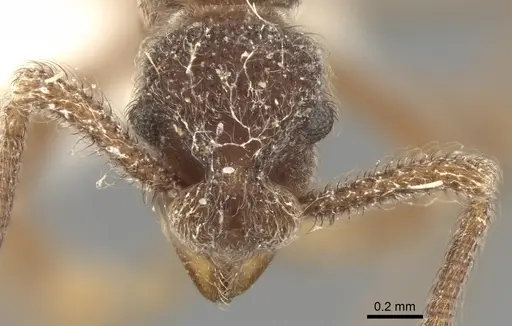
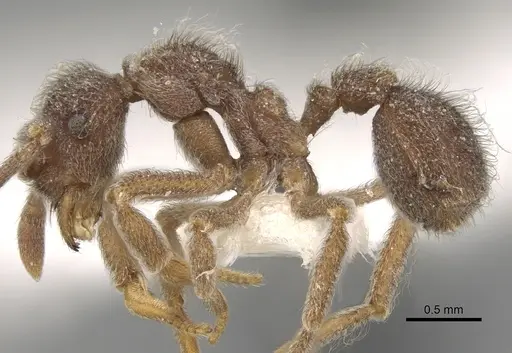
CBUMAGENT41893
View on AntWeb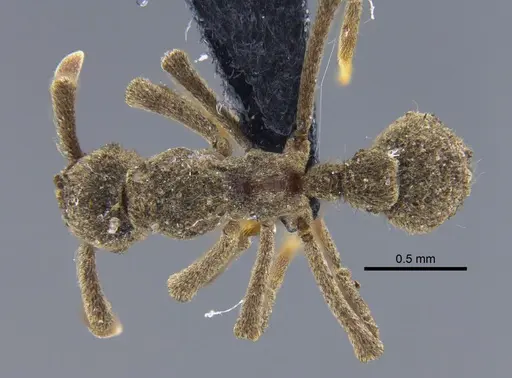
ECOFOG-IT14-0815-85
View on AntWeb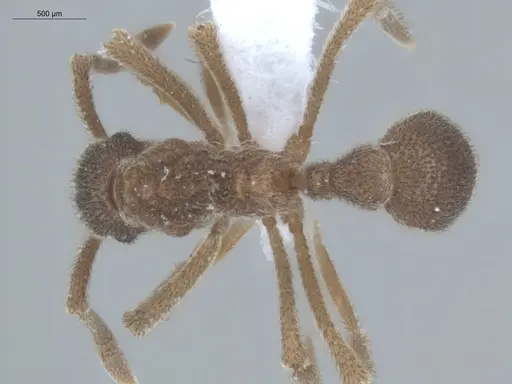
ECOFOG-SL13-0131-21
View on AntWeb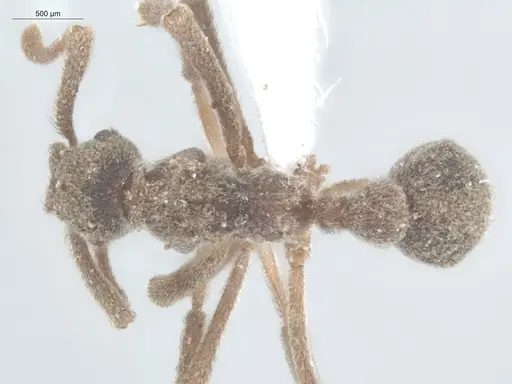
Literature
Loading...Loading products...