

Apterostigma dentigerum
- Scientific Name
- Apterostigma dentigerum
- Tribe
- Attini
- Subfamily
- Myrmicinae
- Author
- Wheeler, 1925
- Distribution
- Found in 5 countries
Apterostigma dentigerum Overview
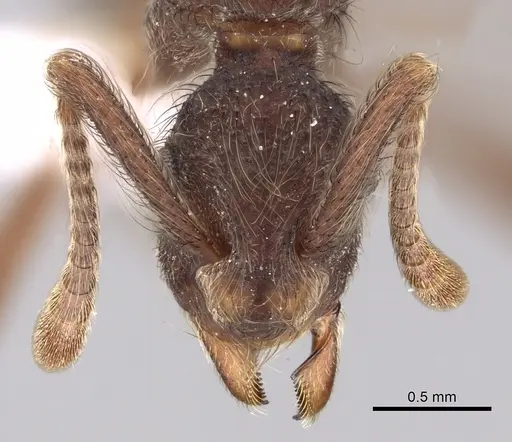
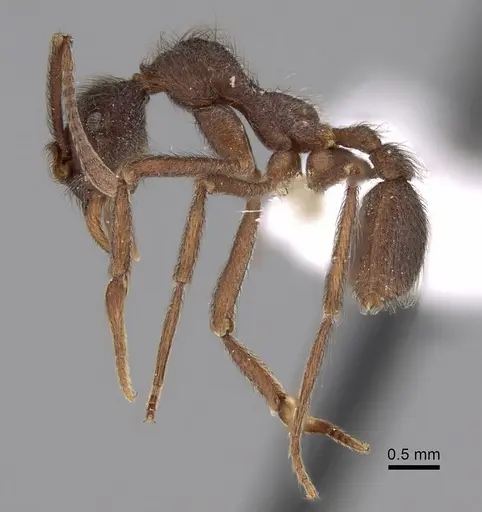
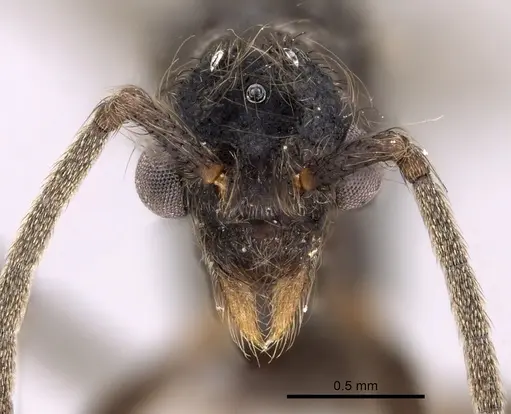
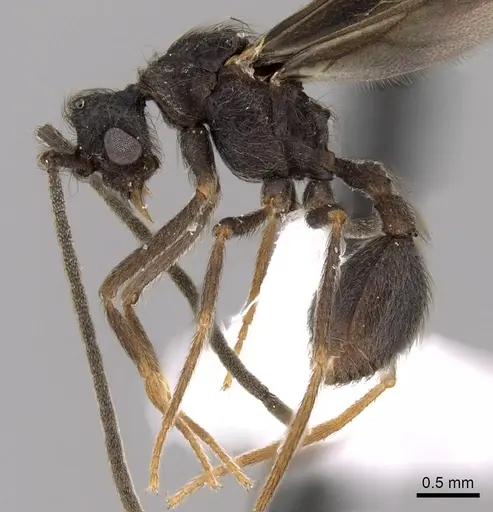
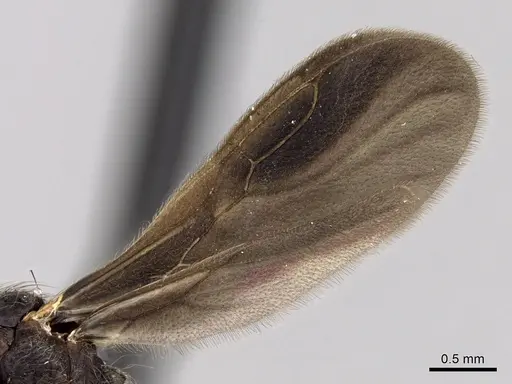
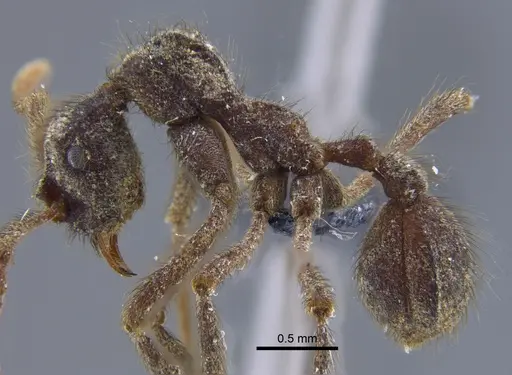
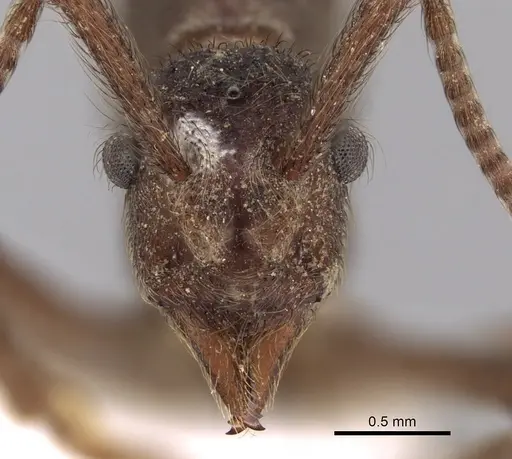
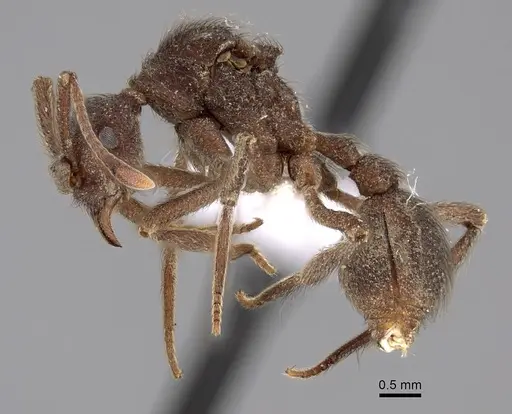
Apterostigma dentigerum is an ant species of the genus Apterostigma. It is primarily documented in 5 countries , including Colombia, Costa Rica, Honduras. Detailed taxonomic data and occurrence records can be further explored via authoritative databases such as AntWeb or the Global Biodiversity Information Facility (GBIF).
Apterostigma dentigerum
Apterostigma dentigerum is a small fungus-growing ant found across Central and South America from Honduras to Mato Grosso in central Brazil [1][2]. These lower attine ants form small colonies with monomorphic workers (all the same size) and typically fewer than 100 workers per nest [3][4][5]. Unlike their leaf-cutting relatives, they cultivate a unique coral-mushroom fungus from the family Pterulaceae (G2 clade) in hanging gardens suspended from roots, leaves, or within cavities [3][6][7].
What makes this species remarkable is their sophisticated symbiotic defense system. They maintain a protective white mycelial veil over their fungus gardens [8][9], and host specialized Pseudonocardia bacteria on their bodies that produce the antibiotic dentigerumycin to combat the parasitic fungus Escovopsis [3][10]. However, they face threats from parasitic flies in the family Chloropidae, which have been observed attacking their larvae in nearly 7% of nests [2].
Quick Summary
- Difficulty: Expert
- Origin & Habitat: Central and South America (Honduras to Mato Grosso, Brazil), found in tropical wet forests, creek embankments, and rotting wood [1][3][2]
- Colony Type: Single-queen (monogynous) colonies with monomorphic workers [4][3]
- Colony: Monogyne
- Size & Growth:
- Queen: ~1.14 mm pronotum width (exact total length unconfirmed) [11]
- Worker: Monomorphic, small (exact measurements unconfirmed) [4]
- Colony: Typically fewer than 100 workers [3][5]
- Growth: Slow
- Development: 8-12 weeks (Estimated based on lower attine development patterns, timeline extends if fungus garden health declines)
- Antkeeping:
- Temperature: 24-28°C (tropical species, maintain warm and stable year-round) [1]
- Humidity: High (70-80%+), with nest substrate consistently moist but not waterlogged
- Diapause: No (tropical species do not require hibernation) [1]
- Nesting: Require specialized setup capable of supporting hanging fungus gardens with high humidity and excellent ventilation to prevent mold
- Behavior: Docile and slow-moving, spending most of their time grooming the fungus garden and removing infected patches [8]. Workers cover larvae with mycelium for protection and produce infrabuccal pellet piles [12][13]. Low escape risk due to small size, but use fine mesh barriers as workers are tiny.
- Common Issues: Fungus garden collapse from Escovopsis infection or improper substrate sterilization., Parasitic fly larvae (Pseudogaurax) can destroy brood, quarantine wild colonies immediately., Difficulty maintaining high humidity without mold contamination of the fungus garden., Requires constant supply of sterile woody substrate and insect frass to feed the fungus.
Fungus Garden Management
Your Apterostigma dentigerum colony lives or dies by its fungus garden. Unlike other ants that eat insects or sugar, these ants cultivate a specific coral-mushroom fungus from the Pterulaceae family (G2 clade) that serves as their sole food source [3][6]. The garden hangs in a sponge-like mat, often covered by a white mycelial veil that the ants maintain for protection against pathogens [8][9]. You must provide a constant supply of sterile substrate, typically dead plant material, small twigs, and insect frass (excrement from wood-boring insects), which the ants use to feed the fungus [14][8]. Never introduce unsterilized materials, as the parasitic fungus Escovopsis can destroy the garden [15]. The ants rely on Pseudonocardia bacteria living on their bodies to produce antibiotics like dentigerumycin that protect the garden, so avoid using general antibiotics that might kill these symbionts [10][16].
Nest Preferences and Setup
In nature, these ants nest in various locations including rotten logs, soil cavities, under stones, and in bromeliads, but their fungus gardens typically hang from the ceiling or undersides of leaves [3][8]. In captivity, you need a setup that allows the fungus garden to hang freely while maintaining high humidity. A vertical or hanging formicarium with a humid chamber works best. The nest should have excellent ventilation to prevent mold, but humidity must stay above 70% to keep the fungus healthy. Use a setup where you can easily add substrate to the top of the garden and remove waste from the bottom without disturbing the ants.
Temperature and Humidity
As a tropical species from Central and South America, A. dentigerum requires warm temperatures between 24-28°C year-round [1]. They do not require diapause or hibernation. Humidity should remain high at 70-80%, with the fungus substrate feeling damp to the touch but not waterlogged. Use a heating cable on one side of the nest to create a gradient, but position it so it does not dry out the fungus garden directly.
Feeding and Substrate
You do not feed these ants directly. Instead, you feed their fungus. Provide small pieces of sterile hardwood twigs, dead leaves, and insect frass (preferably from wood-boring beetles) [14][8]. The ants will chew this material and use it to grow the fungus, which they then consume [17]. Do not offer honey or protein directly, the ants will ignore it or it may mold and harm the garden. The fungus garden serves as their external digestive system, breaking down the plant material they collect [6].
Disease and Parasites
The biggest threat is Escovopsis, a parasitic fungus that infects attine gardens. In wild colonies, infection rates reach 52% [15]. Watch for discolored patches on the garden and remove them immediately. The ants will try to groom the garden and use their Pseudonocardia bacteria to fight infection [8]. Another threat is the parasitic fly Pseudogaurax, which lays eggs on ant larvae, 6.8% of wild nests are parasitized [2]. Quarantine any wild-caught colonies and inspect larvae regularly for maggots.
Behavior and Colony Activity
These ants are slow-moving and docile, spending most of their time tending the fungus garden. Workers groom the garden surface constantly and may cover larvae with small amounts of mycelium for protection [12]. They produce infrabuccal pellets (small waste packets) that they store in specific piles within the nest [13]. Colonies remain small, rarely exceeding 100 workers, so do not expect explosive growth [3][5]. Workers are monomorphic, meaning they are all the same size and perform all tasks within the colony [4].
Frequently Asked Questions
Can I keep Apterostigma dentigerum in a test tube?
No, they require a specialized fungus garden setup. Test tubes cannot accommodate the hanging fungus garden and substrate they need to survive [3][8].
What do Apterostigma dentigerum eat?
They eat the coral-mushroom fungus they cultivate, not directly consuming insects or sugar water. You must feed the fungus with sterile plant detritus and insect frass [14][17].
How long until Apterostigma dentigerum gets their first workers?
The exact timeline is unconfirmed for this species, but based on related lower attine fungus-growers, expect approximately 8-12 weeks at 25-28°C if the fungus garden remains healthy.
Do Apterostigma dentigerum need hibernation?
No, they are a tropical species and require consistent warm temperatures year-round. They do not enter diapause [1].
Can I keep multiple Apterostigma dentigerum queens together?
No, they are monogynous (single queen) and colonies with multiple queens have not been documented. Queens will likely fight if combined [4].
Are Apterostigma dentigerum good for beginners?
No, they are expert-level ants due to the specialized requirements of maintaining a living fungus garden and preventing Escovopsis infections.
Why is my Apterostigma dentigerum fungus garden dying?
Likely causes include Escovopsis infection, improper substrate, or incorrect humidity. These ants require specific bacterial symbionts to produce antibiotics that protect the garden [10][8].
How do I prevent Escovopsis in Apterostigma dentigerum?
Maintain sterile conditions, proper humidity, and ensure the colony has healthy Pseudonocardia bacteria. The ants naturally groom the garden to remove spores, but once established, infections are difficult to stop [8][16].
How big do Apterostigma dentigerum colonies get?
Colonies typically remain small with fewer than 100 workers [3][5].
References

This caresheet is licensed under CC BY-SA 4.0 .
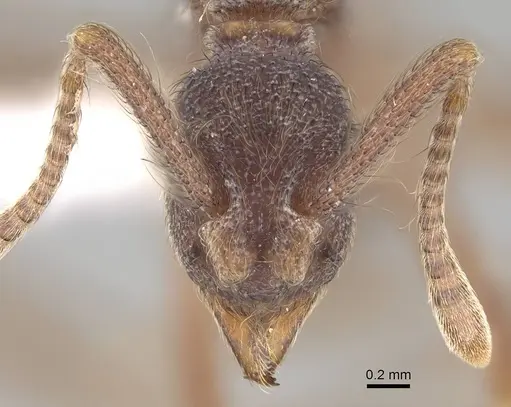
CASENT0612214
View on AntWeb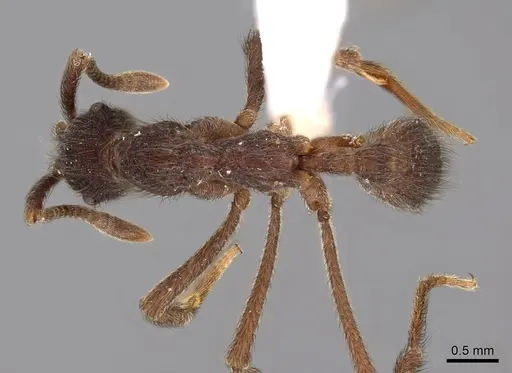
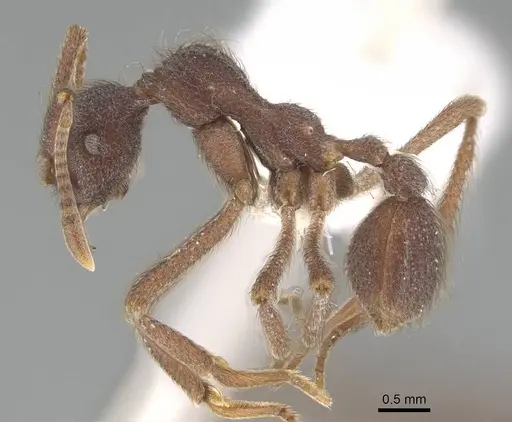
CASENT0612215
View on AntWeb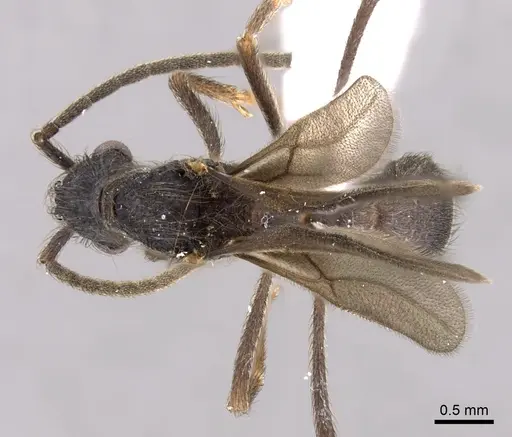
CASENT0922039
View on AntWeb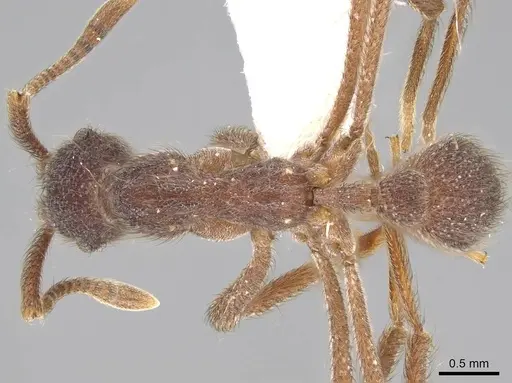
CBUMAGENT41897
View on AntWeb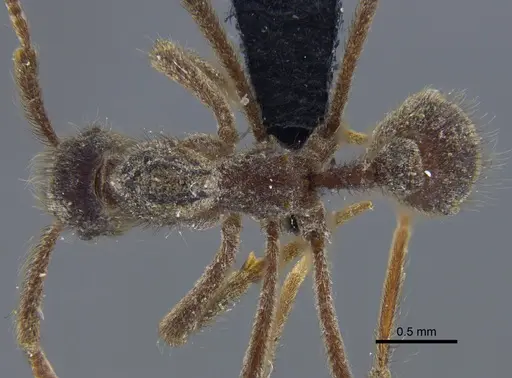
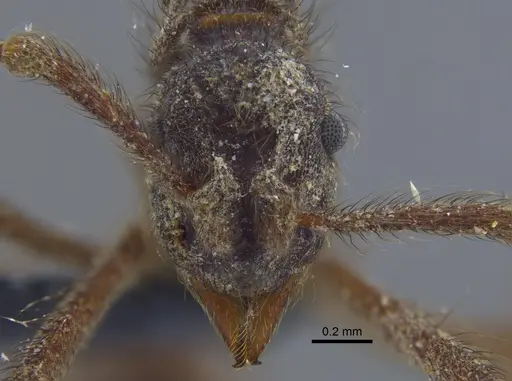
JTLC000004482
View on AntWeb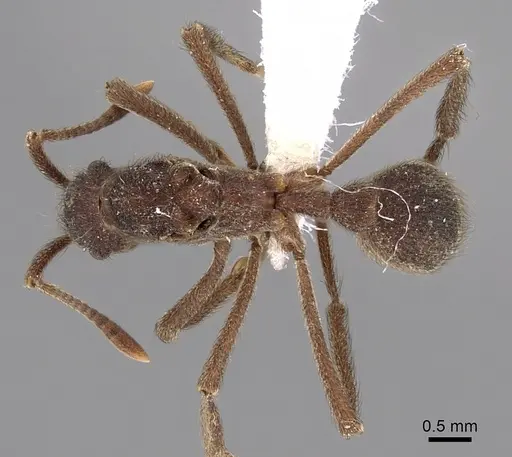
Literature
Loading...Loading products...