

Apterostigma collare
- Scientific Name
- Apterostigma collare
- Tribe
- Attini
- Subfamily
- Myrmicinae
- Author
- Emery, 1896
- Distribution
- Found in 4 countries
Apterostigma collare Overview
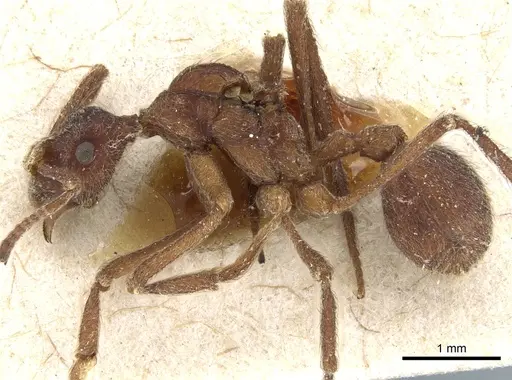
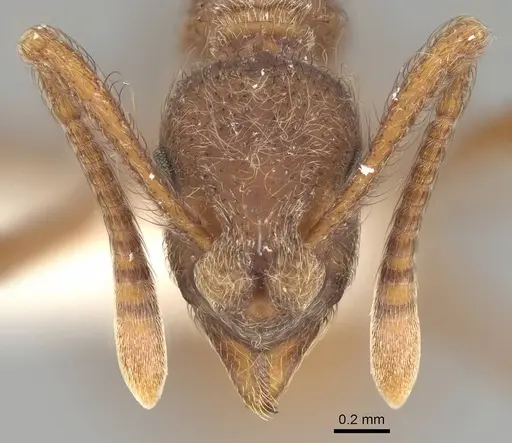
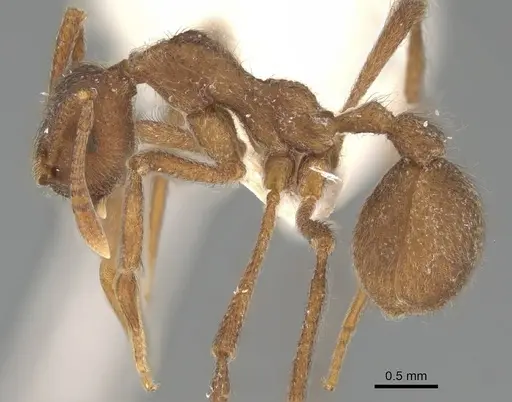
Apterostigma collare is an ant species of the genus Apterostigma. It is primarily documented in 4 countries , including Colombia, Costa Rica, Honduras. Detailed taxonomic data and occurrence records can be further explored via authoritative databases such as AntWeb or the Global Biodiversity Information Facility (GBIF).
Apterostigma collare
Apterostigma collare is a tiny fungus-growing ant from the Neotropical forests of Costa Rica, Panama, Colombia, and surrounding regions [1][2]. These arboreal ants nest on tree trunks and palm leaves, maintaining small colonies of fewer than 100 workers [3][4].
What makes them special is their unusual fungus garden. While most attine ants grow mushrooms from the Leucocoprini tribe, Apterostigma collare cultivates a distant coral fungus from the Pterulaceae family [5][4]. Their colonies are flexible, they usually have one queen, but occasionally you'll find two queens sharing a nest [3]. Queens mate with just one male, creating tight-knit family groups [6][7].
Quick Summary
- Difficulty: Expert
- Origin & Habitat: Pacific and northern coasts of Colombia, Costa Rica, Panama, Honduras, Mexico, and Nicaragua, arboreal tropical forest habitats [1][2][3]
- Colony Type: Facultatively polygyne, colonies can function with either one queen or occasionally two queens working together [3]
- Colony: Optionally polygyne
- Size & Growth:
- Queen: 0.91 ± 0.15 mm [6][8]
- Worker: Monomorphic, exact measurements unavailable but likely 2-3 mm based on related species [4] (estimated)
- Colony: Up to 100 workers, typically around 50 [4][6][7]
- Growth: Slow
- Development: Unknown, estimated 8-12 weeks based on related lower attine species at warm temperatures (Small colonies grow slowly, development time not directly measured)
- Antkeeping:
- Temperature: Warm and stable, approximately 24-28°C, start at 25°C and adjust based on colony activity
- Humidity: High humidity required, keep the nest substrate consistently damp to support the fungus garden, similar to tropical forest conditions
- Diapause: No, this tropical species remains active year-round and does not require winter rest
- Nesting: Arboreal, provide vertical space with cork bark or wood pieces for naturalistic setups, they hang fungus gardens under surfaces [3][4]
- Behavior: Peaceful and non-aggressive, arboreal foragers that collect detritus from leaf surfaces [9][3]. Their tiny size means excellent escape prevention is essential.
- Common Issues: fungus garden collapse is the main risk, the specialized coral fungus requires specific woody substrate and careful humidity control., slow growth and small colony size means populations recover poorly from disturbances or overfeeding., arboreal habits make standard ground-based formicaria unsuitable, they need vertical climbing surfaces., requires live fungal substrate rather than standard ant foods like honey or mealworms alone.
Nest Preferences
In nature, Apterostigma collare nests in semi-exposed locations on tree trunks or the undersides of palm leaves, with fungus gardens hanging underneath stones, logs, or within small soil crevices [3][4]. The ants use woody materials such as small twigs and the excrements of wood-boring insects as substrate for their fungal gardens [4].
In captivity, provide a vertical or arboreal setup rather than a standard horizontal formicarium. The nest should allow for attachment of fungal material and maintain high humidity. A setup with cork bark, vertical chambers, or a hanging garden arrangement works better than ground-based nests. Ensure the enclosure has excellent ventilation while maintaining damp conditions to prevent mold from attacking the fungus garden.
Feeding and Diet
As lower attine fungus-growers, Apterostigma collare foragers collect seeds, anthers, insect frass, and detritus raining down from the forest canopy to feed their fungal gardens [10][3]. They have been observed carrying dead mosquitoes into the nest as additional protein sources [3].
Unlike leaf-cutter ants, they do not process fresh vegetation but instead use pre-decomposed woody materials and insect waste [4]. In captivity, you must provide suitable fungal substrate such as small twigs, decaying wood pieces, and insect frass. The colony cannot survive on standard ant foods like honey water and mealworms alone, the fungus garden is their primary food source. They show relatively high proteinase activity compared to other lower attines, suggesting efficient processing of their specific fungal substrate [5].
Temperature and Care
Being a tropical species from Costa Rica, Panama, and Colombia, Apterostigma collare requires warm, stable temperatures approximately 24-28°C. Use a heating cable or mat on one side of the nest to create a gentle gradient, allowing the ants to choose their preferred temperature. They do not require diapause or winter rest periods.
Maintain consistently high humidity to prevent the fungus garden from drying out, but ensure adequate ventilation to prevent mold growth. The fungus garden itself should remain moist but not waterlogged. Check the substrate regularly, rehydrate when the surface starts drying rather than on a fixed schedule. [2]
Behavior and Temperament
These ants are peaceful and show no aggression among nestmates [9]. Workers forage upward along tree trunks and leaves, exploring surfaces for detritus material [3]. They are monomorphic, meaning all workers are the same size [4].
Due to their small size (queens under 1mm, workers likely 2-3mm), escape prevention is critical despite their arboreal habits. Use fine mesh barriers and secure lids with tight-fitting seals. They are not known to sting and pose no defensive threat to keepers.
Colony Structure and Reproduction
Colonies are facultatively polygynous, with most nests containing a single queen but approximately 6% of nests containing two queens [3]. Queens are exclusively singly mated (monandrous), mating with just one male, which results in high genetic relatedness among workers (0.72-0.74 relatedness) [6][7][11]. This high relatedness may help explain why some colonies tolerate multiple queens.
Colony size remains small, typically under 100 workers, with an average around 50 workers [4][6]. Growth is slow, and colonies may take years to reach maximum size. The small population size makes them vulnerable to disturbances, handle colonies minimally and avoid overfeeding which can overwhelm the fungus garden.
Frequently Asked Questions
Can I keep Apterostigma collare in a test tube?
Standard test tubes are probably not suitable. These ants need vertical space and materials to suspend their fungal garden, unlike ground-nesting species. A vertical setup with cork bark or a hanging garden arrangement works better.
How long until first workers for Apterostigma collare?
The egg-to-worker timeline is unknown for this species. Based on related lower attine fungus-growing ants, expect approximately 8-12 weeks at warm temperatures (25-28°C), but this is an estimate.
What do Apterostigma collare eat?
They grow a specific coral fungus (family Pterulaceae) using woody debris, insect frass, and detritus. You must provide suitable decaying plant material and twigs, they cannot survive on sugar water and insects alone.
Do Apterostigma collare need hibernation?
No, they are a tropical species from Central and South America and remain active year-round. They do not require diapause or winter rest.
How big do Apterostigma collare colonies get?
They stay small, typically fewer than 100 workers and often around 50 workers. They are slow-growing and remain manageable in size.
Can I keep multiple Apterostigma collare queens together?
Not recommended. While rare wild colonies contain two queens, combining unrelated queens has not been documented and likely carries high risk of queen conflict.
Are Apterostigma collare good for beginners?
No, they are expert-level ants due to their specialized fungus cultivation requirements, need for specific substrates, and small colony size that makes them vulnerable to mistakes.
References

This caresheet is licensed under CC BY-SA 4.0 .
CASENT0612212
View on AntWeb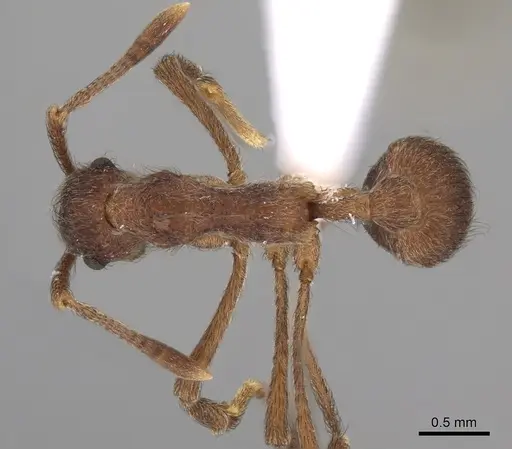
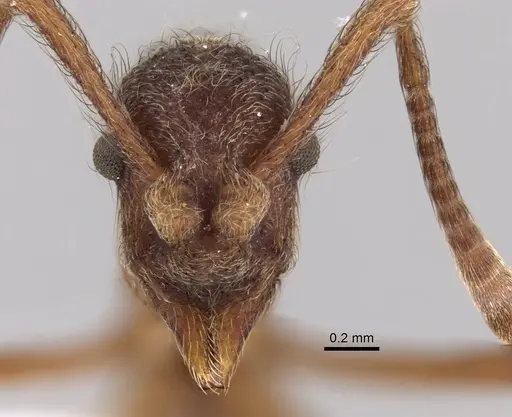
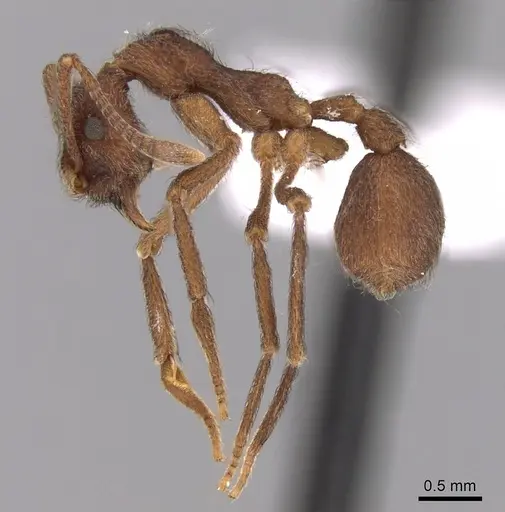
CASENT0612213
View on AntWeb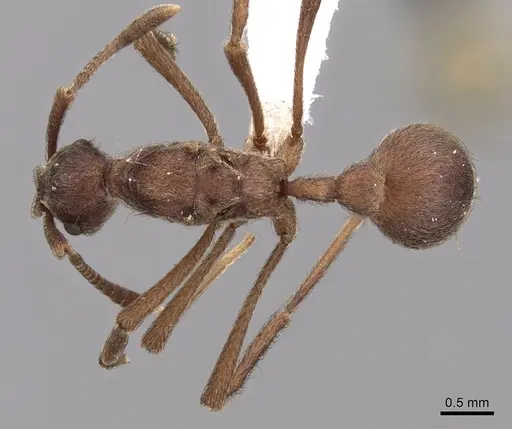
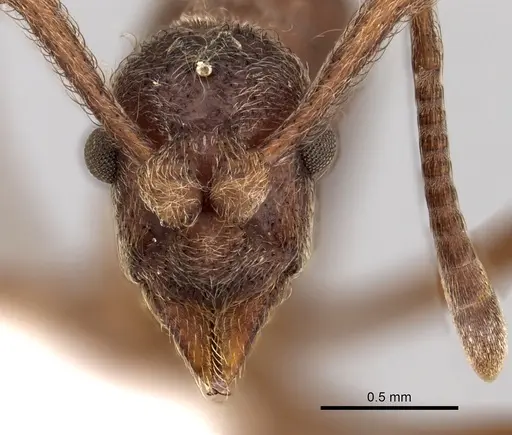
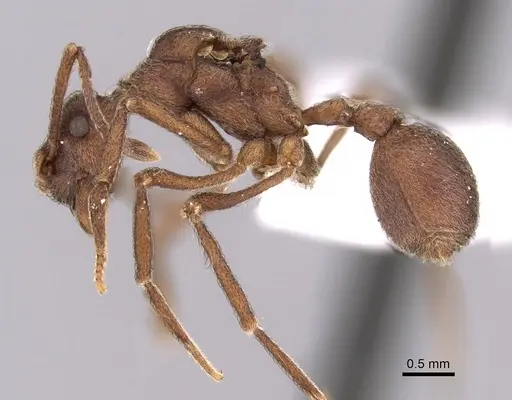
CASENT0904978
View on AntWeb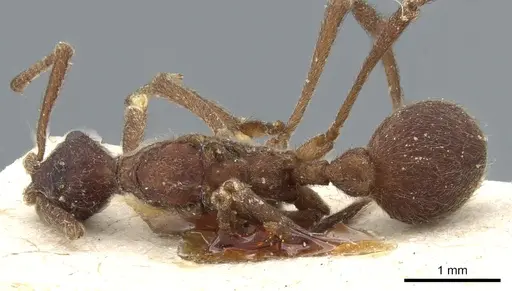
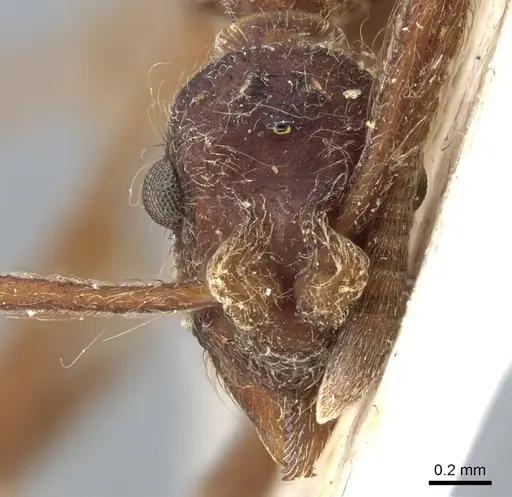
CASENT0922041
View on AntWeb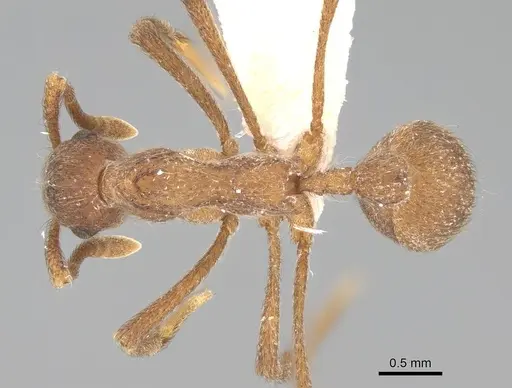
Literature
Loading...Loading products...