

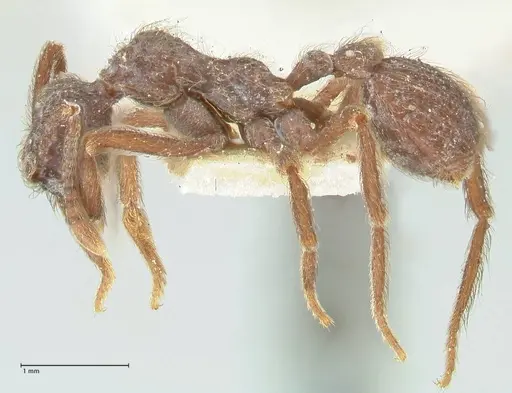
Apterostigma bruchi
- Scientific Name
- Apterostigma bruchi
- Tribe
- Attini
- Subfamily
- Myrmicinae
- Author
- Santschi, 1919
- Distribution
- Found in 1 countries
Apterostigma bruchi Overview
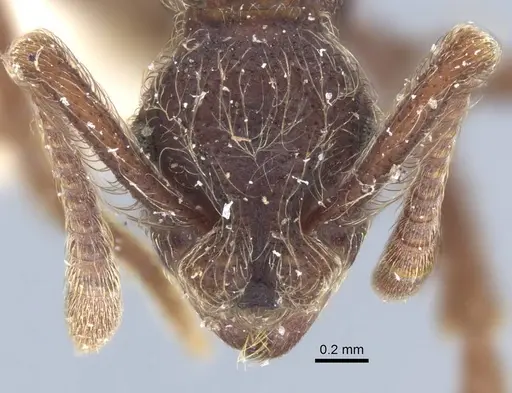
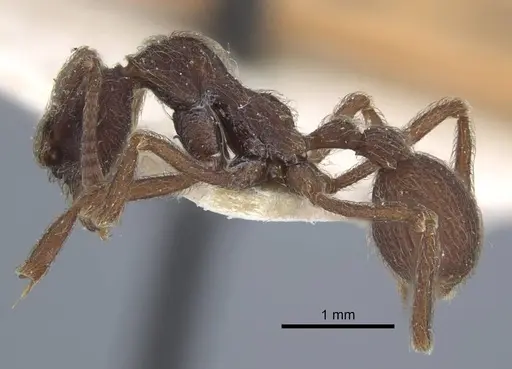
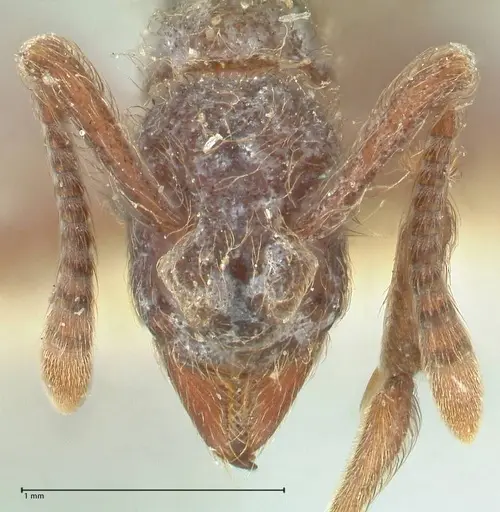
Apterostigma bruchi is an ant species of the genus Apterostigma. It is primarily documented in 1 countries , including Argentina. Detailed taxonomic data and occurrence records can be further explored via authoritative databases such as AntWeb or the Global Biodiversity Information Facility (GBIF).
Apterostigma bruchi
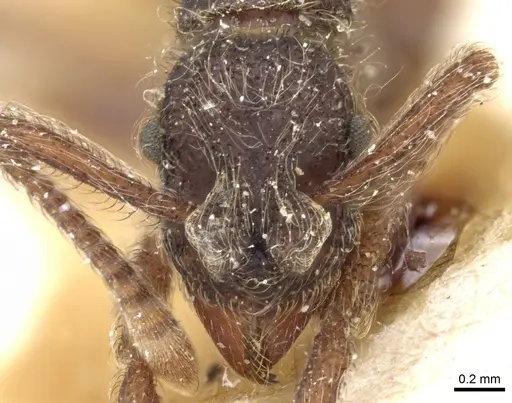
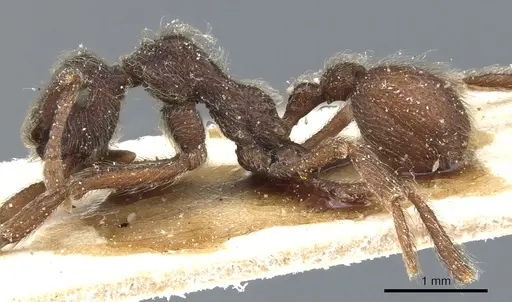
Apterostigma bruchi is a fungus-growing ant from the tribe Attini, native to Argentina and Brazil [1]. First described from La Plata, Argentina, this species has also been recorded in the Caldenal district, a dry forest region dominated by Caldén trees [2][3]. Like other members of their genus, they cultivate fungal gardens as their primary food source.
These ants belong to the "lower attines, " which means they grow fungus on insect droppings and decaying plant matter rather than cutting fresh leaves. While specific nesting habits for this species remain unconfirmed, related Apterostigma species typically nest in small cavities in rotting wood or underground in forest floor litter.
Quick Summary
- Difficulty: Expert
- Origin & Habitat: Argentina and Brazil, specifically recorded from La Plata and the Caldenal district in Argentina [2][3]. The Caldenal is a dry forest (xerophytic) habitat characterized by Prosopis caldenia trees.
- Colony Type: Unconfirmed. Based on typical Apterostigma patterns, colonies likely contain a single queen, but this is not documented.
- Size & Growth:
- Queen: Unknown, no measurements available in research.
- Worker: Unknown, no measurements available in research.
- Colony: Unknown, likely small (under 100 workers) based on typical Apterostigma patterns, but unconfirmed.
- Growth: Slow (estimated).
- Development: Unknown. Based on related fungus-growing ants, expect 8-12 weeks at 25°C, but this is not confirmed. (Fungus-growing ants typically develop slowly. Nanitic workers (first generation) may emerge faster than subsequent workers.)
- Antkeeping:
- Temperature: Unknown. Start around 22-25°C and observe colony response. The Caldenal region experiences seasonal changes, suggesting tolerance for moderate variation.
- Humidity: Unknown. Maintain damp substrate to support fungus gardens, with good ventilation to prevent mold.
- Diapause: Unknown. Colonies from temperate Argentina may slow down in winter, but specific requirements are undocumented.
- Nesting: Likely small cavities in wood or soil. A naturalistic setup with rotting wood or a small plaster nest may work, though specific preferences are unconfirmed.
- Behavior: Unknown. As fungus-growers, they likely focus on garden maintenance. Temperament is uncharacterized, but they are not known to be aggressive.
- Common Issues: fungus gardens crash easily from mold or mite infestations., extremely slow growth tests keeper patience and may lead to overfeeding., founding behavior is undocumented, making new colony starts unpredictable., tiny size (typical for the genus) means excellent escape prevention is essential.
Distribution and Natural History
Apterostigma bruchi comes from the Neotropical region, specifically Argentina and Brazil [1]. The species was first described from La Plata, Argentina, based on specimens collected by C. Bruch [3]. More recently, it has been recorded in the Caldenal district, a xerophytic forest region in Argentina characterized by Caldén tree dominance [2].
As members of the tribe Attini (fungus-growing ants), these ants maintain symbiotic relationships with fungi that they cultivate for food [1]. Unlike the famous leafcutter ants, Apterostigma species are "lower attines" that grow their fungus on insect frass and decaying organic matter rather than fresh vegetation.
Fungus-Growing Biology
These ants are obligate fungus-growers, meaning they cannot survive without their fungal gardens. Based on typical Apterostigma patterns, they likely cultivate their fungus on a substrate of insect droppings, dead insects, and decaying plant material.
In captivity, maintaining the fungus garden is the biggest challenge. The substrate must stay moist enough for fungal growth but not wet enough to grow harmful molds. You will need to provide fresh substrate materials regularly and remove contaminated portions immediately. The ants likely feed the fungus with their own droppings and small bits of organic debris. [1]
Captive Care Challenges
Keeping Apterostigma bruchi is extremely challenging due to the lack of specific care information and the specialized needs of fungus-growing ants. You must maintain sterile conditions to prevent mold from overtaking the fungus garden, which will kill the colony.
Growth is likely very slow. Do not expect rapid colony expansion. Overfeeding protein can contaminate the fungus garden, so offer small amounts and remove leftovers quickly. Because these ants are likely very small (typical for the genus), escape prevention must be excellent with tight-fitting lids and fine mesh barriers.
Nest Setup and Environment
While natural nesting preferences are unconfirmed, provide small, humid chambers that mimic rotting wood or soil cavities. A naturalistic setup with sterilized rotting wood, plaster nests with small chambers, or even well-sealed test tubes with fungus substrate might work.
Maintain a humidity gradient with one side damp (for the fungus) and one side slightly drier. Temperature should be stable around 22-25°C, though you should observe the colony and adjust based on their activity levels. Good ventilation is essential to prevent stagnant air and mold growth.
Frequently Asked Questions
Can I keep Apterostigma bruchi in a test tube?
Founding behavior is unconfirmed for this species. While many attine queens start in small chambers, specific requirements are unknown. If attempting founding, provide a small space with fungus substrate material and maintain high humidity.
How long until first workers for Apterostigma bruchi?
Unknown. Based on related fungus-growing ants, expect 8-12 weeks at 25°C, but this is not confirmed for this species. Fungus-growing ants typically develop slowly.
What do Apterostigma bruchi eat?
They cultivate fungus gardens on insect frass and decaying plant matter. In captivity, they need fungus substrate and likely accept small amounts of protein such as dead insects or fish flakes to feed the fungus.
Do Apterostigma bruchi need hibernation?
Unknown. They come from Argentina which has seasonal changes, but whether they require winter rest (diapause) is undocumented. You can try keeping them at room temperature year-round and watch for reduced activity in winter.
Are Apterostigma bruchi good for beginners?
No. They are expert-level ants due to the specialized fungus garden maintenance requirements and the complete lack of documented captive care information for this species.
How big do Apterostigma bruchi colonies get?
Unknown. Based on typical Apterostigma patterns, colonies likely remain small with under 100 workers, but this is not confirmed.
What temperature do Apterostigma bruchi need?
Unknown. Start around 22-25°C and adjust based on colony activity. Provide a gentle heat gradient so the ants can choose their preferred temperature.
References

This caresheet is licensed under CC BY-SA 4.0 .
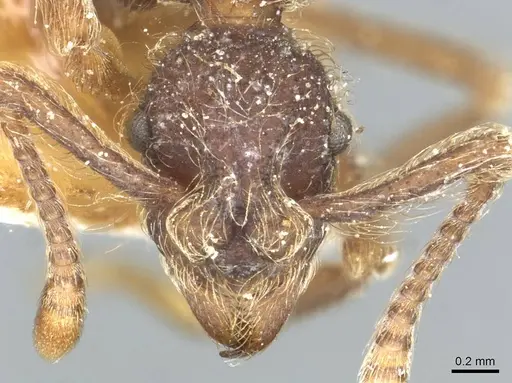
CASENT0904976
View on AntWeb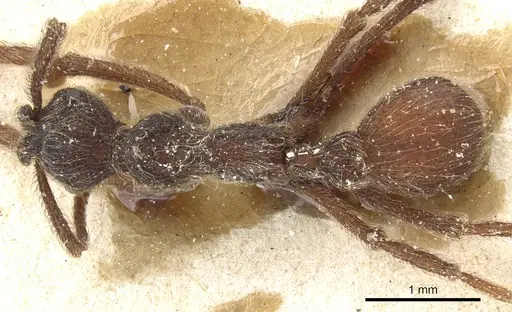
CASENT0912486
View on AntWeb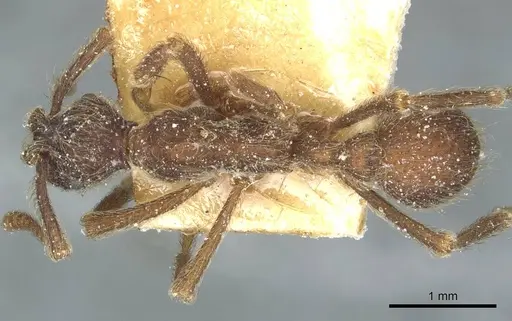
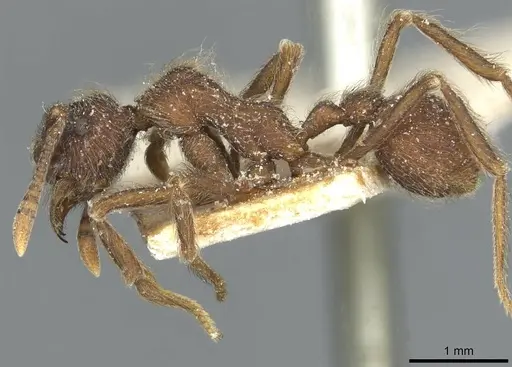
CASENT0917089
View on AntWeb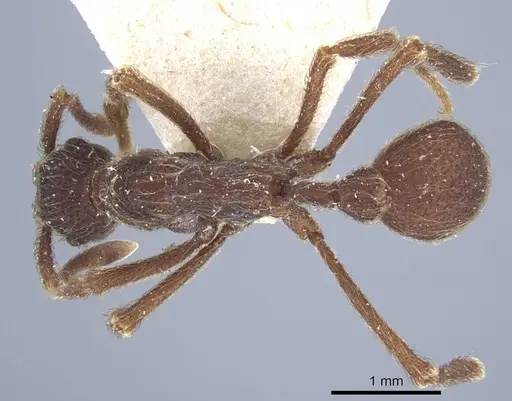
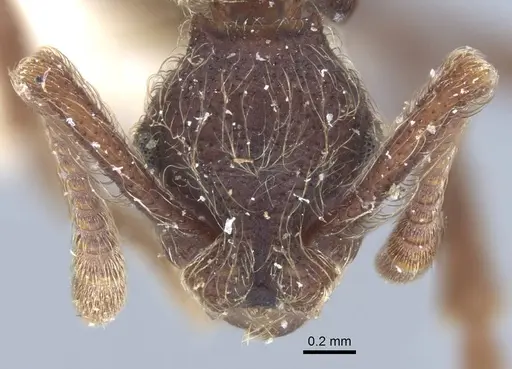
FOCOL2195
View on AntWeb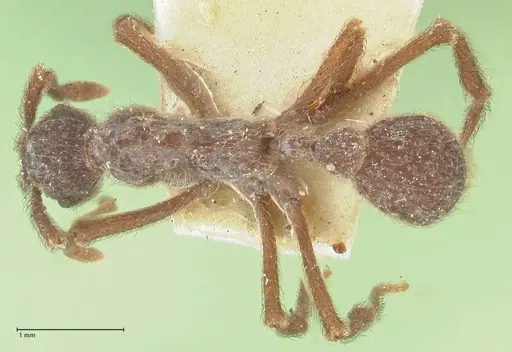
Literature
Loading...Loading products...