

Apterostigma acre
- Scientific Name
- Apterostigma acre
- Tribe
- Attini
- Subfamily
- Myrmicinae
- Author
- Lattke, 1997
- Distribution
- Found in 2 countries
Apterostigma acre Overview
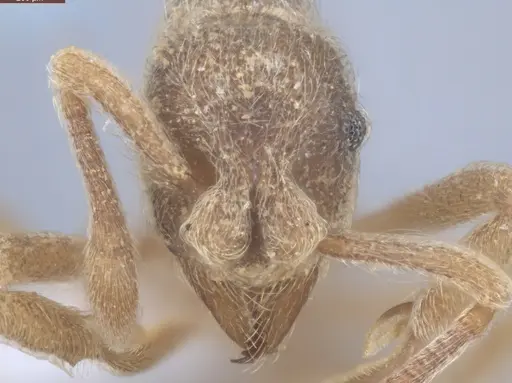
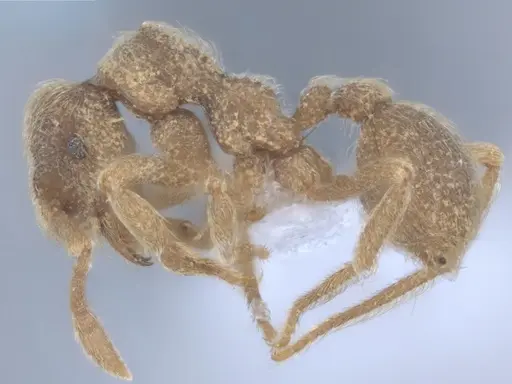
Apterostigma acre is an ant species of the genus Apterostigma. It is primarily documented in 2 countries , including Brazil, French Guiana. Detailed taxonomic data and occurrence records can be further explored via authoritative databases such as AntWeb or the Global Biodiversity Information Facility (GBIF).
Apterostigma acre
Apterostigma acre is a small fungus-growing ant from the Attini tribe (the group containing all fungus-growing ants), found in the tropical forests of Brazil and French Guiana [1]. The species was first described from specimens collected in São Paulo, Brazil [2]. These ants cultivate fungal gardens as their primary food source. In the Brazilian state of Acre, researchers found them only in undisturbed forest plots and absent from logged areas, indicating they need stable, mature forest conditions [3].
Quick Summary
- Difficulty: Expert
- Origin & Habitat: Tropical rainforests of Brazil (São Paulo and Acre states) and French Guiana, prefers undisturbed mature forest over logged areas [1][3]
- Colony Type: Unconfirmed, likely single-queen colonies based on typical Apterostigma patterns
- Size & Growth:
- Queen: Unknown specifically
- Worker: Unknown specifically, likely small based on genus characteristics
- Colony: Unknown
- Growth: Slow
- Development: Unknown (Development time has not been observed for this species. Based on typical fungus-growing ant patterns, expect slow development at tropical temperatures.)
- Antkeeping:
- Temperature: Keep warm around 25-28°C based on tropical origin
- Humidity: High humidity required, maintain damp nest material similar to tropical forest floor conditions
- Diapause: No, tropical species do not require winter rest
- Nesting: Requires specialized setup for fungus garden cultivation, naturalistic setups with organic material and space for fungal growth
- Behavior: Slow-moving, cryptic fungus-growers, not aggressive but highly sensitive to environmental fluctuations and contamination
- Common Issues: fungus garden failure from incorrect growing medium or contamination., colony collapse due to low humidity or temperature swings., mold growth in poorly ventilated high-humidity setups., extreme rarity in captivity makes finding queens difficult.
Fungus Garden Requirements
As a member of the Attini tribe, Apterostigma acre cultivates fungal gardens for food. In captivity, you must provide appropriate fungal growing material. Unlike leafcutter ants that use fresh leaves, Apterostigma species often cultivate fungus on insect feces, decaying plant matter, or other organic material. You will need to research specific growing medium recipes used by other Attini keepers, as the exact preferences for A. acre are unconfirmed. The fungus garden requires constant humidity and warm temperatures to survive. Contamination from mold or mites can destroy the garden and kill the colony. [1]
Housing and Setup
Standard test tubes and acrylic nests do not work for fungus-growing ants. You need a setup that accommodates the fungal growing material, typically a naturalistic enclosure with soil, decaying wood, or a specialized chamber for the fungus garden. The nest area must stay dark and humid while providing some ventilation to prevent mold. Because these ants are rarely kept in captivity, you will need to experiment with setups used for other small Attini species.
Temperature and Humidity
Coming from tropical Brazilian rainforests, Apterostigma acre needs warm, stable conditions. Keep the nest area around 25-28°C with minimal fluctuations. High humidity is essential, the nest material should feel damp but not waterlogged. Use a heating cable on one side of the nest to create a gentle gradient, but ensure it does not dry out the fungus garden. Avoid air conditioning or drafty locations that could chill the colony. [3]
Frequently Asked Questions
Can I keep Apterostigma acre in a test tube?
No. Unlike many ant species that start in test tubes, fungus-growing ants like Apterostigma acre require immediate access to fungal growing material. A test tube setup cannot support the fungus garden they need to survive.
How difficult are Apterostigma acre to keep?
These are expert-level ants. They require specialized fungus garden maintenance, precise temperature and humidity control, and are extremely sensitive to environmental changes. Very few antkeepers have successfully maintained Apterostigma species in captivity.
What do Apterostigma acre eat?
They eat fungus that they cultivate themselves. You do not feed them directly like other ants. Instead, you provide the organic material (such as decaying plant matter or insect feces) on which their symbiotic fungus grows. The ants then consume the fungus.
Do Apterostigma acre need heating?
Yes. As a tropical species from Brazil and French Guiana, they require warm temperatures around 25-28°C. Room temperature is too cold for them in most climates.
Do Apterostigma acre hibernate?
No. Being from tropical rainforests, they do not experience seasonal cold and do not require hibernation (winter rest). They remain active year-round at stable warm temperatures.
How big do Apterostigma acre colonies get?
Colony size is unknown for this species. Apterostigma colonies in general tend to stay small compared to other fungus-growing ants, possibly only a few dozen to a few hundred workers, but this is unconfirmed for A. acre specifically.
Can I keep multiple Apterostigma acre queens together?
This is unknown and not recommended. While some fungus-growing ants can have multiple queens, attempting to combine unrelated queens risks fighting and colony failure. Start with a single queen.
References

This caresheet is licensed under CC BY-SA 4.0 .
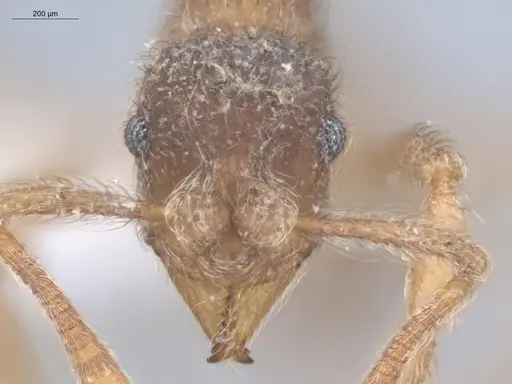
ECOFOG-IT14-0994-43
View on AntWeb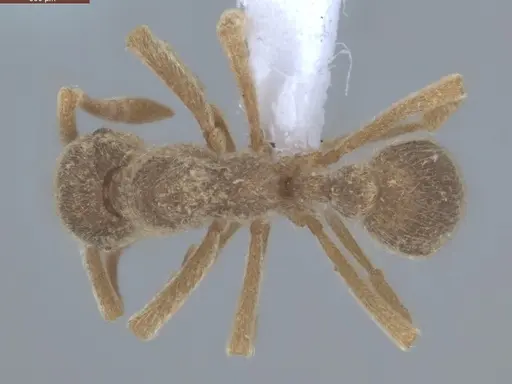
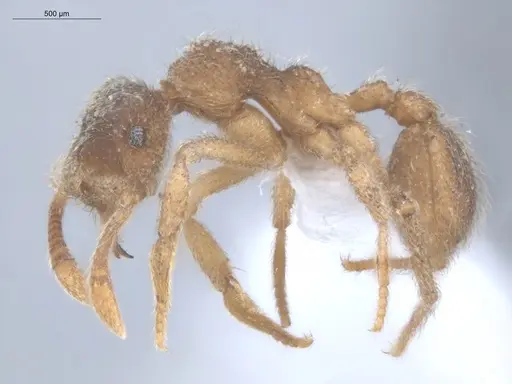
ECOFOG-TR17-0228-10
View on AntWeb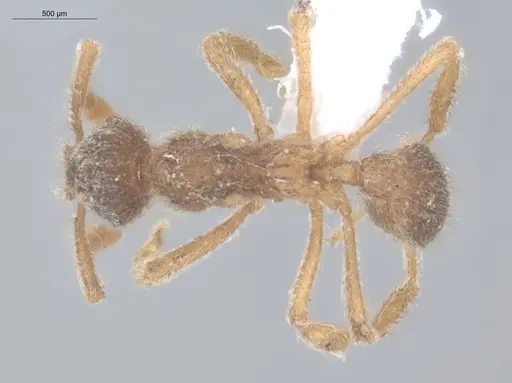
Literature
Loading...Loading products...