

Apomyrma stygia
- Scientific Name
- Apomyrma stygia
- Tribe
- Apomyrmini
- Subfamily
- Apomyrminae
- Author
- Brown <i>et al.</i>, 1971
- Distribution
- Found in 3 countries
Apomyrma stygia Overview
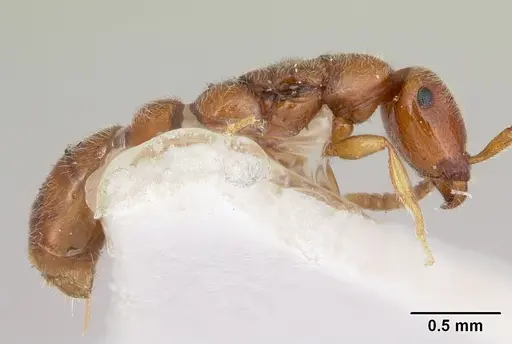
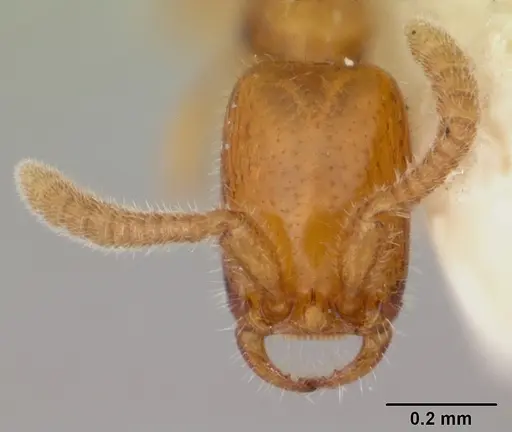
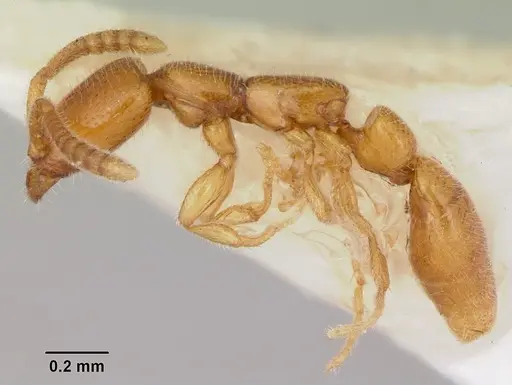
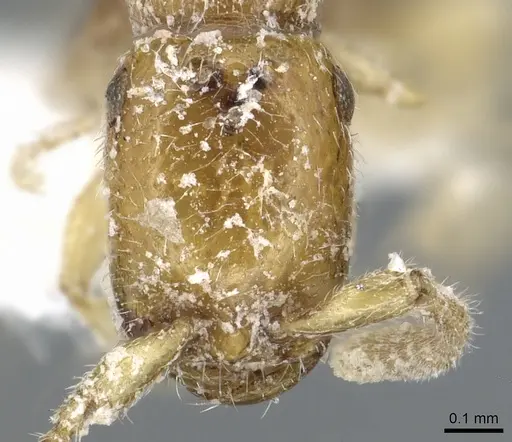
Apomyrma stygia is an ant species of the genus Apomyrma. It is primarily documented in 3 countries , including Côte d'Ivoire, Ghana, Equatorial Guinea. Detailed taxonomic data and occurrence records can be further explored via authoritative databases such as AntWeb or the Global Biodiversity Information Facility (GBIF).
Apomyrma stygia
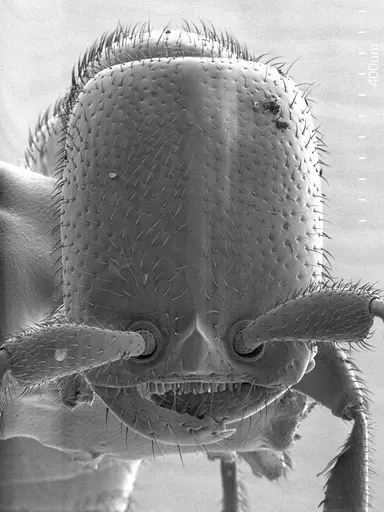
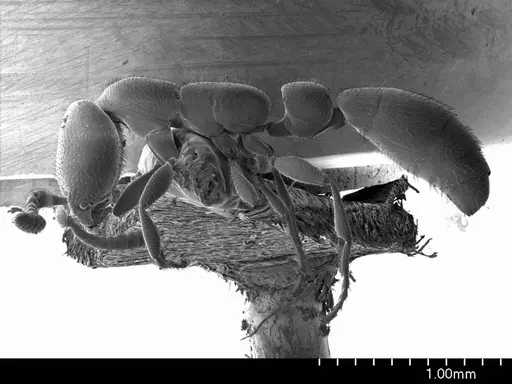
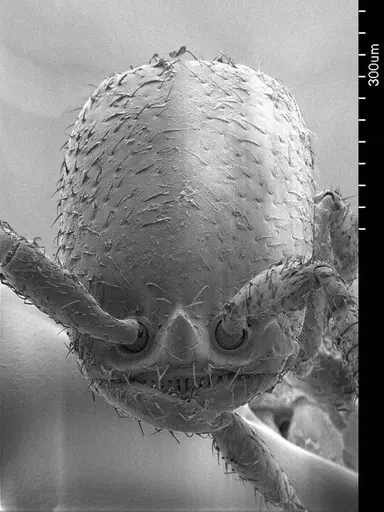
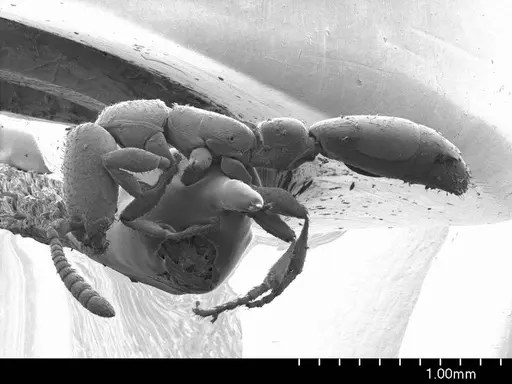
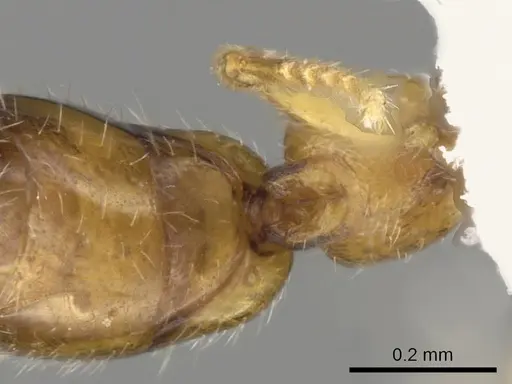
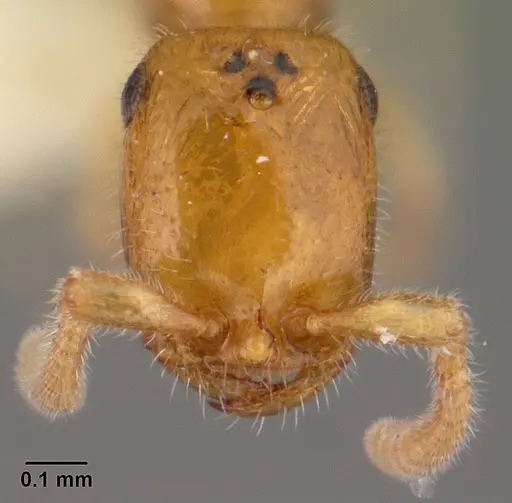
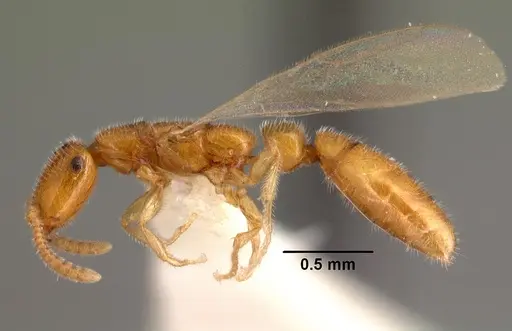
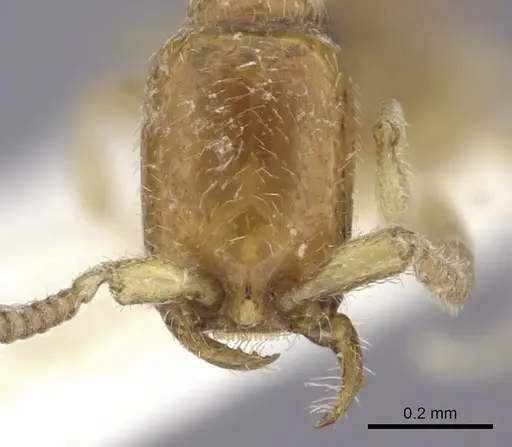
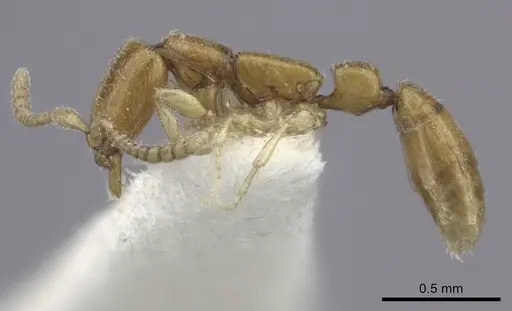
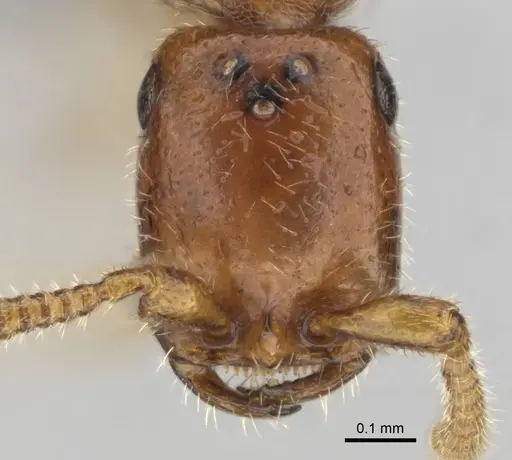
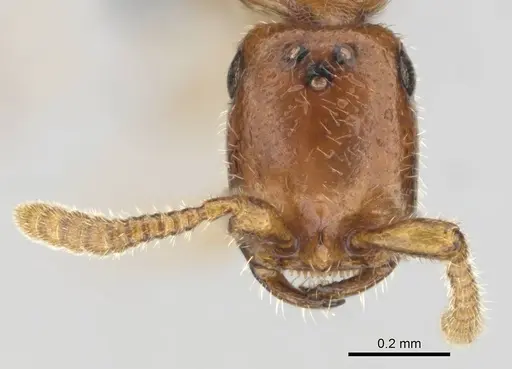
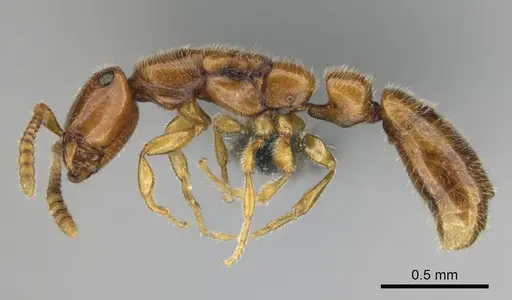
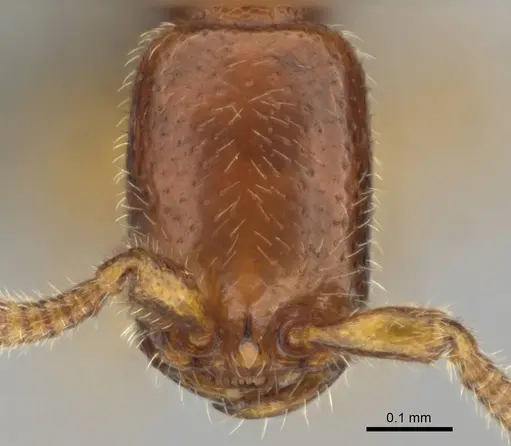
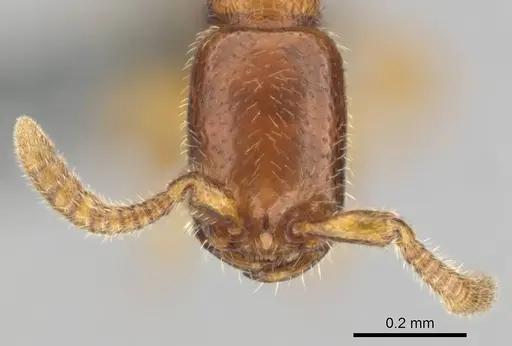
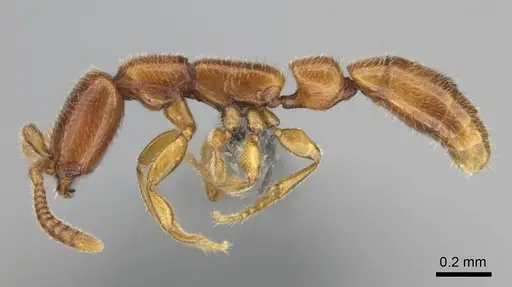
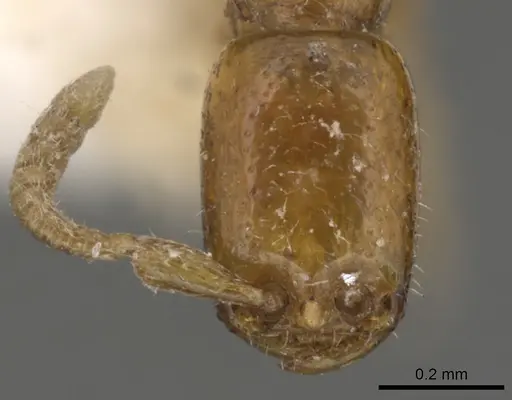
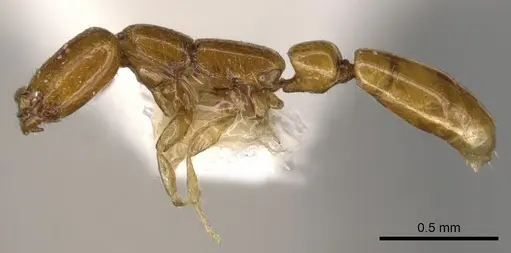
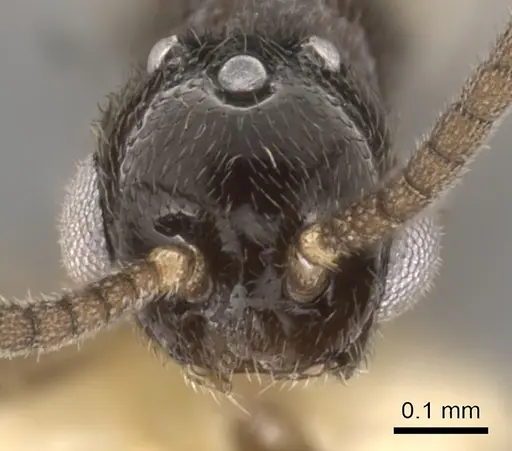
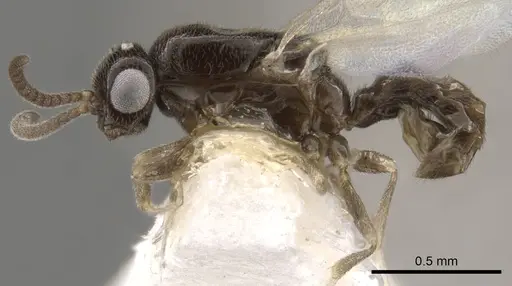
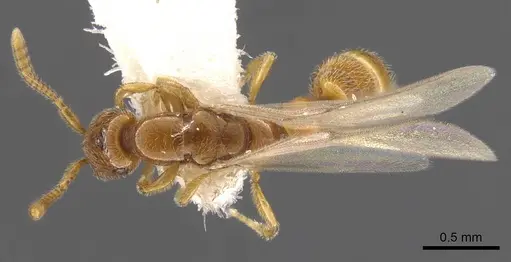
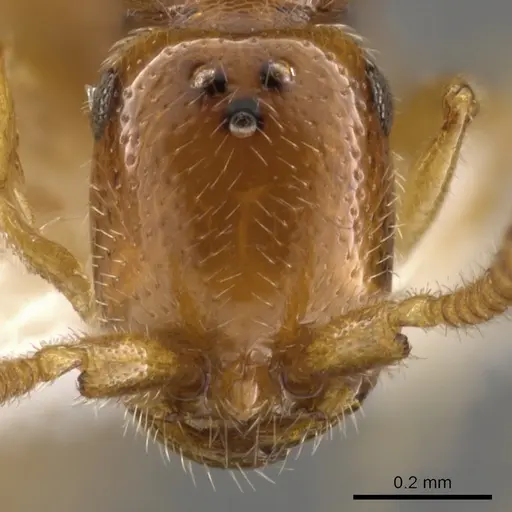
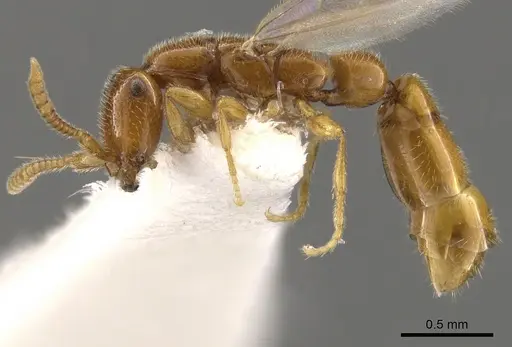
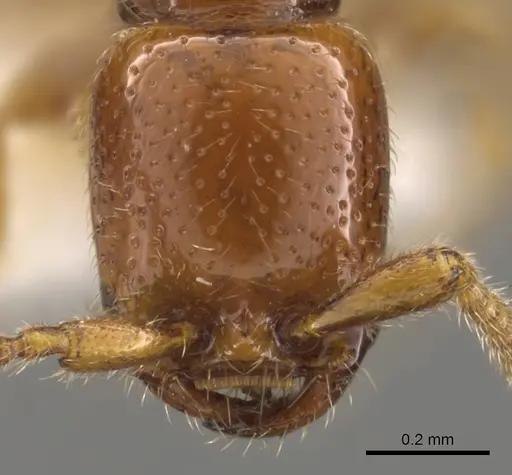
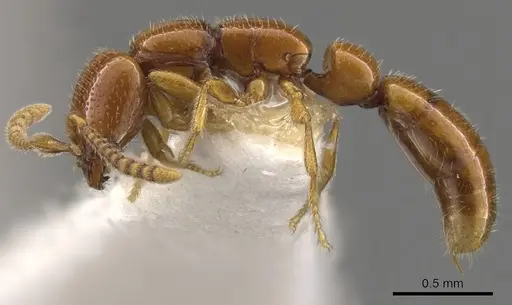
Apomyrma stygia are tiny, pale ants with workers measuring just 2-3 mm long [1]. They live entirely underground in the tropical forests and savannas of West Africa, from Ivory Coast and Ghana to Nigeria and the Democratic Republic of Congo [2]. These ants are completely blind and possess a distinctive narrow waist with a stalk-like segment that has a steeply descending back edge [3].
What makes these ants unique is their specialized diet. Unlike most ants that eat various insects and sugars, Apomyrma stygia appears to hunt specific soil-dwelling centipedes with many legs [1][4]. Researchers found cut-up centipede remains in their nests, suggesting they are obligate predators of these creatures. They also hold a special place in ant evolution as the closest relatives of all other "Dracula ants" in the subfamily Amblyoponinae [5].
Quick Summary
- Difficulty: Expert
- Origin & Habitat: Afrotropical region (West and Central Africa) including gallery forests and savannas in Ivory Coast, Ghana, Benin, Nigeria, Cameroon, and Democratic Republic of Congo [1][2].
- Colony Type: Facultatively polygyne, colonies can have either one queen or multiple queens working together (up to 21 queens found in one nest), with wingless reproductive forms present [1].
- Colony: Optionally polygyne
- Size & Growth:
- Queen: 2.7-3.0 mm [1]
- Worker: 2.0-3.1 mm (small form ~2 mm, large form ~3 mm) [1]
- Colony: Up to 75 workers documented in wild nests (12-75 range observed) [1]
- Growth: Slow (estimated based on specialized predatory lifestyle)
- Development: Unknown, estimated 8-12 weeks at 25-27°C based on related amblyoponine ants (Timeline is unconfirmed, development likely slower than typical ants due to specialized diet requirements)
- Antkeeping:
- Temperature: 24-28°C (stable tropical warmth), inferred from West African tropical habitat [1]
- Humidity: High, keep substrate consistently moist throughout nest depth, they move deep to find moisture during dry seasons [1]
- Diapause: No, tropical species active year-round [1]
- Nesting: Deep soil substrate (minimum 15-20 cm depth) with narrow tunnels less than 3 mm wide, complete darkness required [1]
- Behavior: Subterranean and blind, non-aggressive toward humans but capable of stinging (though too small to penetrate skin), moderate activity levels, escape risk is extreme due to tiny 2 mm size requiring mesh finer than 1 mm [1]
- Common Issues: dietary failure, they may starve without live soil-dwelling centipedes as they appear to be specialized predators., insufficient substrate depth, they need 15-30 cm of soil to exhibit natural nesting and moisture-seeking behavior., desiccation, they require consistently moist substrate, dry conditions kill them., escape through tiny gaps, at only 2-3 mm, they squeeze through barriers that stop larger ants., inappropriate lighting, being blind and subterranean, they need complete darkness.
Subterranean Lifestyle and Seasonal Movement
In nature, Apomyrma stygia lives entirely below ground and never comes to the surface [1]. During the rainy season, they stay within 10 cm of the soil surface, but when the dry season arrives (October to April), they dig down 30 cm or deeper to follow moisture [1]. This means captive colonies need deep substrate, at least 15-20 cm, with the ability to move vertically to find their preferred moisture level. The nest chambers are small, around 15-20 cm across, with tunnels less than 3 mm in diameter that resemble grass root paths [1]. Keep the setup in complete darkness, these blind ants live in total darkness and light may stress them.
Specialized Predation: The Centipede Diet
This is the biggest challenge for keepers. Apomyrma stygia appears to be an obligate predator of soil-dwelling centipedes with many body segments [1][4]. Researchers found cut-up remains of centipedes from the genus Schendylurus in their nests, suggesting these ants hunt and dismantle them as their primary or sole food source [1]. Unlike generalist ants that accept sugar water and standard prey like fruit flies or mealworms, these ants may refuse everything except live centipedes. This dietary specialization makes them extremely difficult to maintain in captivity and unsuitable for keepers who cannot source specific soil centipedes.
Colony Structure and Multiple Queens
Colonies show flexible queen numbers. While some nests contain just one wingless queen, the type nest held 6 winged and 15 wingless queens plus special wingless reproductive forms [1]. This suggests the species is facultatively polygyne, meaning you can potentially keep multiple queens together. These ants also produce ergatoid queens, wingless reproductive ants intermediate between workers and normal queens, which likely serve as replacement reproductives if the primary queen dies [1]. Queens exhibit non-destructive cannibalism behavior, though the exact context remains unclear [6].
Housing Requirements
Standard test tubes and typical formicariums won't work for these subterranean ants. You need a deep, soil-filled container with at least 15 cm of substrate depth, preferably more [1]. Use a mix of sandy alluvial soil and clay, mimicking their natural gallery forest or savanna soils [1]. Provide narrow tunnels, less than 3 mm diameter, as they naturally follow grass root-sized passages [1]. The setup must be completely sealed with mesh finer than 1 mm, as workers are only 2 mm long and can escape through tiny gaps.
Temperature and Humidity
As tropical West African ants, they need stable warmth between 24-28°C year-round [1]. They do not require hibernation or cooling periods. Humidity must remain high, the substrate should feel damp to the touch throughout the nest depth [1]. During the dry season in nature, they move deep to find moisture, so provide a moisture gradient in the nest with deeper sections staying damper. Avoid letting the substrate dry out completely.
Evolutionary Significance
Apomyrma stygia represents a unique evolutionary lineage. Molecular studies place them as the sister group to all other amblyoponine ants, the group containing the famous "Dracula ants", with strong statistical support [5][3]. They are the only described species in their subfamily (Apomyrminae), though several undescribed species likely exist [5]. They have remained confined to Africa throughout their evolutionary history, and their specialized centipede-hunting lifestyle may represent an ancient feeding strategy [4].
Frequently Asked Questions
Can I keep Apomyrma stygia in a test tube?
No. These ants require deep soil substrate (15-30 cm) to exhibit natural nesting behavior and find appropriate moisture levels [1]. Test tubes are completely unsuitable for this underground species.
What do Apomyrma stygia eat?
They appear to be specialist predators of soil-dwelling centipedes with many legs [1][4]. Found nests contained cut-up centipede remains, and they may not accept alternative prey or sugar sources.
How big do Apomyrma stygia colonies get?
Documented colonies are small, ranging from 12 to 75 workers [1]. Even mature colonies likely remain small due to their specialized predatory lifestyle.
Can I keep multiple Apomyrma stygia queens together?
Yes, probably. The species is facultatively polygyne, nests with single queens and nests with up to 21 queens have been found [1]. However, introduce queens carefully and watch for aggression.
Do Apomyrma stygia ants sting?
They possess stingers typical of their subfamily, but at only 2-3 mm long, they are too small to penetrate human skin effectively [1].
Are Apomyrma stygia good for beginners?
Absolutely not. They require specialized diets (soil centipedes), deep substrate setups, complete darkness, and are extremely rare in captivity. This is an expert-level species only.
Do Apomyrma stygia need hibernation?
No. They come from tropical West Africa and remain active year-round at stable warm temperatures [1].
How long until Apomyrma stygia get their first workers?
Unknown. Based on related amblyoponine ants, development likely takes 8-12 weeks at 25-27°C, but this is unconfirmed for this species.
Why are my Apomyrma stygia dying?
Likely due to inappropriate diet (they may starve without centipedes), insufficient substrate depth, desiccation from low humidity, or inappropriate lighting [1].
References

This caresheet is licensed under CC BY-SA 4.0 .
ANTWEB1008505
View on AntWeb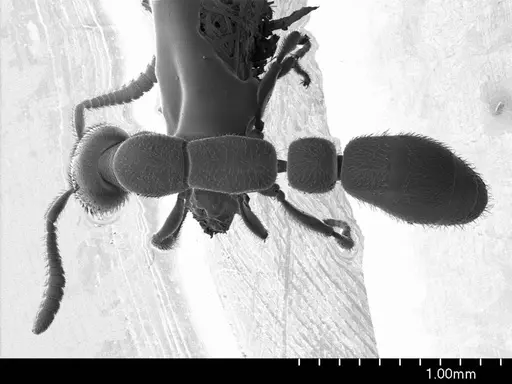
ANTWEB1008602
View on AntWeb
CASENT0000077
View on AntWeb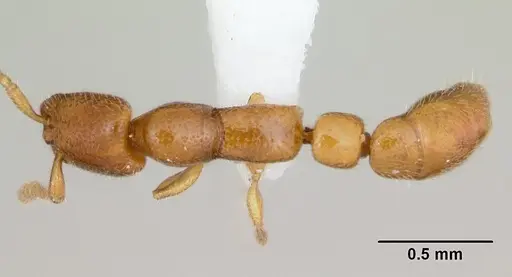
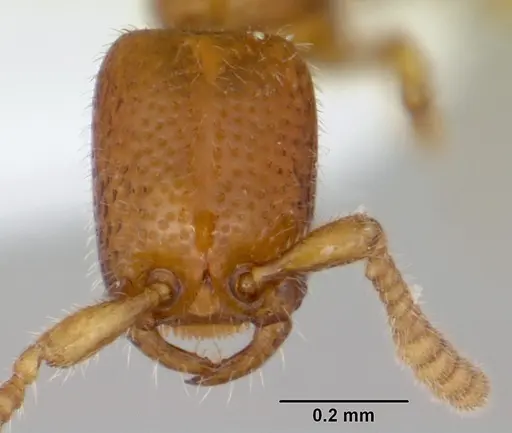
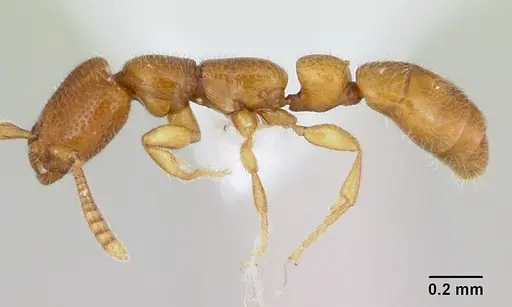
CASENT0007017
View on AntWeb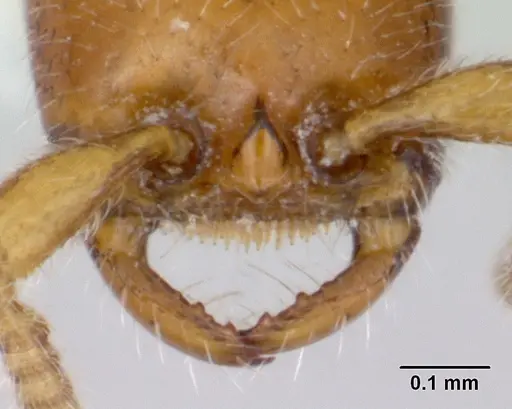
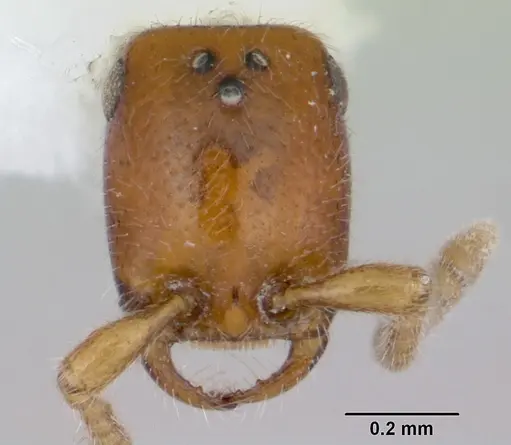
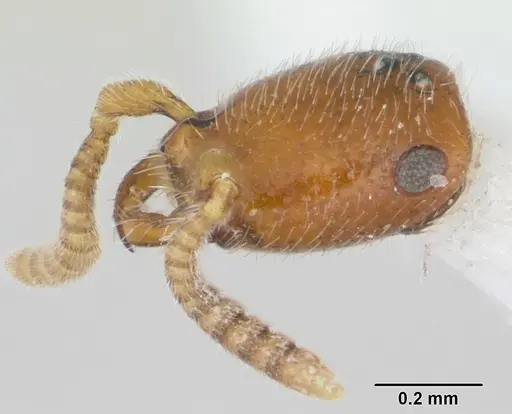
CASENT0101444
View on AntWeb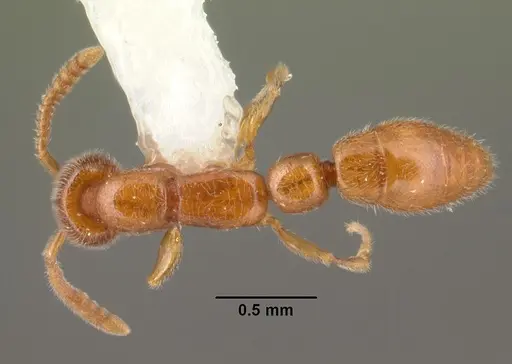
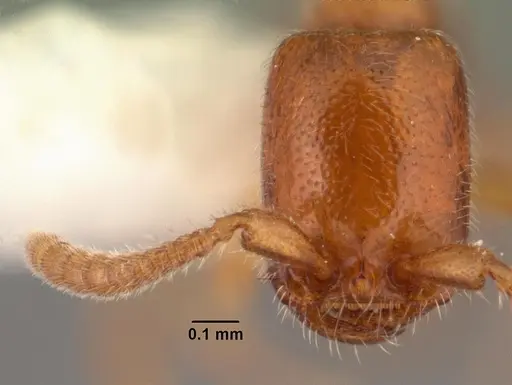
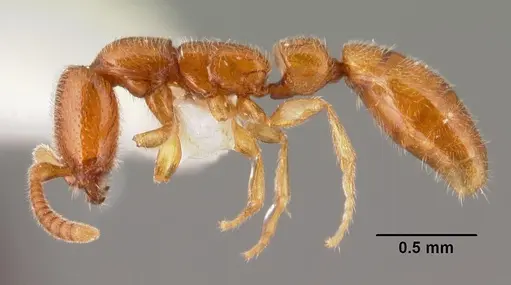
CASENT0101445
View on AntWeb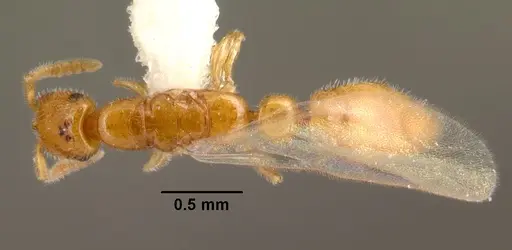
CASENT0101469
View on AntWeb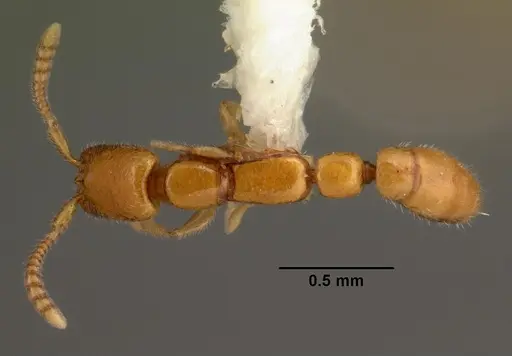
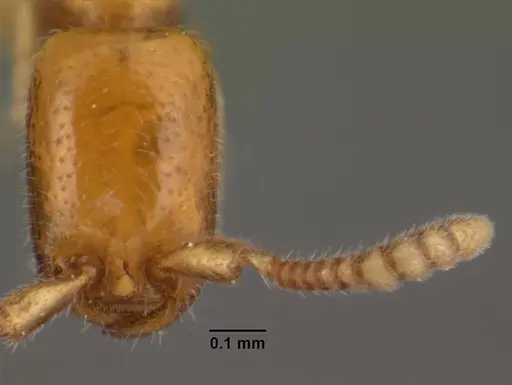
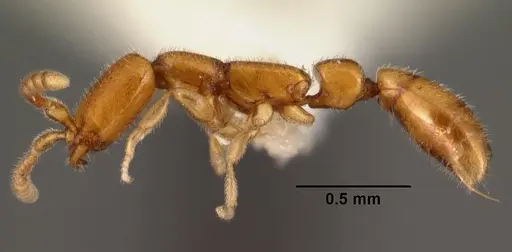
CASENT0103304
View on AntWeb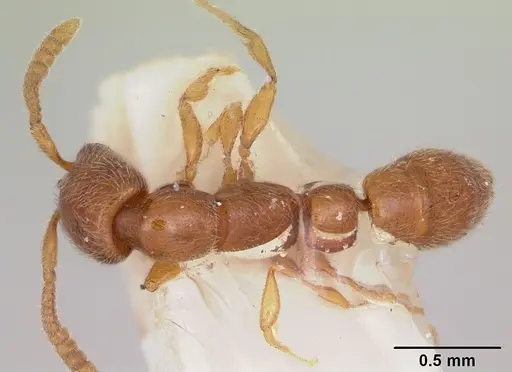
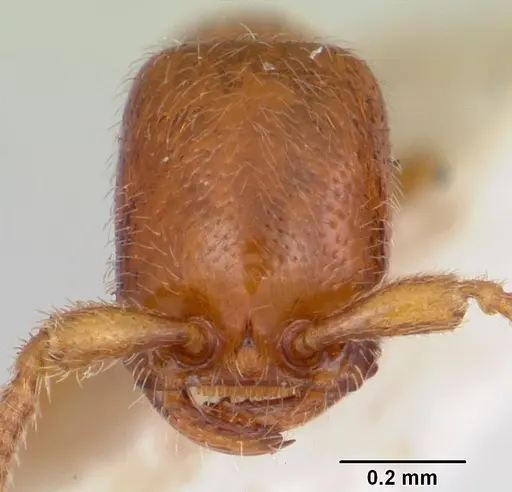
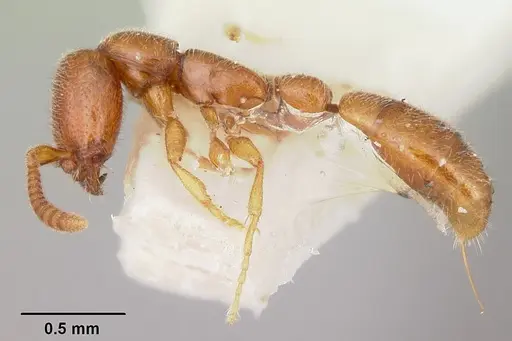
CASENT0103305
View on AntWeb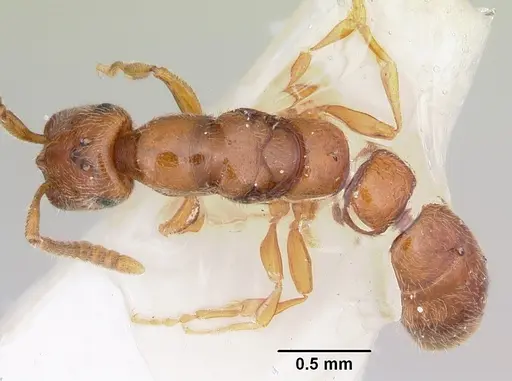
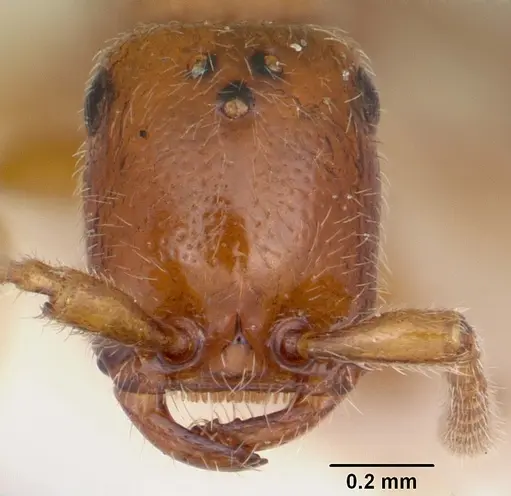
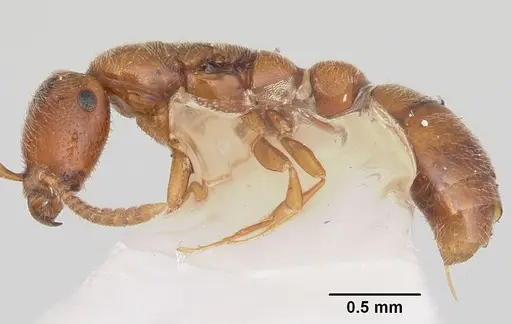
CASENT0103306
View on AntWeb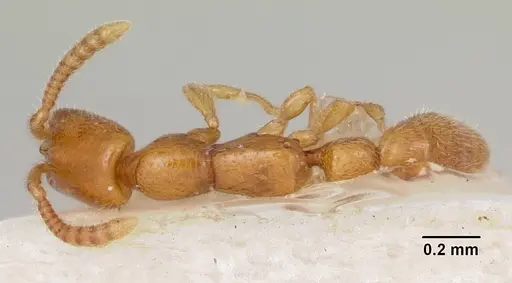
CASENT0260454
View on AntWeb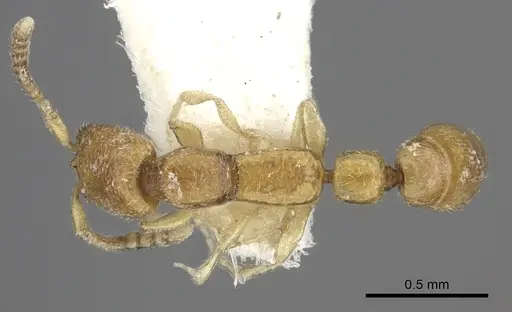
CASENT0815607
View on AntWeb
CASENT0815622
View on AntWeb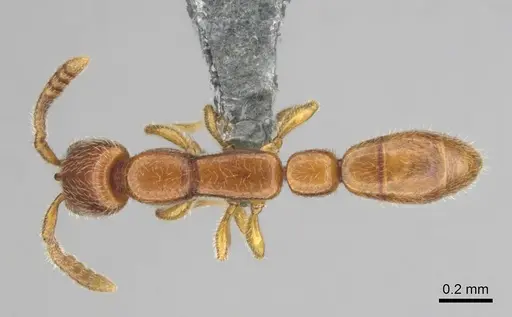
CASENT0900314
View on AntWeb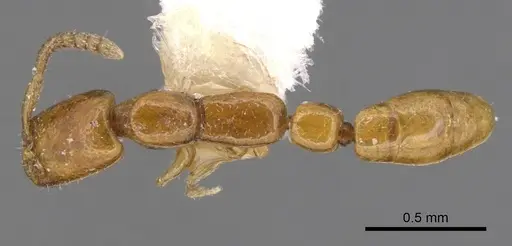
CASENT0900325
View on AntWeb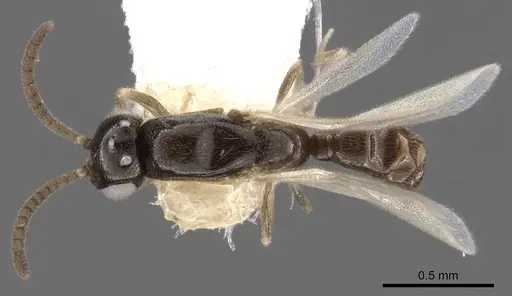
CASENT0900326
View on AntWeb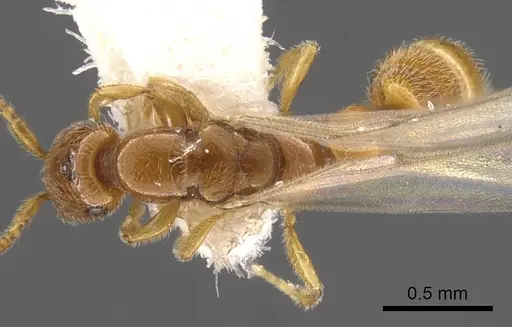
CASENT0900328
View on AntWeb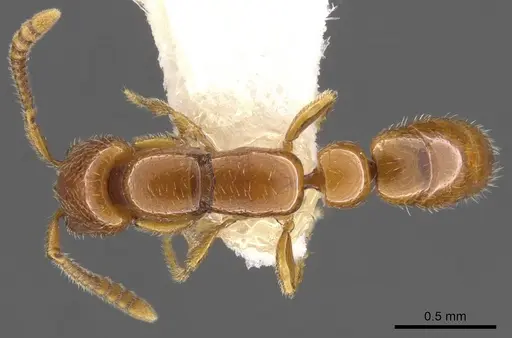
CASENT0902781
View on AntWeb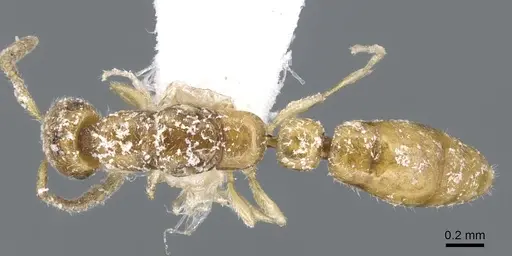
Literature
Loading...Loading products...