

Aphomomyrmex afer
- Scientific Name
- Aphomomyrmex afer
- Tribe
- Plagiolepidini
- Subfamily
- Formicinae
- Author
- Emery, 1899
- Distribution
- Found in 1 countries
Aphomomyrmex afer Overview
Aphomomyrmex afer is an ant species of the genus Aphomomyrmex. It is primarily documented in 1 countries , including Cameroon. Detailed taxonomic data and occurrence records can be further explored via authoritative databases such as AntWeb or the Global Biodiversity Information Facility (GBIF).
Aphomomyrmex afer
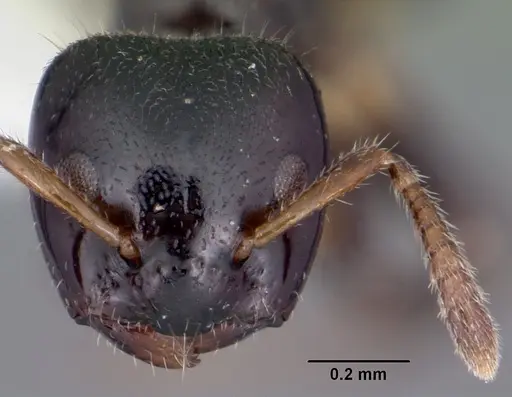
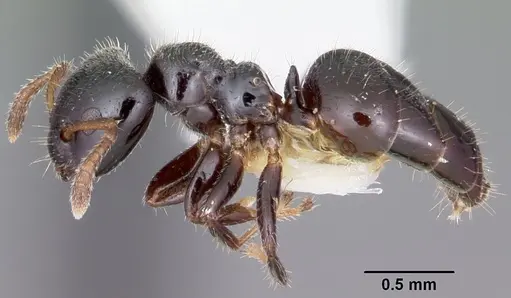
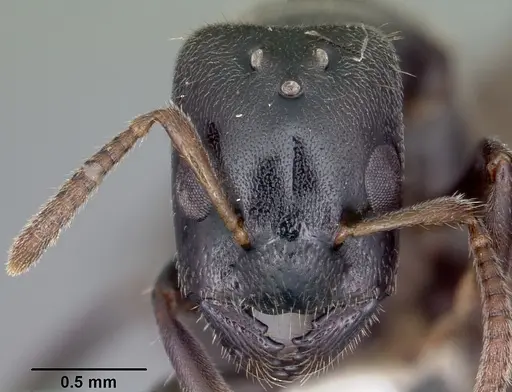
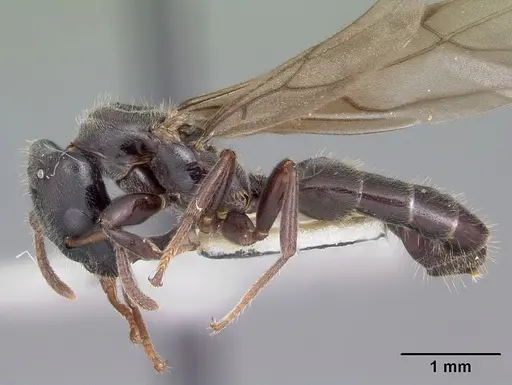
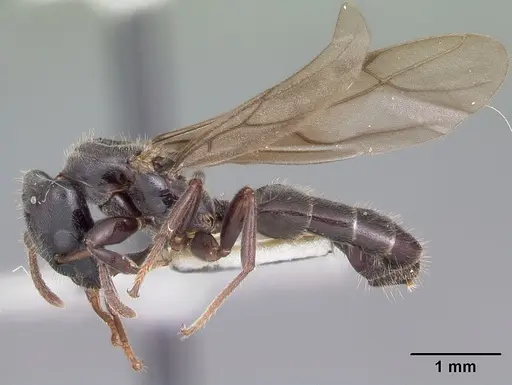
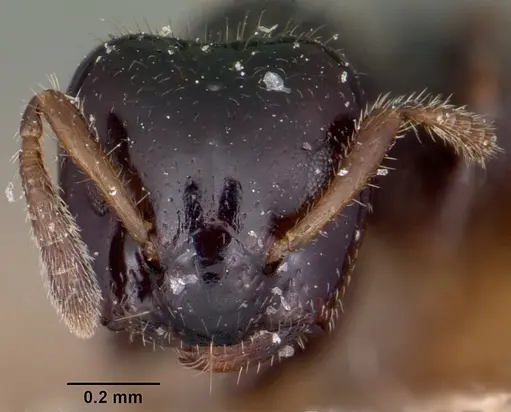
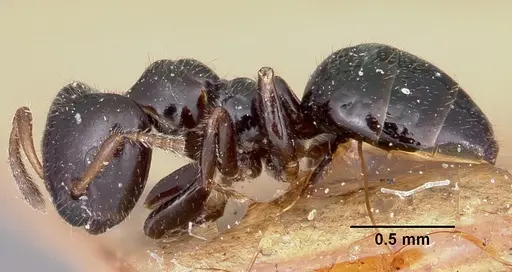
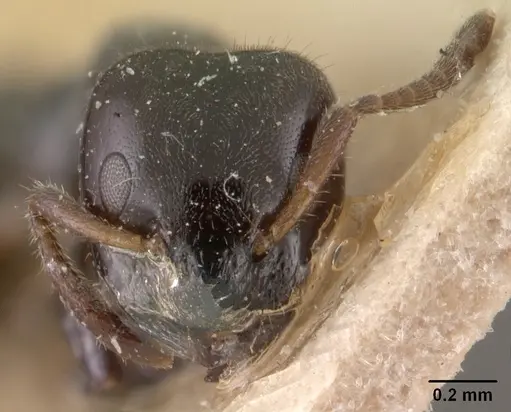
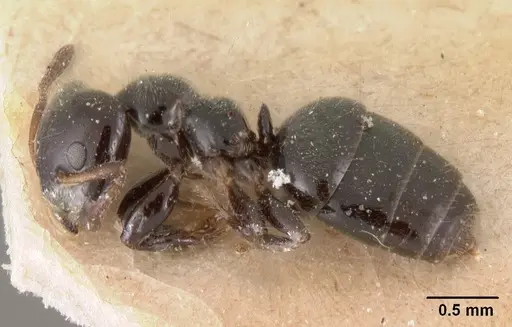
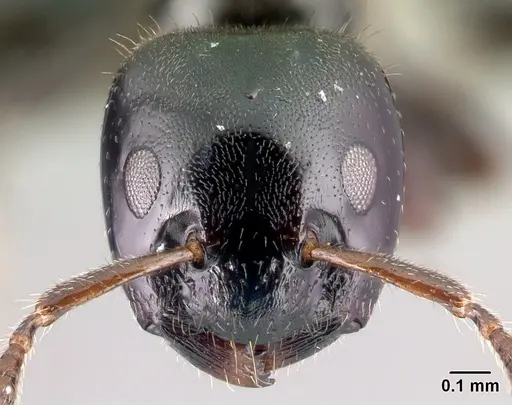
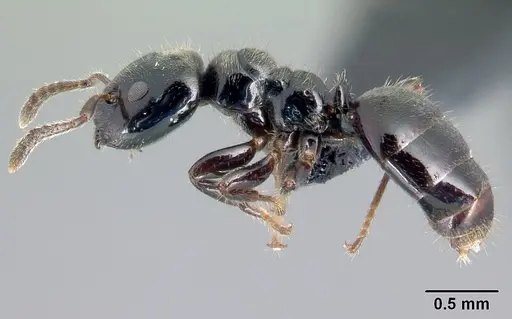
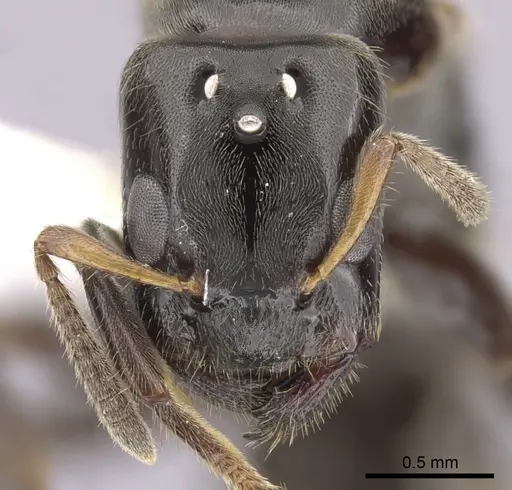
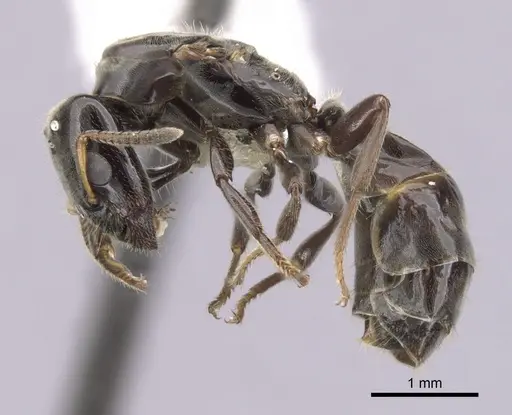
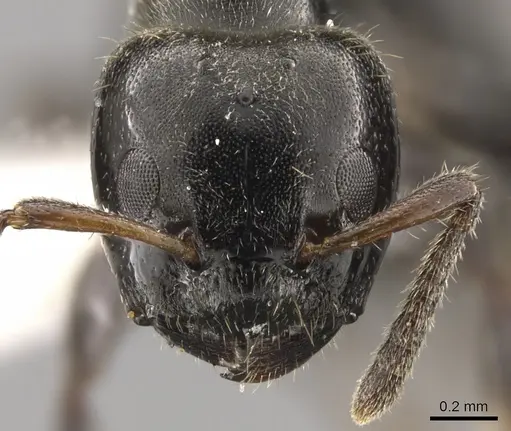
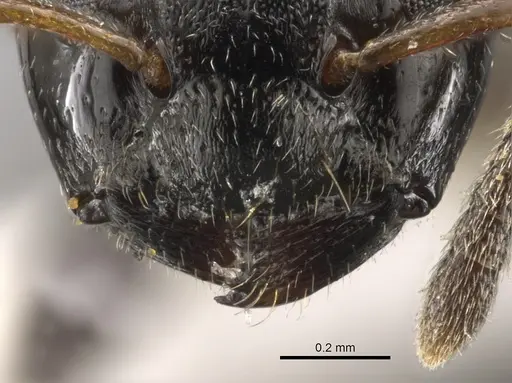
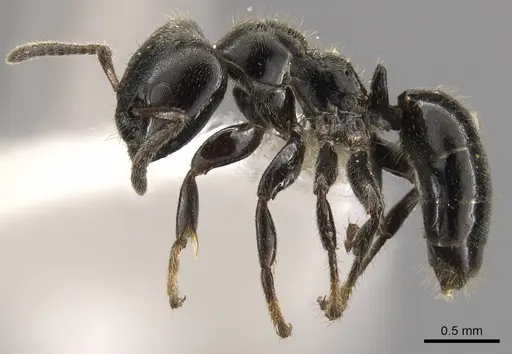
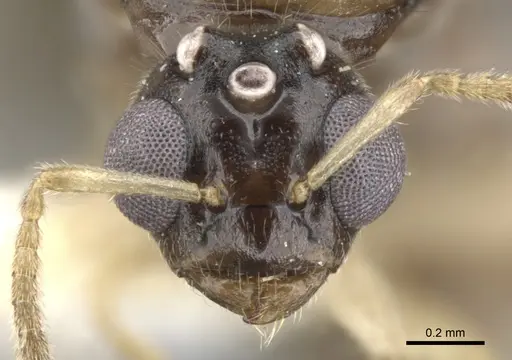
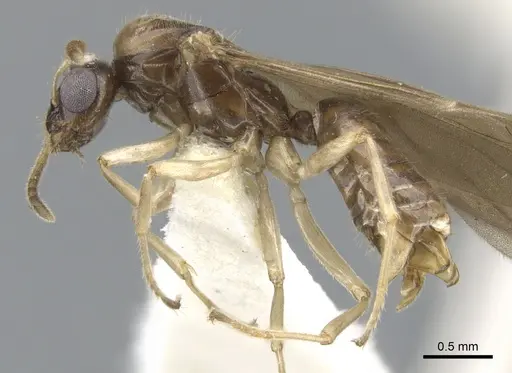
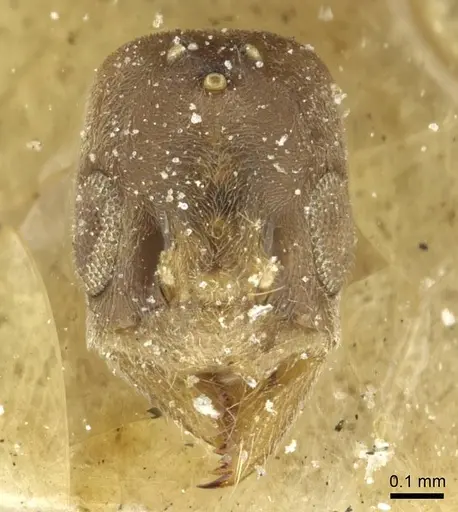
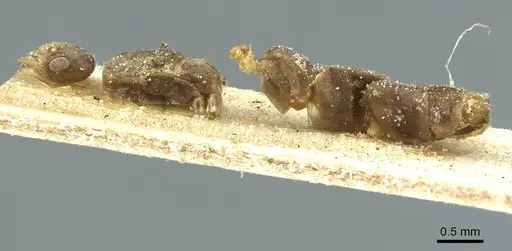
Aphomomyrmex afer is a tiny plant-ant from the rainforests of Central Africa, found in Cameroun, Gabon, and the Democratic Republic of Congo [1][2]. Workers measure just 2-3.5 mm with rectangular heads and nine-segmented antennae [1][3]. Unlike typical ants you can keep in a standard formicarium, this species is an obligate mutualist that lives only inside the hollow domatia (specialized plant structures) of the rainforest tree Leonardoxa africana letouzeyi [3][4]. They are famous among researchers for farming scale insects, specifically the mealybug Paraputo anomala, which they carry in their mandibles when founding new colonies [5][6]. This makes them one of the few ants with vertical transmission of their food source, similar to fungus-farming attines but with mealybugs instead [7].
Quick Summary
- Difficulty: Expert
- Origin & Habitat: Central African rainforests, Cameroun, Democratic Republic of Congo, and Gabon [1][2]. They obligately inhabit the hollow domatia of the ant-plant Leonardoxa africana letouzeyi [3][4].
- Colony Type: Unknown, likely single-queen colonies, but unconfirmed if multiple queens can cooperate [8].
- Size & Growth:
- Queen: ~6 mm [1]
- Worker: 2-3.5 mm [3][1]
- Colony: Unknown, likely small and limited by plant domatia size [3]
- Growth: Unknown, likely slow due to specialized mutualistic requirements
- Development: Unknown, likely 6-10 weeks based on typical Formicinae patterns, but unconfirmed for this species (Development data is unavailable. Tropical temperatures around 25-28°C likely speed development compared to temperate species.)
- Antkeeping:
- Temperature: 24-28°C based on tropical rainforest habitat. Provide a gentle gradient with a warm side.
- Humidity: High humidity required, keep nest substrate consistently moist but not waterlogged, matching rainforest conditions.
- Diapause: No, tropical species do not require winter rest.
- Nesting: Requires living Leonardoxa africana plants with functional domatia (hollow stems/thorns) [3][4]. Standard artificial nests will not work.
- Behavior: Peaceful plant-dwelling mutualists that protect their host tree from herbivores [4]. They tend mealybugs inside domatia and respond to specific plant chemical signals like hexanal [3]. Workers are tiny and require excellent escape prevention [3].
- Common Issues: cannot survive without host plant Leonardoxa africana and mealybug symbionts, this is not a typical pet ant species., escape risk is high due to tiny worker size (2-3.5 mm) requiring fine mesh barriers., mealybug colony crashes will starve the ants since they rely on honeydew from their farmed scale insects., extremely difficult to replicate rainforest conditions and maintain living host plants with functional domatia in captivity.
The Leonardoxa Mutualism
Aphomomyrmex afer is an obligate mutualist with the African rainforest tree Leonardoxa africana letouzeyi [3][4]. This means the ants cannot survive without this specific host plant. The plant grows hollow structures called domatia, specialized stems or thorns that house the ant colonies [3]. In return for shelter, the ants protect the plant from herbivores and competing vegetation [4]. The domatia also contain fungal patches in 93% of occupied chambers, suggesting a three-way symbiosis between ant, plant, and fungus [3]. For captive keeping, you would need living Leonardoxa plants with intact domatia, which is practically impossible outside specialized research facilities.
Farming Scale Insects
These ants are sophisticated farmers. They tend the mealybug Paraputo anomala inside the plant domatia, protecting them and harvesting their honeydew [5][7]. Most colonies associate with only one mealybug species at a time, though they can host two different species [5]. The mealybugs are vertically transmitted, queens carry gravid mealybugs between their mandibles when leaving to found new colonies, ensuring the new nest starts with a food source [6][9]. This is the only known ant-Homoptera farming system where the symbiont is both vertically transmitted and clonally reproducing, making it directly comparable to attine fungus-farming [7]. Without these specific mealybugs, the ants cannot survive.
Housing Requirements
Standard ant-keeping equipment like test tubes, Y-tong nests, or acrylic formicaria will not work for this species. Aphomomyrmex afer requires living Leonardoxa africana plants with functional domatia [3][4]. The domatia must be healthy enough to maintain the fungal patches that line the chambers [10]. You cannot replicate this with artificial materials. The ants need access to fresh plant tissue and the specific microclimate inside living domatia. This makes the species unsuitable for hobbyist ant-keeping.
Temperature and Environment
As a Central African rainforest species, they require warm, stable temperatures around 24-28°C with high humidity. Use a heating cable on one side of the enclosure to create a gentle gradient, but ensure the plant domatia do not dry out. They do not require diapause (winter rest) as they are tropical. Maintain consistently moist conditions similar to the forest floor, but ensure good air circulation to prevent mold in the enclosed domatia spaces.
Communication and Chemical Ecology
Workers respond specifically to hexanal, a volatile compound released by their host plant when damaged [3]. They do not respond to methyl salicylate, unlike some related plant-ants [3]. Their antennae can detect methyl salicylate at thresholds of 0.4 nanoliters in electrophysiological tests [3]. This chemical communication helps them patrol the plant and respond to herbivore attacks. In captivity, this means they may not recognize food sources or threats without their host plant's chemical cues.
Frequently Asked Questions
Can I keep Aphomomyrmex afer in a test tube or standard formicarium?
No. This species requires living Leonardoxa africana plants with specialized hollow domatia to survive. They cannot be kept in artificial nests [3][4].
What do Aphomomyrmex afer eat?
They eat honeydew farmed from scale insects, specifically the mealybug Paraputo anomala, which they cultivate inside plant domatia [5][7]. They do not accept standard ant foods like sugar water or insects directly.
Do Aphomomyrmex afer need hibernation?
No. They are a tropical species from Central Africa and remain active year-round.
How long until Aphomomyrmex afer gets their first workers?
Unknown. Development timelines have not been documented for this species. Based on related Formicinae, expect roughly 6-10 weeks at 25-28°C, but this is unconfirmed.
Are Aphomomyrmex afer good for beginners?
No. This is an expert-level species requiring specialized host plants and symbiotic mealybugs that are not available commercially. They are research subjects, not pet ants.
Can I keep multiple Aphomomyrmex afer queens together?
Unknown. Colony structure is unconfirmed for this species. While related species show flexibility, combining unrelated queens has not been documented and is not recommended.
Why are my Aphomomyrmex afer dying?
Likely because they lack their obligate host plant Leonardoxa africana or their mealybug symbionts. They cannot survive on standard ant diets or in artificial nests [3][5].
References

This caresheet is licensed under CC BY-SA 4.0 .
CASENT0101212
View on AntWeb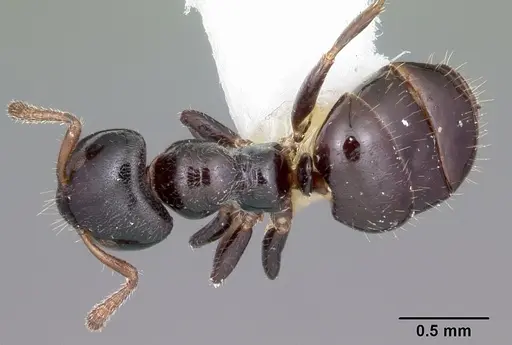
CASENT0101213
View on AntWeb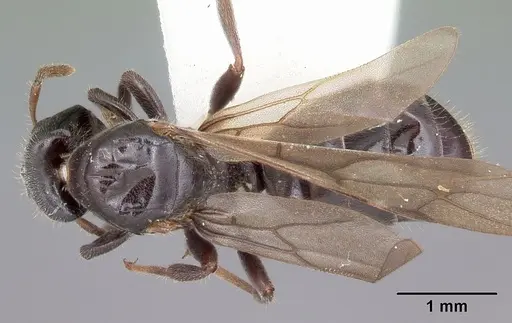
CASENT0101882
View on AntWeb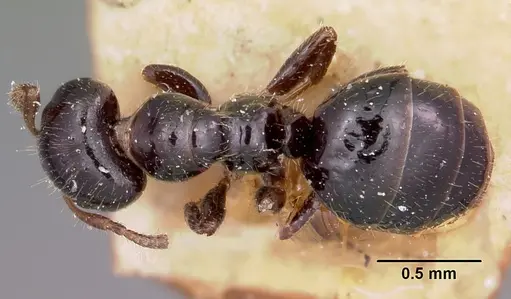
CASENT0102087
View on AntWeb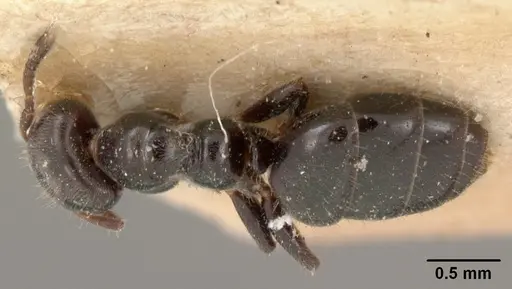
CASENT0217049
View on AntWeb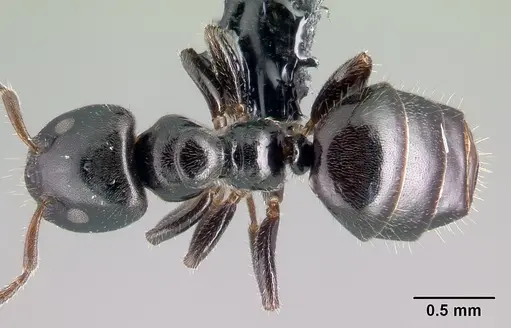
CASENT0249933
View on AntWeb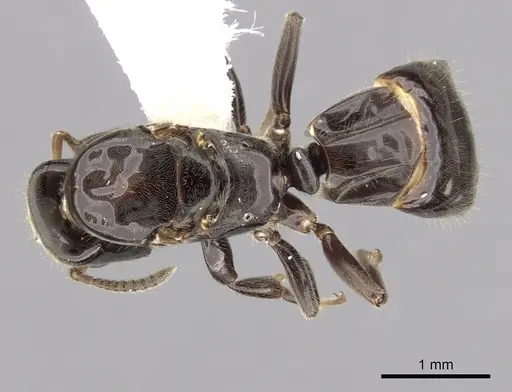
CASENT0900319
View on AntWeb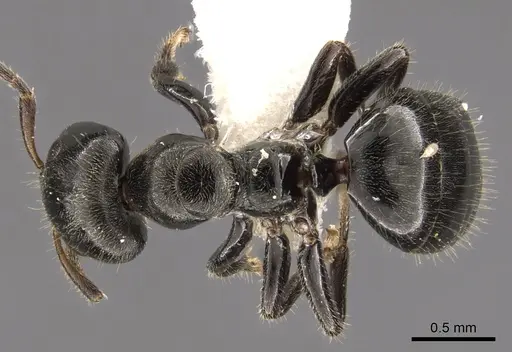
CASENT0903106
View on AntWeb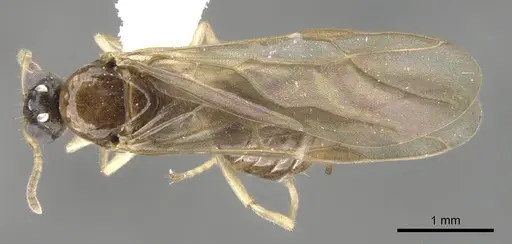
CASENT0911595
View on AntWeb
Literature
Loading...Loading products...