

Aphaenogaster umphreyi
- Scientific Name
- Aphaenogaster umphreyi
- Tribe
- Stenammini
- Subfamily
- Myrmicinae
- Author
- Deyrup & Davis, 1998
- Distribution
- Found in 1 countries
Aphaenogaster umphreyi Overview
Aphaenogaster umphreyi is an ant species of the genus Aphaenogaster. It is primarily documented in 1 countries , including United States of America. Detailed taxonomic data and occurrence records can be further explored via authoritative databases such as AntWeb or the Global Biodiversity Information Facility (GBIF).
Aphaenogaster umphreyi
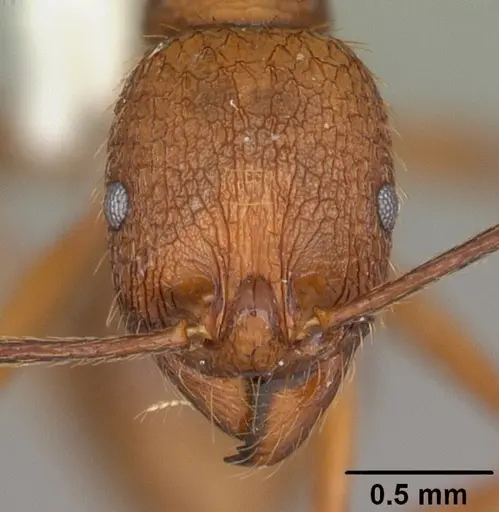
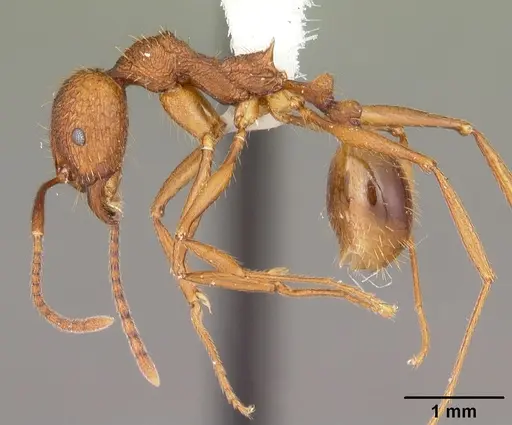
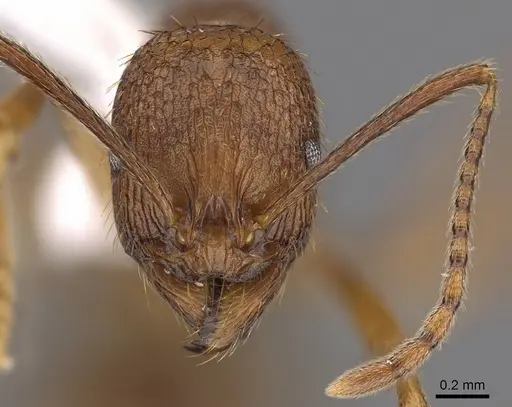
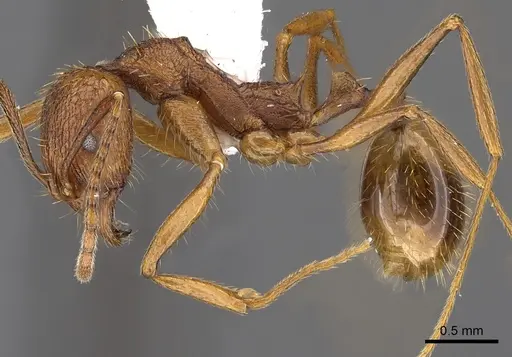
Aphaenogaster umphreyi is a small, reddish brown ant that lives almost entirely underground in the sandy scrublands of Florida and Georgia [1][2]. Workers have tiny eyes, about the same width as the last segment of their antenna, and short, upturned spines on the rear of their middle body section [1]. They look similar to their close relative Aphaenogaster fulva, but have much smaller eyes and reduced spurs on their hind legs [1]. This is one of the least known ant species in eastern North America, scientists have never found a nest, never collected males, and have only ever seen one possible queen that might belong to this species [2]. All specimens come from digging and sifting through sand under rotten logs or thick root mats in dry, sandy uplands [1].
Quick Summary
- Difficulty: Expert
- Origin & Habitat: Sandhill and Florida scrub habitats in Florida and Georgia, USA, with one record from Texas [1][3][4]. They live in deep sand under rotten stumps, leaf litter, and root mats in dry, sandy uplands [1][5].
- Colony Type: Unknown, no queens have ever been found with workers, so single-queen or multi-queen status remains unconfirmed.
- Size & Growth:
- Queen: Unknown, no confirmed queens measured.
- Worker: Approximately 3-4 mm estimated from head measurements (head length 1.15 mm) [1].
- Colony: Unknown, no nests have been excavated.
- Growth: Unknown, likely slow given subterranean lifestyle.
- Development: Unknown, estimated 6-10 weeks based on related Aphaenogaster species, but unconfirmed. (Development timing has never been studied. Estimate assumes warm temperatures around 25°C.)
- Antkeeping:
- Temperature: Unknown, likely 20-25°C based on Florida scrub habitat. Start with stable room temperature and observe activity levels.
- Humidity: Moderate humidity in deep substrate. The sand should feel damp several centimeters down but surface can be dry [1].
- Diapause: Unknown, may slow down in winter given seasonal Florida habitat, but no data confirms this.
- Nesting: Deep sand or sandy soil with chambers dug under flat stones or wood pieces. They need darkness and substantial substrate depth [1][2].
- Behavior: Strictly subterranean and possibly nocturnal. They rarely emerge above ground and have tiny eyes adapted for darkness [1]. They are not aggressive and move slowly [2].
- Common Issues: queens have never been documented with workers, making captive founding currently impossible., subterranean lifestyle makes observation difficult without destroying the nest structure., suspected specialized diet of subterranean termites may be impossible to replicate in captivity., extremely small eyes suggest they avoid light, exposure to bright conditions causes stress., collection requires digging and sifting sand, which usually destroys the colony and habitat.
Natural History and Habitat
Aphaenogaster umphreyi lives in sandhill and Florida scrub habitats, dry, sandy uplands with oak and pine scattered across north Florida into Georgia [1][3]. All specimens have been found underground, usually deep in sand under rotten logs, thick root mats, or piles of leaf litter [1][2]. They appear to be strictly subterranean, possibly emerging only at night [1]. Their tiny eyes (only 0.15 mm long) and pale reddish-brown color match this underground lifestyle [1]. They share habitat with subterranean termites, and scientists suspect they might prey on them, though this remains unproven [2]. One specimen was caught in a pitfall trap, suggesting they occasionally wander, but this is rare [2].
Identification
Workers are reddish brown with yellowish brown legs and gaster [1]. They look like Aphaenogaster fulva but have much smaller eyes (about the same width as the last antennal segment), shorter upturned spines on the propodeum, and rougher sculpturing on the head and body [1]. The hind leg spurs are reduced or missing entirely [1]. The head has a convex top with coarse network-like ridges covering the surface [1]. If you think you have found this species, check that the eyes are extremely small compared to similar ants, this is the best field mark [2].
Nest Preferences in Captivity
Since nests have never been found in the wild, we can only guess based on collection sites. They need deep, loose sand or sandy soil they can tunnel through, ideally 10-15 cm deep [1]. In captivity, a deep container with chambers dug under flat stones or wood pieces might work. They will not do well in standard acrylic formicaria with open viewing areas, they need darkness, humidity in the substrate, and space to dig deep [2]. A naturalistic setup with a deep sand substrate and flat stones to create chambers underneath is your best approach, though success is unlikely.
Feeding and Diet
The diet is unknown, but they may hunt subterranean termites based on shared habitat [2]. In captivity, they might accept small soil-dwelling prey like springtails, termites, or tiny insect larvae, but this is completely untested. Standard ant foods like honey water or fruit may not interest them if they are specialized predators of soil arthropods. If you somehow obtain a colony, offer small live prey and observe acceptance.
Why This Species Is Not Recommended for Captive Keeping
You cannot currently keep this species. No one has ever found a queen associated with workers, so founding a colony is impossible [2]. All specimens come from digging up wild colonies, which destroys the fragile scrub habitat and usually kills the colony in the process. Their subterranean habits make them nearly impossible to observe, and their dietary needs are a mystery [1][2]. This species should remain in the hands of researchers only and should not be collected from the wild.
Frequently Asked Questions
Can I keep Aphaenogaster umphreyi in a test tube?
No. This species is not available to keepers. No queens have ever been collected with workers, and wild colonies are extremely difficult to extract alive from deep sand without destroying them [2].
How long until Aphaenogaster umphreyi gets first workers?
Unknown. The development timeline has never been studied. Based on related Aphaenogaster species, it might take 6-10 weeks at warm temperatures, but this is purely a guess.
What do Aphaenogaster umphreyi eat?
Scientists suspect they eat subterranean termites based on where they are found, but their exact diet is unknown [2]. They might accept other small soil arthropods in captivity, but no one has successfully kept them long-term to test this.
Do Aphaenogaster umphreyi need hibernation?
Unknown. They live in Florida and Georgia where winters are mild. They might slow down in cooler months, but no data exists on seasonal activity [1].
How big do Aphaenogaster umphreyi colonies get?
Unknown. No nests have ever been excavated to count the workers [2].
Are Aphaenogaster umphreyi good for beginners?
Absolutely not. They are one of the least known ant species in North America, impossible to obtain legally and ethically, and their care requirements are completely unknown [2].
How to identify Aphaenogaster umphreyi?
Look for the tiny eyes (about as wide as the last antennal segment), short upturned spines on the propodeum, and reddish brown color [1]. They are only found in sandy scrub habitats in Florida and Georgia [1][3].
Where can I buy Aphaenogaster umphreyi?
You cannot buy this species. It is not in the ant-keeping trade and should not be collected from the wild due to its rarity and the destruction required to extract colonies [2].
References

This caresheet is licensed under CC BY-SA 4.0 .
CASENT0103612
View on AntWeb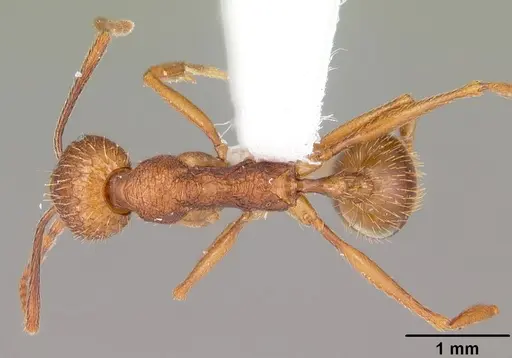
CASENT0900416
View on AntWeb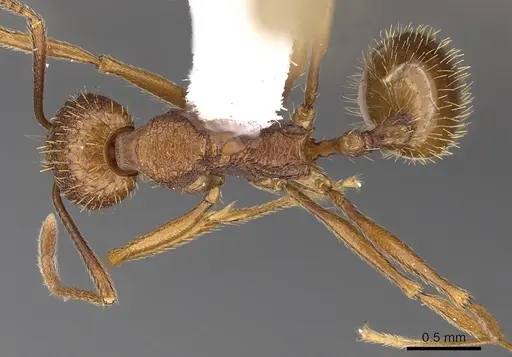
Literature
Loading...Loading products...