

Aphaenogaster trinacriae
- Scientific Name
- Aphaenogaster trinacriae
- Tribe
- Stenammini
- Subfamily
- Myrmicinae
- Author
- Alicata & Schifani, 2019
- Distribution
- Found in 1 countries
Aphaenogaster trinacriae Overview
Aphaenogaster trinacriae is an ant species of the genus Aphaenogaster. It is primarily documented in 1 countries , including Italy. Detailed taxonomic data and occurrence records can be further explored via authoritative databases such as AntWeb or the Global Biodiversity Information Facility (GBIF).
Aphaenogaster trinacriae
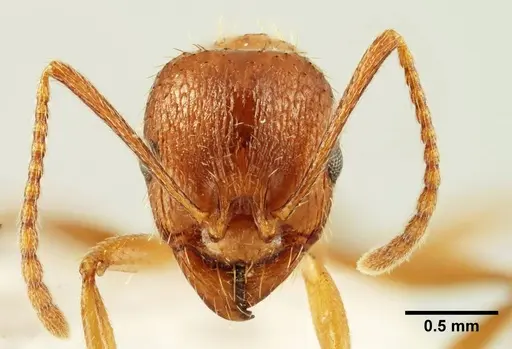
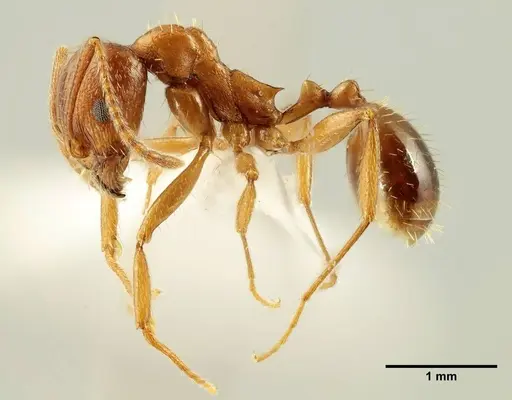
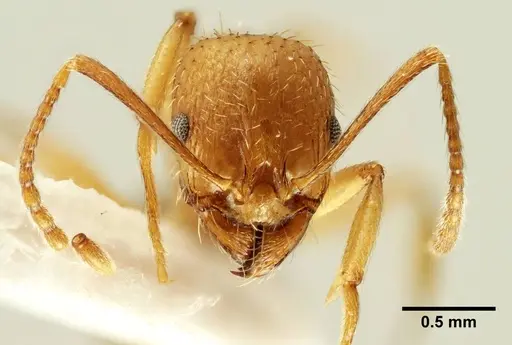
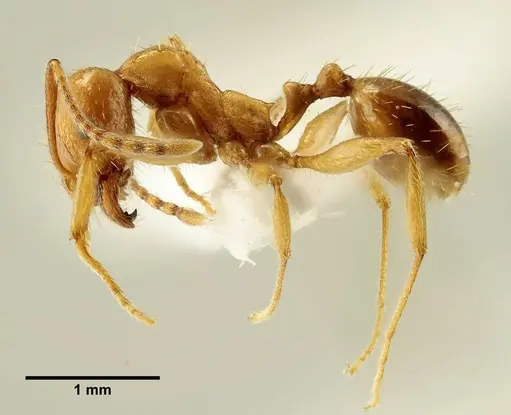
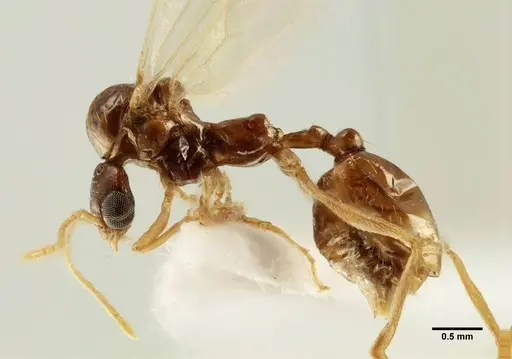
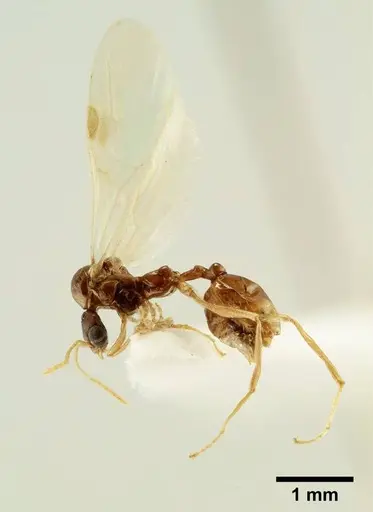
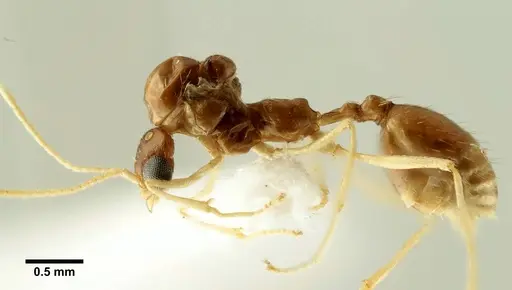
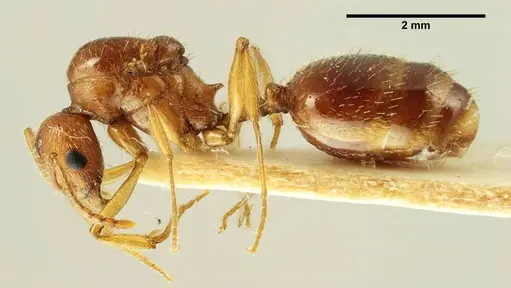
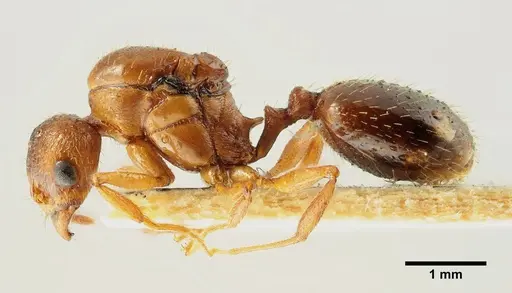
Aphaenogaster trinacriae is a small, rust-colored ant with a distinctive dark gaster that looks almost black against its reddish-brown body [1]. Workers measure roughly 4-5mm while queens reach about 6mm, making them medium-small ants with the typical slender build of the genus [1]. They live only in Sicily and the nearby island of Favignana, where they specialize in warm oak forests between 110 and 1,260 meters elevation [1][2].
What makes this species particularly interesting is how strictly single-queen they are, even when researchers tried introducing multiple queens to found colonies together, the ants always ended up with just one surviving queen [1]. They also practice myrmecochory, meaning they collect seeds and eat the nutrient-rich attachments called elaiosomes while leaving the rest of the seed to grow [1]. In the wild, they compete directly with the similar-looking Aphaenogaster ichnusa for territory in western Sicily [1].
Quick Summary
- Difficulty: Medium
- Origin & Habitat: Endemic to Sicily and Favignana island (Italy), living exclusively in thermophilous (warmth-loving) Quercus oak forests and occasionally pine plantations at 110-1,260m elevation [1][2]
- Colony Type: Strictly monogynous, single-queen colonies only. Multiple queen introductions result in fighting until only one remains [1]
- Colony: Monogyne
- Size & Growth:
- Queen: Approximately 6mm (estimated from head width 1.36mm) [1]
- Worker: 4-5mm (head length 1.16mm, head width 1.01mm) [1]
- Colony: Unknown, likely several hundred workers based on related species (estimated)
- Growth: Unknown
- Development: Unconfirmed (Development time has not been documented. Related Aphaenogaster species typically take 6-10 weeks at warm temperatures, but this is unconfirmed for trinacriae.)
- Antkeeping:
- Temperature: Warmth-loving species from Mediterranean oak forests. Start around 22-25°C with a gentle gradient. They likely need warmth year-round but exact requirements are unconfirmed [1]
- Humidity: Moderate humidity matching forest floor conditions. Keep nest substrate damp but not waterlogged, with slightly drier areas available [1]
- Diapause: Likely yes, Mediterranean species typically slow down in winter, though exact requirements are unconfirmed. If provided, keep cool (10-15°C) rather than cold
- Nesting: Naturalistic setups with soil and leaf litter, or Y-tong/plaster nests with moderate humidity. They likely nest in soil and rotting wood in nature [1]
- Behavior: Moderate activity levels with deliberate foraging. They collect seeds and scavenge for dead insects. Not particularly aggressive but will defend their nest. Single-queen structure means colonies are cohesive and peaceful internally [1]
- Common Issues: strictly monogynous, never attempt to combine queens or colonies, they will fight to the death., recently described species (2019) with limited captive breeding data, expect surprises and undocumented behaviors., specific habitat requirements from Sicilian oak forests, they may not thrive in generic setups designed for tropical species., similar appearance to Aphaenogaster ichnusa and A. subterraneosplendida, ensure correct identification to provide appropriate care., nuptial flights likely tied to late summer rains, colonies may need seasonal cues to produce sexuals.
Natural History and Distribution
Aphaenogaster trinacriae lives only in Sicily, primarily in the western regions, and is completely absent from the northeastern mountains including Etna, the Nebrodi, and the Peloritani [1]. They also occur on Favignana, one of the Egadi Islands about 7 km off the western coast [1]. Their habitat is strictly defined: they need thermophilous (warmth-loving) broad-leaved forests, mainly natural oak woods, though they occasionally appear in artificial pine plantations [1].
These ants share their range with the closely related Aphaenogaster ichnusa, which occupies the exact same ecological niche in areas where trinacriae is absent [1]. This suggests intense competition between the two species. Historically, deforestation has severely reduced their available habitat, and while reforestation has increased forest cover, these ants rarely colonize new Eucalyptus plantations or isolated forest patches [3].
Colony Structure and Queen Behavior
These ants are strictly monogynous, meaning each colony contains exactly one queen [1]. Researchers attempted to found colonies in captivity using multiple queens, but in every case the colonies ended up with just one surviving queen, the others were killed or driven out [1]. This makes them functionally impossible to keep as multi-queen colonies.
The founding type (whether queens seal themselves in and live off fat reserves or need to forage) has not been documented for this species [1]. Based on typical Aphaenogaster patterns, founding may be semi-claustral (queen needs to forage), but this remains unconfirmed. If you obtain a founding queen, observe whether she leaves the chamber to forage, if she does, provide a small outworld immediately rather than sealing her in completely.
Nesting and Captive Housing
In nature, Aphaenogaster trinacriae inhabits established or degraded oak forests from low elevations up to 1,260 meters [1]. They likely nest in soil and rotting wood on the forest floor, though specific nest architecture hasn't been described. For captive housing, a naturalistic setup with a soil and leaf litter substrate works well, or a Y-tong (porous concrete) nest that maintains humidity.
Because they come from Mediterranean forests with seasonal rainfall, avoid completely dry setups. The nest should have damp areas for brood development and slightly drier areas where workers can rest. Ventilation is important to prevent mold in these humidity conditions, use a setup with moderate airflow while maintaining substrate moisture.
Feeding and Diet
Aphaenogaster trinacriae has been documented removing elaiosomes, the fatty, nutrient-rich attachments, from seeds of Euphorbia characias [1]. This myrmecochory (seed dispersal by ants) suggests they actively seek seeds and will likely accept small seeds with elaiosomes in captivity.
Like most Aphaenogaster, they are probably generalist scavengers and predators. Offer small live or dead insects such as fruit flies, springtails, and tiny pieces of mealworm. They may also accept sugar water or honey water, though this hasn't been specifically documented. Feed protein twice weekly and keep a sugar source available constantly, adjusting based on consumption.
Seasonal Cycle and Reproduction
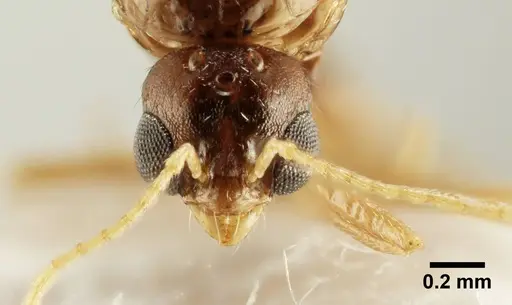
Winged sexuals (males and new queens) have been found in nests during the last week of July and in August [1]. In captive colonies, sexuals began leaving the nest from mid-July to early August, though actual nuptial flights weren't observed, the researchers speculated that flights might begin with the first heavy rains at summer's end [1].
This late summer timing suggests a seasonal cycle tied to the Mediterranean climate. Colonies likely need a period of cooler winter rest (diapause) to properly regulate their annual cycle, though this hasn't been confirmed. If your colony produces sexuals, expect them in late July or August, and consider simulating late-summer rain cues if no flights occur naturally.
Identification and Similar Species
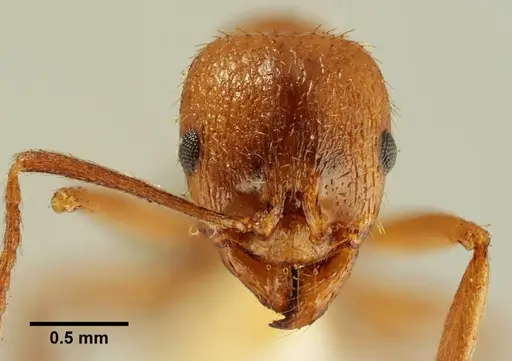
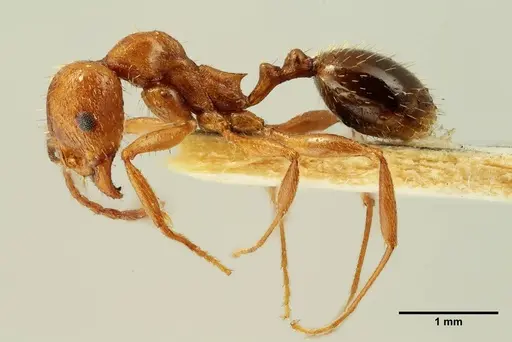
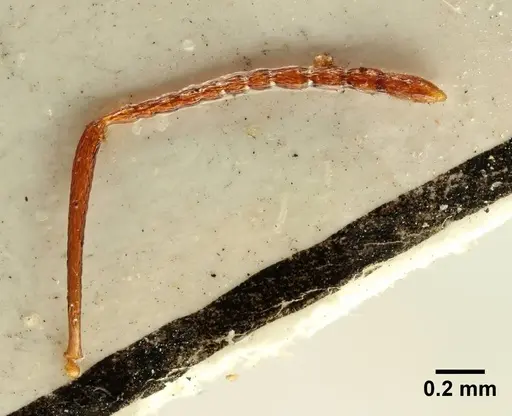
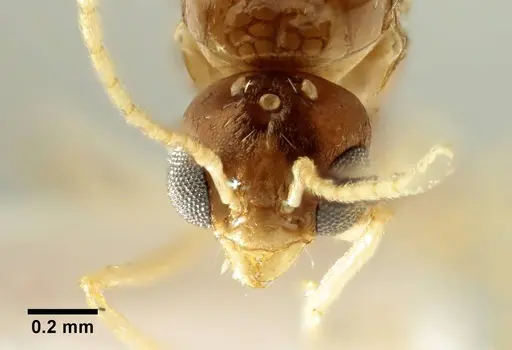
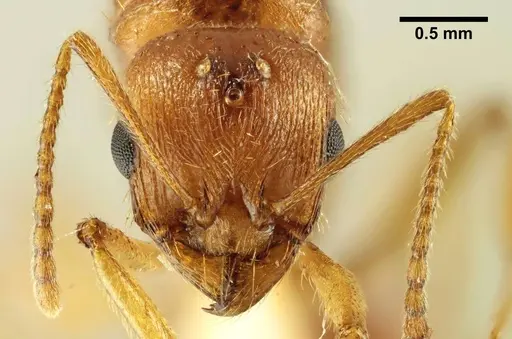
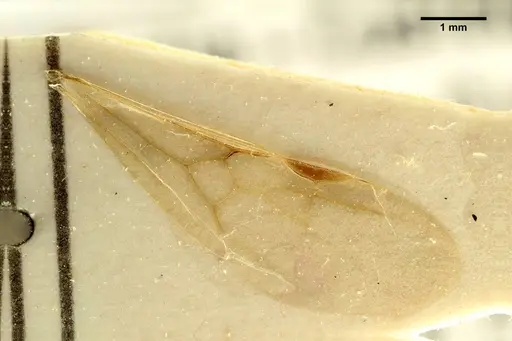
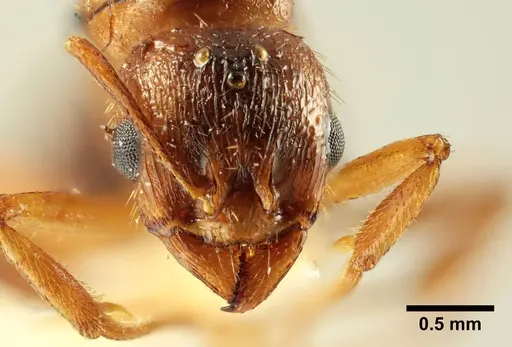
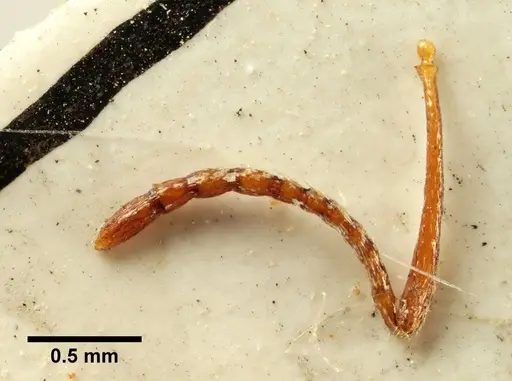
Workers are rust-colored (ferruginous) with a very dark gaster, sometimes with darker areas on the face and legs [1]. They have 12-segmented antennae with a 4-segmented club, and a well-marked promesonotal suture that creates a visible step in their profile [1].
They can be confused with Aphaenogaster ichnusa and Aphaenogaster subterraneosplendida, which share the same basic color pattern [1]. A. ichnusa has a deeper metanotal groove and less sculptured pronotum, while A. subterraneosplendida has a darker head relative to the thorax and much less body sculpture [1]. If collecting from Sicily, ensure proper identification using these traits, as care requirements might differ slightly between these closely related species.
Frequently Asked Questions
Can I keep multiple Aphaenogaster trinacriae queens together?
No. This species is strictly monogynous (single-queen). Research shows that even when multiple queens are introduced during founding, they fight until only one survives [1]. Never attempt to combine colonies or introduce new queens to established nests.
Do Aphaenogaster trinacriae need hibernation?
Likely yes, though unconfirmed. As a Mediterranean species with late-summer nuptial flights, they probably need a winter rest period at cooler temperatures (10-15°C) to maintain normal seasonal cycles. However, specific diapause requirements haven't been studied [1].
How long is the egg to worker timeline for Aphaenogaster trinacriae?
Unknown. Development time hasn't been documented for this species. Based on related Aphaenogaster species, expect roughly 6-10 weeks at warm temperatures (22-25°C), but this is an estimate only.
How big do Aphaenogaster trinacriae colonies get?
Colony size hasn't been documented in the research. Based on similar single-queen Aphaenogaster species, they likely reach several hundred workers, possibly up to a thousand, but this is speculative.
Can I keep Aphaenogaster trinacriae in a test tube?
Yes, for founding and small colonies. Use standard test tube setups with water reservoirs and cotton plugs. Once the colony grows beyond about 20-30 workers, move them to a small formicarium or naturalistic setup with soil/leaf litter to better simulate their oak forest habitat.
What do Aphaenogaster trinacriae eat?
They collect seeds and eat the nutrient-rich elaiosomes attached to them, specifically documented from Euphorbia characias seeds [1]. They also likely scavenge dead insects and hunt small prey. Offer small seeds, fruit flies, springtails, and sugar water.
Are Aphaenogaster trinacriae good for beginners?
They are medium difficulty. While not aggressive or extremely sensitive, they are recently described (2019) with limited captive data, have specific habitat needs from Sicilian oak forests, and require careful attention to seasonal cycles. Beginners might find more established species easier.
What temperature do Aphaenogaster trinacriae need?
They come from warm, thermophilous oak forests, so keep them at roughly 22-25°C with a gentle heat gradient. This is inferred from their habitat preferences, exact temperature requirements haven't been studied [1].
How can I tell Aphaenogaster trinacriae apart from similar species?
They have a well-marked promesonotal suture (a visible step between thorax sections), rust-colored bodies with dark gasters, and relatively heavy sculpture on the head and thorax [1]. Similar species like A. ichnusa have smoother bodies and deeper grooves, while A. subterraneosplendida has darker heads [1].
Do Aphaenogaster trinacriae sting?
Like most Aphaenogaster, they possess a stinger but are small (4-5mm workers) and not aggressive toward humans. Any sting would be mild and unlikely to penetrate skin significantly.
References

This caresheet is licensed under CC BY-SA 4.0 .
ANTWEB1041230
View on AntWeb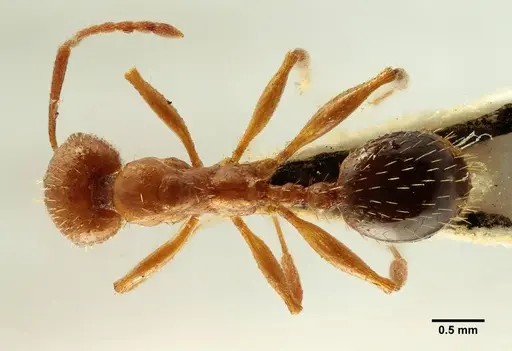
ANTWEB1041231
View on AntWeb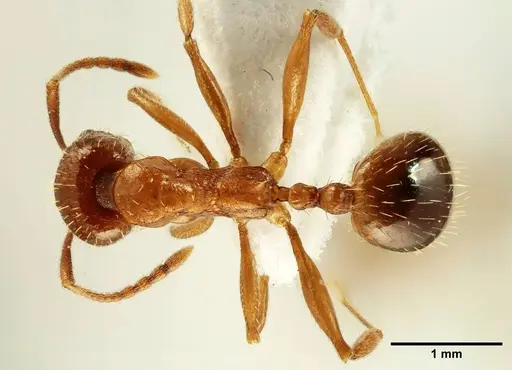
ANTWEB1041232
View on AntWeb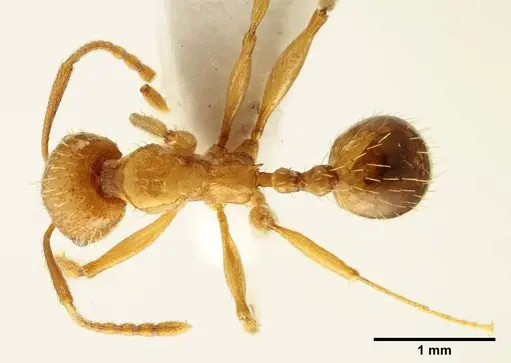
ANTWEB1041233
View on AntWeb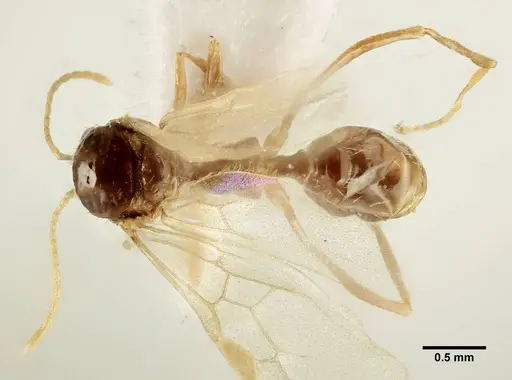
ANTWEB1041234
View on AntWeb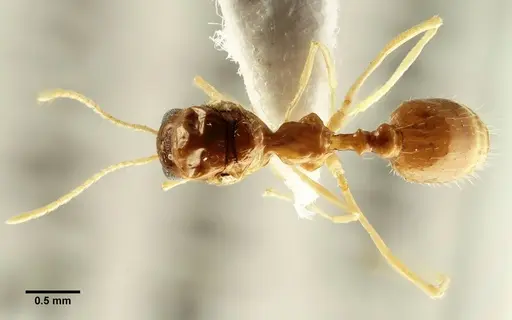
ANTWEB1041235
View on AntWeb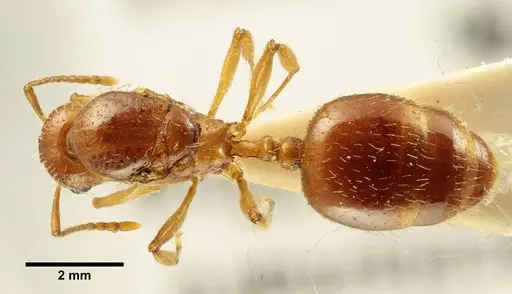
ANTWEB1041236
View on AntWeb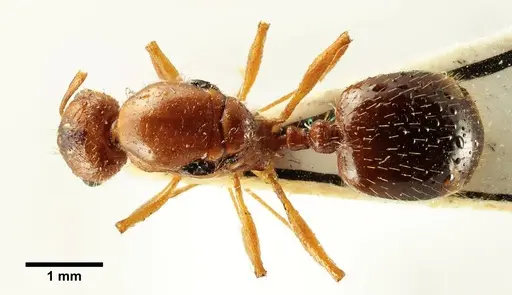
Literature
Loading...Loading products...