

Aphaenogaster tipuna
- Scientific Name
- Aphaenogaster tipuna
- Tribe
- Stenammini
- Subfamily
- Myrmicinae
- Author
- Forel, 1913
- Distribution
- Found in 2 countries
Aphaenogaster tipuna Overview
Aphaenogaster tipuna is an ant species of the genus Aphaenogaster. It is primarily documented in 2 countries , including Japan, Korea, Republic of. Detailed taxonomic data and occurrence records can be further explored via authoritative databases such as AntWeb or the Global Biodiversity Information Facility (GBIF).
Aphaenogaster tipuna
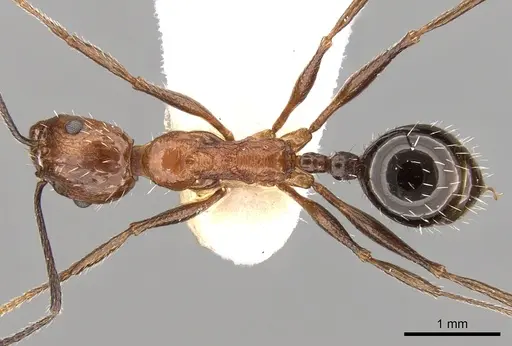
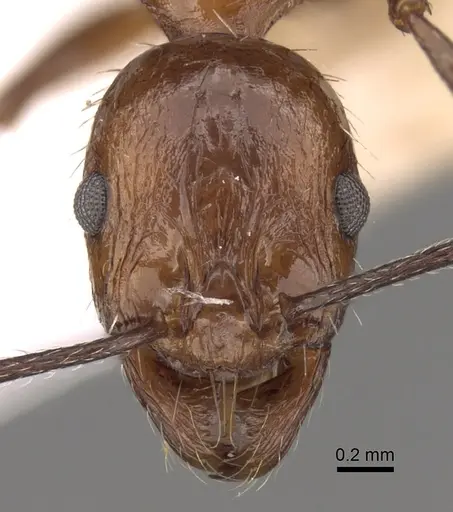
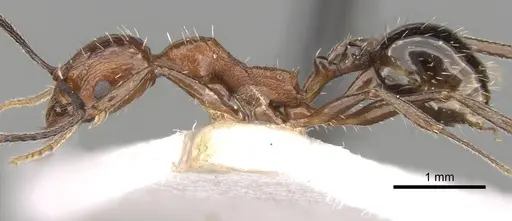
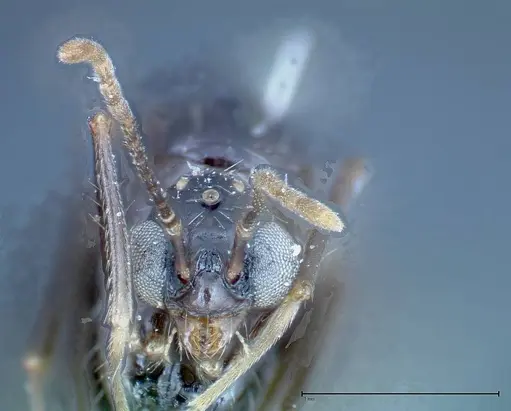
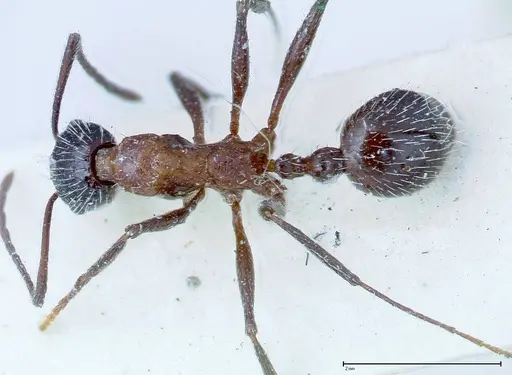
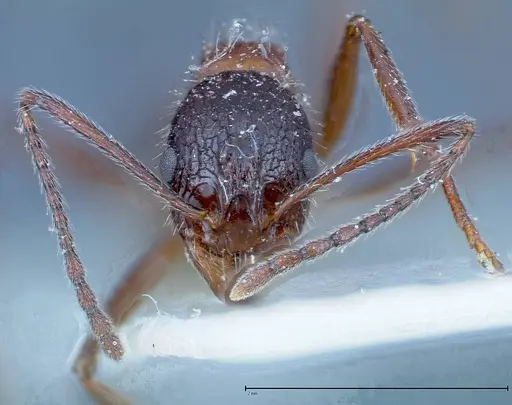
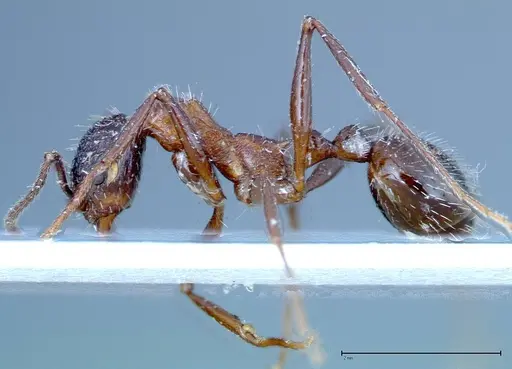
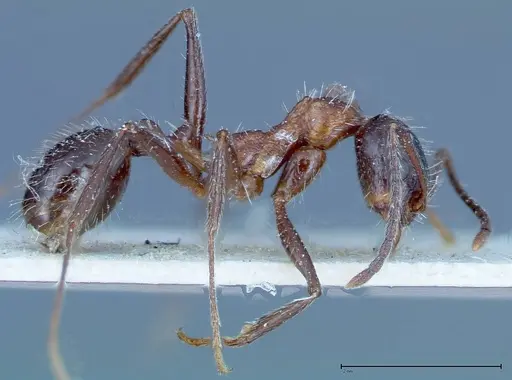
Aphaenogaster tipuna workers are bicolored ants with reddish-brown and dark-brown bodies, distinguished from their close relative Aphaenogaster lepida by their entirely reddish heads [1]. They possess thick, triangular propodeal spines and longitudinal rugae (ridges) on the head [1]. These ants nest in soil, under stones, or in cavities of plant roots [2], and inhabit extratropical temperate regions of East Asia including Taiwan, Japan, and Korea [1][3].
You should be aware that this species was frequently confused with Aphaenogaster lepida in Korean records, with many previous identifications proving to be misidentifications of that similar species [2]. Coming from approximately 30°N latitude, they experience distinct seasonal changes and require a winter rest period [3]. Their temperate origins make them a different keeping challenge from tropical Aphaenogaster species, requiring you to provide proper diapause conditions to maintain healthy colonies.
Quick Summary
- Difficulty: Medium
- Origin & Habitat: East Asia including Taiwan, Japan, and Korea [1][3]. They inhabit extratropical temperate regions at approximately 30°N latitude [3], nesting in soil, under stones, or in cavities of plant roots [2].
- Colony Type: Single-queen colonies are typical for the genus, though specific colony structure for this species remains unconfirmed.
- Colony: Monogyne
- Founding: Claustral
- Size & Growth:
- Queen: Unknown, likely 6-8mm based on typical Aphaenogaster patterns.
- Worker: Unknown, approximately 4-6mm based on typical Aphaenogaster morphology.
- Colony: Unknown, likely several hundred to a few thousand workers based on genus patterns.
- Growth: Moderate
- Development: Unknown, likely 8-12 weeks at 25°C based on related temperate Aphaenogaster species. (This is an estimate based on genus-level patterns, actual timing depends on temperature and colony health.)
- Antkeeping:
- Temperature: Keep at 20-25°C during the active season. As a temperate species from 30°N latitude [3], they require a winter diapause period at 10-15°C for 3-4 months.
- Humidity: Moderate humidity, keep nest substrate damp but not waterlogged, similar to soil found under stones in their natural habitat.
- Diapause: Yes, required for this temperate species [3].
- Nesting: Soil-based nests, Y-tong (autoclaved aerated concrete), or plaster nests with narrow chambers work well. Provide flat stones or cover plates to simulate their natural under-stone nesting habit [2].
- Behavior: Moderately active foragers that scavenge individually rather than using trail recruitment. They are not particularly aggressive and will usually flee rather than fight when disturbed. Workers possess stingers but rarely use them against keepers. They are fast-moving and may attempt to escape if given the opportunity.
- Common Issues: misidentification with Aphaenogaster lepida, verify by checking that the head is entirely reddish (A. lepida has a black head) [1]., overwintering failures if diapause is skipped or kept too warm, this temperate species needs proper winter cooling [3]., desiccation in dry setups, soil-nesting species need consistently damp substrate, not just humid air., slow growth during founding, queens may take several months to raise first workers, requiring patience.
Identification and Similar Species
You can identify Aphaenogaster tipuna by their distinctive bicolored appearance: the body is reddish-brown and dark-brown, but crucially, the head is entirely reddish [1]. This separates them from the very similar Aphaenogaster lepida, which has a black head [1]. Both species occur in East Asia and have been frequently confused, with many Korean records of A. tipuna actually turning out to be A. lepida upon re-examination [2].
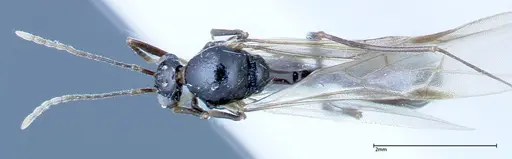
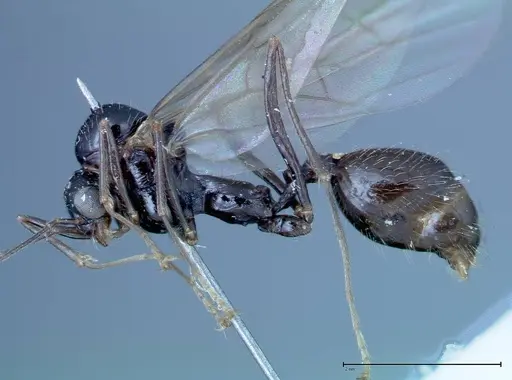
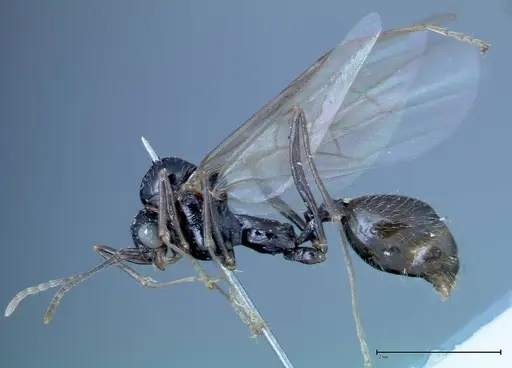
Males are easier to tell apart than workers. In A. tipuna, the mesonotum (the middle section of the thorax) is larger and overhangs the posterior region of the head, while in A. lepida it is smaller and lower [1]. The propodeum (the rear part of the thorax) in A. tipuna is lower and distinctly angular anteriorly, whereas in A. lepida it is higher and essentially flat [1].
When acquiring colonies, ask for clear photos of the head coloration. Freshly collected specimens show the color differences best, pinned or alcohol-preserved specimens may discolor over time, making identification harder [2].
Nest Preferences and Setup
In nature, Aphaenogaster tipuna nests in soil, under stones, or in cavities of plant roots [2]. This means you should provide a nest that mimics these dark, enclosed spaces with moderate humidity.
A Y-tong (autoclaved aerated concrete) nest or plaster nest works well for this species. Keep the chambers relatively small and provide narrow passages, as these are medium-small ants. The nest substrate should feel damp to the touch but not waterlogged, think of the moisture level under a flat stone on a forest floor.
You should place a flat stone or a piece of slate over part of the nest area if using a naturalistic setup. This simulates their preferred under-stone microhabitat and gives the ants a dark, secure place to establish their brood piles. Ensure the stone sits directly on or very close to the substrate surface, as these ants do not build extensive mound structures.
Temperature and Seasonal Care
Aphaenogaster tipuna comes from temperate regions at approximately 30°N latitude, including Taiwan, Japan, and Korea [3][1]. This means they experience distinct seasons and require you to provide a winter diapause (hibernation) period.
During the active season (spring through autumn), keep the colony at 20-25°C. A heating cable placed on one side of the nest can create a gentle gradient, allowing the ants to self-regulate their temperature. Keep the heating element on top of the nest rather than underneath to prevent water from evaporating out of the substrate and causing condensation problems.
For winter care, you must cool the colony to 10-15°C for 3-4 months. You can place them in an unheated room, garage, or refrigerator (in a controlled setup) during this period. Reduce feeding during diapause but ensure the nest does not completely dry out. The colony will slow down dramatically or appear inactive, this is normal and necessary for their long-term health.
Feeding and Diet
While specific dietary studies for Aphaenogaster tipuna are unavailable, related Aphaenogaster species are generalist foragers and seed dispersers. You should offer a varied diet including small insects, sugar sources, and seeds.
Provide small live prey such as fruit flies, springtails, or small cricket pieces. These ants are scavengers in the wild and will readily accept dead insects as well. Offer sugar water or honey water in a test tube setup or small feeding dish, place it in the outworld, not directly in the nest.
Many Aphaenogaster species collect and store seeds (a behavior called myrmecochory), so you can experiment with offering small seeds like chia, millet, or canary seed. Observe whether the workers carry seeds into the nest, if they do, continue providing them as part of the regular diet.
Colony Founding
Founding behavior has not been directly documented for Aphaenogaster tipuna. However, based on typical patterns for the genus Aphaenogaster, queens likely practice claustral founding, meaning the queen seals herself in a chamber and lives entirely on her stored body fat reserves until her first workers hatch.
If you are starting with a single queen, place her in a test tube setup with a water reservoir blocked by cotton. She should not need feeding during the founding stage if she is truly claustral, though you can offer a tiny drop of honey water once she has eggs to supplement her reserves. Disturb her as little as possible, check only once every week or two weeks.
Be patient during this phase. Temperate Aphaenogaster species often take several months to raise their first workers (nanitics), especially if the queen is not mated or if temperatures fluctuate.
Behavior and Temperament
Aphaenogaster tipuna shows moderate activity levels and forages individually rather than forming long recruitment trails. Workers are fast-moving and will scatter when exposed to light, seeking cover under stones or in soil crevices.
They are not highly aggressive ants. When disturbed, they typically attempt to escape or play dead rather than attack. While workers possess stingers (as do all Myrmicinae ants), they are small enough that they cannot penetrate human skin, and they rarely attempt to sting even when handled.
These ants are primarily diurnal (active during the day) in warmer months but will reduce activity during the hottest parts of summer days. During diapause, they remain in the nest and show minimal movement until temperatures rise again in spring.
Frequently Asked Questions
How do I tell Aphaenogaster tipuna apart from Aphaenogaster lepida?
Check the head color. Aphaenogaster tipuna workers have entirely reddish heads, while Aphaenogaster lepida has a black head [1]. This is the most reliable character for live or freshly collected specimens, though preserved specimens may discolor over time [2].
Do Aphaenogaster tipuna need hibernation?
Yes. As a temperate species from approximately 30°N latitude in Taiwan, Japan, and Korea [3], they require a winter diapause period at 10-15°C for 3-4 months to remain healthy.
What is the best nest type for Aphaenogaster tipuna?
Use soil-based, Y-tong, or plaster nests that mimic their natural habit of nesting under stones or in soil [2]. Provide flat stones or cover plates to create dark, secure areas for brood rearing.
How long does Aphaenogaster tipuna take from egg to worker?
The exact timeline is unknown for this species. Based on related temperate Aphaenogaster, expect approximately 8-12 weeks at 25°C, though this varies with temperature and colony maturity.
Can I keep multiple Aphaenogaster tipuna queens together?
This is not recommended. While specific studies are lacking, Aphaenogaster species are typically monogyne (single-queen). Combining unrelated queens usually results in fighting and death.
Are Aphaenogaster tipuna aggressive?
No, they are not particularly aggressive. They prefer to flee or hide when disturbed rather than fight. They possess stingers but rarely use them defensively.
What do Aphaenogaster tipuna eat?
They are generalist foragers. Offer small insects (live or dead), sugar water or honey water, and experiment with small seeds like chia or millet, as many Aphaenogaster species collect seeds.
Are Aphaenogaster tipuna good for beginners?
They are medium difficulty. While not aggressive and fairly hardy, they require proper diapause setup and patience during the slow founding stage. The lack of specific care data also means you must observe your colony carefully and adjust care based on their response.
Where do Aphaenogaster tipuna nest in the wild?
They nest in soil, under stones, or in cavities of plant roots [2]. They prefer dark, enclosed spaces with moderate humidity typical of temperate forest floors.
How big do Aphaenogaster tipuna colonies get?
The maximum colony size is unconfirmed. Based on typical Aphaenogaster patterns, expect several hundred to a few thousand workers at maturity.
Do Aphaenogaster tipuna sting?
Workers have stingers but they are too small to penetrate human skin and rarely attempt to sting. They are not considered dangerous to keepers.
References

This caresheet is licensed under CC BY-SA 4.0 .
Literature
Loading...Loading products...