

Aphaenogaster tibetana
- Scientific Name
- Aphaenogaster tibetana
- Tribe
- Stenammini
- Subfamily
- Myrmicinae
- Author
- Donisthorpe, 1929
- Distribution
- Found in 1 countries
Aphaenogaster tibetana Overview
Aphaenogaster tibetana is an ant species of the genus Aphaenogaster. It is primarily documented in 1 countries , including China. Detailed taxonomic data and occurrence records can be further explored via authoritative databases such as AntWeb or the Global Biodiversity Information Facility (GBIF).
Aphaenogaster tibetana
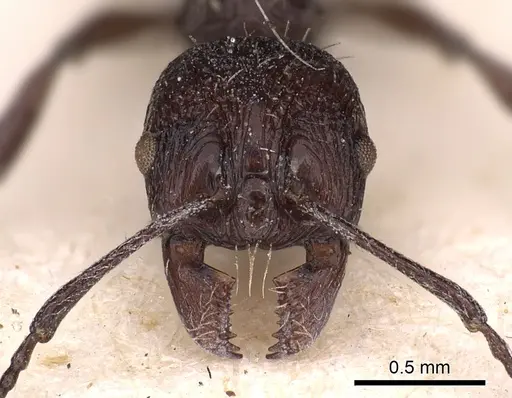
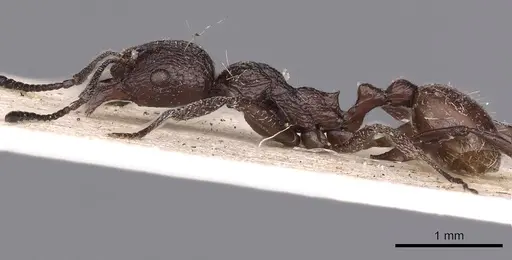
Aphaenogaster tibetana is a small to medium-sized ant native to the high-altitude regions of Tibet, China. Workers are typically light to dark brown with the slender build characteristic of the genus, likely measuring between 3-5 mm based on typical Aphaenogaster proportions [1]. The species was first collected during the 1924 Mount Everest Expedition from elevations reaching 14,500 feet (approximately 4,400 meters), making it one of the higher-altitude ant species documented in the region [1][2].
These ants inhabit the extratropical Palearctic region at a latitude of roughly 29.6°N, placing them in a cold, mountainous environment with significant seasonal variation [2]. While specific behavioral studies are lacking, their extreme elevation suggests strong adaptations to cold, low-oxygen conditions and a definite requirement for winter hibernation (diapause) in captivity. This high-altitude lifestyle makes them a specialized keeping challenge compared to their lowland relatives.
Quick Summary
- Difficulty: Medium
- Origin & Habitat: High-altitude Tibet, China, specifically collected from mountainous regions including Kampa Dzong and the Tasam Rongshar Valley at elevations between 1,200-14,500 feet [1][2].
- Colony Type: Single-queen colonies (monogyne) are typical for the genus, though this has not been specifically confirmed for this species.
- Colony: Monogyne
- Founding: Claustral
- Size & Growth:
- Queen: Approximately 6-8 mm (estimated based on typical Aphaenogaster dimensions).
- Worker: Approximately 3-5 mm (estimated based on genus patterns).
- Colony: Likely under 1,000 workers based on high-altitude Aphaenogaster ecology (estimated).
- Growth: Slow to moderate, high altitude species typically develop slower than tropical relatives.
- Development: 8-12 weeks at 20-22°C (estimated based on related temperate Aphaenogaster species). (Development likely slows significantly during cooler periods. First workers (nanitics) may emerge slightly smaller and faster than subsequent brood.)
- Antkeeping:
- Temperature: Keep at 15-20°C during active season with a slight gradient. They likely prefer cooler conditions than room temperature due to their high-altitude origin [2].
- Humidity: Moderate humidity with a moisture gradient, provide a damp area in the nest and a drier outworld section.
- Diapause: Yes, required. As an extratropical high-altitude species, they need a winter rest period at 5-10°C for 3-4 months [2].
- Nesting: Naturalistic setups with soil and rotting wood fragments, or Y-tong/plaster nests with narrow chambers. They prefer secure, enclosed spaces typical of soil-dwelling Aphaenogaster species.
- Behavior: Moderately active foragers with typical Aphaenogaster curiosity, though specific temperament data is unconfirmed. They are not known for aggressive stinging behavior, but workers may bite if threatened. Escape prevention should be standard for small ants (3-5 mm).
- Common Issues: overheating is a major risk, room temperatures above 25°C may stress this high-altitude species., skipping diapause will likely cause colony failure or reduced queen fertility in subsequent seasons., slow growth rate tests beginner patience, colonies may take years to reach noticeable size., excessive humidity combined with cool temperatures promotes mold growth in the nest., wild-caught queens from high altitudes may carry parasites or pathogens not visible at collection.
Nest Preferences and Setup
In the wild, Aphaenogaster tibetana likely nests in soil, under stones, or in rotting wood at high elevations [1]. For captive colonies, provide a naturalistic setup with a mix of soil and small wood pieces, or use a Y-tong (aerated concrete) nest with narrow chambers that mimic soil tunnels. The nest should offer darkness and security, these are not ants that enjoy open glass tubes long-term. Include a hydration chamber or water tower to maintain moderate humidity without flooding. Because they come from high-altitude regions with thin air, ensure good ventilation while maintaining humidity, stagnant air causes mold, but overly dry conditions will desiccate the colony.
Temperature and Seasonal Care
As an extratropical species from elevations up to 14,500 feet, Aphaenogaster tibetana experiences significant cold [2][1]. Keep active colonies at 15-20°C, which is cooler than typical room temperature. You may need to cool them with a fan or place them in a basement during summer months. Most importantly, you must provide a winter diapause (hibernation) period. Starting in late autumn, gradually lower the temperature over two weeks to 5-10°C and maintain this for 3-4 months. During diapause, keep the nest slightly moist but do not feed. Resume normal temperatures and feeding in early spring. Skipping this rest period will likely result in colony decline or queen death.
Feeding and Diet
Aphaenogaster species are generally omnivorous scavengers. Offer a mix of protein sources (small insects like fruit flies, springtails, or tiny pieces of mealworm) and carbohydrates (sugar water, honey water, or ant nectar). They may also accept seeds, as many Aphaenogaster species collect and store seeds. Feed small amounts twice weekly during the active season, removing uneaten food to prevent mold. During the founding stage (if claustral), the queen will not need food until her first workers arrive, living entirely on her stored body fat. [1]
High Altitude Adaptations
This species survives at elevations where oxygen levels are roughly 40% lower than sea level and temperatures drop well below freezing seasonally [1]. While captive colonies do not need low-oxygen environments, they do require the cool temperatures their biology expects. Their slow metabolism (inferred from high-altitude ecology) means they process food and develop more slowly than tropical ants. Do not attempt to 'speed up' their growth with excessive heat, this will stress them. Instead, embrace their deliberate pace and focus on providing stable, cool conditions year-round.
Behavior and Temperament
Specific behavioral studies of Aphaenogaster tibetana are unavailable, but related Aphaenogaster species show moderate activity levels, curious foraging behavior, and non-aggressive responses to disturbance. Workers may play dead (thanatosis) when threatened. They are not known for forming long foraging trails but instead hunt individually or in small groups. Escape attempts are moderate, while not notorious escape artists like some small species, their 3-5 mm size means you must use fine mesh (stainless steel mesh with holes under 1mm) and secure lids. [1]
Frequently Asked Questions
Can I keep Aphaenogaster tibetana in a test tube setup?
Yes for founding queens, but plan to move them to a soil-based or Y-tong nest once workers arrive. Test tubes work temporarily, but these ants prefer the security of soil-like conditions. Keep the test tube in a dark, cool place (15-18°C) during founding.
How long until first workers for Aphaenogaster tibetana?
Expect 8-12 weeks from egg to first worker at 20-22°C, possibly longer if kept cooler. High-altitude species typically develop slower than lowland ants. If temperatures drop below 18°C, development may pause or slow significantly.
Do Aphaenogaster tibetana need hibernation (diapause)?
Yes, absolutely. As a high-altitude Tibetan species, they require a winter rest period of 3-4 months at 5-10°C. Without diapause, the colony will likely fail within a year or two.
What temperature should I keep my Aphaenogaster tibetana colony?
Keep them cooler than most pet ants, aim for 15-20°C during the active season. Room temperature (22-25°C) is likely too warm for this high-altitude species and may cause stress or shortened lifespans.
Are Aphaenogaster tibetana good for beginners?
Not ideal for absolute beginners due to their specific temperature requirements and mandatory diapause. They are better suited to keepers with some experience managing cool-climate species. Their slow growth also requires patience.
Can I keep multiple Aphaenogaster tibetana queens together?
Not recommended. Aphaenogaster species are typically single-queen (monogyne), and combining queens usually results in fighting and death. Only attempt if you have specific evidence of polygyny for this species, which currently does not exist.
How big do Aphaenogaster tibetana colonies get?
Likely under 1,000 workers based on their high-altitude ecology, though exact maximum colony size is unconfirmed. They grow slowly, so expect modest colony sizes even after several years.
Do Aphaenogaster tibetana ants sting?
They likely do not have a functional stinger that can penetrate human skin. Like most Aphaenogaster, they rely on biting and chemical defenses rather than stinging. They are not considered dangerous to humans.
What do Aphaenogaster tibetana eat?
Offer a varied diet of small insects (fruit flies, springtails, tiny mealworm pieces), sugar water or honey water, and possibly small seeds. They are omnivorous scavengers and will accept most standard ant foods in small portions.
Why are my Aphaenogaster tibetana dying?
Most likely causes are overheating (keep below 22°C), lack of diapause (they need winter cooling), or excessive humidity causing mold. Check that your setup matches their high-altitude, cool climate needs rather than tropical conditions.
References

This caresheet is licensed under CC BY-SA 4.0 .
CASENT0900452
View on AntWeb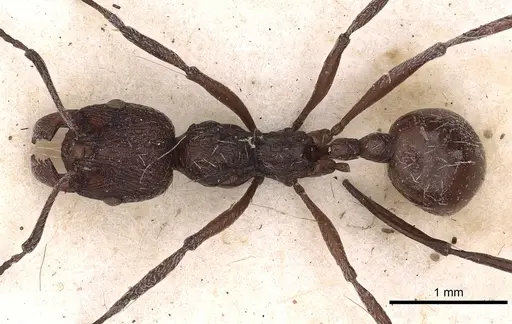
Literature
Loading...Loading products...