

Aphaenogaster syriaca
- Scientific Name
- Aphaenogaster syriaca
- Tribe
- Stenammini
- Subfamily
- Myrmicinae
- Author
- Emery, 1908
- Distribution
- Found in 1 countries
Aphaenogaster syriaca Overview
Aphaenogaster syriaca is an ant species of the genus Aphaenogaster. It is primarily documented in 1 countries , including Cyprus. Detailed taxonomic data and occurrence records can be further explored via authoritative databases such as AntWeb or the Global Biodiversity Information Facility (GBIF).
Aphaenogaster syriaca
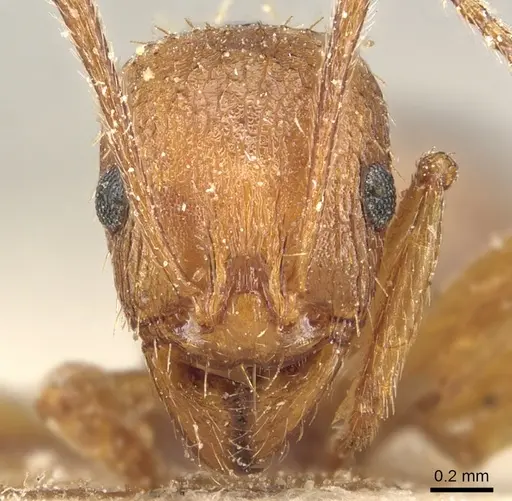
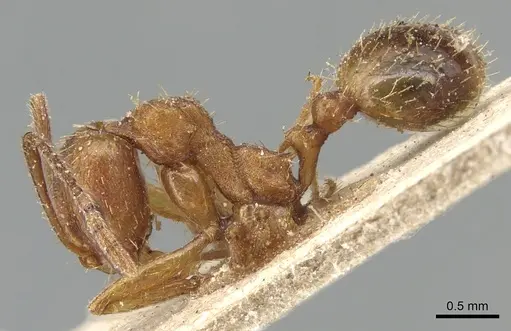
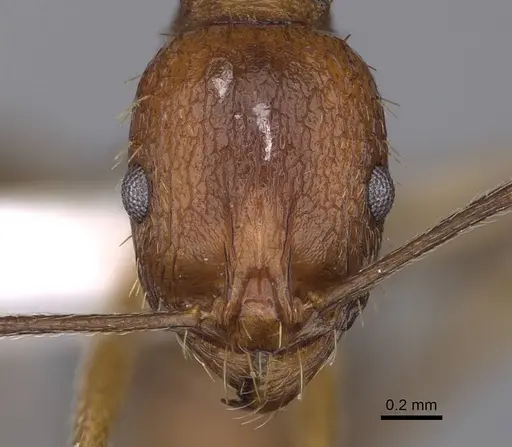
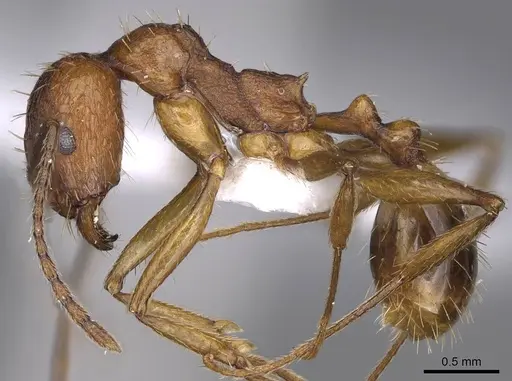
Aphaenogaster syriaca is a small to medium-sized ant with a distinctive appearance: workers are yellow to rusty-yellow with a dark brown band across the rear two-thirds of the abdomen (gaster), while the front third shows a pale yellow to rusty-yellow spot [1]. They have moderately long legs and antennae, and a net-like (reticulate) sculptured pattern on the head [1]. Some colonies produce tiny "microworkers" about half the normal size, with weaker body sculpture and very small spines [1].
These ants live in the eastern Mediterranean region, including Cyprus, Lebanon, Israel, Turkey (Adana Province), and Egypt's Sinai Peninsula [1][2]. They prefer moist, shaded habitats such as coniferous forests (pine and cedar), deep rocky gorges, and areas near rivers [1][3]. In the wild, they likely nest deep inside rock crevices or in soil, making their nests difficult to locate [1].
Quick Summary
- Difficulty: Medium
- Origin & Habitat: Eastern Mediterranean (Cyprus, Lebanon, Israel, Turkey, Sinai Peninsula), found in moist littoral areas, shaded coniferous forests, and rocky gorges near water [1][3][4].
- Colony Type: Unknown, likely single-queen colonies based on genus patterns, but unconfirmed.
- Size & Growth:
- Queen: Unknown (estimated 6-8mm based on typical Aphaenogaster size).
- Worker: 4-5mm, microworkers approximately 2-2.5mm [1].
- Colony: Unknown, 32 foraging workers observed simultaneously in one location [1].
- Growth: Moderate (estimated based on temperate climate).
- Development: Unknown, estimated 6-10 weeks at 25°C based on related temperate Aphaenogaster species. (Development time is unconfirmed for this species. Microworkers may develop faster or represent a separate caste.)
- Antkeeping:
- Temperature: Likely 20-25°C during activity period, Mediterranean climate species that probably requires cooler winter conditions around 10-15°C for diapause [5]. Start at 22-24°C and adjust based on activity levels.
- Humidity: High humidity required, nest substrate should remain consistently damp. In nature they inhabit moist littoral zones and shaded river valleys [3][1].
- Diapause: Likely yes, temperate Mediterranean species at 30°N latitude probably require winter rest [5]. Cool to 10-15°C for 2-3 months.
- Nesting: Rock crevices or soil in moist, shaded locations. In captivity, provide tight chambers with damp substrate and stone hiding places [1].
- Behavior: Moderately active foragers observed on stone walls and rocks in shaded areas [1]. Peaceful temperament typical of the genus, though they can bite. Microworkers present in some colonies [1]. Small size requires excellent escape prevention.
- Common Issues: desiccation risk if kept too dry, they need consistently damp substrate from their moist habitat., tiny microworkers can escape through small gaps, use fine mesh and tight-fitting lids., lack of captive breeding data means care requirements involve some guesswork., likely require diapause, colonies may fail if kept warm year-round., nesting behavior involves hiding in tight spaces, making observation difficult.
Nest Preferences
In nature, Aphaenogaster syriaca nests in hidden locations. On Cyprus, researchers observed foragers on stone walls in shaded coniferous forests and on rocks in deep gorges, but the actual nests remained hidden deep within rock crevices [1]. In Iran, they were found in moist littoral soil [3]. This suggests they prefer tight, secure spaces in consistently damp environments.
For captive care, provide a nest with small, tight chambers rather than open spaces. A naturalistic setup with flat stones, or a Y-tong (AAC) nest with narrow tunnels, works well. Keep the substrate damp but not waterlogged, think forest floor near a stream, not swamp. They will likely block off chambers or dig into the substrate to create their preferred microhabitat.
Temperature and Seasonal Care
This species inhabits the Mediterranean region at approximately 30°N latitude, placing it in a temperate climate with distinct seasons [5]. While specific temperature tolerances are unstudied, related Aphaenogaster from similar climates thrive at 20-25°C during the active season.
You will likely need to provide a winter diapause (rest period). Cool the colony gradually to 10-15°C for 2-3 months, maintaining damp substrate to prevent desiccation during the cool period. Do not let them freeze. In spring, warm them gradually back to 20-25°C. Watch for increased brood production as temperatures rise.
Feeding and Diet
While specific dietary studies are lacking, Aphaenogaster species are generally opportunistic predators and scavengers. They collect dead insects and small prey, and likely tend aphids for honeydew like their relatives.
Offer small live prey such as fruit flies, springtails, or tiny crickets, along with pre-killed insects. Provide sugar water or honey water in a test tube setup or small feeding dish. Because they forage on stone walls and open ground in nature [1], they will readily explore foraging areas in captivity. Remove uneaten protein within 24 hours to prevent mold in their humid nest.
Behavior and Temperament
These ants show moderate activity levels, with workers traveling along stone walls and rocks to forage [1]. They are not typically aggressive but can bite if threatened. The presence of "microworkers", tiny workers about half the normal size with reduced spines, suggests some division of labor or polymorphism within the colony [1].
Because workers are small (4-5mm) and microworkers even smaller (around 2mm), escape prevention is critical. Use fine mesh ventilation (steel or fiberglass, not nylon which they can chew) and apply Fluon or petroleum jelly barriers to outworld walls. Check lid seals regularly, as these ants can squeeze through surprisingly small gaps.
Frequently Asked Questions
Can I keep Aphaenogaster syriaca in a test tube?
Yes, a standard test tube setup with damp cotton works for founding, though the queen's founding behavior is unconfirmed. Provide a dark, quiet space and do not disturb frequently.
How long until Aphaenogaster syriaca gets their first workers?
The egg-to-worker timeline is unknown for this species. Based on related temperate Aphaenogaster, expect approximately 6-10 weeks at 25°C, though this is an estimate.
Do Aphaenogaster syriaca need hibernation?
Likely yes. As a temperate Mediterranean species, they probably require a winter diapause at 10-15°C for 2-3 months. Without this cool period, the colony may fail to thrive long-term.
What do Aphaenogaster syriaca eat?
They are likely generalist predators and scavengers. Feed small live prey like fruit flies and springtails, pre-killed insects, and sugar water or honey water.
Are Aphaenogaster syriaca good for beginners?
Not recommended for beginners. Limited captive data exists, and their specific humidity and likely diapause requirements make them better suited to keepers with some experience.
Can I keep multiple Aphaenogaster syriaca queens together?
Not recommended. While the natural colony structure is unknown, combining unrelated queens has not been documented and likely leads to fighting.
How big do Aphaenogaster syriaca colonies get?
Unknown. At least 32 workers were observed foraging simultaneously in one location, but maximum colony size in the wild remains undocumented.
Why are my Aphaenogaster syriaca dying?
Common causes include keeping them too dry (they need damp substrate), lack of diapause if kept warm year-round, or desiccation during founding. Ensure high humidity and seasonal temperature drops.
References

This caresheet is licensed under CC BY-SA 4.0 .
CASENT0904176
View on AntWeb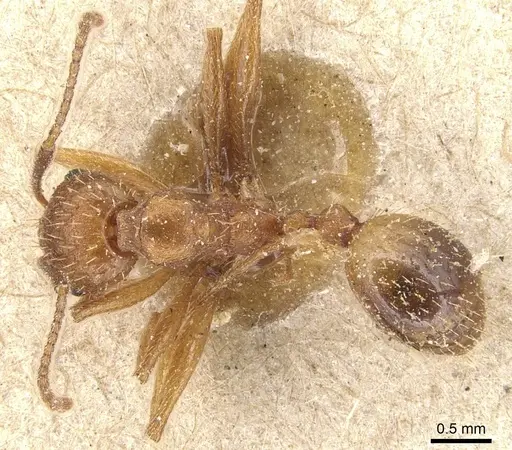
CASENT0914229
View on AntWeb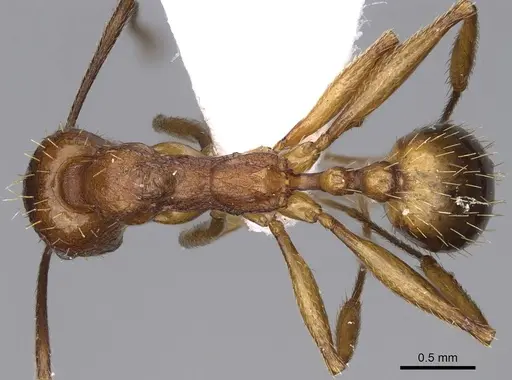
Literature
Loading...Loading products...