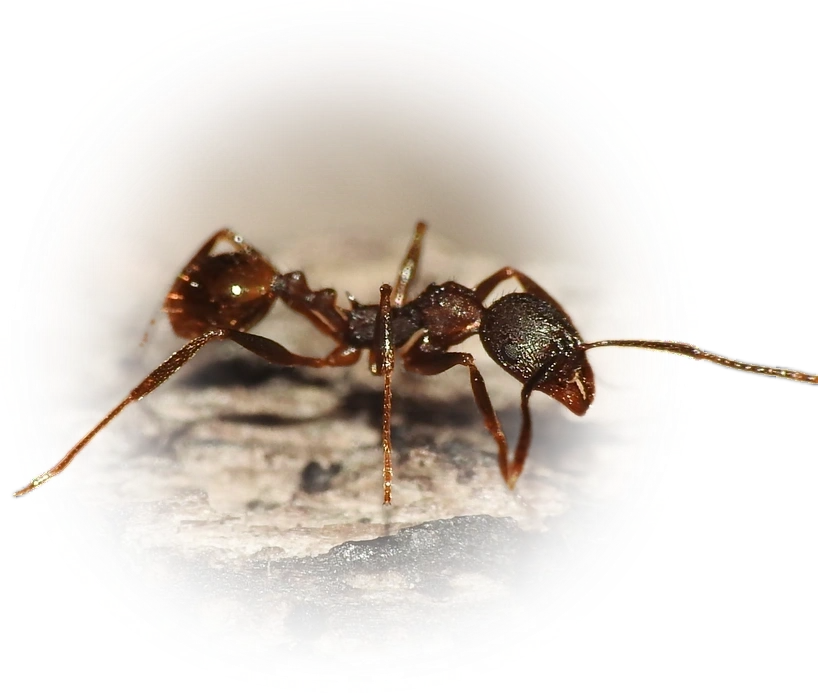
Aphaenogaster subterranea - "None"
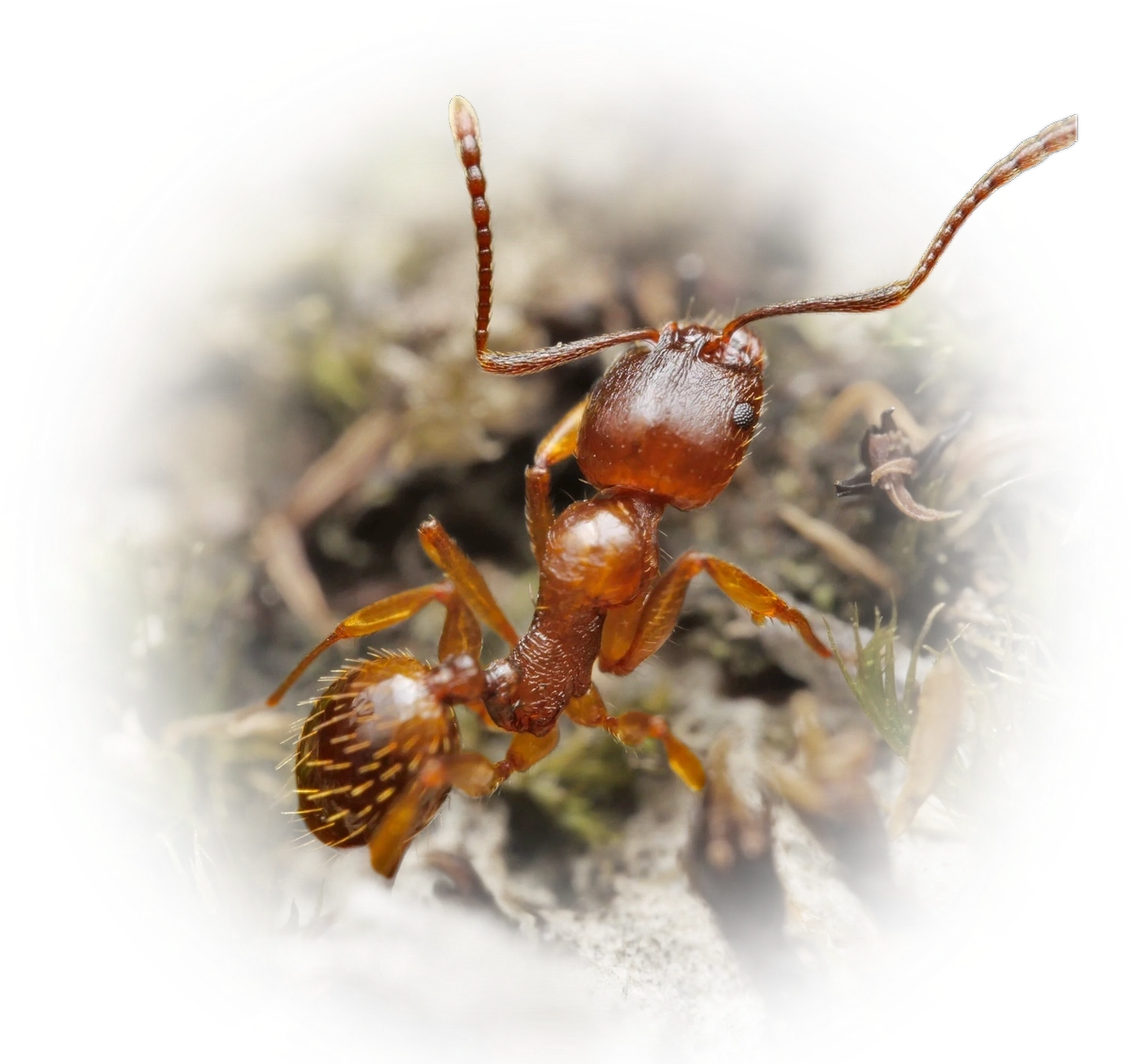
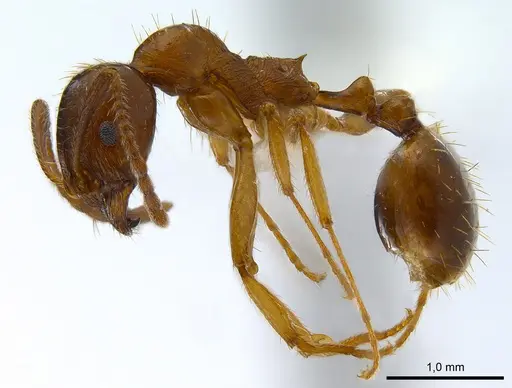
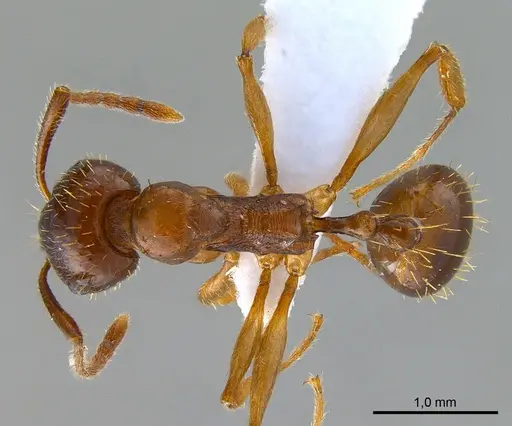
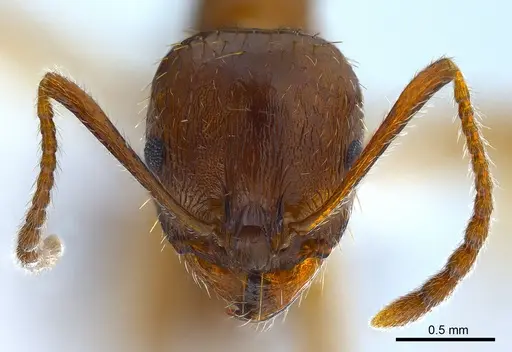
Aphaenogaster subterranea are slender, amber-brown ants, with queens measuring 7-8mm and workers 3-5mm. They have a distinctive posture, often holding their abdomen. This species is known for its interesting behavior of using tools to transport liquid food, such as soaking up honey with small debris or bits of wood to carry it back to the nest. They are a ground-nesting species, typically found in shady, humid forest habitats, often under stones. While they are not overly aggressive, workers will defend their nest if disturbed.
- Difficulty: Easy
- Origin & Habitat: Southern Europe, Asia Minor, Caucasus, and parts of central Europe, including southern Russia. in Prefers xerothermic (dry, warm) but moist wood edges and hedgerows. They are commonly found in deciduous and coniferous forests, often nesting under stones in shady, humid areas. They can also be found near water sources and occasionally in olive plantations or mountain pastures with shrubs and rocks..
- Colony Type: Monogyne (single queen), though multiple queens may initially cooperate during founding., claustral (queen seals herself in and doesn't forage during founding). founding.
- Size & Growth:
- Queen: 7-8mm
- Worker: 3-5mm
- Colony: Medium (up to a few thousand individuals).. Slow initially, with around 30-40 workers in the first year, reaching several hundred by the second year. growth.
- Antkeeping:
- Temperature: Nest temperature should be between 21-27°C, with an outworld temperature of 18-28°C. They generally thrive at moderate temperatures and may not require additional heating if room temperature is around 21-22°C..
- Humidity: Nest humidity should be 50-70%, and outworld humidity 30-50%. They prefer medium to high humidity in their nest..
- Diapause: Required. 2-5 months at 5-15°C.
- Nesting: They prefer nests that mimic their natural underground and rotten wood habitats. Suitable options include soil-based setups, Ytong/plaster nests, acrylic formicariums, or nests with tubes..
- Behavior: Low (towards handler) aggressiveness.
- Common Issues: Humidity fluctuations, Colony stalling.
Aphaenogaster subterranea are captivating ants, known for their unique tool-using abilities. They frequently use small bits of debris, like soil particles or pieces of wood, to soak up liquid foods. This ingenious foraging strategy allows them to transport more nourishment back to their colony, which is a fascinating behavior to observe in your formicarium. Keep an eye out for this clever adaptation during feeding times; it's a true highlight for any antkeeper.
While these ants are generally calm, they will defend their brood and nest if they feel threatened. Their foraging is often quite discreet, with fewer workers visible on the surface compared to some other species, as they tend to stay close to the nest entrance or within the leaf litter. Providing a varied diet of insects, sugar water, and even some oily seeds will ensure your Aphaenogaster subterranea colony thrives. They are quite adaptable in their diet, making feeding them relatively straightforward for antkeepers of all levels.
For new antkeepers, Aphaenogaster subterranea is considered an easy species to keep, making them a great choice if you're looking for a relatively low-maintenance colony. They reproduce slowly at first, so patience is key in the initial stages of colony growth. Expect modest numbers in the first year, but they will gradually build into a healthy, several-hundred-strong colony over time. Their moderate temperature and humidity requirements are also manageable for most home setups.
This species is particularly sensitive to climatic fluctuations within their nest, so maintaining stable temperature and humidity levels is crucial for their well-being. While they prefer a humid nest environment, they are also adaptable to temporary dry spells. Ensuring proper ventilation and a reliable water source within the nest setup will help prevent common issues like mold and provide a comfortable habitat for your colony.
User blogs will be displayed here.