

Aphaenogaster splendida
- Scientific Name
- Aphaenogaster splendida
- Tribe
- Stenammini
- Subfamily
- Myrmicinae
- Author
- Roger, 1859
- Distribution
- Found in 9 countries
Aphaenogaster splendida Overview
Aphaenogaster splendida is an ant species of the genus Aphaenogaster. It is primarily documented in 9 countries , including Algeria, Spain, France. Detailed taxonomic data and occurrence records can be further explored via authoritative databases such as AntWeb or the Global Biodiversity Information Facility (GBIF).
Aphaenogaster splendida
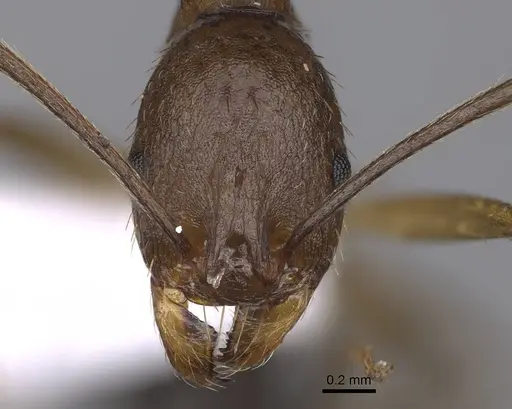
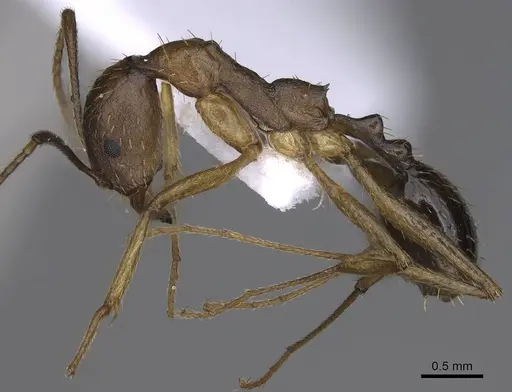
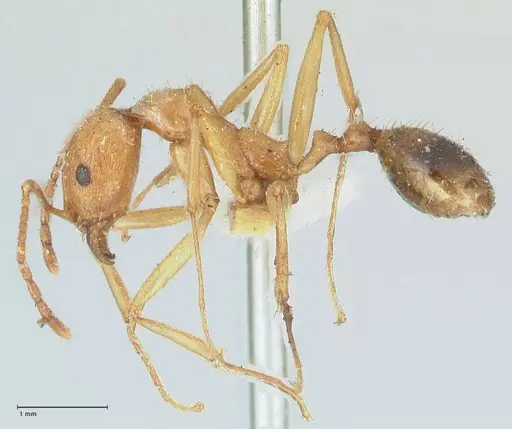
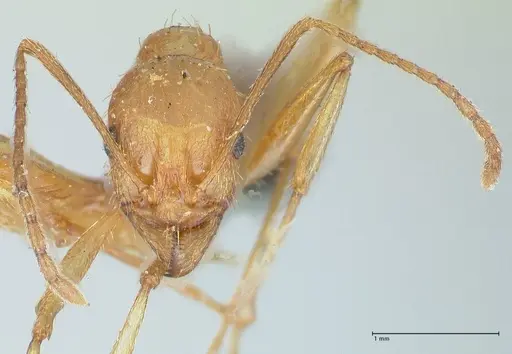
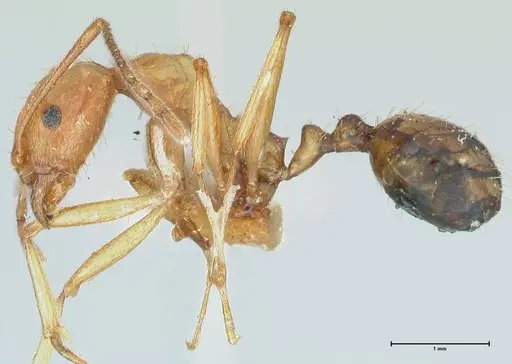
Aphaenogaster splendida is a small, pale yellow ant with a slender build and long antennae. Workers measure roughly 4 to 5 millimeters in length, while queens reach about 6 millimeters [1][2]. The species stands out within its genus for its bright yellow coloration, almost the entire body is yellow, with only the rear portion of the abdomen showing a brownish tint [1]. Across much of its Mediterranean range, this ant shows a peculiar preference for human-modified habitats, in Italy, Malta and Greece, you will find colonies almost exclusively on stone walls in tourist areas and rural settlements, often near beaches, rather than in natural woodlands [1][3]. Their true natural habitat appears to be damp, shaded rocky environments such as gorge walls near streams, as observed in Cyprus and Syria [1].
Quick Summary
- Difficulty: Medium to Hard
- Origin & Habitat: Mediterranean region including Italy, Greece, Cyprus, Israel and Syria, found in damp rocky crevices, shaded walls, and urban stone structures [1][4]
- Colony Type: Unknown, likely single-queen based on genus patterns but unconfirmed
- Size & Growth:
- Antkeeping:
- Temperature: Keep at 22-26°C with a gentle gradient, Mediterranean origin suggests warmth preference but exact needs unconfirmed
- Humidity: Keep nest material damp to moist, found in damp walls and near streams [1][6]
- Diapause: Likely yes, temperate Mediterranean species probably require winter rest at 10-15°C, though timing is unconfirmed
- Nesting: Provide tight, humid cavities mimicking rock crevices or wall voids, Y-tong or plaster nests with small chambers work well [1][7]
- Behavior: Nocturnal and subterranean, workers forage at night and prefer shaded, damp microhabitats [7]. Small size requires excellent escape prevention.
- Common Issues: desiccation kills colonies quickly, you must keep the nest material damp, not just the air humid, tiny size means they escape through gaps that larger ants cannot, nocturnal habits make them less active during daytime observation, poorly documented biology means care requirements involve uncertainty
Natural History and Habitat
You will find Aphaenogaster splendida in two distinct settings across its range. In Italy, Malta and Greece, this ant lives almost exclusively in human-modified areas, specifically on stone walls in tourist resorts, rural villages, and beaches [1][3]. Researchers rarely collect them in natural woodlands in these regions, suggesting they may have arrived via human transport in historical times [1]. However, in Cyprus and Syria, they occupy damp rocky gorges and stream banks, hiding under stones in shaded, moist microhabitats [1][6]. This contrast suggests you should replicate damp, shaded conditions with access to vertical stone or plaster surfaces. The species shows a preference for cooler, humid microclimates even within warm Mediterranean regions, often choosing north-facing walls or deep rock crevices [7][6].
Nest Design and Humidity
You need to provide tight, humid hiding places that mimic the rock crevices and wall voids they prefer in nature [1][7]. Use a Y-tong or plaster nest with small chambers, and keep the material damp but not waterlogged. Place the nest in a shaded area of the outworld, bright light stresses these ants. Because they are small, use fine mesh or Fluon barriers to prevent escapes, they can squeeze through surprisingly small gaps. Ensure the nest has both a humid zone and a slightly drier area so the ants can regulate their own moisture needs. You should check the nest material weekly and rehydrate when the surface begins to dry.
Feeding and Diet
While specific dietary studies are lacking, researchers observed these ants in citrus orchards tending mealybugs (Nipaecoccus viridis), suggesting they collect honeydew [2]. You should offer sugar water or honey water, plus small insect prey such as fruit flies or tiny pieces of mealworm. Remove uneaten protein quickly to prevent mold in the humid conditions they require. They likely also scavenge dead insects in nature. Because they are nocturnal, place food in the evening and check for removal in the morning.
Temperature and Seasonal Care
As a Mediterranean species, they likely prefer warm conditions around 22-26°C [4]. You should provide a heating cable on one side of the nest to create a gradient, allowing the ants to choose their preferred temperature. They probably need winter rest (hibernation) at 10-15°C for several months, typical for temperate Mediterranean ants, though exact timing is unconfirmed. Watch for reduced activity in winter as a cue to cool them down. Do not let them overheat in summer, their preference for damp, shaded habitats suggests they are sensitive to dry heat.
Behavior and Activity
These ants are strictly nocturnal. Workers forage at night and stay hidden in soil or wall crevices during the day [7]. You will see little activity during daylight hours, so observe them with red light or in the evening. Their subterranean habits mean they are not aggressive display ants, they prefer to hide when disturbed. When you open the nest, workers will likely freeze or retreat into the smallest crevices rather than attack. This makes them peaceful but challenging to observe.
Frequently Asked Questions
How long does Aphaenogaster splendida take from egg to worker?
The egg-to-worker timeline is unknown for this species. Based on typical Aphaenogaster development patterns, you can expect roughly 8 to 12 weeks at 25°C, but this is an estimate only.
Can I keep multiple Aphaenogaster splendida queens together?
Combining multiple queens is not recommended. The colony structure is unknown, and unrelated queens may fight. Start with a single queen.
Do Aphaenogaster splendida ants need hibernation?
They likely need winter rest at 10-15°C for several months, as they come from temperate Mediterranean regions, though exact requirements are unconfirmed.
What do Aphaenogaster splendida eat?
They likely eat honeydew from sap-sucking insects and small prey. Offer sugar water and tiny insects like fruit flies or small mealworm pieces.
Are Aphaenogaster splendida good for beginners?
No. Their poorly documented biology, specific humidity needs, and nocturnal habits make them better suited for experienced keepers.
How big do Aphaenogaster splendida colonies get?
Colony size is unknown. Based on similar Aphaenogaster species, they may reach several hundred workers, but this is speculative.
Do Aphaenogaster splendida ants sting?
They probably cannot sting humans effectively due to their small size and genus characteristics, but this is unconfirmed.
References

This caresheet is licensed under CC BY-SA 4.0 .
CASENT0280965
View on AntWeb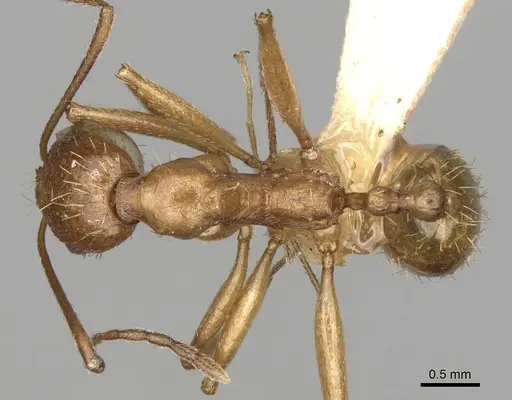
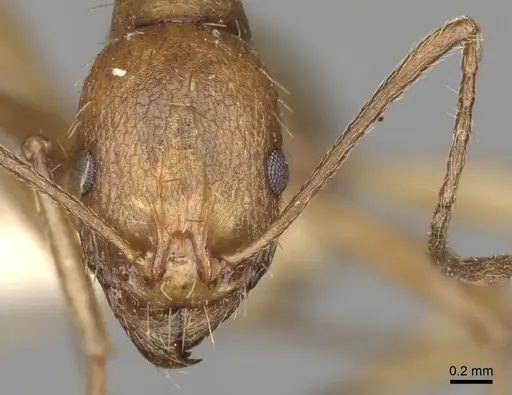
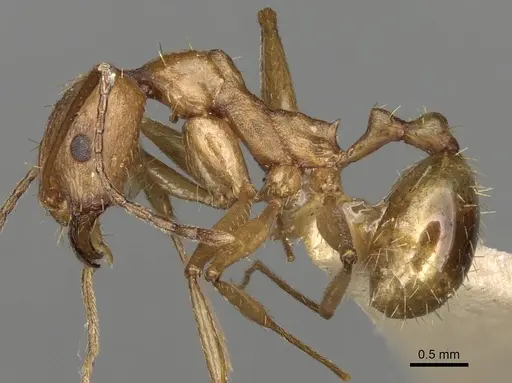
CASENT0914231
View on AntWeb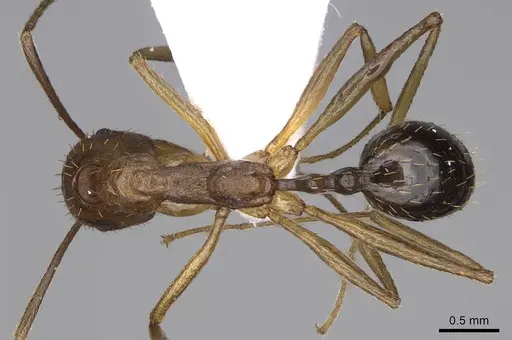
FOCOL1224
View on AntWeb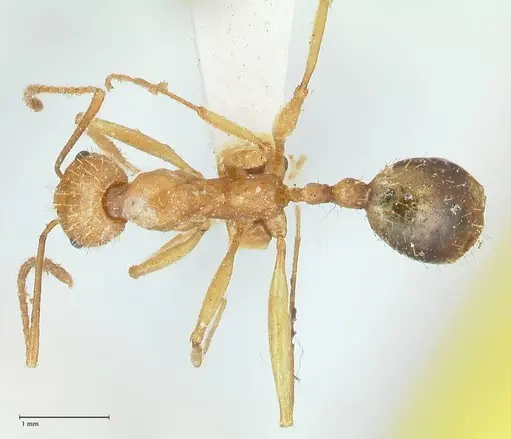
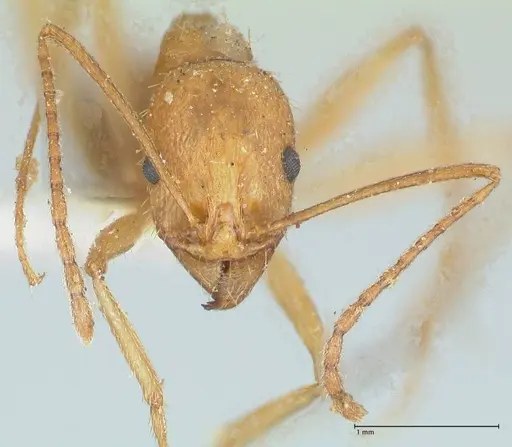
FOCOL1225
View on AntWeb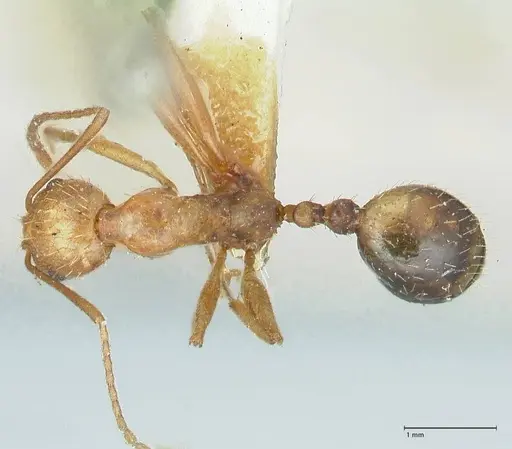
Literature
Loading...Loading products...