

Aphaenogaster sicardi
- Scientific Name
- Aphaenogaster sicardi
- Tribe
- Stenammini
- Subfamily
- Myrmicinae
- Author
- Cagniant, 1990
- Distribution
- Found in 1 countries
Aphaenogaster sicardi Overview
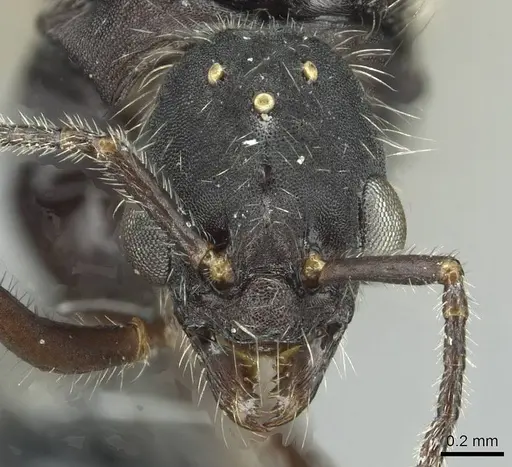
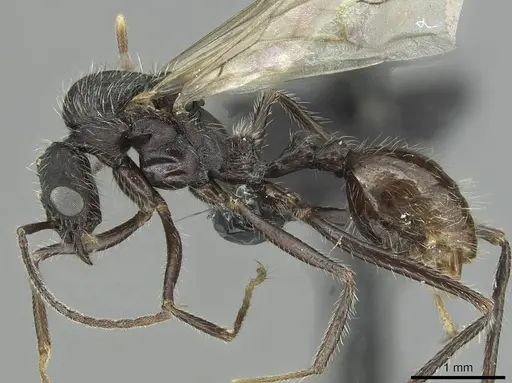
Aphaenogaster sicardi is an ant species of the genus Aphaenogaster. It is primarily documented in 1 countries , including Morocco. Detailed taxonomic data and occurrence records can be further explored via authoritative databases such as AntWeb or the Global Biodiversity Information Facility (GBIF).
Aphaenogaster sicardi
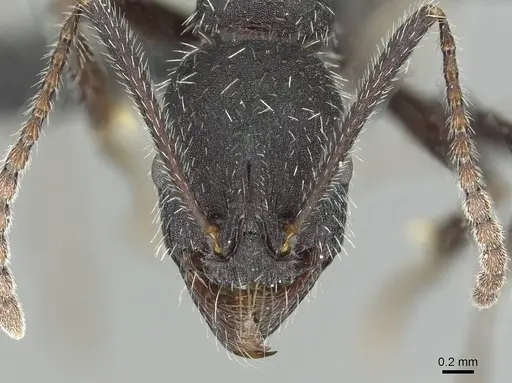
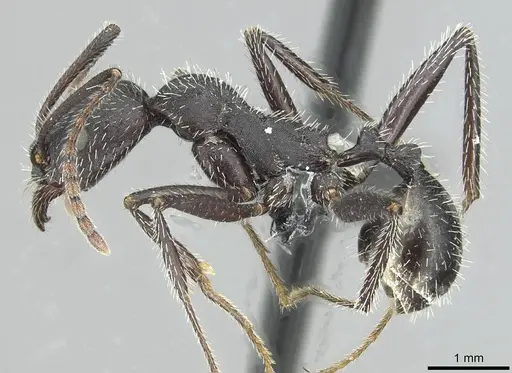
Aphaenogaster sicardi is a small to medium-sized ant found only in the cedar forests of Morocco's Middle Atlas mountains. Workers likely measure 4-6mm with queens reaching 7-9mm, showing the slender bodies and long legs typical of this genus. The species was first described from Jebel Bou Iblane at elevations of 1975-2100m, where it lives in the cedar forest (cédraie) understory [1][2]. Because they come from high-altitude mountains at 32°N latitude, these ants experience cold winters and hot summers in the wild. This means you will likely need to provide a winter rest period (diapause) when keeping them in captivity [3].
Quick Summary
- Difficulty: Medium
- Origin & Habitat: Endemic to the Middle Atlas mountains of Morocco, specifically recorded from cedar forests (cédraie) of Jebel Bou Iblane at 1975-2100m elevation [1][2]. The region experiences a continental mountain climate with cold winters and mild summers.
- Colony Type: Likely single-queen (monogyne) based on typical Aphaenogaster patterns, though specific colony structure studies are lacking.
- Size & Growth:
- Queen: Likely 7-9mm based on typical Aphaenogaster morphology.
- Worker: Likely 4-6mm based on typical Aphaenogaster morphology.
- Colony: Likely up to 500-1000 workers based on genus patterns.
- Growth: Moderate
- Development: Unknown, likely 8-12 weeks at 25°C based on related Aphaenogaster species. (High-altitude species may develop slower at cooler temperatures.)
- Antkeeping:
- Temperature: Keep at 20-25°C during the active season. Being from 2000m elevation, they likely need a winter rest (diapause) at 5-10°C for 3-4 months.
- Humidity: Moderate to high. Keep the nest soil moist but not waterlogged, similar to the damp cedar forest floor they inhabit.
- Diapause: Likely required, being from high-altitude cedar forests at 1975-2100m, they naturally experience cold winters [1][3].
- Nesting: In nature they likely live under stones or in soil within cedar forests. In captivity, Y-tong (AAC), plaster, or naturalistic soil setups work well.
- Behavior: Generally calm and slow-moving typical of Aphaenogaster. They are poor climbers compared to many ants, making escape prevention easier. They are not aggressive and rarely use their stings.
- Common Issues: high-altitude origin means they require cooler winter conditions, failure to provide diapause may cause colony decline or death., slow growth rate requires patience, colonies develop gradually compared to fast-growing tropical species., wild-caught colonies from cedar forests may carry mites or parasites that become problematic in captivity., substrate moisture must be monitored carefully, too dry causes desiccation, too wet promotes mold in the nest.
Natural History and Distribution
Aphaenogaster sicardi is found only in Morocco's Middle Atlas mountains, specifically in the cedar forests of Jebel Bou Iblane [1]. The type specimens were collected at elevations between 1975m and 2100m, making this a true mountain species [2]. At 32°N latitude and high elevation, these ants live in an extratropical climate with distinct seasons including cold winters [3]. The cedar forest (cédraie) habitat provides damp, shaded conditions with plenty of leaf litter and rotting wood for nesting. This specific high-altitude origin is crucial for keepers to understand, as it directly affects their temperature and seasonal care needs in captivity.
Nest Preferences and Setup
In the wild, Aphaenogaster sicardi likely nests under flat stones or in decaying wood within the cedar forest floor. For captive colonies, you have several good options. Y-tong (autoclaved aerated concrete) nests work well because they hold moisture while providing the darkness and tight spaces these ants prefer. Plaster nests are another solid choice, allowing you to maintain consistent humidity. Naturalistic setups with a soil mix and flat stones can also work beautifully, replicating their cedar forest home. Whatever you choose, ensure the chambers are not too large, Aphaenogaster like cozy spaces. Provide a humidity gradient with one side slightly damper than the other, letting the ants choose their preferred spot.
Temperature and Seasonal Care
During the active season (roughly spring through autumn), keep your colony at 20-25°C. You can achieve this with a heating cable or mat placed on one side of the nest to create a gentle gradient. However, the most critical aspect of caring for this species is the winter rest period. Because they come from 2000m elevation in the Middle Atlas, they naturally experience cold winters with temperatures dropping well below 10°C. You should cool your colony to 5-10°C for 3-4 months during winter. This diapause (winter rest) allows the colony to rest and is likely essential for their long-term health and proper brood development cycles. Do not let them freeze, but do provide this cool period. [1][3]
Feeding and Diet
Aphaenogaster are generalist foragers. In their cedar forest home, they likely collect seeds, scavenge dead insects, and tend aphids for honeydew. In captivity, offer a varied diet. Provide small seeds (millet, chia, or canary seed work well) as they enjoy seed harvesting. For protein, feed small dead insects like fruit flies, pinhead crickets, or pieces of mealworm. They also appreciate sugar sources, offer honey water or sugar water in a test tube setup or small dish. Feed protein twice weekly and keep sugar water available constantly. Remove uneaten food promptly to prevent mold in the humid nest environment.
Colony Founding
Founding behavior has not been directly observed for this specific species. However, based on typical Aphaenogaster patterns, queens likely found colonies alone (claustral founding). This means the queen seals herself in a chamber and lives entirely on her stored body fat until her first workers hatch. She does not leave to forage during this time. When starting a new colony, place your queen in a standard test tube setup with a water reservoir and cotton plug. Keep her in the dark and undisturbed at 20-25°C. If she follows the typical Aphaenogaster pattern, you can expect first workers in roughly 8-12 weeks, though this timeline is unconfirmed for this specific species.
Frequently Asked Questions
Can I keep Aphaenogaster sicardi in a test tube?
Yes, a standard test tube setup works perfectly for founding colonies. Use a water reservoir blocked with cotton to provide humidity, and keep the tube in a dark, warm place around 20-25°C during the founding phase.
Do Aphaenogaster sicardi need hibernation?
Yes, they likely do. Being from high-altitude cedar forests at 1975-2100m in Morocco, they naturally experience cold winters. You should provide a diapause (winter rest) period at 5-10°C for 3-4 months each year.
How long until first workers for Aphaenogaster sicardi?
The exact timeline is unknown for this species. Based on related Aphaenogaster species, expect roughly 8-12 weeks from egg to worker at 25°C, though high-altitude species may develop more slowly.
What do Aphaenogaster sicardi eat?
They are generalist omnivores. Offer small seeds (millet, chia), dead insects (fruit flies, mealworm pieces), and sugar water or honey water. They enjoy both protein and carbohydrates.
Are Aphaenogaster sicardi good for beginners?
They are moderately suitable. While Aphaenogaster species are generally calm and easy to handle, this specific species requires careful attention to diapause (winter cooling) due to their high-altitude origin. Beginners should be prepared to provide the cold winter rest period.
How big do Aphaenogaster sicardi colonies get?
Specific colony size is unstudied, but based on typical Aphaenogaster patterns, expect colonies to reach several hundred to possibly 1000 workers over several years.
Can I keep multiple Aphaenogaster sicardi queens together?
Not recommended. They are likely single-queen species (monogyne). Combining multiple queens usually leads to fighting and death until only one remains.
Do Aphaenogaster sicardi ants sting?
They do have stings, but they are not aggressive and rarely use them against humans. The sting is not medically significant and causes only minor discomfort if used.
References

This caresheet is licensed under CC BY-SA 4.0 .
CASENT0913793
View on AntWeb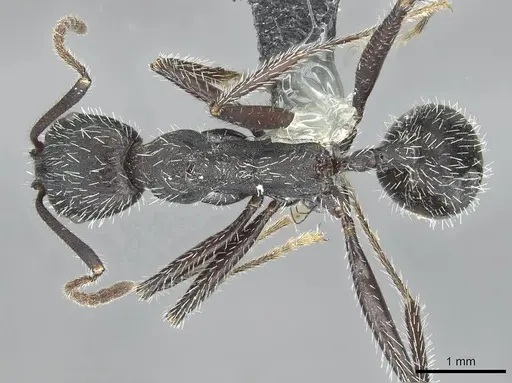
CASENT0913794
View on AntWeb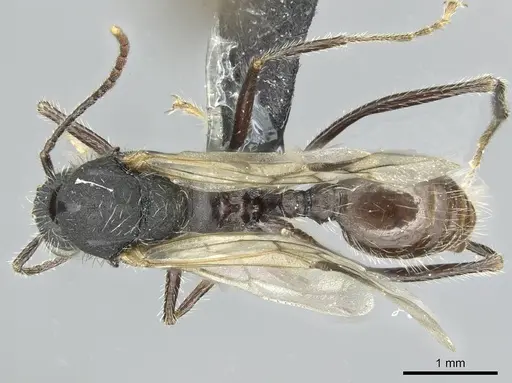
Literature
Loading...Loading products...