

Aphaenogaster sagei
- Scientific Name
- Aphaenogaster sagei
- Tribe
- Stenammini
- Subfamily
- Myrmicinae
- Author
- Forel, 1902
- Distribution
- Found in 1 countries
Aphaenogaster sagei Overview
Aphaenogaster sagei is an ant species of the genus Aphaenogaster. It is primarily documented in 1 countries , including India. Detailed taxonomic data and occurrence records can be further explored via authoritative databases such as AntWeb or the Global Biodiversity Information Facility (GBIF).
Aphaenogaster sagei
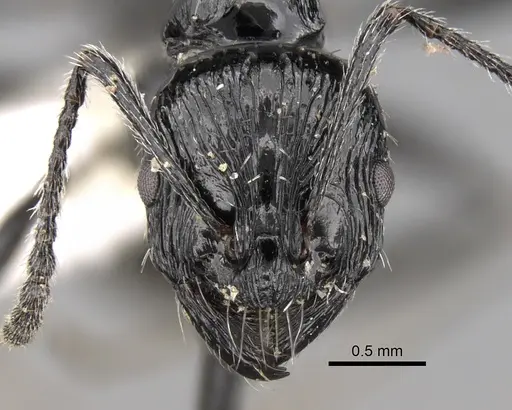
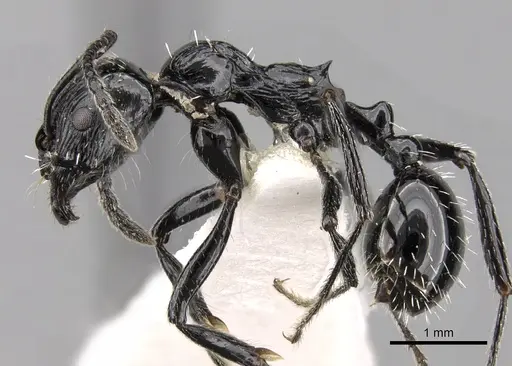
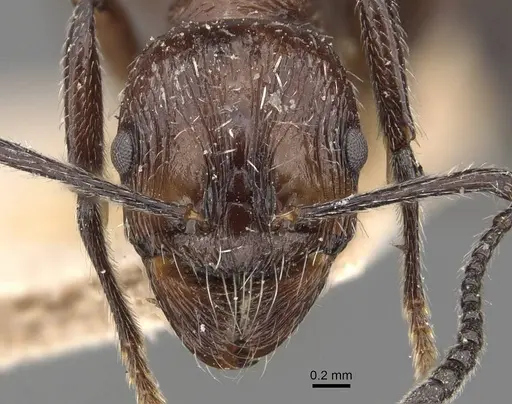
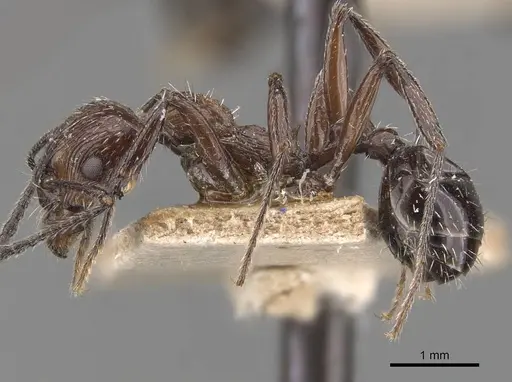
Aphaenogaster sagei is a sleek, shiny black ant from the Himalayan mountains. Workers measure 5-6mm with distinctive spines on their rear thorax and lighter colored legs [1]. They inhabit high-altitude regions across northern India, Pakistan, and Tibet, having been found everywhere from 500 meters up to 3400 meters above sea level [2][3]. These ants belong to the "opportunist" functional group, meaning they are adaptable generalists that forage widely for whatever food they can find [3]. In the wild, they live under stones and in rock crevices in mountain forests, dealing with cool summers and cold winters across their extratropical range [4].
Quick Summary
- Difficulty: Medium
- Origin & Habitat: Himalayan region including northern India (Himachal Pradesh, Jammu & Kashmir, Meghalaya, Uttarakhand), Pakistan (Gilgit-Baltistan, Kaghan valley), and Tibet [5][6][1]. Found at elevations from 500-3400 meters in mountainous forests and rocky areas [2][3].
- Colony Type: Unconfirmed, likely single-queen based on typical Aphaenogaster patterns.
- Size & Growth:
- Queen: 6 mm [1]
- Worker: 5-6 mm [1]
- Colony: Unknown, likely moderate (several hundred workers) based on genus patterns.
- Growth: Moderate (estimated)
- Development: 10-14 weeks at 20°C (estimated based on related temperate species) (Development likely slows at cooler temperatures typical of their high-altitude habitat.)
- Antkeeping:
- Temperature: 18-22°C during active season (March-October), with winter hibernation at 5-10°C. Start at 20°C and adjust based on colony activity.
- Humidity: Moderate to high, nest substrate should feel damp but not waterlogged.
- Diapause: Yes, required for 3-4 months at 5-10°C.
- Nesting: In nature they nest under stones and in rock crevices. In captivity, use Y-tong (AAC) or plaster nests with moderate humidity and stone hides.
- Behavior: Opportunistic foragers that adapt to available food sources [3]. Generally calm but active. At 5-6mm they can squeeze through small gaps, so use fine mesh and tight-fitting lids.
- Common Issues: colonies may fail if kept too warm year-round without hibernation., high altitude species may be sensitive to dry conditions., escape through small gaps due to 5-6mm size., slow growth at cooler temperatures requires patience.
Nest Preferences
Natural nesting occurs under stones and in rock crevices in Himalayan forests from 500-3400 meters elevation [2][3]. These microhabitats provide stable humidity and protection from temperature extremes. In captivity, recreate these conditions with Y-tong (autoclaved aerated concrete) or plaster nests that can hold moisture without becoming soggy. Provide stone hides or flat pieces of slate to simulate their natural rock-crevice homes. The nest should offer tight chambers scaled to their 5-6mm size, with some slightly drier areas available for the ants to choose their preferred humidity level.
Temperature and Seasonal Care
As an extratropical high-altitude species [4], Aphaenogaster sagei experiences significant seasonal temperature changes in the wild. Keep the colony at 18-22°C during the active season (roughly March through October in their native range). Use a heating cable on one side of the nest to create a gentle gradient, allowing the ants to self-regulate. For winter care, you must provide a hibernation period of 3-4 months at 5-10°C. Gradually lower temperatures in autumn and keep the nest substrate slightly drier during this rest period. Resume normal temperatures in spring when the colony shows increased activity.
Feeding and Diet
Classified as "opportunists" [3], these ants are not picky eaters. In the wild they likely consume a mix of seeds, dead insects, and honeydew from aphids. In captivity, offer a varied diet including small seeds (millet, chia), sugar water or honey water, and protein sources like fruit flies, small crickets, or mealworm pieces. Feed protein twice weekly and keep sugar water available constantly. Remove uneaten food promptly to prevent mold in the humid nest environment.
Behavior and Temperament
Aphaenogaster sagei shows the typical calm but active behavior of the genus. They are not aggressive and rarely bite, though they may spray formic acid if threatened (common in Myrmicinae). Workers forage individually rather than in trails, exploring their outworld for food. Because they are opportunists [3], they quickly discover new food sources. Their 5-6mm size means they can squeeze through surprisingly small gaps, use fine mesh (under 1mm) and Fluon or talc barriers on outworld walls to prevent escapes.
Frequently Asked Questions
Can I keep Aphaenogaster sagei in a test tube?
Yes, a standard test tube setup works well for founding colonies. Use a water reservoir with cotton to provide humidity, and move them to a formicarium once they reach 20-30 workers.
Do Aphaenogaster sagei need hibernation?
Yes. This is a high-altitude Himalayan species that experiences cold winters. You must cool them to 5-10°C for 3-4 months each winter to maintain healthy colonies [4][2].
How long until Aphaenogaster sagei get their first workers?
The exact timeline is unconfirmed. Based on related temperate Aphaenogaster species, expect roughly 10-14 weeks at 20°C, though this may vary with temperature.
Can I keep multiple Aphaenogaster sagei queens together?
Not recommended. While unconfirmed for this species, most Aphaenogaster are monogyne (single-queen colonies). Combining queens usually leads to fighting and death.
Are Aphaenogaster sagei good for beginners?
They are medium difficulty. While not aggressive, they require hibernation setup and consistent moderate humidity. Beginners should be comfortable with seasonal care requirements.
What do Aphaenogaster sagei eat?
They are opportunistic generalists [3]. Feed small seeds, sugar water, and protein like fruit flies or cricket pieces. They accept most foods readily.
What is the best nest type for Aphaenogaster sagei?
Y-tong (AAC) or plaster nests work well, with stone hides to simulate their natural rock-crevice habitat. Ensure the nest can maintain moderate humidity without flooding.
What temperature do Aphaenogaster sagei need?
Keep them at 18-22°C during the active season, with a gentle heat gradient. They must hibernate at 5-10°C during winter. Avoid keeping them above 25°C for extended periods [4].
How big do Aphaenogaster sagei colonies get?
Colony size is unconfirmed, but likely reaches several hundred workers based on typical Aphaenogaster patterns. Growth is moderate to slow due to cooler temperature preferences.
Why are my Aphaenogaster sagei dying?
Common causes include: lack of hibernation (essential for this species), overheating (keep below 25°C), dehydration (maintain humid nest), or escape-related stress (ensure fine mesh barriers).
References

This caresheet is licensed under CC BY-SA 4.0 .
CASENT0280946
View on AntWeb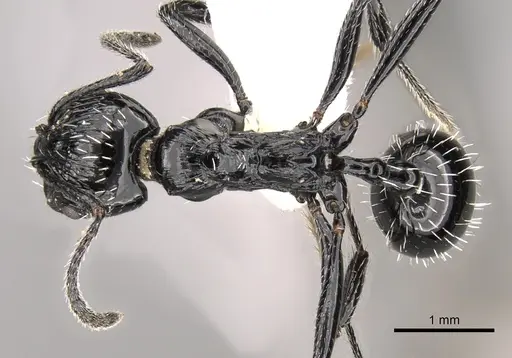
CASENT0907693
View on AntWeb
Literature
Loading...Loading products...