

Aphaenogaster perplexa
- Scientific Name
- Aphaenogaster perplexa
- Tribe
- Stenammini
- Subfamily
- Myrmicinae
- Author
- Smith, 1961
- Distribution
- Found in 1 countries
Aphaenogaster perplexa Overview
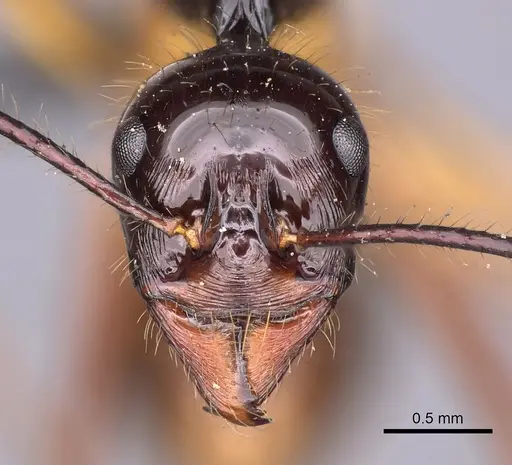
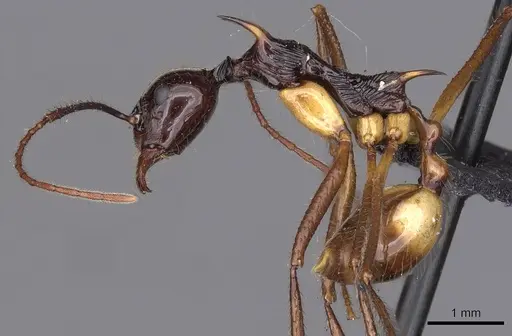
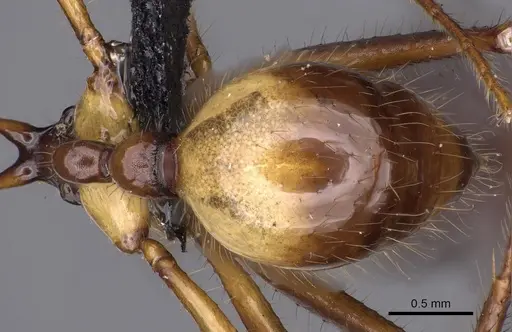
Aphaenogaster perplexa is an ant species of the genus Aphaenogaster. It is primarily documented in 1 countries , including Papua New Guinea. Detailed taxonomic data and occurrence records can be further explored via authoritative databases such as AntWeb or the Global Biodiversity Information Facility (GBIF).
Aphaenogaster perplexa
Aphaenogaster perplexa is a tropical ant native to New Guinea, first described from specimens collected at Kokoda, Papua New Guinea, at around 1200 feet elevation [1]. These ants live in primary forests and have been documented in cocoa plantations, showing they can handle both pristine and agricultural environments [2]. Workers are likely small to medium-sized (around 3-5mm) with queens probably reaching 6-7mm, though exact measurements remain undocumented and these estimates come from typical Aphaenogaster patterns. Originally named Aphaenogaster perplexa in 1938,they received their current name in 1961 to avoid confusion with another species [1].
As a tropical species from near the equator (around 8.8° south latitude), they likely remain active year-round without a winter rest period [3]. Very little specific research exists on their biology, so keepers must rely on general patterns from the Aphaenogaster genus while remaining alert for unique behaviors.
Quick Summary
- Difficulty: Medium
- Origin & Habitat: New Guinea (Papua New Guinea), found in tropical primary forests and cocoa plantations [3][2][1]
- Colony Type: Likely single-queen colonies based on typical Aphaenogaster patterns, though this remains unconfirmed for this specific species
- Size & Growth:
- Queen: Likely 6-7mm based on typical Aphaenogaster patterns (unconfirmed)
- Worker: Likely 3-5mm based on typical Aphaenogaster patterns (unconfirmed)
- Colony: Unknown, similar Aphaenogaster species typically reach 500-2000 workers (estimated)
- Growth: Moderate (estimated from tropical genus patterns)
- Development: Unknown, estimated 6-10 weeks at 25-27°C based on related tropical Aphaenogaster species (Development likely speeds up with consistent warmth, nanitic workers may emerge slightly faster)
- Antkeeping:
- Temperature: 24-28°C year-round (tropical equatorial species) [3]. Use a heating cable on one side to create a gradient.
- Humidity: High humidity required, keep nest material damp but not waterlogged, similar to tropical forest floor conditions.
- Diapause: Not required, tropical species from equatorial regions typically remain active year-round [3]
- Nesting: In nature they nest in soil and rotting wood, in captivity use Y-tong, plaster, or naturalistic setups with moist substrate
- Behavior: Moderate activity levels with typical scavenging behavior of the genus. Not particularly aggressive. Escape risk is moderate if workers are 3-5mm, though always use tight-fitting lids.
- Common Issues: limited species-specific care information means you'll need to observe carefully and adjust based on colony response., maintaining tropical humidity without mold requires good ventilation balance., small size means escape prevention needs attention if workers are under 4mm., rarity in the hobby means finding care advice beyond genus-level patterns is difficult.
Nest Preferences
In nature, Aphaenogaster perplexa lives in primary forests and cocoa plantations in Papua New Guinea [2][1]. Like most Aphaenogaster, they probably nest in soil or rotting wood under cover. For captive colonies, use Y-tong nests, plaster nests, or naturalistic setups with a moist substrate. Provide chambers sized appropriately for small to medium ants, tunnels around 5-8mm wide work well. Keep the nest material damp but not soggy, matching the humid tropical forest floor where they evolved. Avoid tall, open spaces that these ground-dwelling ants might find stressful.
Temperature and Care
These ants come from tropical New Guinea near the equator (around 8.8° south latitude) [3]. They need warmth year-round, aim for 24-28°C in the nest area. You can achieve this with a heating cable placed on top of one side of the nest to create a temperature gradient. Unlike temperate Aphaenogaster species, they do not need a winter rest period (hibernation) and should remain active throughout the year [3]. Watch your colony's behavior: if workers cluster near the heat source, increase the temperature slightly, if they avoid it, reduce the heat. Never let temperatures drop below 20°C for extended periods.
Feeding and Diet
While specific diet studies for A. perplexa are lacking, Aphaenogaster species are generally opportunistic scavengers and predators. Offer small pieces of insects (fruit flies, cricket legs, mealworms) twice weekly, and provide sugar water or honey water constantly. They may also accept seeds or other plant material, as many Aphaenogaster collect seeds. Remove uneaten protein within 24-48 hours to prevent mold in the humid conditions they prefer. If the colony is small, offer tiny portions to avoid overwhelming them.
Behavior and Temperament
Aphaenogaster perplexa likely shows moderate activity levels typical of the genus. They are not known for being aggressive and generally make peaceful colony inhabitants. Workers forage individually rather than in trails, exploring their outworld for food. If workers are indeed 3-5mm as estimated, standard escape prevention should suffice, though always check for gaps since Aphaenogaster can be determined explorers. They are not escape artists like some smaller genera, but they will test boundaries.
Colony Founding
Founding behavior is unconfirmed for this species. Based on typical Aphaenogaster patterns, queens likely seal themselves in (claustral founding) and raise the first workers alone on stored body fat. Start new queens in standard test tube setups with a water reservoir blocked with cotton. Keep them warm (25-28°C) and undisturbed. If the queen does not seal herself in or appears to forage, she may need feeding during founding, offer small amounts of sugar water and tiny prey items if she leaves the chamber. First workers (nanitics) are typically smaller than normal workers and may emerge in 6-10 weeks based on related tropical species, though this timeline is uncertain.
Frequently Asked Questions
Can I keep Aphaenogaster perplexa in a test tube?
Yes. Start founding queens in standard test tubes with water reservoirs blocked with cotton. Keep them warm (25-28°C) in a dark, quiet place until the first workers hatch.
How long until Aphaenogaster perplexa first workers hatch?
The egg-to-worker timeline is unconfirmed for this species. Based on related tropical Aphaenogaster, expect roughly 6-10 weeks at 25-27°C, though this is an estimate and may vary.
Do Aphaenogaster perplexa need hibernation?
No. As a tropical species from equatorial New Guinea, they remain active year-round and do not require a winter rest period or diapause [3].
Can I keep multiple Aphaenogaster perplexa queens together?
Not recommended. Aphaenogaster are typically single-queen species (monogyne), and combining queens likely leads to fighting. This has not been specifically tested in A. perplexa, so stick to one queen per colony.
What temperature do Aphaenogaster perplexa need?
Keep them warm year-round, around 24-28°C. Use a heating cable on one side of the nest to create a gradient so the ants can choose their preferred spot [3].
What do Aphaenogaster perplexa eat?
They are likely generalist scavengers. Feed small insects (fruit flies, cricket pieces) twice weekly and provide sugar water or honey water constantly. Remove uneaten protein quickly to prevent mold.
How big do Aphaenogaster perplexa colonies get?
Colony size is unknown for this species. Similar Aphaenogaster species typically reach 500-2000 workers, though this is an estimate based on genus patterns.
Are Aphaenogaster perplexa good for beginners?
They are medium difficulty. While Aphaenogaster are generally hardy, the tropical humidity requirements and lack of species-specific data make them better for keepers with some experience who can observe and adjust care based on colony response.
When should I move my Aphaenogaster perplexa colony to a formicarium?
Move them when they have 20-50 workers and are consistently exploring the test tube entrance or piling brood near the opening. This usually takes several months.
Why are my Aphaenogaster perplexa dying?
Common causes include: temperatures too cool (below 22°C), insufficient humidity (these tropical ants need moisture), or overfeeding leading to mold in humid setups. Also check for mites if you collected wild colonies.
References

This caresheet is licensed under CC BY-SA 4.0 .
CASENT0900451
View on AntWeb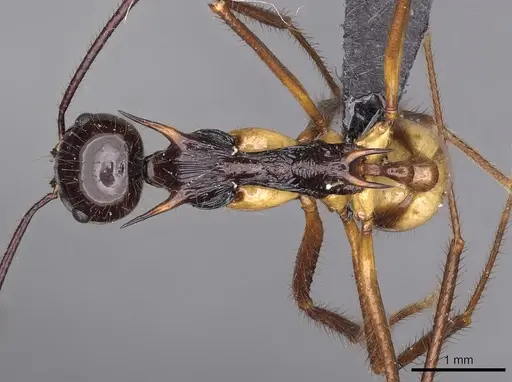
Literature
Loading...Loading products...