

Aphaenogaster megommata
- Scientific Name
- Aphaenogaster megommata
- Tribe
- Stenammini
- Subfamily
- Myrmicinae
- Author
- Smith, 1963
- Distribution
- Found in 2 countries
Aphaenogaster megommata Overview
Aphaenogaster megommata is an ant species of the genus Aphaenogaster. It is primarily documented in 2 countries , including Mexico, United States of America. Detailed taxonomic data and occurrence records can be further explored via authoritative databases such as AntWeb or the Global Biodiversity Information Facility (GBIF).
Aphaenogaster megommata
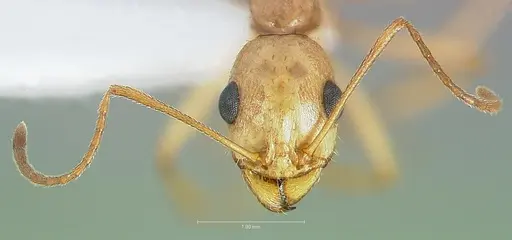
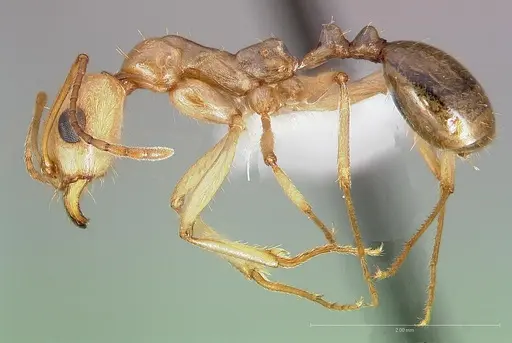
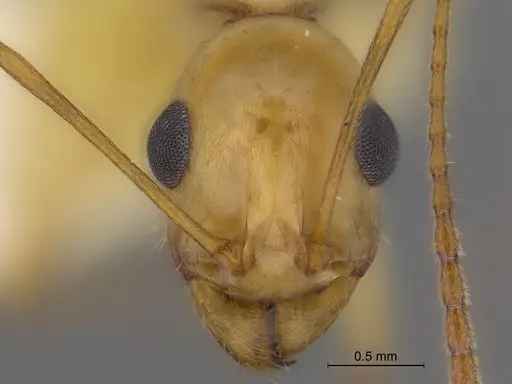
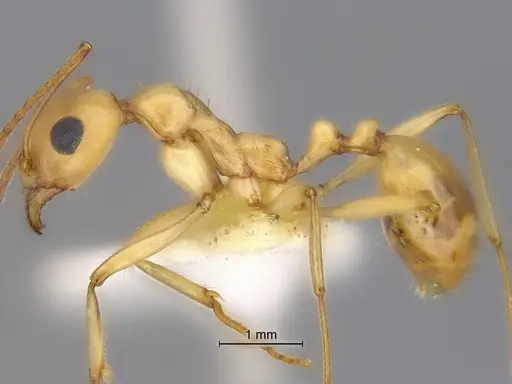
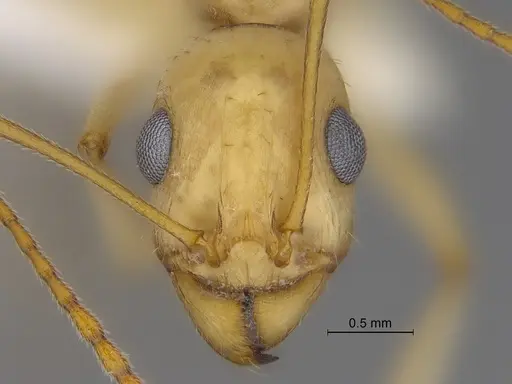
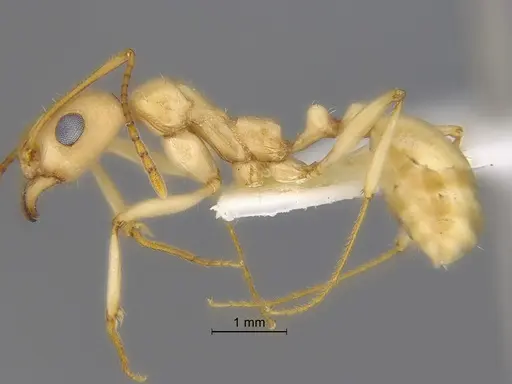
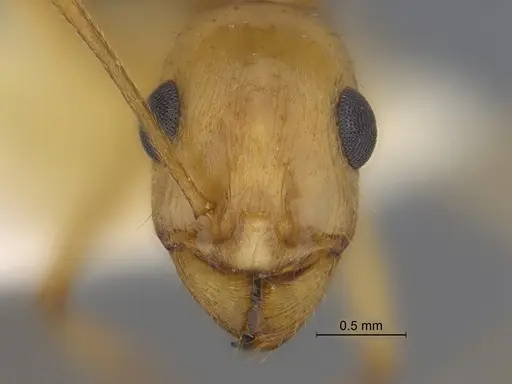
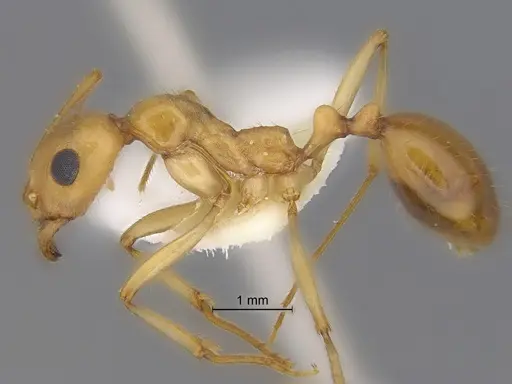
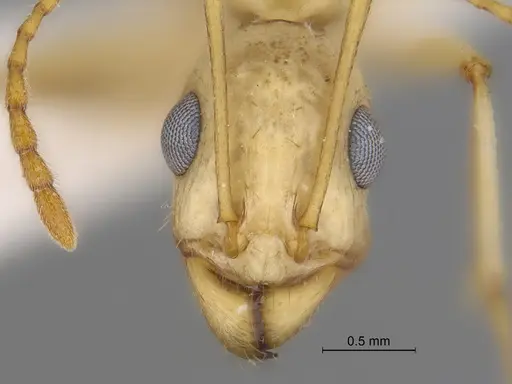
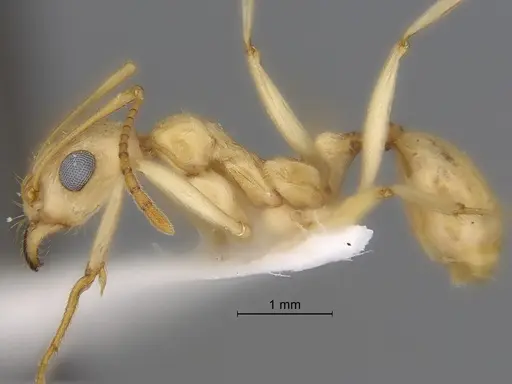
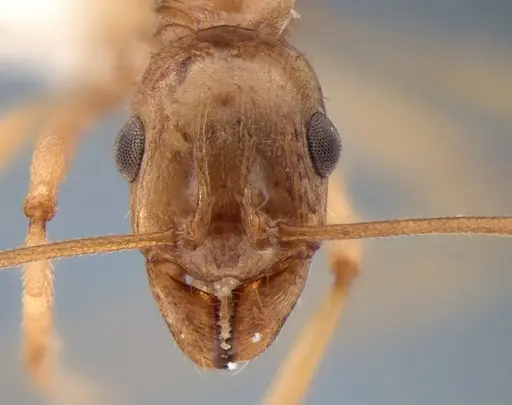
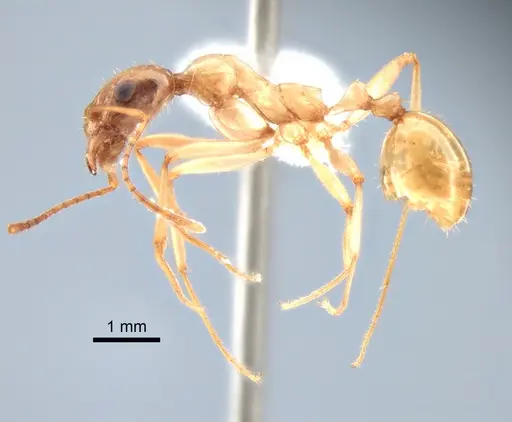
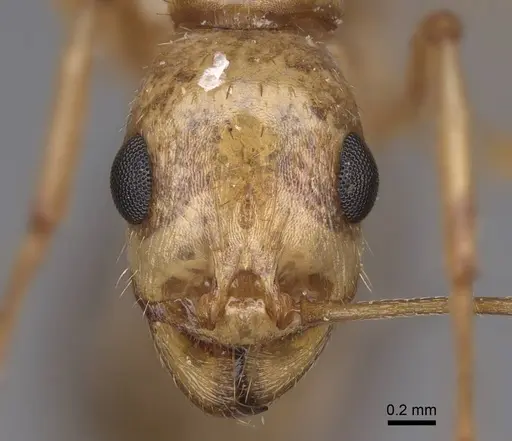
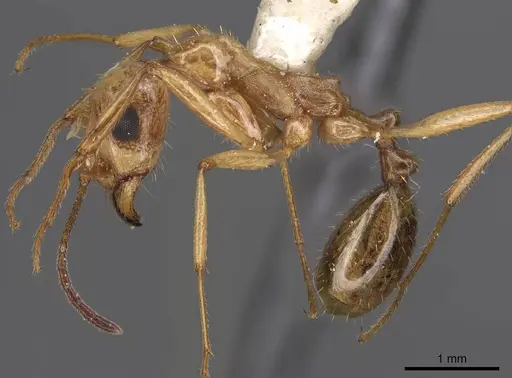
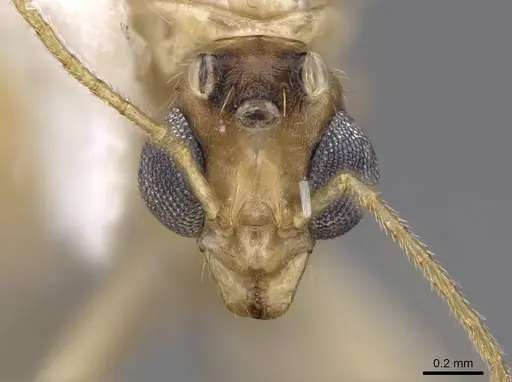
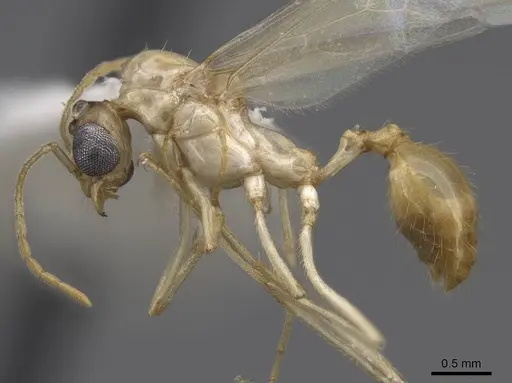
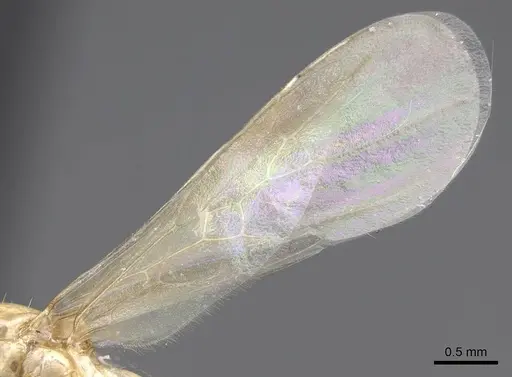
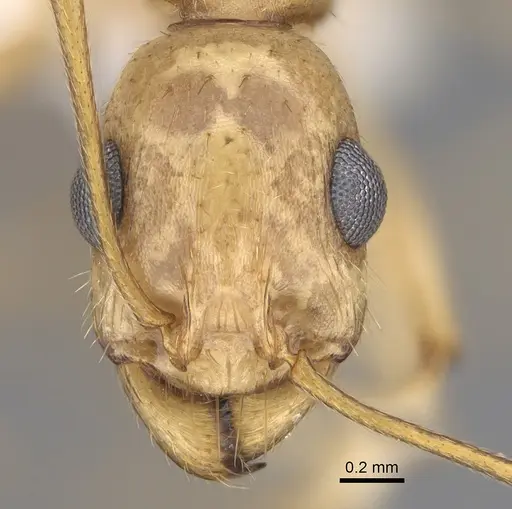
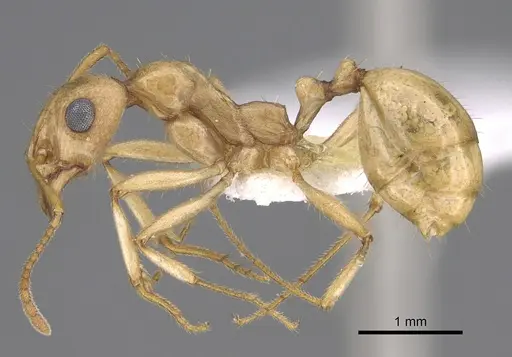
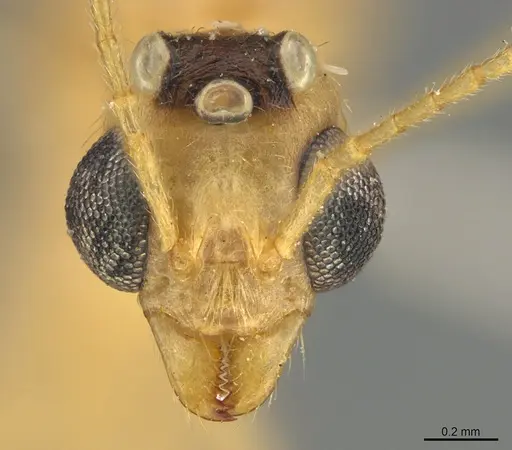
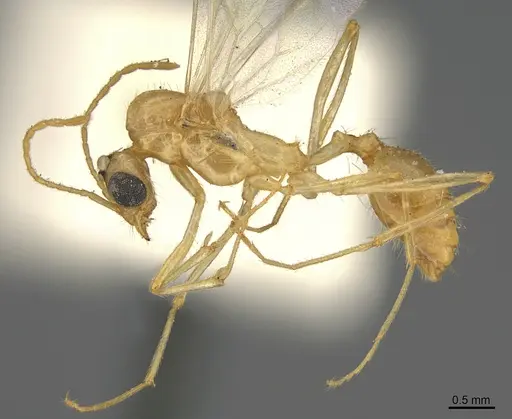
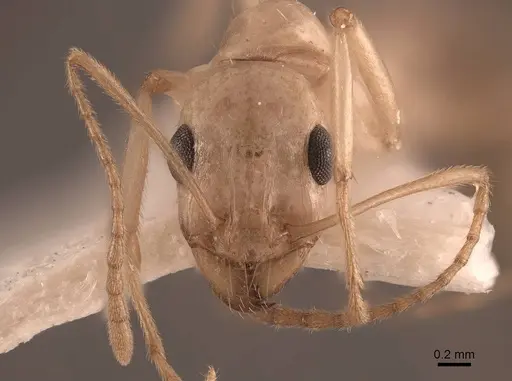
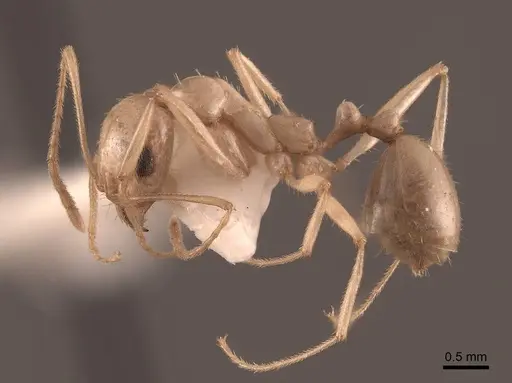
Aphaenogaster megommata is a pale yellow desert ant with unusually large eyes and tiny spines on the back of its middle body section [1]. They live in the hot deserts of western North America, ranging from western Arizona through California, Nevada, and Oregon down into Baja California and Sonora, Mexico [1][2][3]. In nature, they nest under stones or in exposed ground in creosote scrub and desert wash habitats between 2,700 and 3,900 feet elevation [4].
What makes this species stand out is its strict nocturnal lifestyle. While most of their relatives forage during the day, Aphaenogaster megommata hunts only at night or during twilight hours [1][5]. They have evolved huge compound eyes with about 241 facets each and a visual field spanning up to 121 degrees to navigate in darkness [5]. They also break the mold for their genus by timing their mating flights based on day length (photoperiod) rather than summer rains [6][7]. Unlike many ants that recruit trails to food, these are solitary hunters that rarely lead nestmates to finds [6].
Quick Summary
- Difficulty: Medium
- Origin & Habitat: Western Arizona through California, Nevada, and Oregon to Baja California and northwestern Sonora, Mexico [1][2][3]. Found in creosote scrub, desert washes, and blackbrush habitats between 2,700-3,900 ft elevation [4].
- Colony Type: Unconfirmed
- Size & Growth:
- Queen: Unknown
- Worker: Mesosoma (middle body section) ~1.7 mm [5]
- Colony: Unknown
- Growth: Unknown
- Development: Unknown, likely 8-12 weeks based on typical Aphaenogaster development patterns, but unconfirmed for this species (Estimate assumes warm temperatures (25-28°C). Actual timing may vary significantly.)
- Antkeeping:
- Temperature: Warm desert conditions, approximately 25-30°C [7][4]. Provide a heat gradient with a warm side and slightly cooler side.
- Humidity: Dry to moderately humid. Keep nest substrate slightly damp but never wet, these are desert ants that die in soggy conditions [4].
- Diapause: Likely yes, being from temperate desert regions they probably slow down in winter, but this is unconfirmed [4].
- Nesting: Under flat stones in nature, so provide flat stone setups or shallow nests with tight, dark chambers [4]. Avoid deep, moist soil.
- Behavior: Strictly nocturnal and crepuscular (active at dusk/dawn) [1][5]. Solitary foragers that show limited recruitment to food sources [6]. Opportunistic feeders [4]. Their pale color and small size (middle section ~1.7mm) means they can squeeze through tiny gaps [5].
- Common Issues: overhydration, desert species die quickly if kept too wet., light stress, bright conditions prevent foraging and stress the colony., escape risk, small size allows them to squeeze through gaps in standard mesh., difficulty observing, night activity means you rarely see them active.
Nocturnal Adaptations and Vision
Aphaenogaster megommata has evolved remarkable night vision. Their eyes cover approximately 0.08 mm² with around 241 individual facets each, giving them a visual field spanning up to 121 degrees [5]. Their facet area is roughly 1.3 to 1.5 times larger than their dark-colored, day-active relatives [5]. This adaptation allows them to navigate and hunt in near-total darkness. In captivity, this means you must keep them in dark conditions. If you want to observe them, use a red filter or very dim red lighting, as most ants cannot see red light. Bright white light will suppress their natural foraging behavior and cause stress.
Desert Nesting and Habitat
In the wild, these ants nest under stones or in exposed ground in desert scrub habitats [4]. They thrive in creosote bush scrub and desert washes at elevations between 2,700 and 3,900 feet [4]. Unlike forest ants that need deep, humid soil, Aphaenogaster megommata prefers shallow, well-drained nest sites. For captive housing, use a naturalistic setup with flat stones or a formicarium with shallow, dark chambers. Keep the nest area dry to slightly humid, the substrate should feel barely damp to the touch, never wet. Provide a moisture gradient with one slightly damper area and one dry area so the colony can self-regulate.
Foraging Behavior and Diet
These ants are opportunistic feeders that hunt alone rather than in groups [4][6]. They do not use chemical trails to recruit nestmates to food sources like many other ants do [6]. Instead, each worker forages independently. In captivity, scatter small prey items near the nest entrance rather than expecting them to form feeding trails. Offer small live insects like fruit flies, springtails, or tiny pieces of mealworms. They may also accept sugar water or honey water, but protein is likely more important given their predatory habits. Remove uneaten food promptly to prevent mold in their dry nest environment.
Temperature and Photoperiod
As a desert species that evolved in hot, arid habitats, Aphaenogaster megommata needs warmth [7][4]. Keep the nest area between 25-30°C with a gentle heat gradient. Unlike most Aphaenogaster that have mating flights triggered by summer rains, this species triggers reproduction based on photoperiod (day length) [6][7]. This means if you are attempting to breed them, maintain consistent light cycles that mimic seasonal changes gradually. Sudden changes in day length might trigger flight behavior in alates (winged reproductives).
Colony Founding
The founding behavior of Aphaenogaster megommata has not been directly documented. Most Aphaenogaster species are semi-claustral, meaning the queen leaves the nest to forage during the founding stage rather than sealing herself in. If you obtain a queen, assume she may need food during founding. Offer small amounts of protein and sugar weekly, removing uneaten portions. If she seals herself in a chamber and refuses food, she may be claustral (living off stored fat), but be prepared to offer food if she appears active or tries to leave the nest.
Frequently Asked Questions
Are Aphaenogaster megommata nocturnal?
Yes, they are strictly nocturnal and crepuscular (active at dusk and dawn). They have evolved large eyes specifically for night foraging [1][5].
Can I keep Aphaenogaster megommata in a test tube?
Yes, but provide darkness. Standard test tube setups work, but cover them with foil or place them in a dark box since light stresses these night-active ants.
How long until Aphaenogaster megommata gets first workers?
The egg-to-worker timeline is unconfirmed for this species. Based on related Aphaenogaster, expect roughly 8-12 weeks at 25-28°C, but this is an estimate.
Do Aphaenogaster megommata need hibernation?
Probably yes. They come from temperate deserts where winter temperatures drop. Activity records show them active September through January, suggesting a winter slowdown [4], but exact hibernation requirements are unconfirmed.
What do Aphaenogaster megommata eat?
They are opportunistic feeders. In captivity, offer small live insects like fruit flies, springtails, or tiny cricket pieces. They forage alone and do not recruit nestmates to food sources [6][4].
Are Aphaenogaster megommata good for beginners?
They are medium difficulty. While they are hardy desert ants, their nocturnal habits make them less observable, and they require careful humidity management to avoid overhydration.
Do Aphaenogaster megommata ants sting?
Most Aphaenogaster species can sting but have mild venom. They are not considered dangerous to humans, though individuals with allergies should exercise caution.
Why are my Aphaenogaster megommata not foraging?
Check the light levels. These ants only forage in darkness. If your setup is too bright, they will remain hidden. Try observing them under red light or in complete darkness.
Can I keep multiple Aphaenogaster megommata queens together?
This is not recommended. The colony structure is unconfirmed, and combining unrelated queens risks fighting. Single-queen founding is the safest approach.
What temperature do Aphaenogaster megommata need?
Keep them warm, around 25-30°C, with a heat gradient. They are desert ants from hot regions [7][4].
References

This caresheet is licensed under CC BY-SA 4.0 .
CASENT0005724
View on AntWeb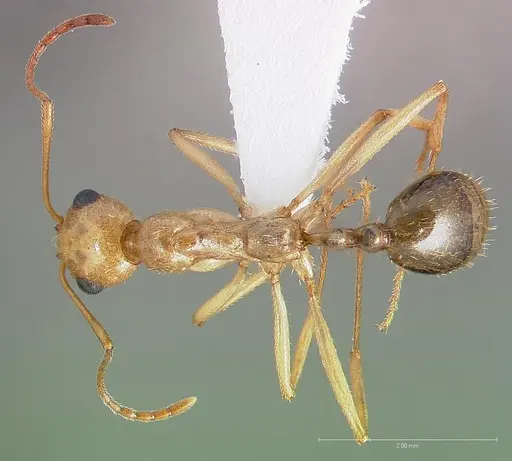
CASENT0869794
View on AntWeb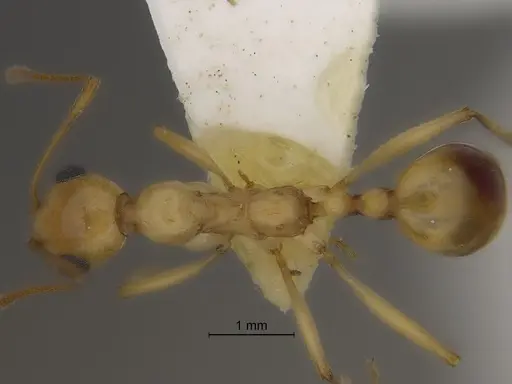
CASENT0869795
View on AntWeb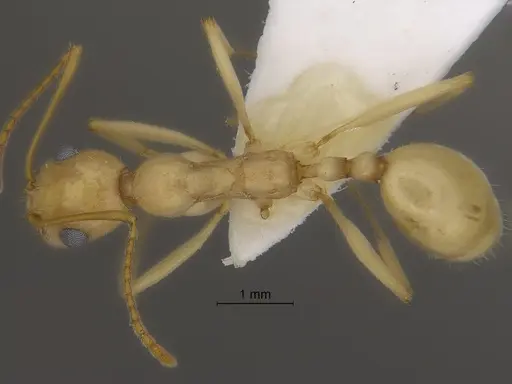
CASENT0869796
View on AntWeb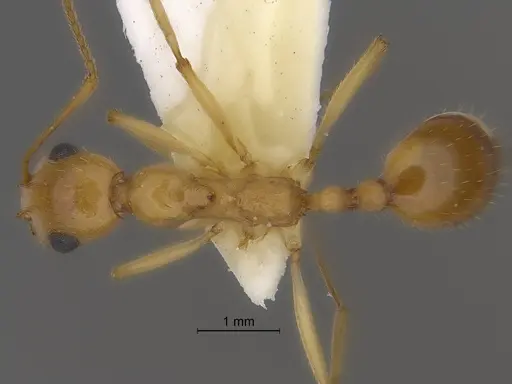
CASENT0869797
View on AntWeb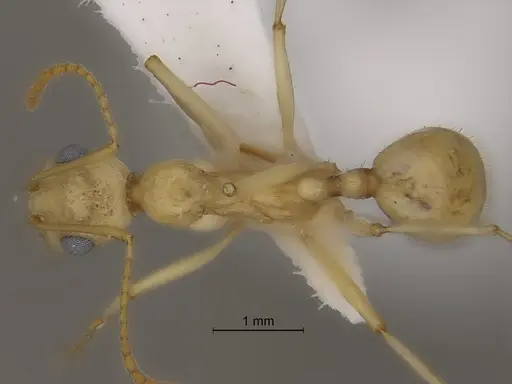
CASENT0882115
View on AntWeb
CASENT0914486
View on AntWeb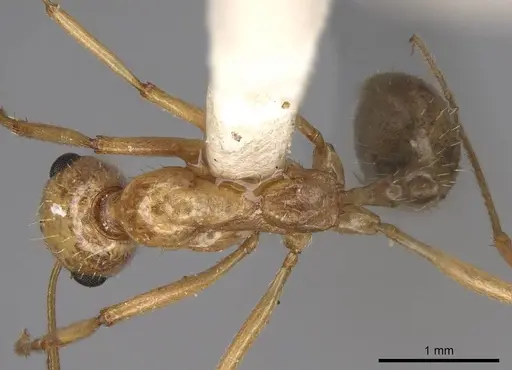
CASENT0923068
View on AntWeb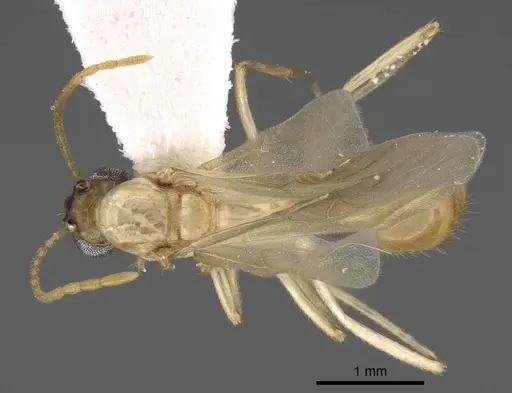
CASENT0923367
View on AntWeb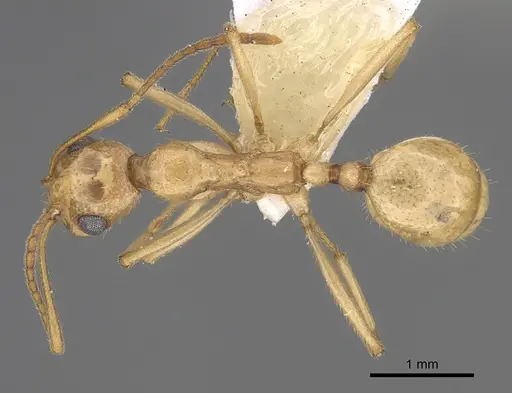
CASENT8364609
View on AntWeb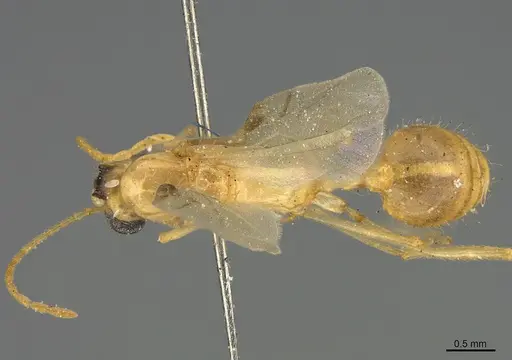
FMNHINS0000062932
View on AntWeb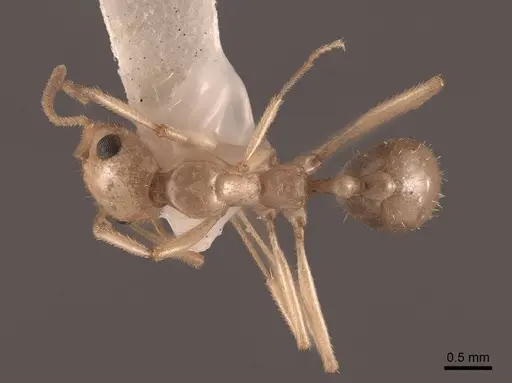
Literature
Loading...Loading products...