

Aphaenogaster lykiaensis
- Scientific Name
- Aphaenogaster lykiaensis
- Tribe
- Stenammini
- Subfamily
- Myrmicinae
- Author
- Borowiec & Salata, 2014
- Distribution
- Found in 1 countries
Aphaenogaster lykiaensis Overview
Aphaenogaster lykiaensis is an ant species of the genus Aphaenogaster. It is primarily documented in 1 countries , including Türkiye. Detailed taxonomic data and occurrence records can be further explored via authoritative databases such as AntWeb or the Global Biodiversity Information Facility (GBIF).
Aphaenogaster lykiaensis
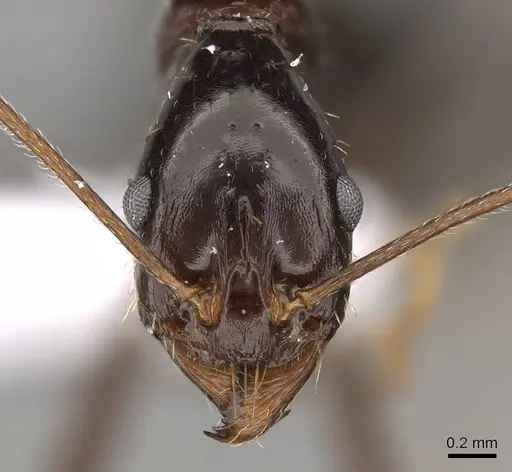
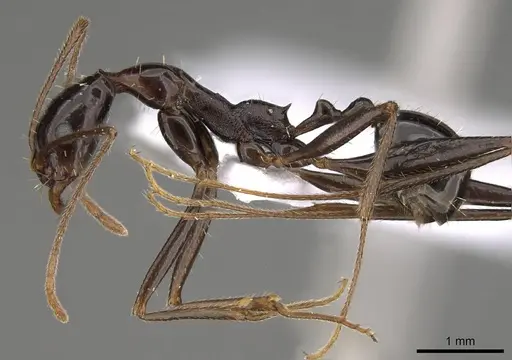
Aphaenogaster lykiaensis is a small, pale brown ant from the Mediterranean coast of southwestern Turkey. Workers measure roughly 4-5mm in total length, with a distinctive narrow neck behind the head that features a sharp, flared collar, a signature trait of the cecconii species group [1]. Their bodies are slender with very long legs, colored in shades of pale brown to yellowish-brown, with darker brown abdomens and rusty-yellow antennae [1].
What makes this species immediately interesting is where they choose to live. The type colony was discovered nesting 1.7 meters above the ground in a gap within a concrete road culvert, not in soil or rotting wood like many relatives [2]. Workers foraged only within a 1-2 meter radius of this elevated entrance, suggesting they prefer tight, protected spaces and limited foraging ranges [2]. Described only in 2014,much of their biology remains unstudied, making them a species for keepers comfortable with some uncertainty [1].
Quick Summary
- Difficulty: Medium
- Origin & Habitat: Southwestern Turkey, Antalya Province, Mediterranean region. Found nesting in concrete culvert gaps at 319m elevation [1][3].
- Colony Type: Unknown, likely single-queen based on genus patterns, but unconfirmed.
- Size & Growth:
- Queen: Unknown, not described in type series.
- Worker: Approximately 4-5mm total length (mesosoma 2.1-2.4mm) [1].
- Colony: Unknown, likely small to moderate based on limited foraging range.
- Growth: Moderate (estimated).
- Development: Unknown, likely 8-12 weeks at 25°C based on related temperate Aphaenogaster. (Timeline inferred from genus patterns, no direct development studies exist for this species.)
- Antkeeping:
- Temperature: 20-25°C during active season, 10-15°C for winter rest. Mediterranean climate species from 39°N latitude likely require seasonal cooling [3].
- Humidity: Moderate humidity. Nest substrate should feel damp but not waterlogged, with dry areas available.
- Diapause: Likely yes, winter rest recommended based on latitude and elevation [3][1].
- Nesting: Narrow chambers and tight spaces that replicate rock crevices or concrete gaps. Y-tong (AAC) nests with small chambers or naturalistic setups with flat stones work well.
- Behavior: Limited foraging range (1-2m from nest), suggesting they stay close to home [2]. Generally non-aggressive generalists typical of the genus. Small size requires excellent escape prevention.
- Common Issues: limited scientific data makes optimal care requirements unpredictable., small size means they can escape through tiny gaps without proper barriers., unusual nesting height in nature may indicate preference for elevated positions in captivity., hibernation requirements are unconfirmed but likely necessary for long-term colony health.
Nest Preferences and Structure
In nature, Aphaenogaster lykiaensis breaks the typical ground-nesting mold. The only documented nest was located 1.7 meters above ground in a gap within a concrete road culvert, suggesting they exploit narrow, protected cavities in human-made structures or rock formations [2]. This aligns with their morphology, the distinctive narrow neck with flared collar may help them maneuver in tight rock crevices [1].
In captivity, replicate these conditions by providing narrow chambers and tight spaces rather than open soil nests. Y-tong (AAC) nests with small, interconnected chambers work well, as do naturalistic setups featuring flat stones with narrow gaps between them. The nest should offer security and darkness, with chambers roughly twice the width of the workers to allow movement while maintaining the cozy, enclosed feeling they seem to prefer based on their wild nesting choice.
Temperature and Seasonal Care
Coming from the Mediterranean region of Turkey at 39°N latitude and 319m elevation, these ants experience distinct seasons with hot, dry summers and mild, wet winters [3][1]. While exact temperature requirements are unstudied, related temperate Aphaenogaster species thrive at 20-25°C during the active season.
You will likely need to provide a winter rest period (diapause). Starting in late autumn, gradually reduce temperatures to 10-15°C for 2-3 months. This mimics the seasonal cycle of their native Antalya Province. Without this cooling period, colonies may show reduced brood production or shortened lifespans, though this has not been directly documented for this specific species.
Feeding and Diet
While specific dietary studies are lacking for Aphaenogaster lykiaensis, the genus is generally omnivorous and opportunistic. They likely function as generalist scavengers and seed collectors, typical of Mediterranean Aphaenogaster [2].
Offer a varied diet including small insect prey (fruit flies, springtails, small cricket pieces), sugar sources (honey water or sugar water), and small seeds. The limited foraging range observed in the wild (workers stayed within 1-2 meters of the nest) suggests they rely on scattered food sources found close to home rather than traveling long distances [2]. In captivity, place food near the nest entrance. Remove uneaten protein within 24-48 hours to prevent mold in their tight nesting spaces.
Behavior and Foraging
These ants appear to be homebodies. Observations show workers foraging mainly within 1 meter of the nest entrance, with only occasional individuals venturing 2 meters away [2]. This limited range suggests they establish permanent trails to nearby reliable food sources rather than exploring broadly.
Their small size (roughly 4-5mm) means escape prevention must be excellent [1]. Use fine mesh (stainless steel or fine nylon) for ventilation, and ensure all joins in their enclosure are tight. Fluon or other barrier products applied to the upper walls of the outworld will help contain them. They are not known for being aggressive or for climbing smooth vertical surfaces excessively, but their small size makes accidental escapes easy without proper precautions.
Frequently Asked Questions
Can I keep Aphaenogaster lykiaensis in a test tube?
Yes, test tubes are suitable for founding colonies and small colonies. Use standard 16mm or 18mm glass test tubes with water reservoirs. The narrow space mimics their natural preference for tight cavities. Ensure the cotton plug is secure, as their small size allows them to squeeze through gaps.
Do Aphaenogaster lykiaensis need hibernation?
Likely yes. Based on their origin in southwestern Turkey at 39°N latitude and 319m elevation, they experience seasonal temperature changes [3][1]. Provide a winter rest period at 10-15°C for 2-3 months. However, this has not been directly studied, so observe your colony's behavior as the ultimate guide.
How long until first workers for Aphaenogaster lykiaensis?
The egg-to-worker timeline is unknown for this specific species. Based on related temperate Aphaenogaster, expect approximately 8-12 weeks at 25°C. First workers (nanitics) may emerge slightly faster but smaller than subsequent workers.
What do Aphaenogaster lykiaensis eat?
They are likely generalist omnivores like other Aphaenogaster. Offer small live or dead insects (fruit flies, springtails, cricket pieces), sugar water or honey, and small seeds. Their limited foraging range in nature suggests they accept whatever is found nearby [2].
How big do Aphaenogaster lykiaensis colonies get?
Maximum colony size is unknown. Based on their small worker size and limited foraging range observed in the wild, they likely remain small to moderate, possibly a few hundred workers rather than thousands [2].
Can I keep multiple Aphaenogaster lykiaensis queens together?
Not recommended. The colony structure is unstudied, but most Aphaenogaster are single-queen species. Combining multiple unrelated queens will likely result in fighting and death. If you have multiple queens, house them separately.
Are Aphaenogaster lykiaensis good for beginners?
They are better suited to intermediate keepers. While not aggressive, they are small (requiring excellent escape prevention), recently described (limited care data), and likely need hibernation management. Beginners might prefer species with more established care guides.
Do Aphaenogaster lykiaensis ants sting?
Like most Aphaenogaster, they probably possess a small stinger, but they are not aggressive and their small size (4-5mm) means they cannot penetrate human skin [1]. They are considered harmless to humans.
References

This caresheet is licensed under CC BY-SA 4.0 .
CASENT0914406
View on AntWeb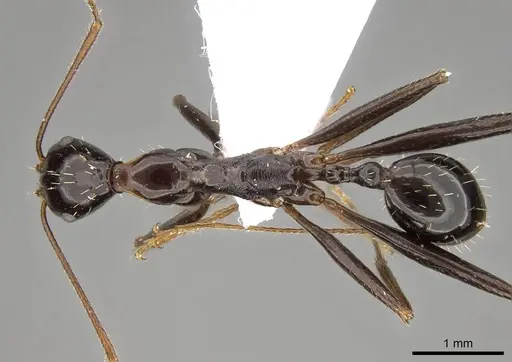
Literature
Loading...Loading products...