

Aphaenogaster loriai
- Scientific Name
- Aphaenogaster loriai
- Tribe
- Stenammini
- Subfamily
- Myrmicinae
- Author
- Emery, 1897
- Distribution
- Found in 2 countries
Aphaenogaster loriai Overview
Aphaenogaster loriai is an ant species of the genus Aphaenogaster. It is primarily documented in 2 countries , including Indonesia, Papua New Guinea. Detailed taxonomic data and occurrence records can be further explored via authoritative databases such as AntWeb or the Global Biodiversity Information Facility (GBIF).
Aphaenogaster loriai
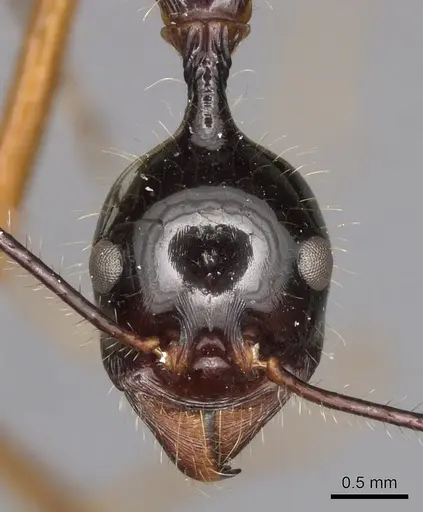
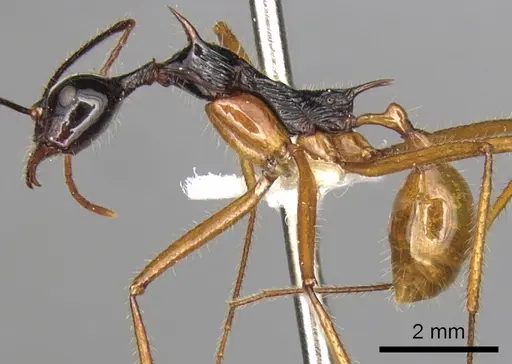
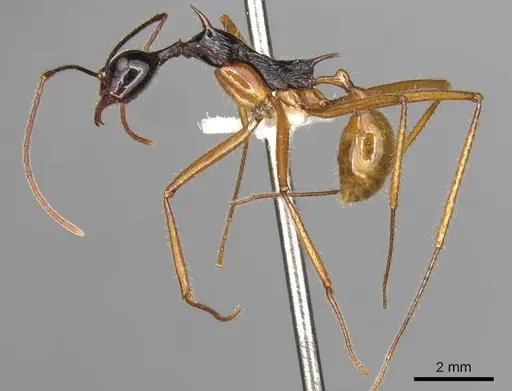
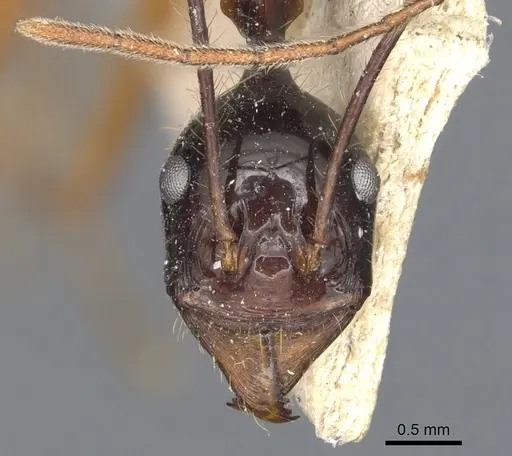
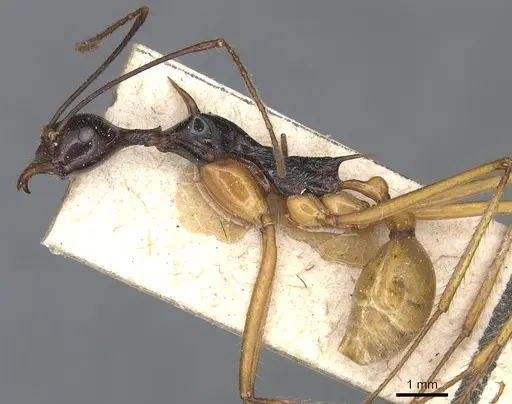
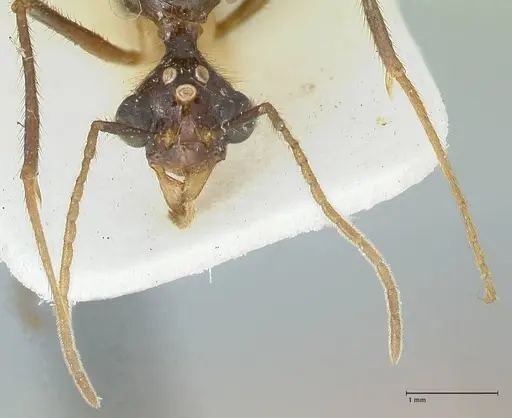
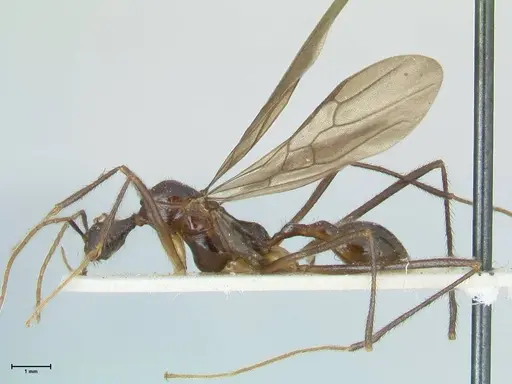
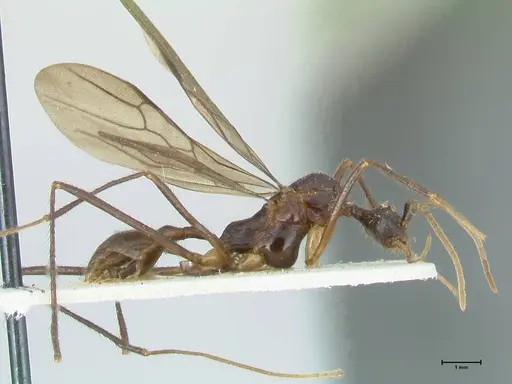
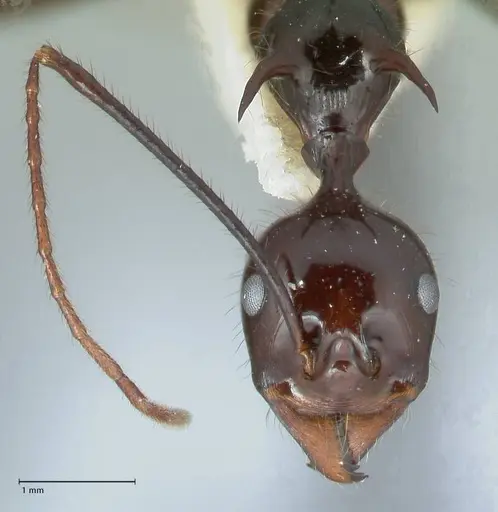
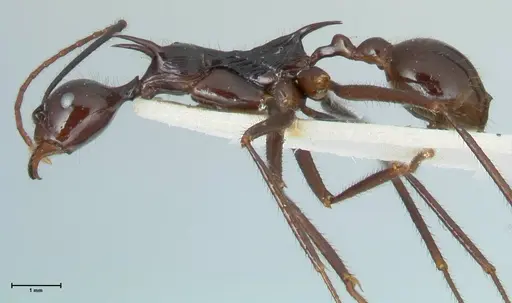
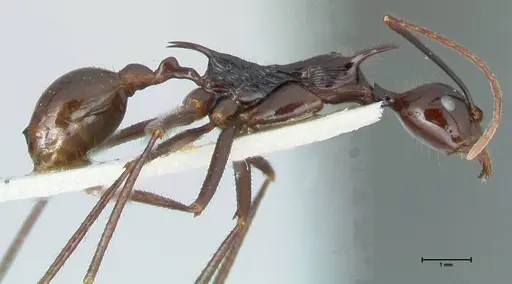
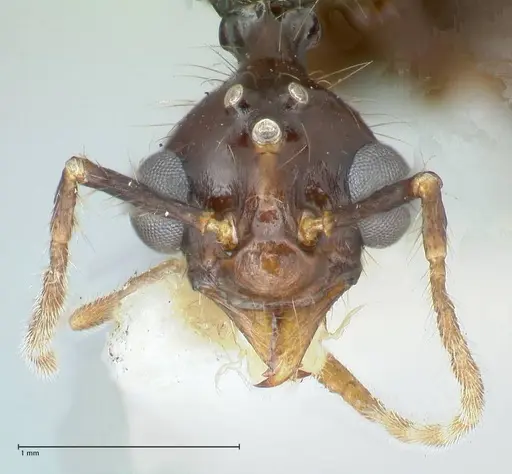
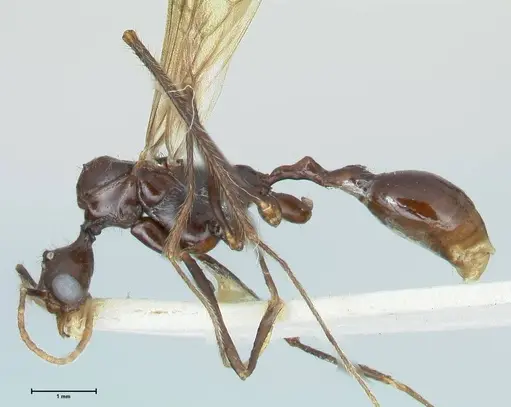
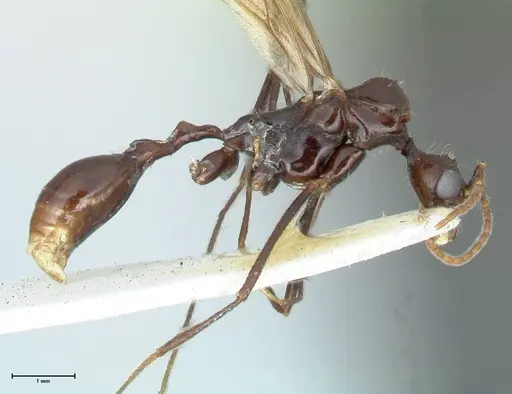
Aphaenogaster loriai is a small to medium-sized ant from the tropical mountains of New Guinea. Workers have the slender build and long legs typical of the genus, with a dark coloration. They live in Papua New Guinea and Indonesian Irian Jaya, where the type specimen was collected at 1300 meters elevation in Moroka [1][2].
These ants belong to the Deromyrma clade, a group of tropical Old World Aphaenogaster species [2][3]. Very little is known about their specific biology, so most care advice comes from related species and their montane tropical habitat.
Quick Summary
- Difficulty: Hard
- Origin & Habitat: Papua New Guinea and Indonesian Irian Jaya (New Guinea), tropical montane forests around 1300m elevation [1][2]
- Colony Type: Likely single-queen (monogyne) based on typical Aphaenogaster patterns, though field studies have not confirmed this.
- Colony: Monogyne
- Founding: Claustral
- Size & Growth:
- Queen: Approximately 6-8mm (estimated from typical Aphaenogaster queens).
- Worker: Approximately 4-6mm (estimated from genus patterns).
- Colony: Unknown, similar species often reach several hundred workers.
- Growth: Moderate (estimated).
- Development: Unknown, likely 8-12 weeks at 25°C based on related tropical species. (This is an estimate, actual timing may vary significantly.)
- Antkeeping:
- Temperature: Warm and stable, roughly 24-28°C. Being from tropical New Guinea at 1300m elevation, they likely prefer moderate warmth rather than extreme heat [2]. Start at 25°C and adjust based on colony activity.
- Humidity: Moderate to high. Keep nest material damp but not waterlogged, similar to their montane forest habitat.
- Diapause: No. As a tropical species, they remain active year-round and do not require hibernation [3].
- Nesting: Likely nest in soil or rotting wood in nature. In captivity, use a naturalistic setup with soil and wood, or a Y-tong nest with humidity options.
- Behavior: Unknown specifically. Aphaenogaster species are generally calm, steady foragers with moderate activity levels [2][3]. They are not known for aggressive defense. Workers are small enough to require attention to escape prevention, use tight-fitting lids and fine mesh on outworlds.
- Common Issues: lack of specific care data means you must observe carefully and adjust conditions to prevent fatal mistakes., tropical montane origin requires stable warmth and humidity, temperature swings stress the colony and can cause death., slow development (estimated) requires patience and risks overfeeding by beginners who mistake inactivity for hunger., rarity in captivity means limited support community if problems arise.
Nest Preferences
Aphaenogaster loriai comes from tropical montane forests in New Guinea at around 1300 meters elevation [1][2]. While researchers have not described their specific nesting habits, related Aphaenogaster species usually nest in soil, under stones, or in rotting wood. You should provide a nest that mimics these conditions. A naturalistic setup with soil and wood pieces works well, or use a Y-tong (AAC) nest with narrow chambers. They need moderate humidity but good airflow to prevent mold in warm conditions. Create a moisture gradient with one side damper so the colony can choose their preferred spot.
Temperature and Care
As a tropical species from New Guinea, Aphaenogaster loriai needs warm, stable temperatures year-round [3]. The type locality at 1300m suggests they prefer moderate tropical warmth rather than extreme heat [1]. Keep them around 24-26°C initially. Use a heating cable on one side of the nest to create a warm area, and watch where the workers gather. If they cluster near the heat, increase the temperature slightly, if they avoid it, lower the heat. Do not let temperatures drop below 20°C for long periods. Unlike temperate ants, they do not need hibernation or winter cooling [3].
Feeding and Diet
Specific dietary preferences for Aphaenogaster loriai remain unknown. Based on typical Aphaenogaster behavior, they are likely omnivores. Offer small live insects like fruit flies, springtails, or tiny pieces of crickets. Provide sugar water or honey water in test tubes. Many Aphaenogaster species also collect seeds, so try offering small seeds like chia or millet. Feed small amounts frequently and remove uneaten prey within 24 hours to prevent mold in the humid conditions they prefer. [1]
Behavior and Temperament
Little is known about the specific behavior of Aphaenogaster loriai. As part of the Deromyrma clade, they likely show typical Aphaenogaster traits: steady movement and moderate activity levels [2][3]. They are not known for aggressive defense. Workers are small enough to require attention to escape prevention, use tight-fitting lids and fine mesh on outworlds. They likely cannot sting through human skin given their size.
Colony Founding
Founding behavior is unconfirmed for Aphaenogaster loriai. Based on typical Aphaenogaster patterns, queens likely practice claustral founding, sealing themselves in a chamber and living off stored body fat until the first workers hatch. This means you should house a lone queen in a test tube with a water reservoir, and leave her undisturbed for the first 6-10 weeks. Do not feed the queen during founding, she will survive on her reserves.
Growth and Development
Development timelines are unknown for this species. Based on related tropical Myrmicinae, expect roughly 8-12 weeks from egg to worker at 25-26°C, though this could vary. First workers will likely be smaller than later generations. Colony growth is probably moderate. You will need patience, especially given the lack of specific data on their development speed.
Frequently Asked Questions
Can I keep Aphaenogaster loriai in a test tube?
Yes. Test tubes work well for founding queens and small colonies. Use a standard water reservoir setup with cotton blocking the water end and a dry cotton plug at the entrance.
How long until Aphaenogaster loriai gets first workers?
Unknown exactly. Based on related species, expect 8-12 weeks at warm temperatures (25-26°C), but monitor your specific colony as timing may vary.
What is the egg to worker timeline for Aphaenogaster loriai?
Unconfirmed. Estimate 8-12 weeks at ideal temperature, but this is speculative.
Can I keep multiple Aphaenogaster loriai queens together?
Not recommended. Aphaenogaster are typically single-queen species, and combining queens likely leads to fighting. This has not been specifically tested in this species.
Do Aphaenogaster loriai ants sting?
They likely possess a stinger like other Aphaenogaster, but their small size means they cannot penetrate human skin effectively. They are not considered dangerous.
What temperature do Aphaenogaster loriai need?
Keep them warm and stable, around 24-28°C. Being from tropical New Guinea at 1300m elevation, they prefer moderate tropical warmth rather than extreme heat [2].
Do Aphaenogaster loriai need hibernation?
No. As a tropical species from New Guinea, they remain active year-round and do not require diapause or winter cooling [3].
How big do Aphaenogaster loriai colonies get?
Unknown specifically. Based on the genus, likely several hundred to a few thousand workers at maturity.
What do Aphaenogaster loriai eat?
Likely omnivorous, small insects, sugars, and possibly seeds. Offer fruit flies, springtails, honey water, and small seeds.
Are Aphaenogaster loriai good for beginners?
No. The lack of specific care data and tropical requirements make them better suited for experienced keepers who can infer care from related species.
Why is my Aphaenogaster loriai colony dying?
Common issues include temperature fluctuations, incorrect humidity, or overfeeding causing mold. Without specific data, you must troubleshoot carefully by observing worker behavior and adjusting conditions.
When should I move Aphaenogaster loriai to a formicarium?
Move them when the test tube becomes crowded or the water reservoir runs low, typically when you have 20-50 workers.
References

This caresheet is licensed under CC BY-SA 4.0 .
CASENT0900358
View on AntWeb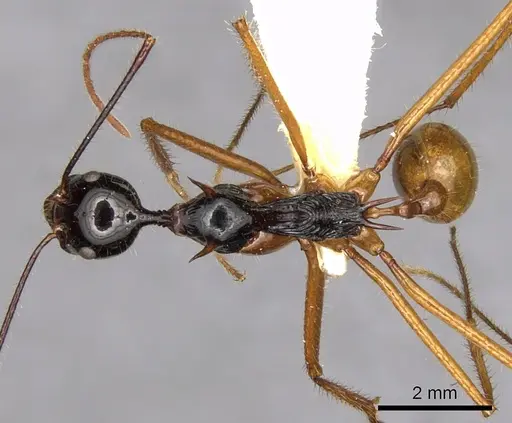
CASENT0904189
View on AntWeb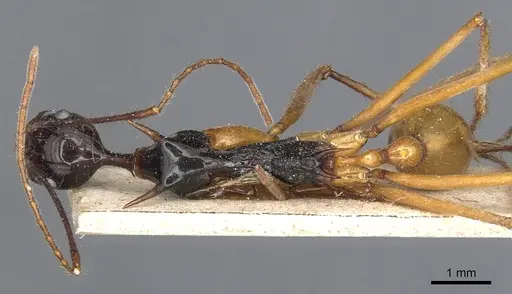
FOCOL1217
View on AntWeb
FOCOL1218
View on AntWeb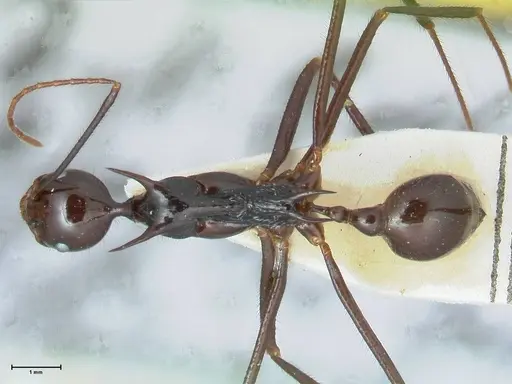
FOCOL1219
View on AntWeb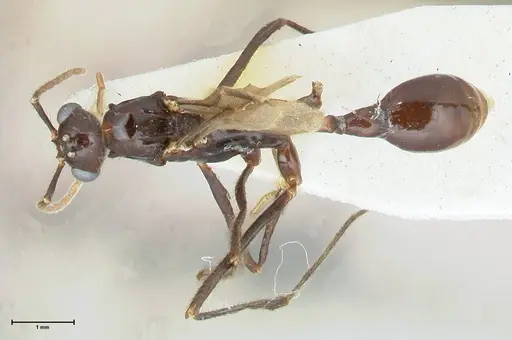
Literature
Loading...Loading products...