
Aphaenogaster longiceps shows a September to October flight window. Peak activity occurs in October, with nuptial flights distributed across 2 months.
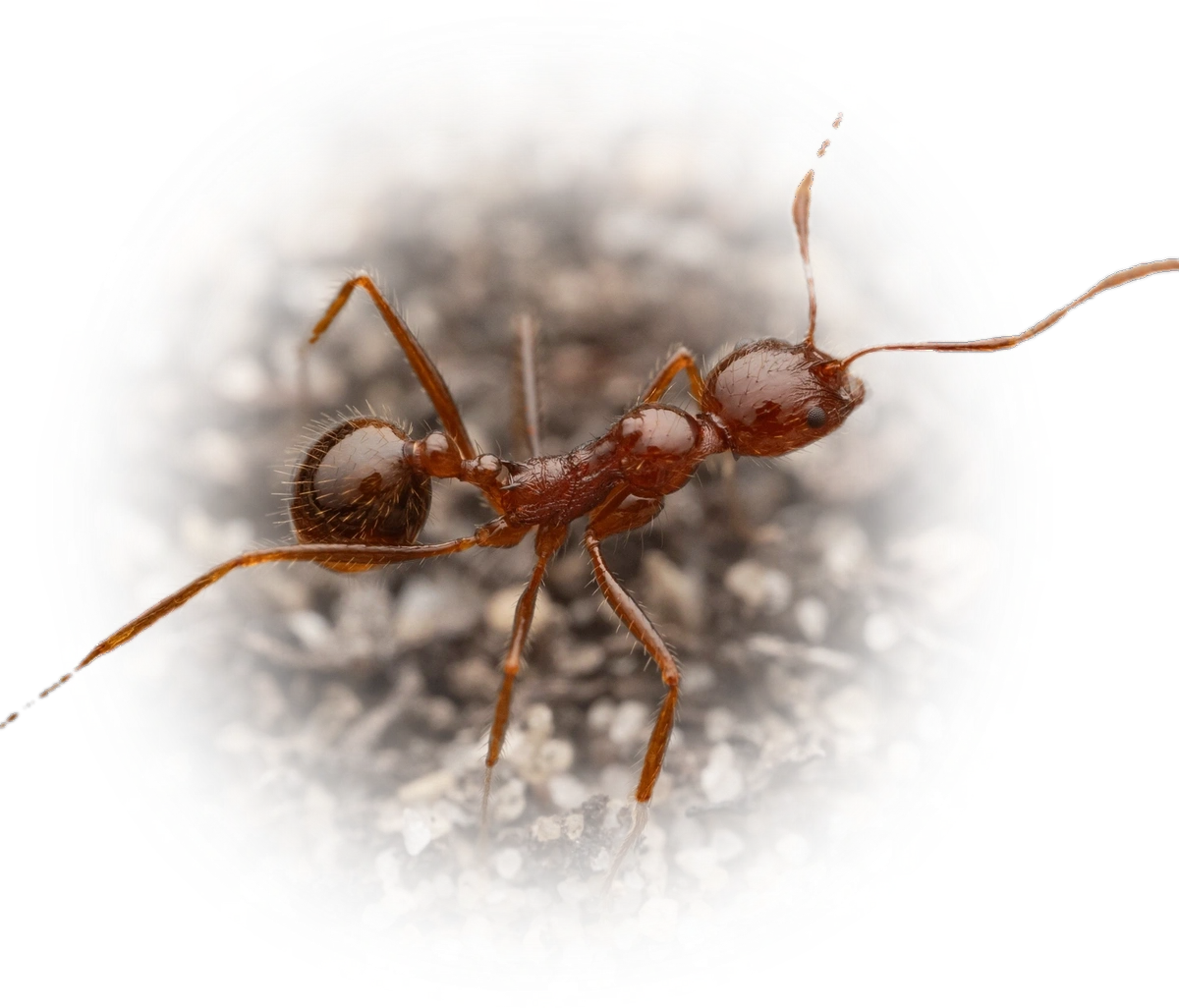
Aphaenogaster longiceps
- Scientific Name
- Aphaenogaster longiceps
- Tribe
- Stenammini
- Subfamily
- Myrmicinae
- Author
- Smith, 1858
- Common Name
- Funnel Ant
- Distribution
- Found in 1 countries
- Nuptial Flight
- from September to October, peaking in October
AI Identifiable
try →
Aphaenogaster longiceps Overview
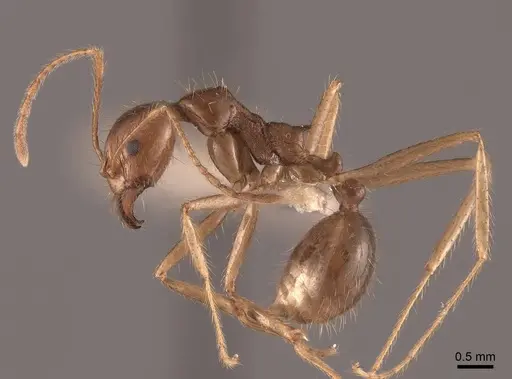
Aphaenogaster longiceps (commonly known as the Funnel Ant) is an ant species of the genus Aphaenogaster. It is primarily documented in 1 countries , including Australia. Detailed taxonomic data and occurrence records can be further explored via authoritative databases such as AntWeb or the Global Biodiversity Information Facility (GBIF).
The nuptial flight of Aphaenogaster longiceps is a significant biological event, typically occurring from September to October, peaking in October. During this time, winged queens and males leave the nest to mate and establish new colonies.
Aphaenogaster longiceps - "Funnel Ant"
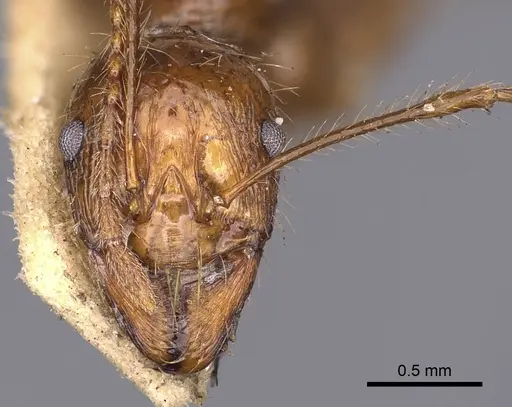
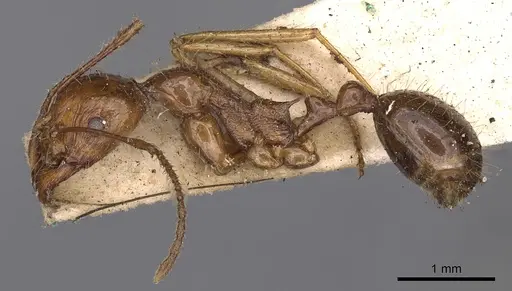
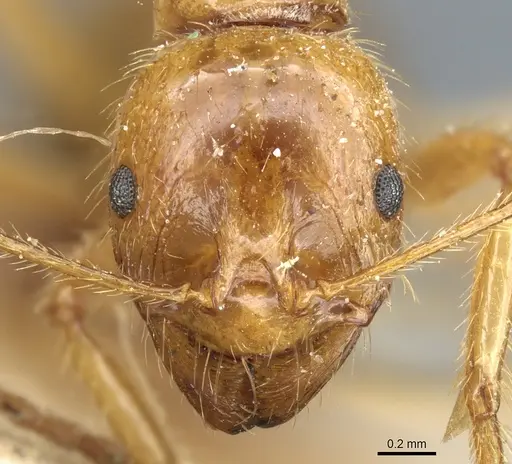
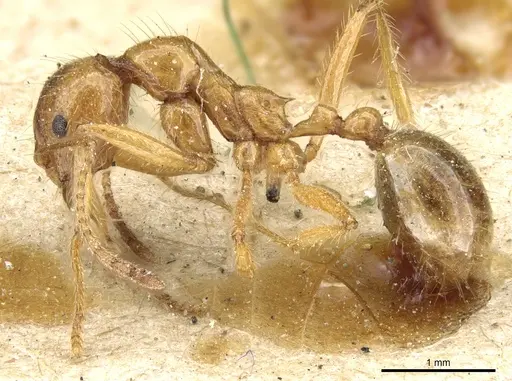
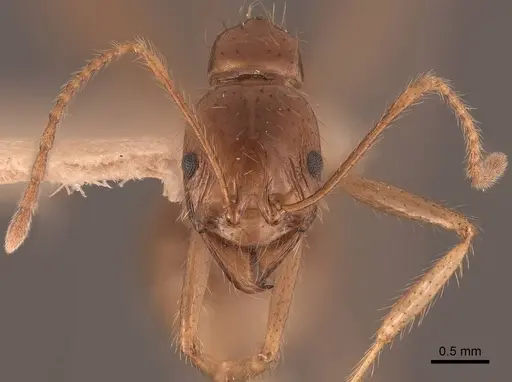
Aphaenogaster longiceps is one of the most commonly encountered ants in eastern Australia, instantly recognizable by the distinctive funnel-shaped craters they build around their nest entrances in sandy soil [1][2]. Workers are small but sturdy, measuring roughly 4-5 mm in length, with notably long antennae and a square-shaped petiole node [1]. They thrive across an impressive range of habitats, from swampy coastal scrub and rainforests to dry woodlands, showing up everywhere from Queensland down to Victoria [1][3].
What makes these ants truly stand out is their role as ecosystem engineers. In the Sydney Basin, funnel ants are responsible for moving over 80% of the soil brought to the surface by all soil animals combined, creating extensive underground galleries that can severely affect soil structure [4][5]. They are also important seed dispersers, collecting seeds with fatty attachments called elaiosomes, and they tend aphids on plant roots for honeydew [6][2]. Despite their massive earth-moving operations, they are solitary foragers that rarely venture far from home, hunting alone at night and sometimes using their funnel entrances as traps for unwary insects [6][2].
Quick Summary
- Difficulty: Medium
- Origin & Habitat: Eastern and southern Australia including New South Wales, Victoria, Queensland, and South Australia, found in habitats ranging from wet sclerophyll and rainforests to dry woodlands and coastal scrub [1][3].
- Colony Type: Unknown, likely single-queen (monogyne) based on typical Aphaenogaster patterns, extensive nest systems suggest colonies can grow large.
- Colony: Monogyne
- Size & Growth:
- Queen: Estimated 6-8 mm based on genus patterns (not directly measured in research).
- Worker: 4-5 mm (head length 0.99-1.43 mm, mesosomal length 1.50-2.07 mm) [1].
- Colony: Unknown, likely moderate to large based on extensive nest systems and high abundance in field studies [7].
- Growth: Moderate (inferred from genus patterns).
- Development: Estimated 8-10 weeks at 25°C based on typical Aphaenogaster development (not directly studied). (Development speed likely depends on temperature and feeding, first workers (nanitics) may emerge slightly faster but smaller.)
- Antkeeping:
- Temperature: Keep at 20-25°C, they tolerate a wide range but perform best at moderate temperatures. Southern populations likely benefit from cooler winter periods [8][1].
- Humidity: Keep nest substrate moderately moist but not waterlogged, they inhabit everything from wet forests to dry woodlands, so they are adaptable but need stable moisture in the nest [1][9].
- Diapause: Likely yes for colonies originating from temperate regions (Victoria, southern NSW), tropical populations may not require it. If unsure, provide a winter rest period at 15-18°C for 2-3 months.
- Nesting: Deep soil or Y-tong (AAC) nests with multiple chambers, avoid shallow setups. In nature they build nests up to 30 cm deep with extensive tunnels [2][1].
- Behavior: Non-aggressive but will defend the nest when disturbed, solitary foragers that hunt alone near the nest entrance, primarily nocturnal, excellent escape artists due to small size [2][1][6].
- Common Issues: small worker size means they can squeeze through tiny gaps, use fine mesh and Fluon barriers., test tubes are unsuitable long-term, they need substrate to dig and will stress without proper soil nesting conditions., extensive soil moving can bury food or block exits in small formicariums., slow, solitary foraging means they may not find food placed far from the nest, offer prey close to entrances., funnel-shaped entrances in nature may collect water, ensure captive nests have drainage and are not flooded.
Nuptial Flight Activity Analysis 74 observations
Flight Activity by Hour 74 observations
Aphaenogaster longiceps nuptial flight activity peaks around 17:00 during the afternoon. Activity is spread across a 13-hour window (09:00–21:00). Times may be influenced by human observation patterns.
Nest Preferences and Soil Engineering
In nature, Aphaenogaster longiceps builds two types of nests depending on soil texture. In sandy soils, they construct the famous funnel-shaped entrances, large, deep cones up to 4 cm across and 30 cm deep with loose dirt mounds around them [2][1]. In firmer soils, the entrances are less obvious with just scattered soil around them, and they also nest under rocks [1]. These nests can be incredibly dense and extensive, sometimes so concentrated that they turn the ground into a loose, fragile surface that collapses underfoot, a real problem on golf courses and pastures [2].
In captivity, you need to replicate their need for depth and excavation. A standard test tube setup will not work for long, they require a soil nest, a deep Y-tong (AAC) setup, or a naturalistic terrarium with at least 15-20 cm of substrate depth. Provide a mix of sand and loam that holds tunnels but is easy to excavate. They will rearrange their space constantly, moving substrate to create chambers. Ensure the nest has a tight-fitting lid or they will escape through the smallest gaps, these are small ants that can squeeze through cracks you might not notice [1].
Feeding and Diet
Funnel ants are opportunistic omnivores with a diverse diet. They are well-known myrmecochores, they collect seeds that have fatty elaiosomes attached, carrying them back to the nest where they eat the fatty part and often discard the seed, helping plant dispersal [6][2]. They also tend aphids on the roots of plants, 'milking' them for honeydew [2]. Additionally, they are predators, arthropod fragments are commonly found in their nests, and their funnel entrances may act as pitfall traps for small surface-dwelling insects [2].
For captive colonies, offer a varied diet. Provide seeds with elaiosomes (like those from acacias or other native Australian plants if available, or experiment with poppy seeds and similar small seeds). Give small live insects such as fruit flies, springtails, or tiny crickets. They will also accept sugar water or honey water, but protein is crucial for colony growth. Because they forage solitarily and don't travel far, place food items near the nest entrance rather than in a distant outworld, or they may not find it [6].
Temperature and Seasonal Care
Aphaenogaster longiceps spans a huge geographic and climatic range, from tropical Queensland down to cool temperate Victoria [1][3]. This makes them quite adaptable, but you should match care to the origin of your colony. For most keepers, maintaining them at 20-25°C works well. If your colony originates from southern regions (Victoria, South Australia), they likely experience cooler winters and will benefit from a diapause period. Drop temperatures to 15-18°C for 2-3 months during winter, reducing feeding but ensuring the nest doesn't dry out [8].
Northern populations may not strictly need diapause, but a cooler period can still trigger more natural brood cycling. Use a heating cable on one side of the nest to create a temperature gradient, allowing the ants to choose their preferred spot. Keep the heating element on the side or top, not underneath, to prevent condensation from flooding lower chambers [10].
Behavior and Temperament
Despite being powerful soil engineers, Aphaenogaster longiceps are not aggressive ants. When you disturb their nest, only a few workers emerge to investigate or defend, and they lack the frantic running and biting behavior of more aggressive species [2][1]. They are primarily nocturnal, so you will see most activity at night. During the day, you might only spot one or two workers maintaining the entrance or tossing out soil pellets.
Their foraging style is solitary, workers hunt alone and rarely travel more than a short distance from the nest [6][1]. This means your outworld can be relatively compact, but you need to ensure food is placed where they will encounter it. They are not escape artists in the sense of actively seeking exits, but their small size (4-5 mm) means any gap is a potential exit route. Use fine mesh ventilation and Fluon or talcum powder barriers on the upper walls of any outworld [1].
Colony Founding
Founding behavior has not been directly documented for Aphaenogaster longiceps in the research literature. Based on patterns seen throughout the Aphaenogaster genus, queens are likely semi-claustral, meaning the queen will need to leave her founding chamber to forage for food rather than surviving entirely on stored fat reserves. If you are raising a colony from a queen, provide her with a small founding setup that includes access to food, offer tiny insects or sugar water in the founding chamber, or connect her to a small outworld once she has workers.
Do not seal a founding queen in a test tube with only water and expect her to raise the first generation, she will likely starve. Instead, use a small soil-filled container or a test tube with a dirt portion, and offer food regularly. Once the first workers (nanitics) emerge, they will take over foraging duties and you can transition to standard feeding routines.
Frequently Asked Questions
Can I keep Aphaenogaster longiceps in a test tube?
Test tubes are not suitable for long-term keeping. While you might start a queen in a test tube temporarily, these ants are soil-nesters that need to excavate and rearrange their environment. They will become stressed in a bare test tube. Move them to a soil nest, Y-tong (AAC), or naturalistic setup as soon as possible, ideally once the first workers emerge [2][1].
What is the best nest type for Aphaenogaster longiceps?
Deep substrate nests work best. Use a Y-tong (AAC) nest with multiple chambers, a plaster nest with deep sections, or a naturalistic setup with 15-20 cm of sand-loam mix. They need room to dig and create their characteristic chamber systems. Avoid shallow acrylic nests, they need vertical space [2][1].
Do Aphaenogaster longiceps need hibernation?
It depends on where your colony originated. Populations from Victoria and southern New South Wales likely need a winter diapause at 15-18°C for 2-3 months. Tropical Queensland populations may not require it. If unsure of origin, provide a mild diapause period to be safe [8][1].
How long until Aphaenogaster longiceps gets their first workers?
Exact timelines are not documented, but based on related Aphaenogaster species, expect roughly 8-10 weeks from egg to first worker at 25°C. This may vary with temperature and whether the queen is properly fed during founding (likely semi-claustral) [10].
What do Aphaenogaster longiceps eat?
They are omnivores. In nature they collect seeds with fatty attachments (elaiosomes), tend root aphids for honeydew, and hunt small arthropods. In captivity, offer small seeds, sugar water, and small live insects like fruit flies or springtails. Place food near the nest entrance as they forage solitarily and don't travel far [6][2].
How big do Aphaenogaster longiceps colonies get?
Exact maximum size is unknown, but their nests in nature can be extensive and dense, suggesting colonies can reach at least several hundred to over a thousand workers. They are abundant in field studies, indicating healthy colonies can grow quite large [7][2].
Are Aphaenogaster longiceps aggressive?
No, they are generally not aggressive. When disturbed, only a few workers emerge to defend the nest, and they are not known to bite readily. However, like most ants, they will defend their brood if threatened [2][1].
Do Aphaenogaster longiceps sting?
They possess a stinger like most Myrmicinae ants, but they are small and not considered dangerous to humans. Any sting would be mild and unlikely to penetrate skin easily [10].
Why are they called funnel ants?
They build distinctive funnel-shaped crater entrances around their nest holes in sandy soil. These funnels can be up to 4 cm wide and 30 cm deep, and may help trap small insects or protect the entrance from flooding [2][1].
Can I keep multiple Aphaenogaster longiceps queens together?
Combining unrelated queens is not recommended. While the exact colony structure is unconfirmed, most Aphaenogaster species are monogyne (single queen). Pleometrosis (multiple queens founding together) has not been documented for this species, and introduced queens will likely fight [10].
References

This caresheet is licensed under CC BY-SA 4.0 .
CASENT0010663
View on AntWeb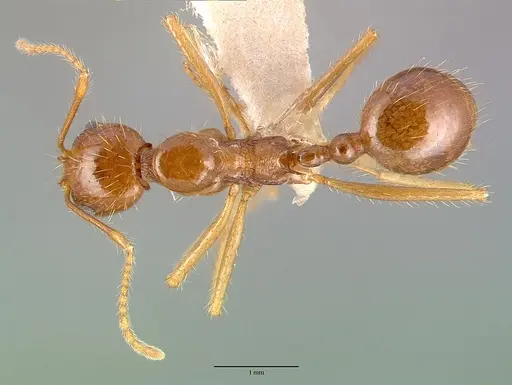
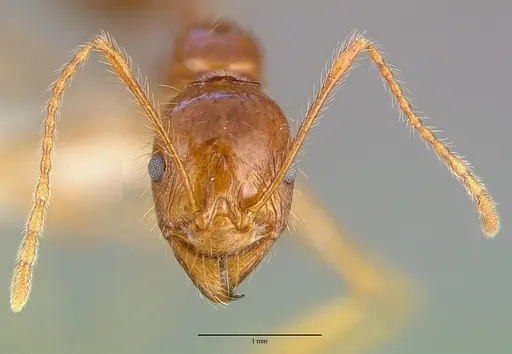
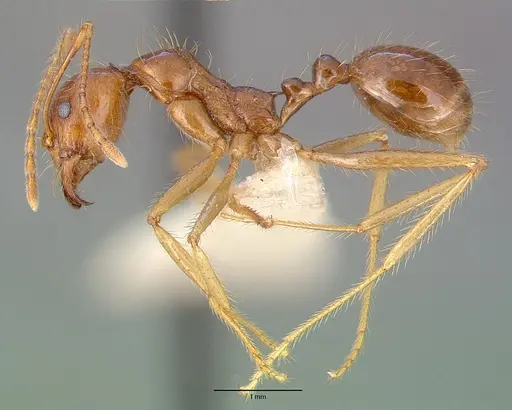
CASENT0900420
View on AntWeb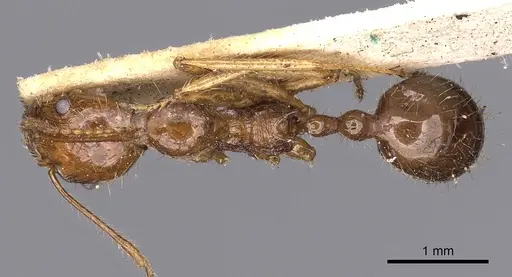
CASENT0904157
View on AntWeb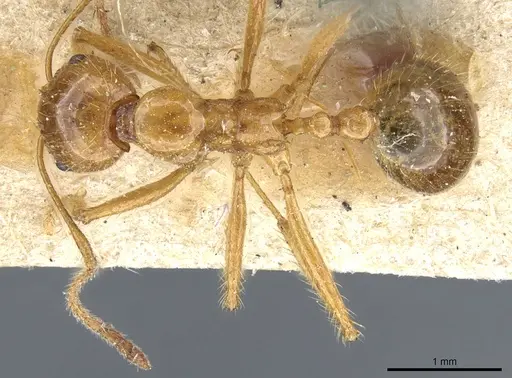
FMNHINS0000049632
View on AntWeb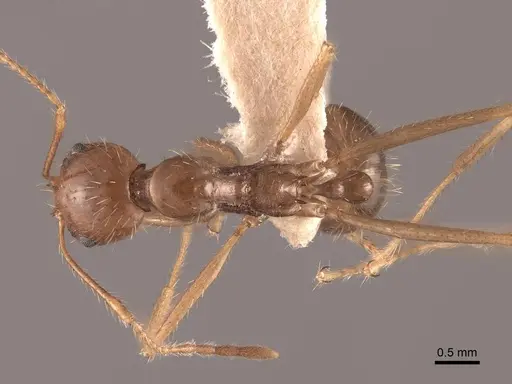
Literature
Loading...Loading products...