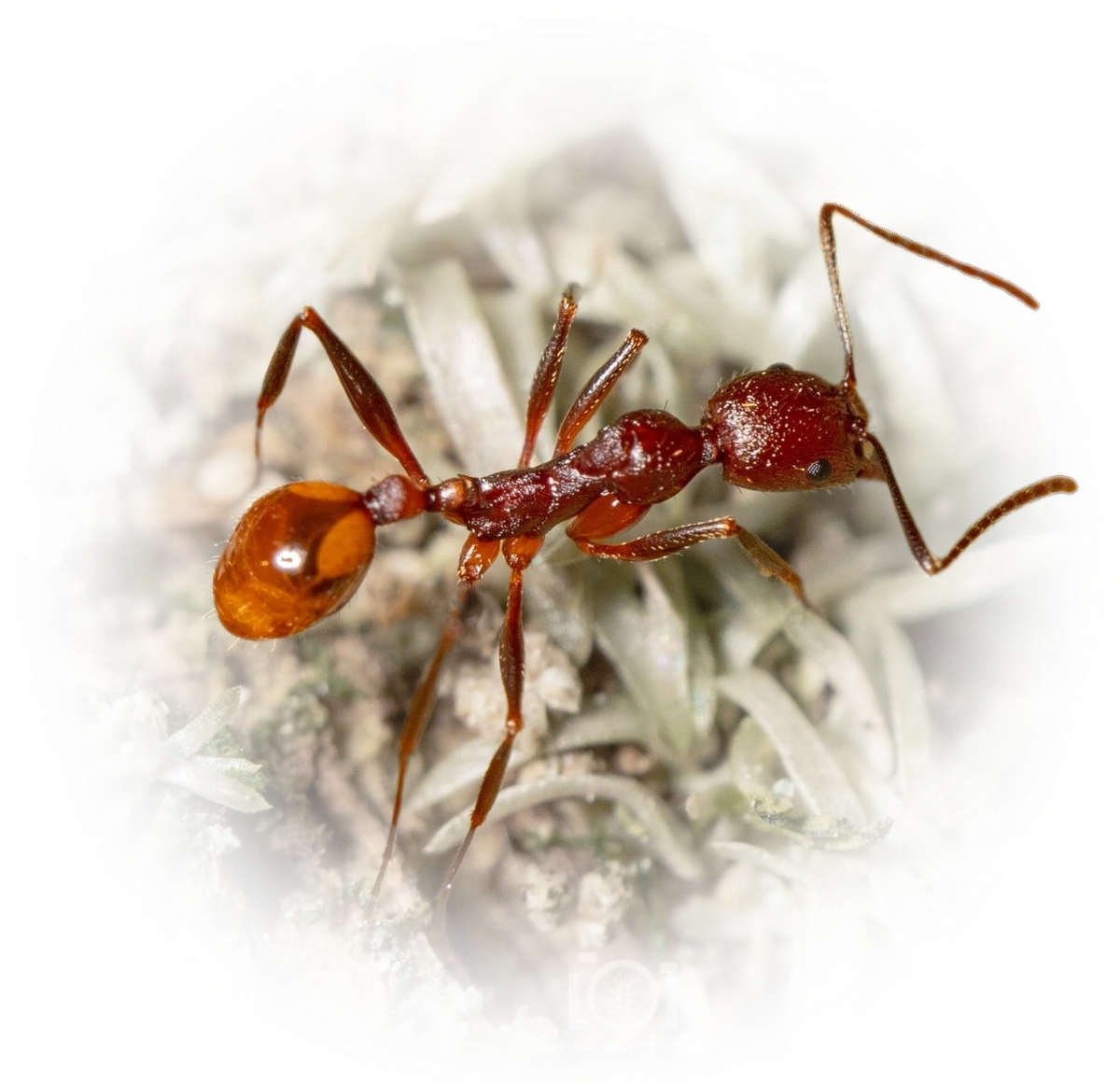

Aphaenogaster lamellidens
- Scientific Name
- Aphaenogaster lamellidens
- Tribe
- Stenammini
- Subfamily
- Myrmicinae
- Author
- Mayr, 1886
- Common Name
- Notched Collared Ant
- Distribution
- Found in 1 countries
Aphaenogaster lamellidens Overview
Aphaenogaster lamellidens (commonly known as the Notched Collared Ant) is an ant species of the genus Aphaenogaster. It is primarily documented in 1 countries , including United States of America. Detailed taxonomic data and occurrence records can be further explored via authoritative databases such as AntWeb or the Global Biodiversity Information Facility (GBIF).
Aphaenogaster lamellidens - "Notched Collared Ant"
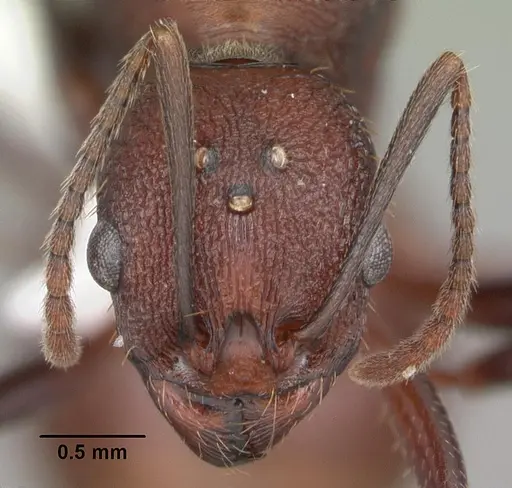
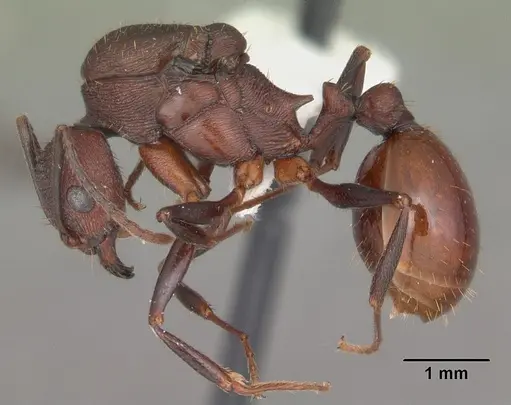
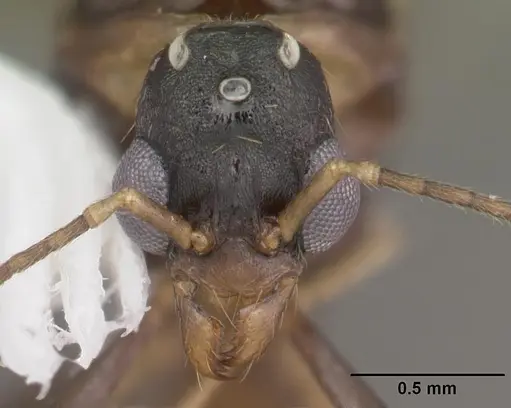
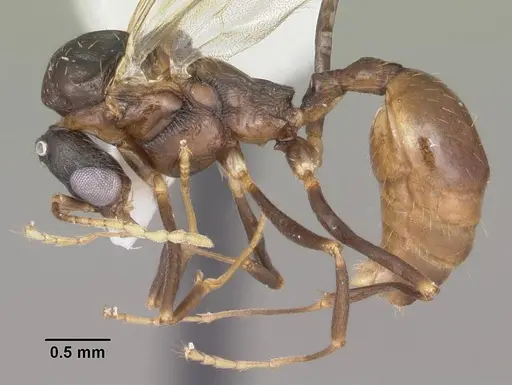
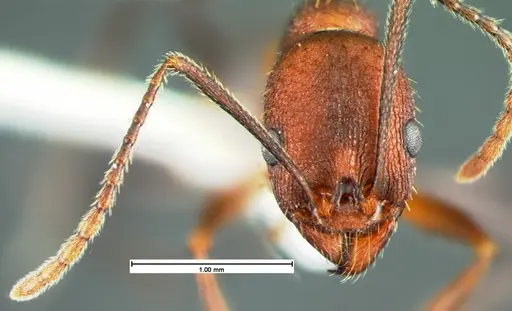
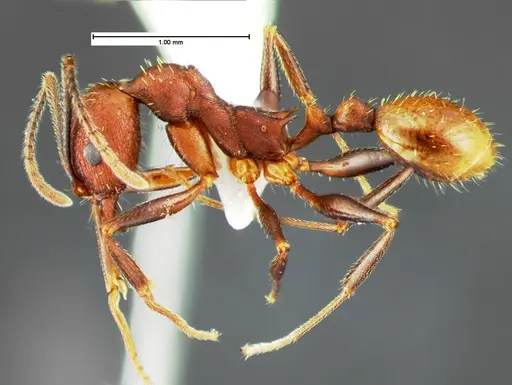
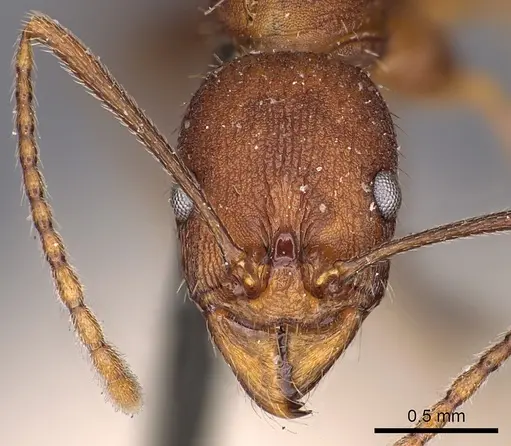
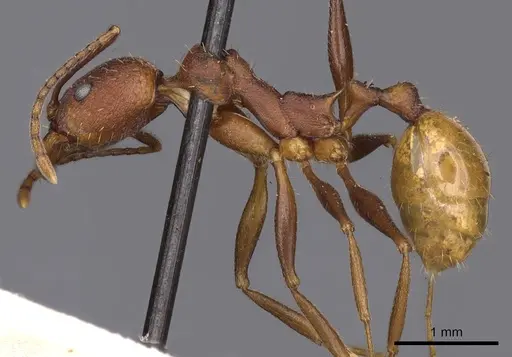
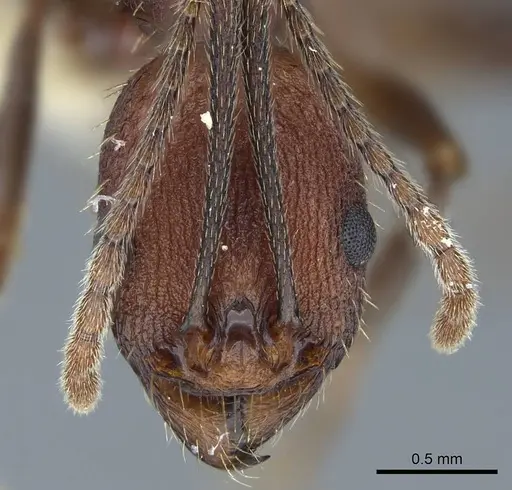
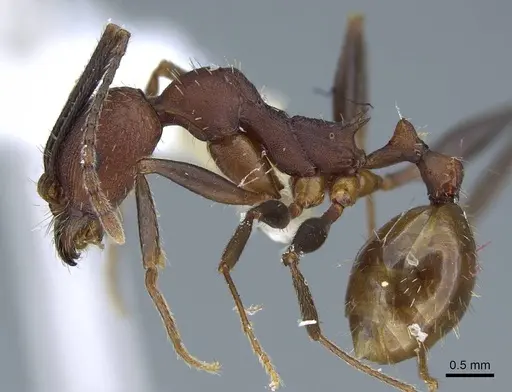
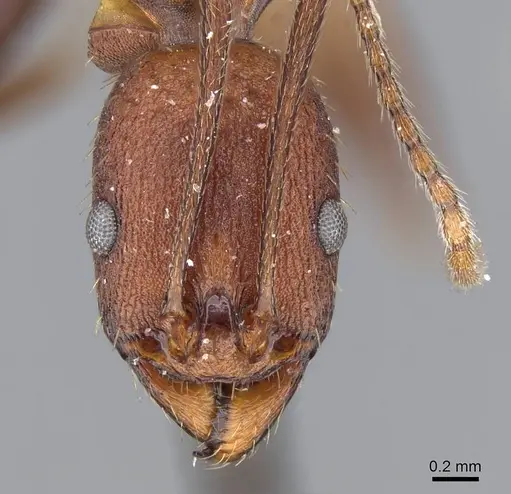
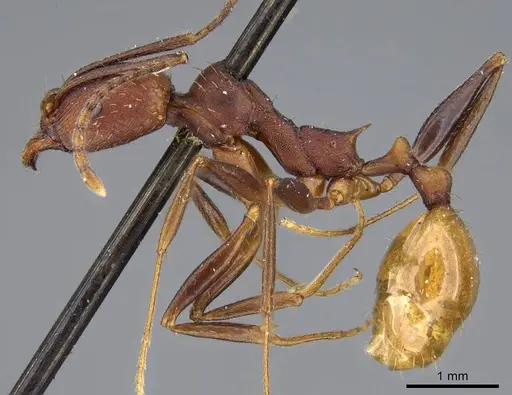
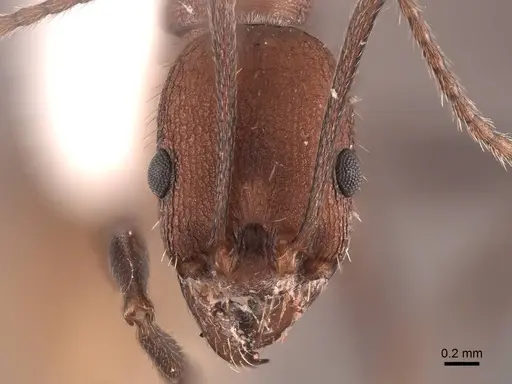
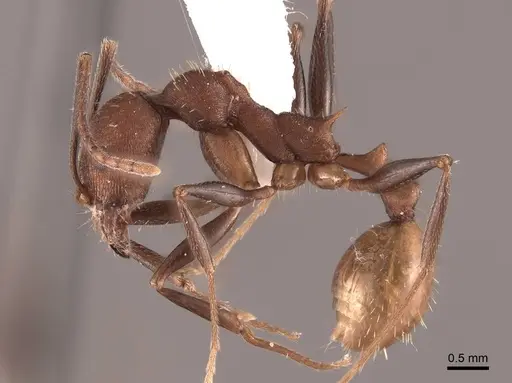
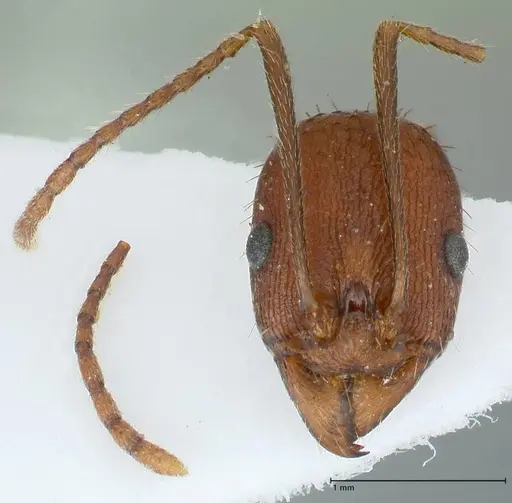
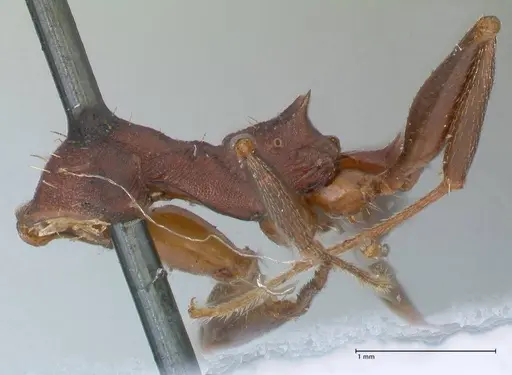
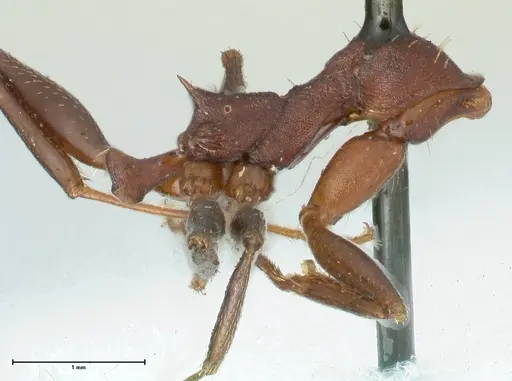
Aphaenogaster lamellidens workers measure 6.3 to 6.8 mm and display a warm orange to reddish-brown coloration with a noticeably paler yellowish-brown gaster [1][2]. You can find them throughout eastern North America, ranging from New York south to Florida and west through Illinois, Missouri, and Texas [3][4]. They prefer deciduous and mixed forests where they nest in rotting wood and standing dead trees [5][6].
What sets this species apart is their specialized relationship with dead wood. In Florida, colonies almost always inhabit hollowed-out sections of living hardwood trees, while populations further north readily occupy fallen logs and standing pines [3][6]. They modify existing termite galleries and seal cracks with wood chips rather than excavating sound wood themselves [3]. If you handle them, you will notice a strong chemical smell, they produce a potent repellent easily detected by the human nose and unpleasant to taste [3].
Quick Summary
- Difficulty: Medium
- Origin & Habitat: Eastern North American deciduous and mixed forests, from New York to Florida and west to Texas [3][4]. Found in mesic (moderately damp) woodlands, oak-hickory forests, and pine forests [7][8].
- Colony Type: Single-queen (monogyne) colonies that can grow very large [3][6].
- Colony: Monogyne
- Size & Growth:
- Queen: Approximately 8-10 mm (estimated from worker size ratios).
- Worker: 6.3-6.8 mm [1][2].
- Colony: Up to several thousand workers [3][6].
- Growth: Moderate
- Development: 8-10 weeks at 25°C (estimated from related temperate Aphaenogaster species). (Development slows significantly during cooler periods. First workers (nanitics) may emerge slightly faster than subsequent brood.)
- Antkeeping:
- Temperature: Keep at 20-25°C during the active season. They are a temperate species requiring a cooling period for diapause [3].
- Humidity: Moderate to high humidity. In nature they prefer damp forests and rotting wood which retains moisture [3][7]. Keep nest substrate damp but not waterlogged.
- Diapause: Yes, required for temperate populations. Cool to 10-15°C for 3-4 months during winter [3].
- Nesting: Provide rotting wood, bark, or naturalistic setups with decaying wood elements. They do not excavate hard materials well [3][6].
- Behavior: Slow, deliberate foragers that travel along tree trunks and ground litter. They are generalist scavengers and predators, readily accepting dead insects [3][8]. They possess a strong chemical defense that produces a noticeable odor when disturbed [3]. Workers are excellent climbers.
- Common Issues: colonies grow large and require spacious housing with multiple expansion options as they mature., escape prevention is critical, they climb well and can squeeze through small gaps around lids and tubing., wood-based nests can mold if ventilation is poor, balance humidity with adequate airflow., wild-caught colonies from rotting wood may bring mites or other hitchhikers into captivity.
Nest Preferences and Housing
In nature, Aphaenogaster lamellidens shows distinct regional nesting preferences. In Florida, colonies almost exclusively inhabit dead portions of living hardwood trees, often modifying old termite galleries and sealing cracks with wood chips [3]. Further north, they readily occupy fallen logs, stumps, and standing dead pines [3][6]. They do not excavate sound wood themselves, so they depend on pre-existing cavities and soft rotting material [3].
In captivity, replicate these conditions with a naturalistic setup containing rotting wood, bark, or cork. You can also use plaster or Y-tong nests with pre-made chambers, as they will not dig through hard acrylic or dense materials. Maintain moderate to high humidity by keeping the substrate damp but not waterlogged, and ensure good ventilation to prevent mold in the wood [3][7].
Feeding and Diet
These ants are generalist predators and scavengers. Workers forage slowly along tree trunks and through leaf litter, collecting live and dead insects including crickets, caterpillars, staphylinid beetles, small spiders, and termites [3][8]. They also gather flower petals and seeds [3]. In captivity, offer a variety of protein sources such as mealworms, crickets, and pre-killed insects. They accept dead prey readily, which makes feeding easier [1]. You can also experiment with small seeds and sugar water or honeydew substitute, though protein should form the bulk of their diet.
Temperature and Seasonal Care
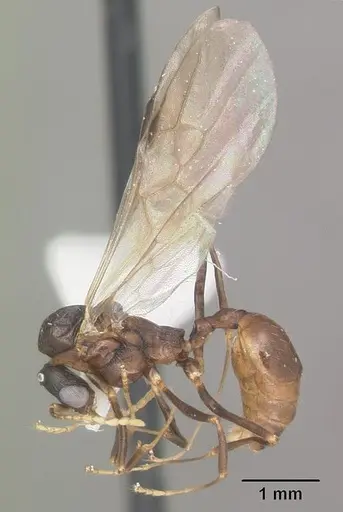
As a temperate species ranging from New York to Florida, Aphaenogaster lamellidens experiences significant seasonal variation [3][4]. Keep active colonies at 20-25°C during the spring and summer. They require a diapause period to maintain healthy colony cycles, cool them to 10-15°C for approximately 3-4 months during winter [3]. Alates have been observed in Florida colonies during June, suggesting nuptial flights occur in early summer [3].
Behavior and Foraging
Workers are slow, deliberate foragers that you will often see walking up and down tree trunks in their search for food [9][3]. They are frequently among the first species to discover baits in their habitat [8]. When disturbed, they release a strong chemical repellent that is easily detected by human smell and tastes unpleasant [3]. They are excellent climbers, so you must use excellent escape prevention such as Fluon or baby powder barriers on enclosure walls.
Colony Growth and Development
Colonies can reach several thousand workers, making them one of the larger Aphaenogaster species in terms of colony size [3][6]. Growth is steady but not explosive compared to tropical species. While specific development times are not documented, related temperate Aphaenogaster species typically take 8-10 weeks to develop from egg to worker at 25°C. Expect your colony to grow from a single queen to hundreds of workers over the first year, eventually requiring substantial space and multiple feeding stations.
Frequently Asked Questions
Can I keep Aphaenogaster lamellidens in a test tube?
Yes, a standard test tube setup works well for the founding stage. However, move them to a wooden or naturalistic setup once the first workers arrive, as they prefer nesting in rotting wood and bark rather than bare glass or plastic.
How long until first workers for Aphaenogaster lamellidens?
Approximately 8-10 weeks at 25°C, though this is estimated from related temperate Aphaenogaster species as specific timing has not been documented.
Do Aphaenogaster lamellidens need hibernation?
Yes, they are a temperate species native to eastern North America and require a winter diapause period. Cool your colony to 10-15°C for 3-4 months during winter.
What is the best nest type for Aphaenogaster lamellidens?
Naturalistic setups with rotting wood, bark, or cork work best. You can also use soft plaster or Y-tong nests with pre-made chambers. They do not excavate hard materials well, so avoid bare acrylic nests expecting them to dig their own tunnels.
Can I keep multiple Aphaenogaster lamellidens queens together?
No, this is not recommended. They are a single-queen (monogyne) species, and multiple queens will likely fight until only one remains or all are injured.
Do Aphaenogaster lamellidens ants sting?
They do not have a painful sting. Instead, they rely on a strong chemical defense that produces a noticeable odor when they are disturbed or crushed.
Are Aphaenogaster lamellidens good for beginners?
They are of medium difficulty. While hardy and accepting of various foods, their requirement for large housing as colonies grow, specific humidity needs, and mandatory diapause make them better suited for keepers with some experience.
What do Aphaenogaster lamellidens eat?
They are generalist foragers that eat live and dead insects such as crickets, caterpillars, beetles, and spiders, as well as seeds and flower petals. In captivity, offer mealworms, crickets, and sugar water.
Why are my Aphaenogaster lamellidens dying?
Common causes include inadequate humidity in the nest (they need damp conditions), lack of proper diapause, overcrowding in small enclosures, or mold growth in wood-based nests with poor ventilation.
References

This caresheet is licensed under CC BY-SA 4.0 .
CASENT0103589
View on AntWeb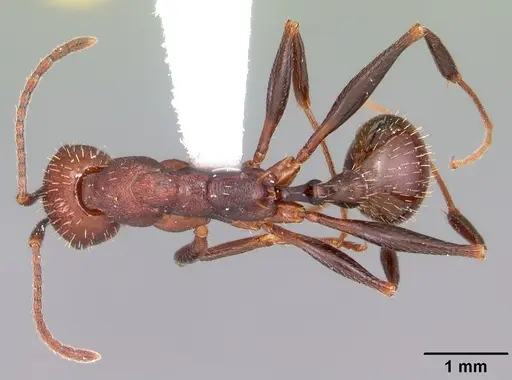
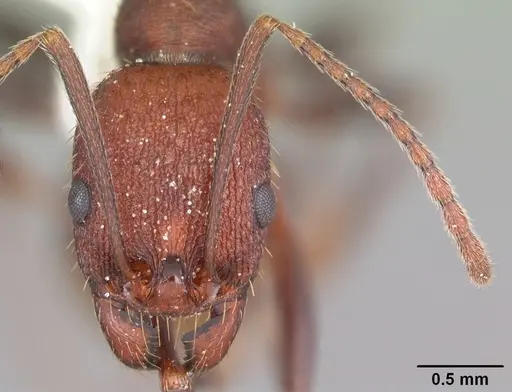
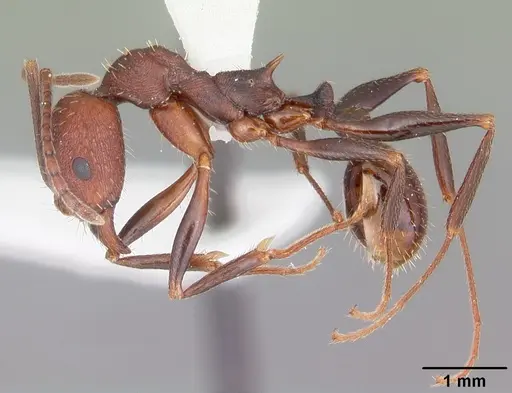
CASENT0103592
View on AntWeb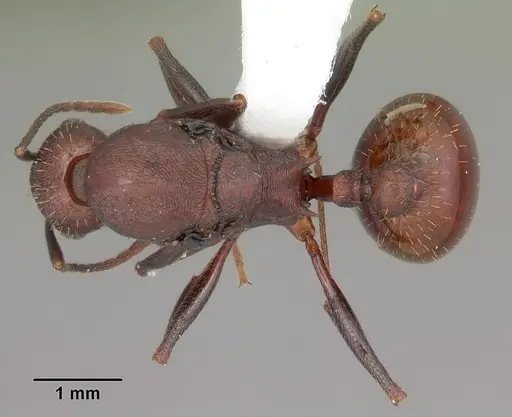
CASENT0103593
View on AntWeb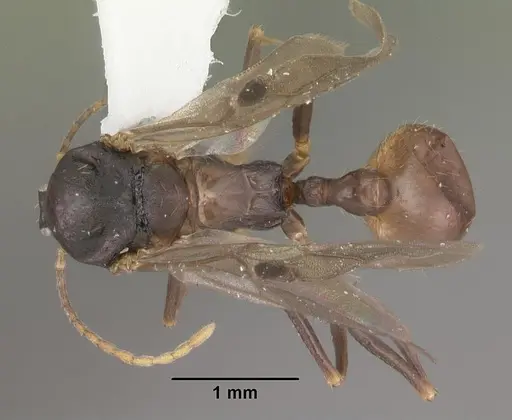
CASENT0105570
View on AntWeb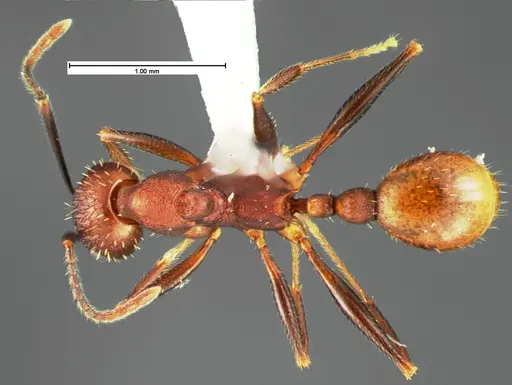
CASENT0900413
View on AntWeb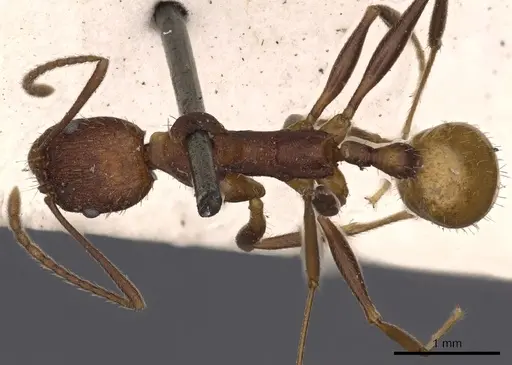
CASENT0914470
View on AntWeb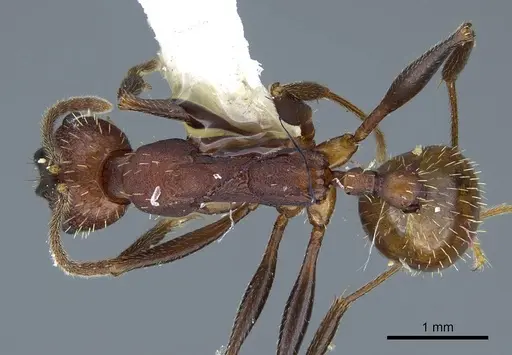
CASENT0919793
View on AntWeb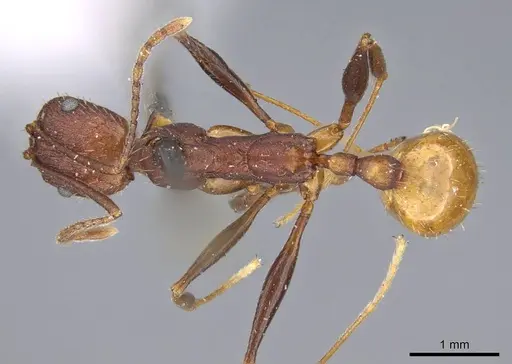
FMNHINS0000062928
View on AntWeb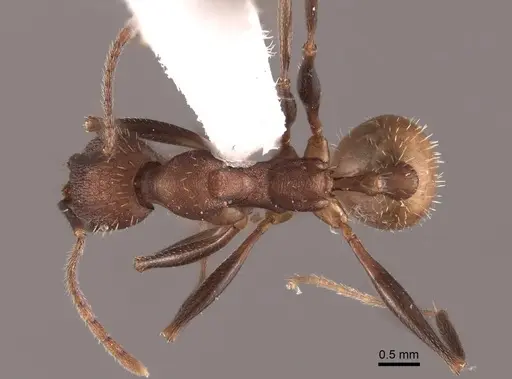
FOCOL1229
View on AntWeb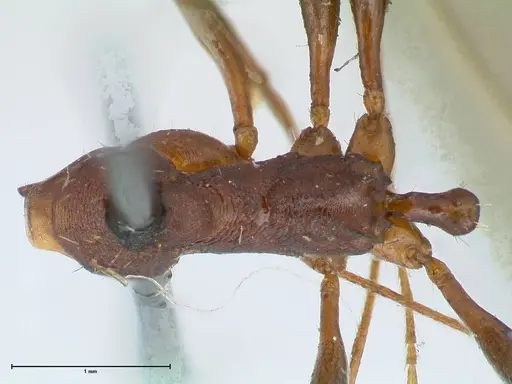
Literature
Loading...Loading products...