

Aphaenogaster karpathica
- Scientific Name
- Aphaenogaster karpathica
- Tribe
- Stenammini
- Subfamily
- Myrmicinae
- Author
- Boer, 2013
- Distribution
- Found in 1 countries
Aphaenogaster karpathica Overview
Aphaenogaster karpathica is an ant species of the genus Aphaenogaster. It is primarily documented in 1 countries , including Greece. Detailed taxonomic data and occurrence records can be further explored via authoritative databases such as AntWeb or the Global Biodiversity Information Facility (GBIF).
Aphaenogaster karpathica
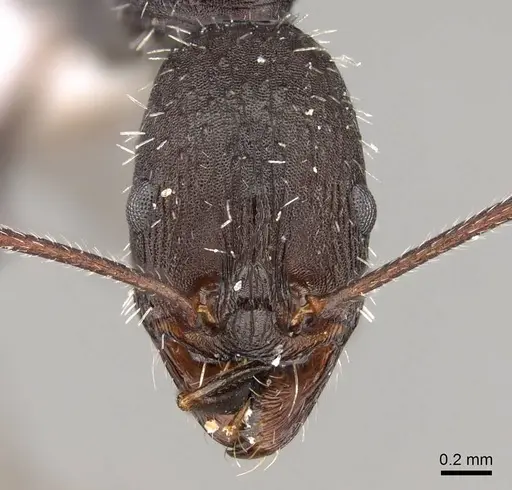
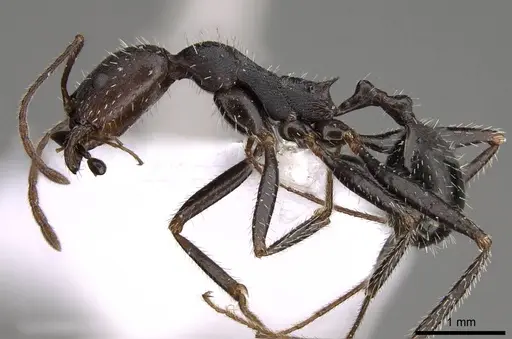
Aphaenogaster karpathica is a small to medium-sized ant measuring around 4-5mm for workers and roughly 6-7mm for queens [1][2]. This species belongs to the testaceopilosa group and shows several distinctive features including a wider combined petiole and postpetiole width than its close relatives, plus relatively short body hairs [1]. As the name suggests, this ant is found only on Karpathos Island in Greece, making it an endemic species with a very restricted range [1][3].
What makes this species notable is its preference for warm, dry Mediterranean conditions. Unlike many ants that prefer damp shade, Aphaenogaster karpathica is thermophilous, meaning it loves warmth, and thrives in dry, sunny habitats with Mediterranean herbs and shrubs [2]. In nature, they nest under flat stones or directly in the ground at elevations between 17 and 863 meters, avoiding damp forest floors in favor of well-drained, sun-exposed areas [2].
Quick Summary
- Difficulty: Medium
- Origin & Habitat: Endemic to Karpathos Island, Greece (Dodecanese archipelago). Found in dry, sunny Mediterranean habitats with herbs and shrubs at elevations of 17-863m [2][3].
- Colony Type: Unknown, likely single-queen based on typical Aphaenogaster patterns, but unconfirmed for this species.
- Size & Growth:
- Queen: Approximately 6-7mm (head length 1.63mm) [2].
- Worker: 4-5mm (head length 1.27-1.52mm) [1][2].
- Colony: Unknown, likely moderate (hundreds of workers) based on related Aphaenogaster species.
- Growth: Unknown, likely moderate.
- Development: Unknown, estimated 8-12 weeks based on related Aphaenogaster species at 25°C. (Timeline is inferred from genus patterns, actual development time may vary based on temperature and care.)
- Antkeeping:
- Temperature: Warm conditions required. As a thermophilous Mediterranean species, maintain 25-28°C during the active season with a gentle heat gradient [2].
- Humidity: Dry to moderately humid. Nest under stones suggests well-drained conditions, keep substrate slightly moist but never waterlogged [2].
- Diapause: Likely yes, as an extratropical Mediterranean species, expect winter rest period at 10-15°C for 2-3 months, though exact requirements remain unconfirmed [4].
- Nesting: Naturalistic setup with flat stones or shallow soil nests works best. In nature they nest under stones or directly in ground [2].
- Behavior: Unknown specifically for this species. Likely active foragers and scavengers typical of the genus. Workers are small and fast-moving. Stinging ability unconfirmed but Aphaenogaster typically possess a mild sting [5].
- Common Issues: extreme rarity in the ant trade due to endemic status on a single island., limited biological data means you'll need to observe your colony closely and adjust care based on their response., thermophilous nature requires consistent warmth, colonies may struggle in cool rooms without supplemental heating., endemic status means never release outside Karpathos Island to prevent ecological risks.
Nest Preferences
In their native Karpathos habitat, Aphaenogaster karpathica nests under flat stones or directly in the ground, favoring dry, sunny spots with Mediterranean vegetation [2]. This suggests they prefer well-drained, relatively compact nesting sites rather than deep, damp soil.
For captive care, a naturalistic setup with flat stones over a shallow soil or sand-clay mixture works well. You can also use a standard formicarium with moderate humidity chambers, but avoid overly damp plaster or tube setups that stay wet. Provide a stone or ceramic hide that sits directly on the substrate surface, this mimics their natural stone-nesting behavior and gives them the security they prefer. Ensure the nest has good ventilation to prevent mold in their preferred drier conditions.
Temperature and Seasonal Care
Aphaenogaster karpathica is described as thermophilous, literally warmth-loving, and inhabits dry, sunny Mediterranean habitats [2]. This means they need warmer conditions than many temperate ants.
Keep your colony at 25-28°C during the active season (spring through autumn). Use a heating cable or mat on one side of the nest to create a gentle gradient, allowing the ants to choose their preferred spot. Place the heat source on top or side of the nest, not underneath, to avoid creating condensation issues.
As an extratropical species from the Palearctic region at roughly 39°N latitude [4], they likely experience seasonal changes and may need a winter rest period (diapause). Lower temperatures to 10-15°C for 2-3 months during winter, though exact diapause requirements remain unconfirmed for this species. Watch for reduced activity and brood production as cues to begin cooling.
Feeding and Diet
While specific dietary studies for Aphaenogaster karpathica do not exist, members of the genus Aphaenogaster are generally omnivorous scavengers with a preference for seeds and small insects [5].
Offer your colony a varied diet including small live insects (fruit flies, springtails, small crickets) and seeds such as chia, millet, or canary seed. They will also accept sugar water or honey water for carbohydrates. Feed small amounts twice weekly, removing uneaten food promptly to prevent mold in their drier nest environment. Because they are scavengers by nature, they may prefer pre-killed or sluggish prey over very active large insects.
Behavior and Temperament
Little is known about the specific behavior of Aphaenogaster karpathica, but based on genus patterns, expect moderate activity levels with regular foraging during the day and evening. Aphaenogaster species are generally non-aggressive and make peaceful colony inhabitants.
Workers are small (4-5mm) and can move quickly [1]. While not typically considered escape artists compared to tiny species like Monomorium, you should still use standard escape prevention such as Fluon or baby powder barriers on outworld rims. The species likely possesses a functional stinger as do most Aphaenogaster, though they are not known for defensive stinging and pose little risk to humans [5].
Frequently Asked Questions
Can I keep Aphaenogaster karpathica in a test tube?
Test tubes can work for founding queens, but ensure the water reservoir is not too large to avoid flooding. However, given their preference for stone nesting and drier conditions, they may prefer a small naturalistic setup with a stone hide over a standard test tube once established [2].
What temperature do Aphaenogaster karpathica need?
Keep them warm at 25-28°C during the active season. They are thermophilous (warmth-loving) Mediterranean ants that thrive in sunny, warm conditions [2]. Use a heat gradient so they can regulate their temperature.
Do Aphaenogaster karpathica need hibernation?
Likely yes. As an extratropical Mediterranean species, they probably need a winter rest period at 10-15°C for 2-3 months, though exact requirements are unconfirmed. Watch for natural slowing of activity as your cue to cool them down [4].
How big do Aphaenogaster karpathica colonies get?
Colony size is unknown for this species, but based on related Aphaenogaster, expect moderate-sized colonies of several hundred workers rather than massive supercolonies.
What do Aphaenogaster karpathica eat?
They likely eat a mix of seeds and small insects typical of the genus. Offer small live prey like fruit flies and springtails, plus various seeds and sugar water [5].
Are Aphaenogaster karpathica good for beginners?
Probably not ideal for complete beginners due to their rarity, endemic status, and lack of specific care data. They are better suited to keepers with some experience who can observe and adapt care based on colony behavior.
How long until Aphaenogaster karpathica get their first workers?
Development time is unconfirmed. Based on related Aphaenogaster species, expect roughly 8-12 weeks from egg to first worker at 25°C, but this is an estimate.
Where do Aphaenogaster karpathica nest in the wild?
They nest under flat stones or directly in the ground in dry, sunny Mediterranean habitats with herbs and shrubs, typically at elevations between 17 and 863 meters [2].
Do Aphaenogaster karpathica ants sting?
Probably yes, as most Aphaenogaster possess a functional stinger, but they are not aggressive and the sting is mild and unlikely to penetrate human skin [5].
References

This caresheet is licensed under CC BY-SA 4.0 .
CASENT0914404
View on AntWeb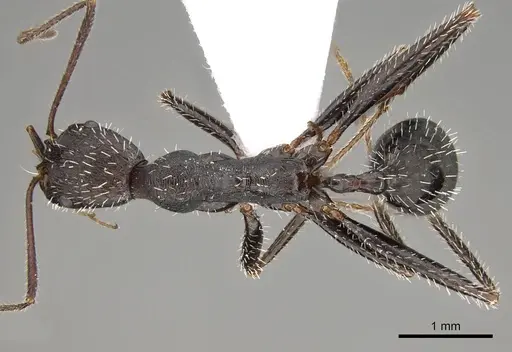
Literature
Loading...Loading products...