

Aphaenogaster italica
- Scientific Name
- Aphaenogaster italica
- Tribe
- Stenammini
- Subfamily
- Myrmicinae
- Author
- Bondroit, 1918
- Distribution
- Found in 1 countries
Aphaenogaster italica Overview
Aphaenogaster italica is an ant species of the genus Aphaenogaster. It is primarily documented in 1 countries , including Switzerland. Detailed taxonomic data and occurrence records can be further explored via authoritative databases such as AntWeb or the Global Biodiversity Information Facility (GBIF).
Aphaenogaster italica
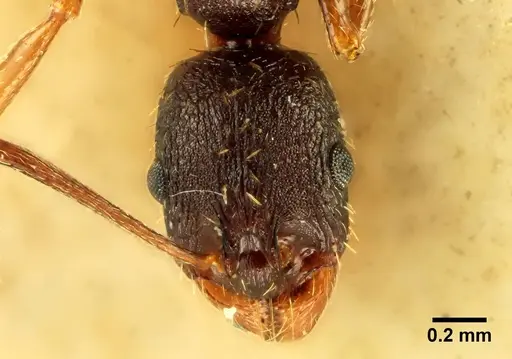
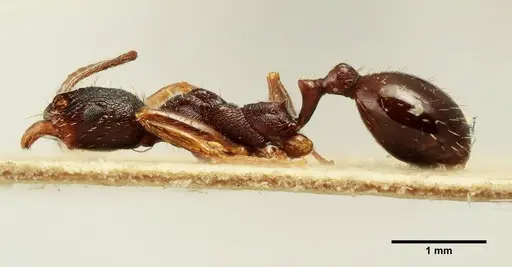
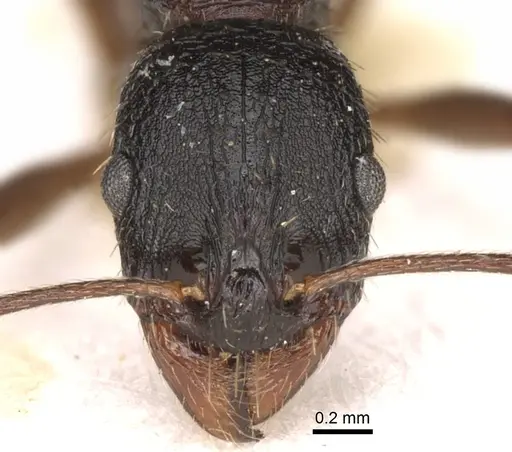
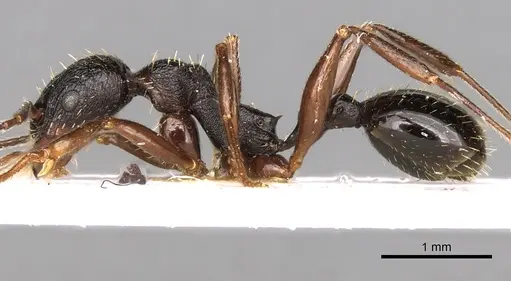
Aphaenogaster italica is a small, dark ant native to Italy and Switzerland. Workers measure just 3.7-4.4 mm while queens reach 5-6 mm [1]. They show the typical Aphaenogaster look with strongly sculptured, matte thoraxes and short triangular propodeal spines [1][2]. Their coloration is distinctive: brownish-black bodies with reddish thoraxes and lighter yellowish-brown mandibles and legs [1]. In the wild, they nest in soil, with records from the Italian mainland north to Calabria and southern Switzerland [1][3].
Recent genetic research has shaken up their classification. Originally placed in the gibbosa species group based on looks, Aphaenogaster italica actually appears to be polyphyletic, meaning they do not share a single common ancestor with the other gibbosa group species despite looking similar, and may be more closely related to A. obsidiana, though the evidence is weak [4]. This taxonomic confusion reflects how little we still know about this species' biology and behavior.
Quick Summary
- Difficulty: Medium
- Origin & Habitat: Italy and Switzerland, extratropical Palearctic region [5][3]. Nests in soil [1].
- Colony Type: Likely single-queen based on typical Aphaenogaster patterns, but unconfirmed for this species.
- Size & Growth:
- Queen: 5-6 mm [1]
- Worker: 3.7-4.4 mm [1]
- Colony: Unknown, likely moderate (hundreds to low thousands) based on genus patterns
- Growth: Unknown, estimated moderate
- Development: Unknown, estimated 8-12 weeks based on related temperate Aphaenogaster species (Development speed depends heavily on temperature. This is an estimate only.)
- Antkeeping:
- Temperature: Likely 20-25°C during activity period, being an extratropical temperate species, they probably require cooler winter conditions around 10-15°C [5]. Start at 22°C and adjust based on activity.
- Humidity: Moderate, nest substrate should feel damp but not waterlogged. Soil-nesting species prefer consistent moisture [1].
- Diapause: Likely yes, required for temperate species, though not explicitly documented. Provide 3-4 months at 10-15°C.
- Nesting: Soil nests in nature [1]. In captivity, use naturalistic setups with soil or plaster nests with substrate. Avoid open acrylic nests without substrate.
- Behavior: Temperament unconfirmed. Their small size (under 5mm) means escape prevention must be excellent, use fine mesh and barriers.
- Common Issues: tiny workers (3.7-4.4mm) can escape through the smallest gaps, use fine mesh and Fluon barriers., limited scientific data means care requirements involve some guesswork, observe your colony closely and adjust., soil-nesting species may stress in bare acrylic nests without substrate., wild-caught colonies from soil may bring mites or parasites.
Nest Preferences
In nature, Aphaenogaster italica nests in soil [1]. This means you should provide a nest that mimics soil conditions. Naturalistic setups with a soil and plaster mix work well, or use Y-tong (aerated concrete) nests with substrate added. The key is providing a dark, enclosed environment with some humidity retention. Avoid tall acrylic nests with open spaces, these ants are built for crawling through compact soil tunnels. If using a test tube for founding, provide a dark cover and ensure the cotton is tight enough that tiny workers cannot squeeze past.
Temperature and Seasonal Care
Coming from the extratropical Palearctic region at around 41.5°N latitude [5], these ants experience distinct seasons. During the warm months, keep them at roughly 20-25°C. When the colony slows down in late autumn, move them to a cooler spot for winter rest. While not explicitly documented, related temperate Aphaenogaster species need 3-4 months at 10-15°C to complete their annual cycle. Watch for reduced activity and brood development slowing, this signals it is time to cool them down. Do not let them freeze.
Feeding and Diet
Specific diet studies for Aphaenogaster italica do not exist. Based on typical Aphaenogaster patterns [6], they are likely omnivorous. Offer a mix of protein sources like small insects (fruit flies, tiny crickets, mealworm pieces) and carbohydrates like sugar water or honey. Some Aphaenogaster species also collect seeds, so offering small seeds like chia or poppy seeds may be accepted. Start with small prey items given their small worker size.
Colony Founding
Founding behavior has not been directly observed for this species. Based on typical Aphaenogaster patterns, queens likely seal themselves in (claustral founding) and raise the first workers on stored body fat without needing food. Set up founding queens in standard test tubes with water reservoirs blocked with cotton. Keep them dark and undisturbed for the first 6-8 weeks. If the queen appears stressed or you see her attempting to leave the tube, she may be semi-claustral and require feeding, but this is unlikely for this genus.
Taxonomic History
Aphaenogaster italica has had a confusing taxonomic journey. First described in 1918 as a variety of A. strioloides, then treated as a subspecies of A. gibbosa, it is now recognized as a full species [6]. However, recent phylogenetic work shows the gibbosa group is polyphyletic, the species in it do not actually share a common ancestor. Aphaenogaster italica appears to be a separate lineage possibly related to A. obsidiana, though the genetic support for this is weak [4]. This explains why they look similar to other gibbosa group members but may behave differently.
Frequently Asked Questions
Can I keep Aphaenogaster italica in a test tube?
Yes. Use a standard test tube setup with a water reservoir blocked by cotton. Keep the tube dark and at room temperature (around 20-22°C) until the first workers hatch.
How long until Aphaenogaster italica gets its first workers?
The exact timeline is unknown. Based on related temperate Aphaenogaster species, expect roughly 8-12 weeks from egg to first worker at 22-25°C. The first workers (nanitics) will be smaller than normal workers.
Do Aphaenogaster italica need hibernation?
Likely yes. As a temperate species from Italy and Switzerland, they probably need 3-4 months of winter rest at 10-15°C. If your colony stops producing brood and activity slows in autumn, move them to a cooler location.
Can I keep multiple Aphaenogaster italica queens together?
Not recommended. While not specifically studied, most Aphaenogaster species are monogyne (single-queen). Combining unrelated queens will likely result in fighting and death.
What do Aphaenogaster italica eat?
Probably an omnivorous diet including small insects and sugary liquids. Offer fruit flies, small cricket pieces, and sugar water. They may also accept small seeds.
Are Aphaenogaster italica good for beginners?
They are medium difficulty. Their small size makes escapes likely without proper barriers, and the lack of specific care data means you will need to observe and adjust based on colony response.
Do Aphaenogaster italica ants sting?
They possess stingers but are too small to penetrate human skin effectively. They may bite if threatened, but are not dangerous.
How big do Aphaenogaster italica colonies get?
Colony size is unconfirmed. Based on similar Aphaenogaster species, expect anywhere from a few hundred to perhaps 1000 workers at maturity.
References

This caresheet is licensed under CC BY-SA 4.0 .
ANTWEB1041228
View on AntWeb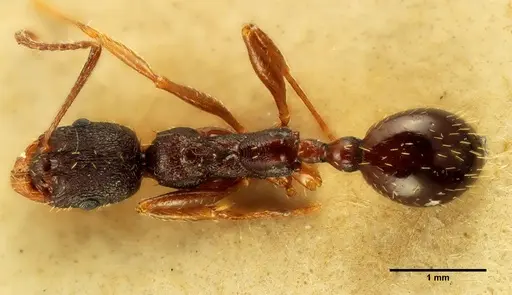
CASENT0281585
View on AntWeb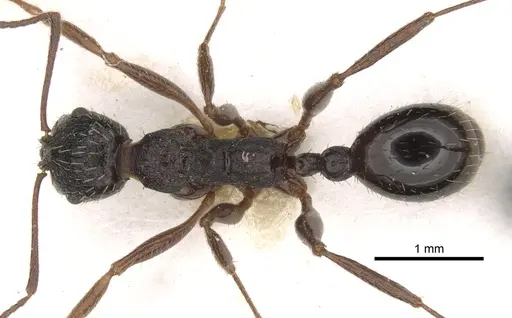
Literature
Loading...Loading products...