

Aphaenogaster graeca
- Scientific Name
- Aphaenogaster graeca
- Tribe
- Stenammini
- Subfamily
- Myrmicinae
- Author
- Schulz, 1994
- Distribution
- Found in 1 countries
Aphaenogaster graeca Overview
Aphaenogaster graeca is an ant species of the genus Aphaenogaster. It is primarily documented in 1 countries , including Greece. Detailed taxonomic data and occurrence records can be further explored via authoritative databases such as AntWeb or the Global Biodiversity Information Facility (GBIF).
Aphaenogaster graeca
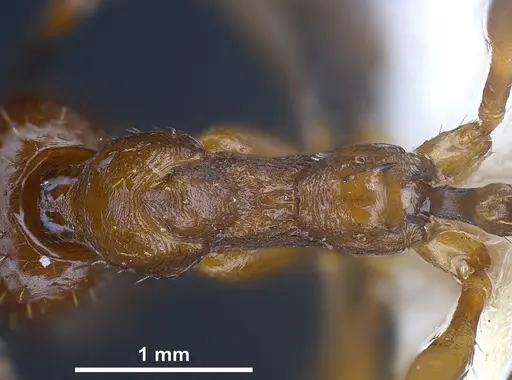
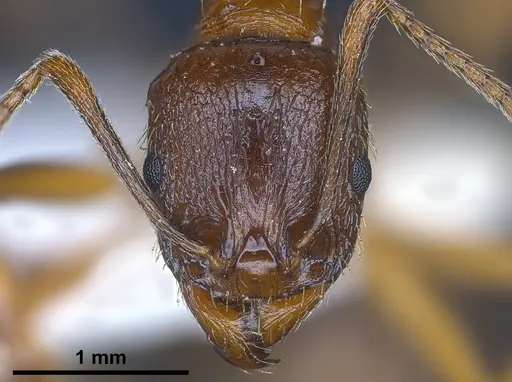
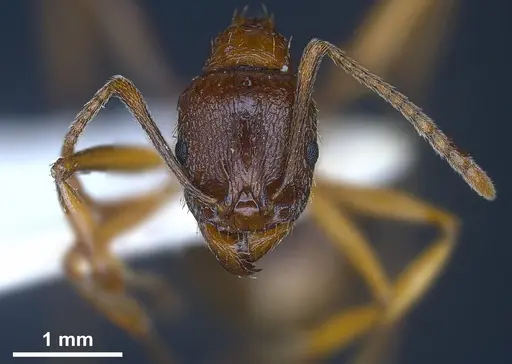
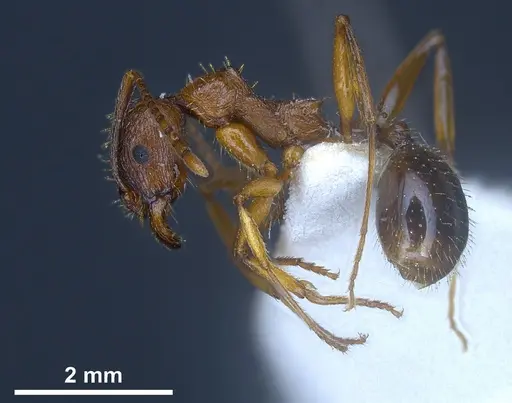
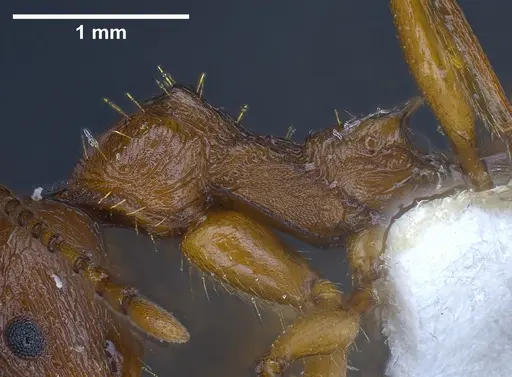
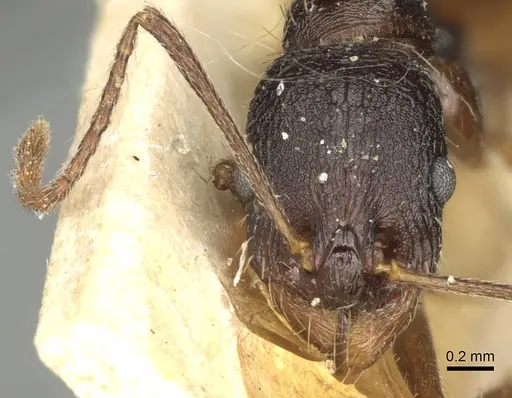
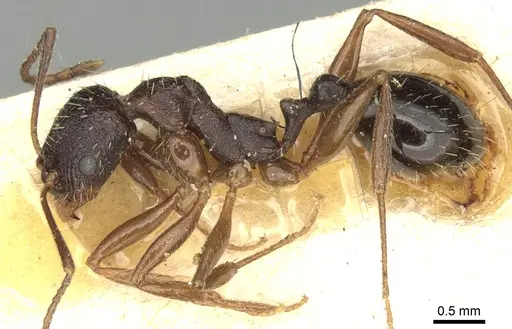
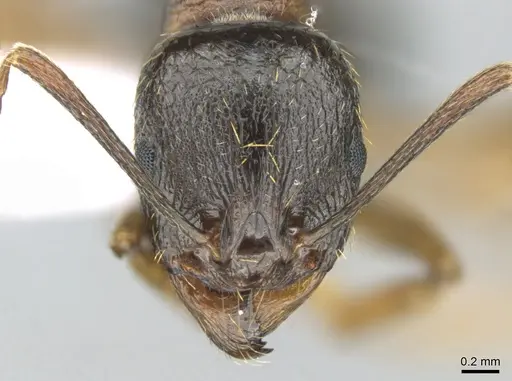
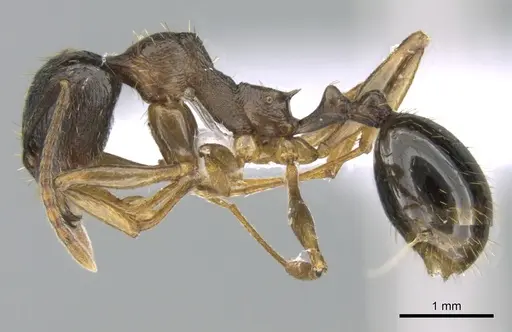
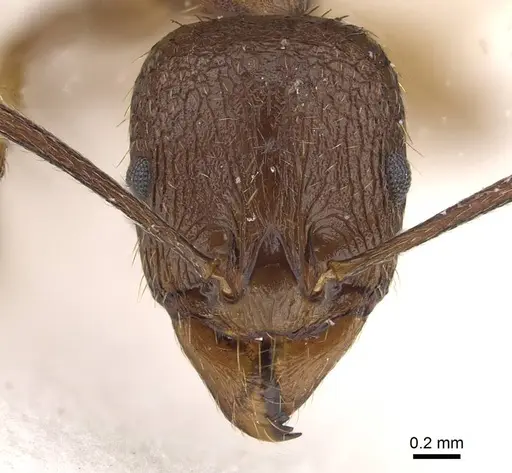
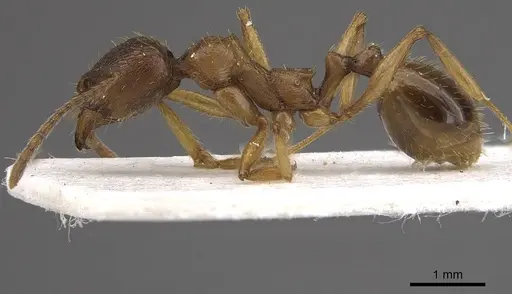
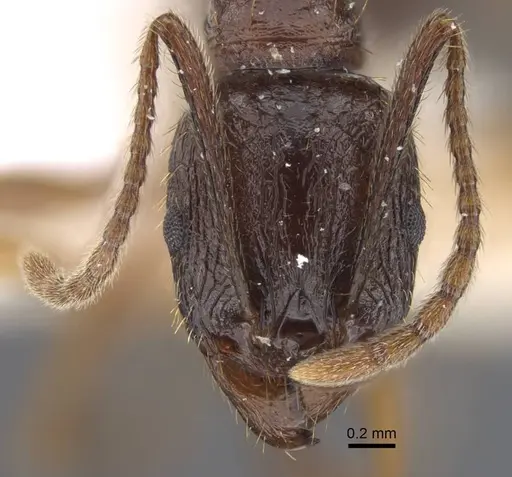
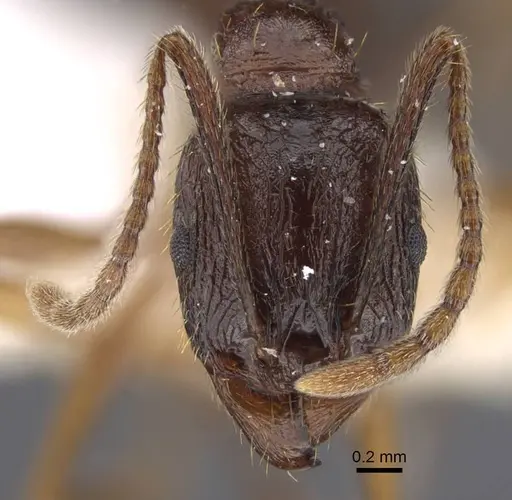
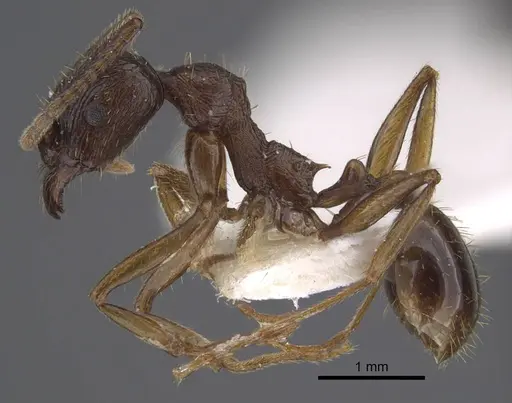
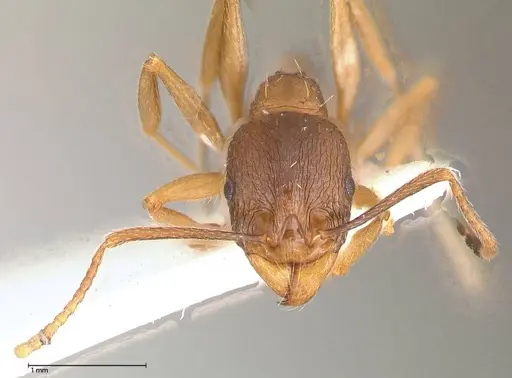
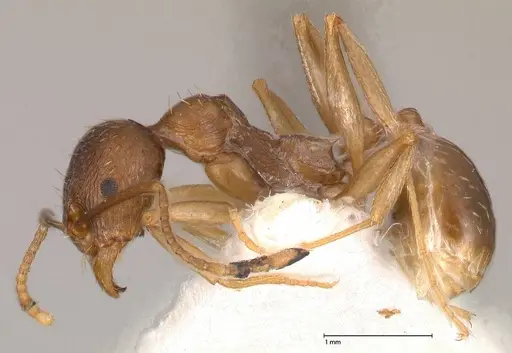
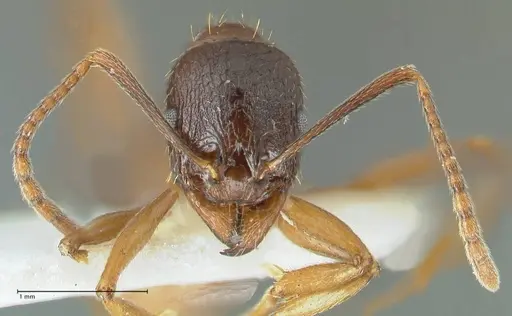
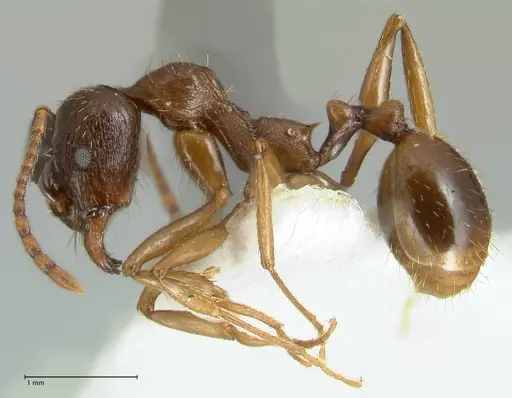
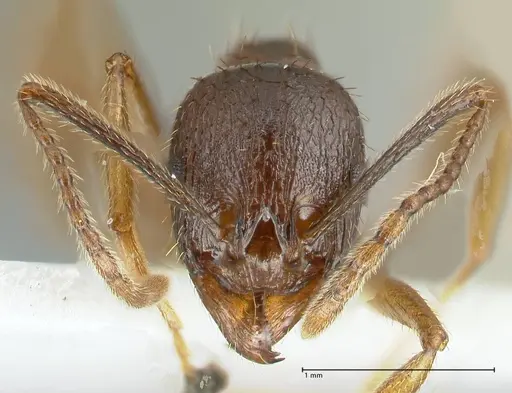
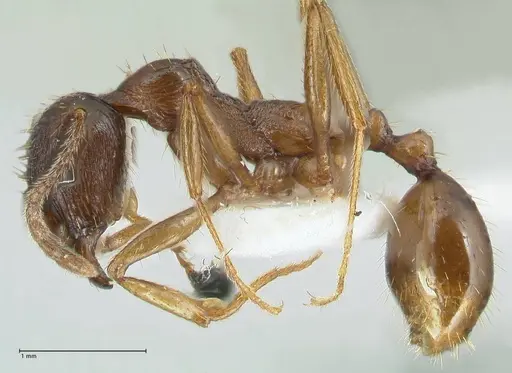
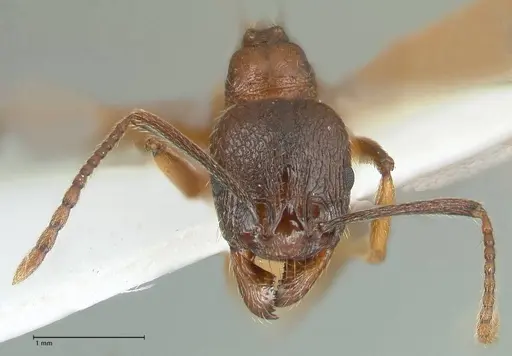
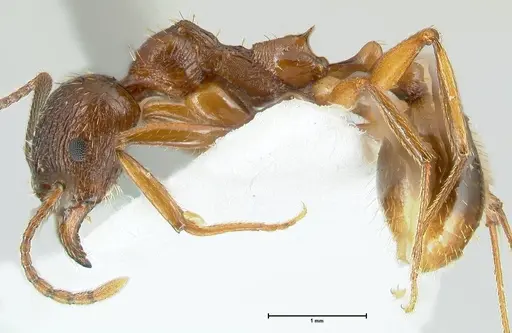
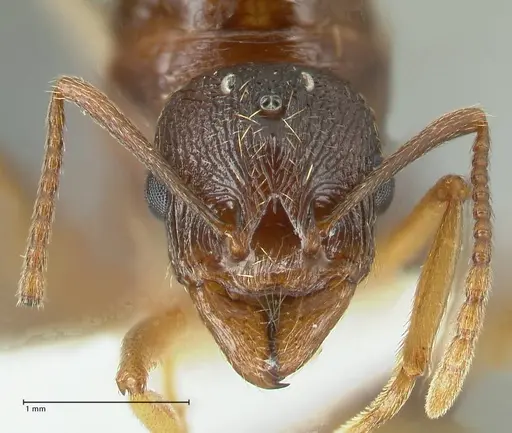
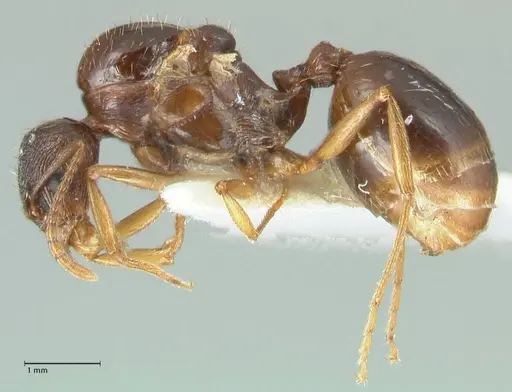
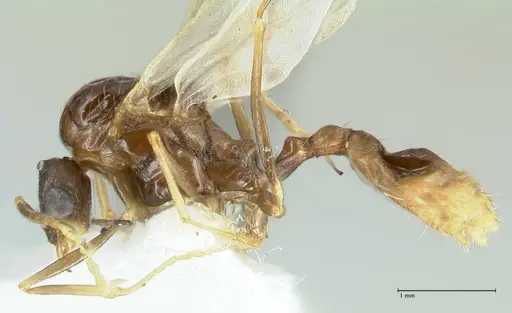
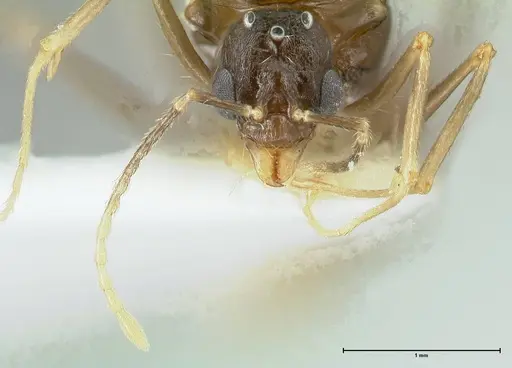
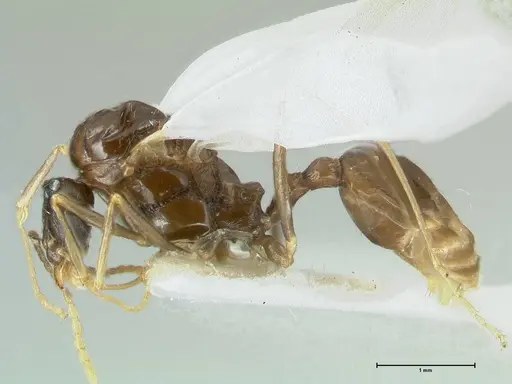
Aphaenogaster graeca is a medium-small ant found only in the mountains of northern Greece. Workers measure roughly 4-5mm with dark brown bodies and heads that are distinctly darker than the rest of the body [1][2]. They possess long legs and antennae typical of the genus, along with medium-sized propodeal spines [3]. This species lives exclusively on the Olympus Massif and adjacent mountain ranges at elevations between 649 and 1200 meters [2][4].
What sets this species apart is its remarkably small colony size and restricted range. Wild nests contain fewer than 50 workers and are found under large stones in damp, shaded deciduous and mixed forests [2]. As a Greek endemic, meaning it occurs nowhere else on Earth, these ants represent a unique piece of Mediterranean biodiversity confined to the alpine zones of Mount Olympus and nearby peaks [5][3].
Quick Summary
- Difficulty: Hard
- Origin & Habitat: Endemic to Greece (Olympus Massif, Pieria Mountains, Kato Olympus) at 649-1200m elevation in damp, shaded deciduous and mixed forests [2][4][5]
- Colony Type: Single-queen colonies (monogyne) containing up to 50 workers [2]
- Colony: Monogyne
- Founding: Claustral
- Size & Growth:
- Queen: Approximately 6-7mm (estimated from HL 1.52mm, ML 2.89mm) [2]
- Worker: Approximately 4-5mm (HL 1.18-1.49mm, ML 1.82-2.19mm) [1][2]
- Colony: Up to 50 workers [2]
- Growth: Slow
- Development: Estimated 8-12 weeks at 20°C (Not directly measured, estimate based on similar temperate Myrmicinae. Development slows at cooler temperatures.)
- Antkeeping:
- Temperature: Cool,15-22°C during active season, requires winter diapause at 5-10°C [inferred from alpine habitat 18242]
- Humidity: High, damp substrate required, species prefers 'wet places' and shade [2]
- Diapause: Yes, required (3-4 months at 5-10°C) [inferred from alpine habitat 18242]
- Nesting: Under flat stones or in tight, humid chambers, naturalistic setups with slate or Y-tong (AAC) nests work well [2]
- Behavior: Likely calm and slow-moving due to small colony size and cool habitat preferences, moderate escape risk at 4-5mm size [2]
- Common Issues: extremely difficult to source legally due to endemic status and Greek biodiversity protections [5][4], colonies remain small (under 50 workers) which may disappoint keepers expecting large colonies [2], sensitive to overheating, temperatures above 25°C likely fatal for this alpine species [inferred from 18242], require consistent dampness, desiccation is a major risk if substrate dries out [2]
Natural History and Distribution
This species is endemic to Greece, meaning it occurs nowhere else in the world [5]. You will only find them on the Olympus Massif and adjacent mountain ranges including Pieria and Kato Olympus in the Macedonia region [2][4]. They inhabit alpine zones between 649 and 1200 meters elevation, living in deciduous and mixed forests with heavy shade and moisture [2]. Their restricted range makes them a conservation concern and extremely difficult to obtain legally for antkeeping.
Nest Preferences and Housing
In nature, these ants nest exclusively under large stones in damp, shaded locations [2]. For captive care, replicate this with a naturalistic setup featuring flat stones or slate tiles over a moist substrate. A Y-tong (AAC) nest with flat chambers can also work if kept sufficiently humid. The key is providing dark, tight spaces with excellent humidity retention while ensuring the substrate never dries out [2]. Given their small colony size, a test tube setup works well for the first year or two.
Temperature and Seasonal Care
As an alpine species from 1000-meter elevations, Aphaenogaster graeca prefers cool conditions. Keep them between 15-22°C during the active season [inferred from 18242]. They absolutely require a winter diapause (hibernation) period at 5-10°C for several months to complete their annual cycle [inferred from alpine habitat]. Without this cold rest period, colonies may fail. Avoid overheating, temperatures above 25°C for extended periods likely stress this mountain species. [2]
Colony Size and Development
Do not expect large colonies. Wild nests contain fewer than 50 workers [2]. Growth is slow, and development from egg to worker likely takes 8-12 weeks at 20°C [estimated]. The first workers (nanitics) will be particularly small. This species is best suited for keepers who appreciate observing small, stable colonies rather than those seeking explosive growth.
Feeding and Diet
While specific diet studies are lacking, Aphaenogaster species are generally omnivorous. Offer a mix of small insect prey (fruit flies, springtails, small cricket pieces) and carbohydrate sources like honey water or sugar water. They may also accept seeds, as many relatives are seed-collectors [6]. Feed small amounts frequently rather than large boluses, given the small colony size.
Frequently Asked Questions
Can I keep Aphaenogaster graeca in a test tube?
Yes, test tubes work well for founding and small colonies. Use a standard water tube setup with the cotton pushed back to create a small chamber. Given their preference for damp conditions, ensure the cotton remains moist but not moldy.
How long until first workers for Aphaenogaster graeca?
Development time is unconfirmed for this species, but based on similar temperate Myrmicinae, expect roughly 8-12 weeks at 20°C. Cooler temperatures will slow this down.
Do Aphaenogaster graeca need hibernation?
Yes. As an alpine species from mountainous Greece found at high elevations, they require a winter diapause (hibernation) period at approximately 5-10°C for 3-4 months.
How big do Aphaenogaster graeca colonies get?
Very small. Wild colonies contain a maximum of about 50 workers. In captivity, they may reach similar or slightly higher numbers, but do not expect hundreds of workers.
Where can I buy Aphaenogaster graeca?
You likely cannot purchase them legally. This species is endemic to Greece and protected by local biodiversity laws. Wild collection for commercial trade is restricted. They are extremely rare in the antkeeping hobby.
Are Aphaenogaster graeca good for beginners?
No. Their small colony size, specific alpine temperature requirements, and difficulty in obtaining them legally make them unsuitable for beginners. They are best for experienced keepers interested in rare, endemic species.
What temperature should I keep Aphaenogaster graeca?
Keep them cool, around 15-22°C during the active season. They are a mountain species and will suffer in warm conditions above 25°C.
Can I keep multiple Aphaenogaster graeca queens together?
Not recommended. While not explicitly studied, the small colony size (under 50 workers) strongly suggests single-queen (monogyne) colonies. Combining queens would likely result in fighting.
Why are my Aphaenogaster graeca dying?
Common causes include overheating (they need cool temperatures), lack of diapause (they need winter rest), or desiccation (they need damp conditions).
Do Aphaenogaster graeca ants sting?
Aphaenogaster species typically lack a functional stinger and rely on chemical defenses instead. They are not dangerous to humans.
References

This caresheet is licensed under CC BY-SA 4.0 .
ANTWEB1041239
View on AntWeb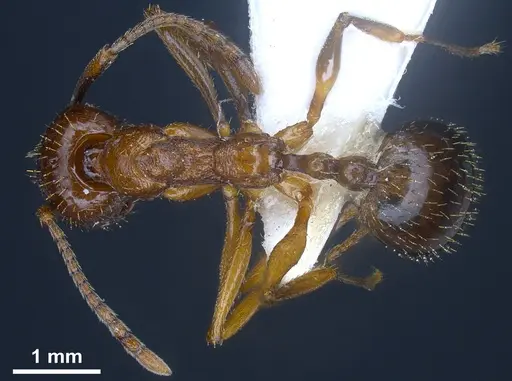
CASENT0280956
View on AntWeb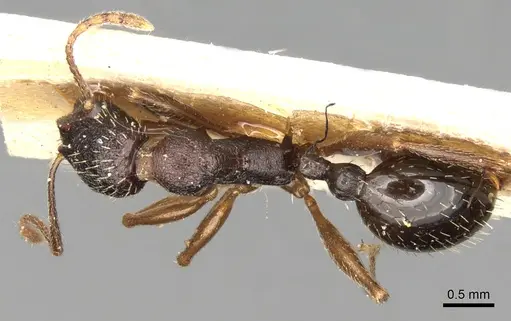
CASENT0906111
View on AntWeb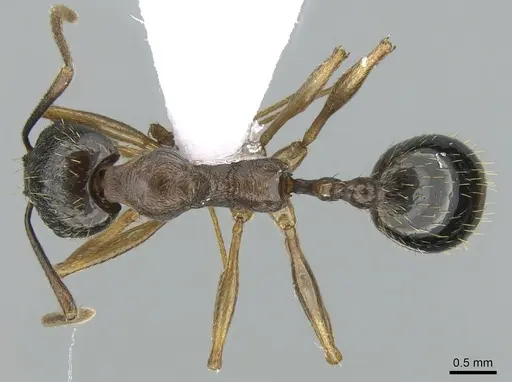
CASENT0911129
View on AntWeb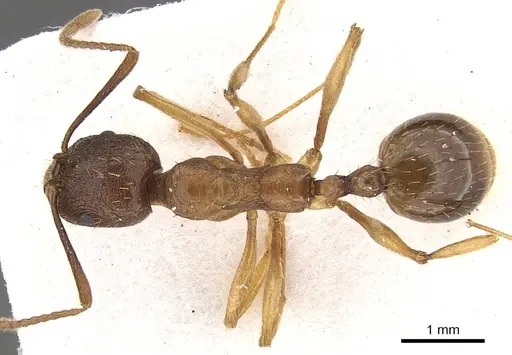
CASENT0917360
View on AntWeb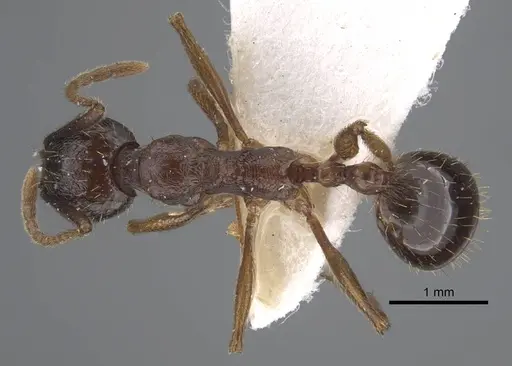
FOCOL0516
View on AntWeb
FOCOL1838
View on AntWeb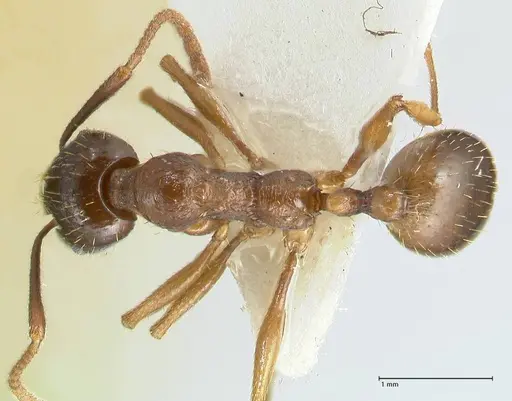
FOCOL1839
View on AntWeb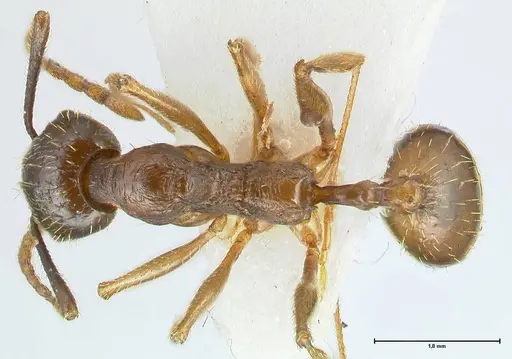
FOCOL1840
View on AntWeb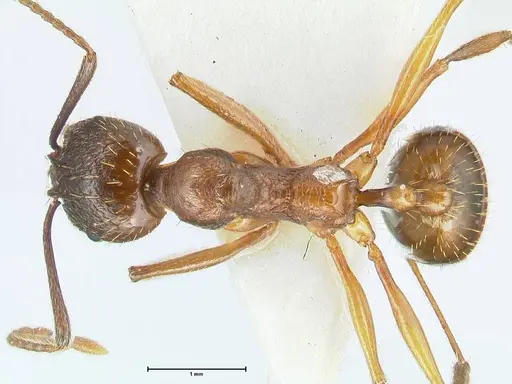
FOCOL1841
View on AntWeb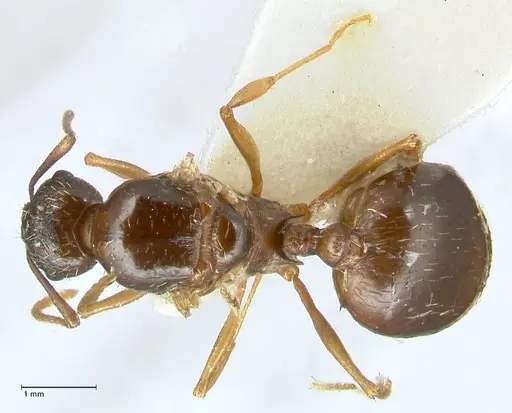
FOCOL1842
View on AntWeb
FOCOL1843
View on AntWeb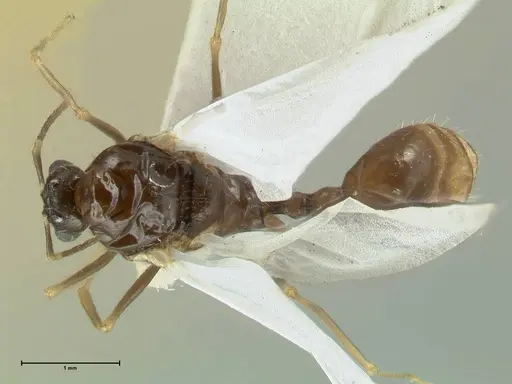
Literature
Loading...Loading products...