

Aphaenogaster geei
- Scientific Name
- Aphaenogaster geei
- Tribe
- Stenammini
- Subfamily
- Myrmicinae
- Author
- Wheeler, 1921
- Distribution
- Found in 1 countries
Aphaenogaster geei Overview
Aphaenogaster geei is an ant species of the genus Aphaenogaster. It is primarily documented in 1 countries , including China. Detailed taxonomic data and occurrence records can be further explored via authoritative databases such as AntWeb or the Global Biodiversity Information Facility (GBIF).
Aphaenogaster geei
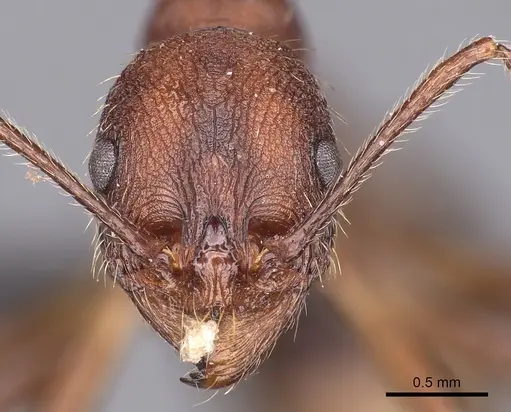
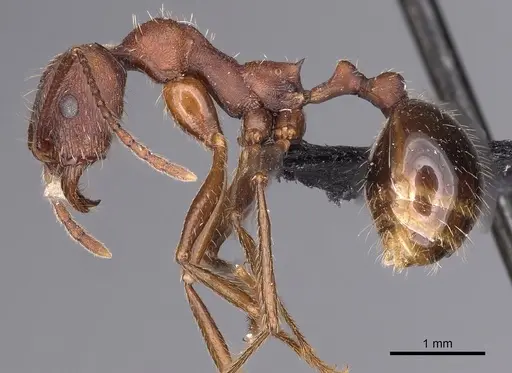
Aphaenogaster geei is a medium-sized ant species native to eastern China. Workers measure 6.5-7.5mm with a reddish-brown body and blackish-brown gaster (the rear portion of their abdomen). They have distinctive yellow standing hairs that are robust, blunt, and short, most abundantly appearing on the gaster. Their head is ovoid with large convex eyes positioned near the middle of the head sides. The propodeum (the rear section of their middle body) features sharp spines pointing outward and backward. Queens are larger at 9-11mm with a brownish-black body and reddish-brown mandibles, clypeus, antennae, and legs. This species was originally described by Wheeler in 1921 and represents one of the earlier documented Aphaenogaster species in China, with distribution spanning Jiangsu, Zhejiang, Fujian, Hunan, and Anhui provinces [1].
As an extratropical Aphaenogaster species from the Palearctic region, these ants are adapted to temperate conditions. They belong to the Attini tribe within Myrmicinae and share the typical Aphaenogaster trait of being active foragers that can travel considerable distances from their nests. The genus Aphaenogaster is known for its ecological versatility, being found across tropical and southern Palearctic regions [2].
Quick Summary
- Difficulty: Medium
- Origin & Habitat: Eastern China (Jiangsu, Zhejiang, Fujian, Hunan, Anhui provinces), subtropical to temperate forest and grassland habitats [1][3]
- Colony Type: Likely single-queen (monogyne) colonies based on typical Aphaenogaster patterns, though colony structure has not been specifically documented for this species
- Colony: Monogyne
- Founding: Claustral
- Size & Growth:
- Queen: 9-11mm [1]
- Worker: 6.5-7.5mm [1]
- Colony: Unknown for this specific species, typical Aphaenogaster colonies reach several hundred to a few thousand workers
- Growth: Moderate, based on genus patterns
- Development: Estimated 6-10 weeks based on typical Aphaenogaster development patterns at optimal temperature (Development time is inferred from related Aphaenogaster species, specific timing for A. geei has not been documented)
- Antkeeping:
- Temperature: Keep around 20-25°C. Being from temperate eastern China, they prefer moderate temperatures. A slight gradient allowing them to choose warmer or cooler areas is beneficial
- Humidity: Moderate humidity preferred, aim for 50-70% relative humidity. Keep substrate slightly moist but not waterlogged, mimicking the damp forest floor conditions of their natural habitat
- Diapause: Yes, as an extratropical species from eastern China, they require a winter dormancy period. Keep at 10-15°C for 2-3 months during winter months
- Nesting: In nature they likely nest in soil or under stones in forest edges and grassland areas. In captivity, a test tube setup works well for founding colonies, transitioning to a Y-tong or plaster nest as the colony grows. They prefer chambers that aren't overly large, appropriately scaled to worker size
- Behavior: Aphaenogaster geei workers are active foragers that search for food both individually and through recruitment. They are not particularly aggressive but will defend their nest if threatened. Workers are medium-sized and capable of carrying larger prey items relative to their body size. They have a functional stinger but it's rarely used against humans due to their small size. Escape prevention is important, while not as tiny as some Myrmicinae, they can still escape through small gaps, so ensure enclosures are secure. They are primarily seed collectors and predators in the wild, and will readily accept protein foods and sugar sources in captivity.
- Common Issues: colonies may fail if temperatures are too high, keep below 28°C and provide a temperature gradient, winter dormancy is essential for this extratropical species, skipping hibernation can weaken or kill colonies over time, test tube setups can flood if water reservoirs are overfilled, use appropriate water tube size, wild-caught colonies may carry parasites that can devastate captive populations, slow initial growth during founding phase can lead to impatient keepers abandoning colonies prematurely
Housing and Nest Setup
For founding colonies, a simple test tube setup works excellently. Fill a test tube about one-third with water, plug the water end with a cotton ball, and place the queen in the tube. The queen will seal herself into a chamber (claustral founding) and begin laying eggs. Keep the tube in darkness and avoid disturbing her until the first workers emerge. As the colony grows to 20+ workers, you can transition to a formicarium. Y-tong (acrylic) nests or plaster nests work well for Aphaenogaster geei. They prefer chambers that are appropriately sized, not too large and not too cramped. A small to medium formicarium with multiple connected chambers allows the colony to organize itself naturally. Always provide an outworld area for foraging, and ensure all connections between nest areas are secure. Escape prevention is important, while not among the smallest ants, they can still squeeze through tiny gaps, so check all connections and use appropriate barriers if needed.
Feeding and Diet
Aphaenogaster geei is a versatile feeder that accepts both protein and carbohydrate sources. In the wild, they are active foragers that collect seeds and hunt small insects. In captivity, offer protein sources such as small crickets, mealworms, fruit flies, or other small insects twice weekly. They also readily accept sugar water, honey, or sugar syrup as an energy source, provide this constantly once workers are present. Seeds can be offered as enrichment, though they're not strictly necessary if you're providing adequate protein. Fresh water should always be available. Remove uneaten food after 24-48 hours to prevent mold growth. The colony's protein needs will increase as the colony grows, feed more frequently as the worker population expands.
Temperature and Seasonal Care
Maintain temperatures between 20-25°C for optimal colony health and development. Being from eastern China (Jiangsu, Zhejiang, Fujian), this species is adapted to temperate conditions and does best in the low-to-mid room temperature range. Avoid temperatures above 28°C, as this can stress and potentially kill colonies. A heating cable on one side of the nest can create a beneficial temperature gradient, allowing ants to self-regulate their body temperature. During winter months (roughly November through February in the Northern Hemisphere), the colony will benefit from a diapause period. Reduce temperature to 10-15°C and reduce feeding to once every two weeks or less. Do not feed protein during deep hibernation. Return to normal temperatures gradually in spring. This winter rest is essential for the long-term health of the colony and helps trigger proper reproductive behavior. [3]
Colony Development and Growth
Aphaenogaster geei colonies grow at a moderate pace. After the claustral founding phase (where the queen seals herself in and raises the first brood alone), the first workers (nanitics) will emerge. These initial workers are typically smaller than mature workers but immediately begin helping with foraging and brood care. A healthy founding colony should produce its first nanitics within 6-10 weeks under optimal conditions, though this timeline is estimated based on typical Aphaenogaster patterns. The colony will grow gradually through the first year, typically reaching 50-100 workers by the end of the first season. Growth accelerates in subsequent years as the colony establishes a stable worker population. Maximum colony size is not documented for this specific species but Aphaenogaster colonies commonly reach several hundred to a few thousand workers. Patience is key, these ants are not fast growers but can live for many years once established.
Behavior and Observation
Workers of Aphaenogaster geei are active foragers that will readily leave the nest to search for food. They use chemical trails to recruit nestmates to good food sources, so you may observe them forming lines to newly discovered prey items. They are not particularly aggressive toward humans and rarely sting. Their stinger is present but small and ineffective against human skin. When threatened, they may raise their abdomen in a defensive posture or emit formic acid. Observation is rewarding because they are active during both day and night, and their medium size makes them easy to watch. They are excellent at adapting to captive conditions and will establish clear foraging routines once they settle in. The queens are relatively long-lived compared to many ant species, which contributes to the colony's longevity.
Frequently Asked Questions
How long does it take for Aphaenogaster geei to produce first workers?
Based on typical Aphaenogaster development patterns, expect 6-10 weeks from egg to first worker at optimal temperature (around 22-25°C). The exact timeline for this species has not been specifically documented, so this is an estimate based on related species.
Do Aphaenogaster geei ants need hibernation?
Yes, as an extratropical species from eastern China, they require a winter dormancy period. Reduce temperatures to 10-15°C for 2-3 months during winter. This helps maintain colony health and triggers proper reproductive cycles.
What do Aphaenogaster geei ants eat?
They accept a varied diet including small insects (protein) and sugar sources. Offer small crickets, mealworms, or fruit flies as protein twice weekly. Provide sugar water, honey, or sugar syrup constantly. They also may collect seeds in captivity.
Are Aphaenogaster geei good for beginners?
They are moderately difficulty, not the easiest but not challenging either. Their moderate temperature requirements and straightforward diet make them manageable for keepers with some basic antkeeping experience. The main considerations are providing proper hibernation and being patient through the slower founding phase.
How big do Aphaenogaster geei colonies get?
Maximum colony size is not specifically documented for this species, but Aphaenogaster colonies typically reach several hundred to a few thousand workers. Growth is moderate over several years.
Do Aphaenogaster geei ants sting?
They have a stinger but it's rarely used against humans due to their small size. Most keepers report minimal to no pain if stung. They are not considered dangerous.
Can I keep multiple Aphaenogaster geei queens together?
This has not been documented for the species. Based on typical Aphaenogaster behavior, single-queen colonies are most common. It is not recommended to combine unrelated foundress queens as they typically fight.
What temperature range is best for Aphaenogaster geei?
Keep them at 20-25°C. Avoid temperatures above 28°C as this can stress the colony. A slight temperature gradient allowing self-regulation is beneficial.
When should I move Aphaenogaster geei from a test tube to a formicarium?
Move them when the colony reaches 20-30 workers and the test tube is becoming crowded. Ensure the formicarium has appropriately sized chambers and a connected foraging area.
Where is Aphaenogaster geei found in the wild?
This species is native to eastern China, specifically found in Jiangsu, Zhejiang, Fujian, Hunan, and Anhui provinces. They inhabit subtropical to temperate forest and grassland areas.
References

This caresheet is licensed under CC BY-SA 4.0 .
CASENT0900456
View on AntWeb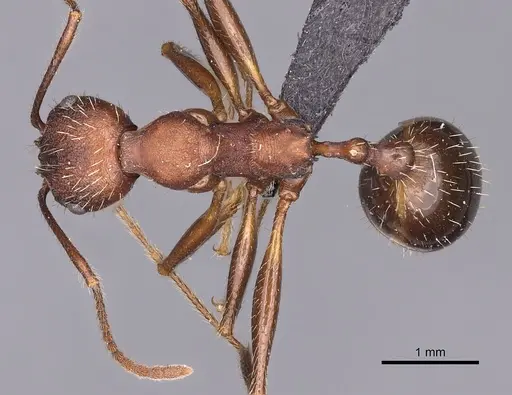
Literature
Loading...Loading products...