

Aphaenogaster cardenai
- Scientific Name
- Aphaenogaster cardenai
- Tribe
- Stenammini
- Subfamily
- Myrmicinae
- Author
- Espadaler, 1981
- Distribution
- Found in 1 countries
Aphaenogaster cardenai Overview
Aphaenogaster cardenai is an ant species of the genus Aphaenogaster. It is primarily documented in 1 countries , including Spain. Detailed taxonomic data and occurrence records can be further explored via authoritative databases such as AntWeb or the Global Biodiversity Information Facility (GBIF).
Aphaenogaster cardenai
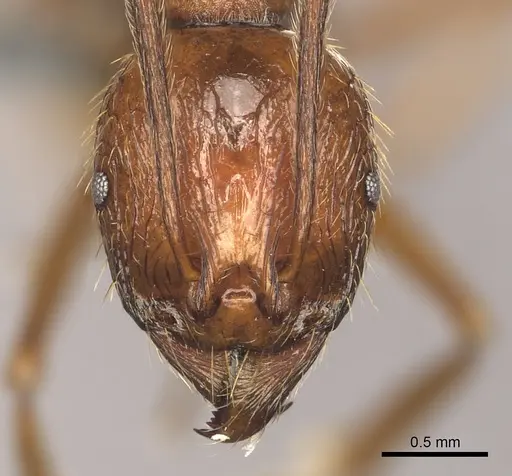
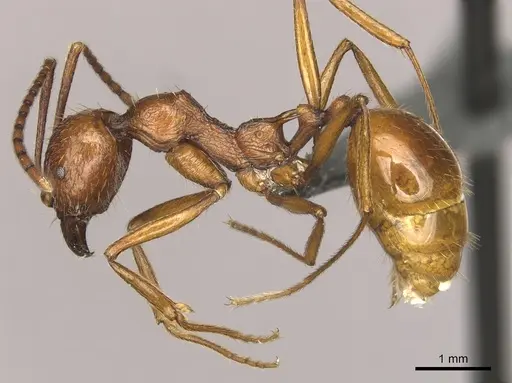
Aphaenogaster cardenai is a striking orange ant that lives its entire life underground in caves and shallow rock fissures. Workers measure around 6-7 mm and show the classic signs of cave adaptation: very small eyes, extremely long legs and antennae, and a slender body colored in shades of amber to dark orange [1][2]. They possess unusually long propodeal spines (the spines on their back) that are longer than any other Aphaenogaster in Europe [3]. This species is found only in the Iberian Peninsula, specifically in Spain, where it inhabits the Milieu Souterrain Superficiel (MSS), the shallow underground spaces between soil and bedrock, as well as caves and scree slopes [1][4]. Unlike most ants you will encounter in the hobby, these are strictly subterranean, rarely coming to the surface except occasionally at night [1].
What makes this species particularly challenging for antkeepers is that the queen remains undescribed by science, no one has formally documented what she looks like [2]. Males have been described and have functional wings, and females are assumed to fly at night to start new colonies [1]. One attempt to keep a captured queen in captivity resulted in her death after several weeks without producing any workers, suggesting this species has specialized founding requirements that we do not yet understand [5]. This is an expert-level species for those interested in preserving rare endemics or studying subterranean ant biology.
Quick Summary
- Difficulty: Expert
- Origin & Habitat: Endemic to the Iberian Peninsula (Spain), living exclusively in subterranean habitats including caves, MSS (shallow underground fissures), and scree slopes at elevations around 1,490 meters [1][4][6].
- Colony Type: Unknown, queens remain undescribed. Based on genus patterns, likely single-queen colonies, but this is unconfirmed [2].
- Size & Growth:
- Queen: Unknown, queens undescribed [2].
- Worker: Approximately 6-6.8 mm [2].
- Colony: Unknown, likely small to moderate based on subterranean lifestyle.
- Growth: Unknown, likely slow due to subterranean habits and cooler mountain habitat.
- Development: Unknown, estimated 8-12 weeks based on related Aphaenogaster species at 20-25°C, but unconfirmed. (Development timing is speculative. The single captive queen attempt failed before workers emerged [5].)
- Antkeeping:
- Temperature: Likely cool to moderate. Found in mountain habitats at 1,490m elevation [1]. Start around 18-22°C and observe activity levels.
- Humidity: High humidity essential. Keep nest substrate damp to wet, think cave walls and moist underground fissures [1].
- Diapause: Unknown, likely yes given mountain habitat and temperate location, but timing and duration unconfirmed.
- Nesting: Dark, tight spaces required. Naturalistic setups with soil, sand, and flat stones to create narrow fissures, or Y-tong nests with small chambers. Light-sensitive due to subterranean lifestyle [1].
- Behavior: Slow-moving, cryptic, and strictly subterranean. Workers rarely come to the surface and prefer to forage in dark, confined spaces [1]. Not aggressive. Escape risk is moderate due to larger worker size (6-7mm), but they require excellent barriers to prevent climbing on vertical surfaces.
- Common Issues: queens are undescribed and founding behavior is completely unknown, the only documented captive attempt ended in death without workers [5]., strictly subterranean lifestyle means they require constant darkness and high humidity, light or dry conditions will stress them., specific dietary needs unknown, may require specialized subterranean prey like cave springtails or specific organic matter., slow growth rate expected due to cool mountain habitat and underground lifestyle, patience required., rare in captivity means no established care protocols exist, you will be figuring things out as you go.
Nest Preferences and Subterranean Life
In nature, Aphaenogaster cardenai lives in the Milieu Souterrain Superficiel (MSS), the shallow underground spaces and fissures between soil and bedrock, as well as in caves and scree slopes [1]. They are classified as subtroglophiles, meaning they are cave-associated but not strictly bound to deep caves, occasionally venturing to the surface at night [1].
For captive care, you must recreate these dark, humid, confined conditions. A naturalistic setup works best: use a container with a mix of sand and soil, packed firmly and topped with flat stones or slate to create narrow fissures and chambers. The ants will nest in the dark gaps between the stones and substrate. Alternatively, a Y-tong (aerated concrete) nest with small, shallow chambers can work if kept completely dark.
Light is your enemy with this species. Keep the nest in total darkness or very dim red light only. Cover the formicarium with black cloth or keep it in a dark cupboard. Workers have very small eyes adapted to darkness and will be stressed by normal room lighting [1][3].
Temperature and Humidity
This species inhabits mountain areas, including sites at 1,490 meters elevation in the Sierra de Guadarrama [1]. Mountain climates in Spain suggest they prefer cooler conditions than tropical ants. Start with temperatures around 18-22°C and monitor activity. If workers are sluggish, you can try raising the temperature slightly, but avoid overheating, these are not warmth-loving desert ants.
Humidity is critical. The MSS and cave habitats they occupy remain consistently damp [1]. Keep the nest substrate moist to wet at all times. You want condensation on the walls but not flooding. Use a water tower or direct watering to maintain moisture, and check regularly as subterranean nests can dry out slowly but dangerously if neglected.
Given their mountain habitat, they likely require a winter rest period (diapause), but the specifics are unknown. If your colony slows down in autumn, reduce temperature gradually to 10-15°C for 2-3 months and maintain humidity.
Feeding and Diet
The exact diet of Aphaenogaster cardenai is not documented, but related Aphaenogaster species are generalist scavengers that collect dead insects and seeds. In the subterranean environment, they likely feed on organic matter, small soil arthropods, and possibly root aphid honeydew or plant material that filters down into the MSS.
In captivity, offer small pieces of dead insects (fruit flies, crickets, mealworms) and see what they accept. They may also take sugar water or honey water, but protein is likely more important. Because they are subterranean, place food directly in their nest area or very close to the entrance, they will not travel far across open spaces to forage. Watch for acceptance and remove uneaten food promptly to prevent mold in the humid nest environment.
Colony Founding and Reproduction
This is where things get difficult. The queen of Aphaenogaster cardenai has never been formally described by scientists [2]. We know males exist and have functional wings, and they likely fly at night based on light trap captures [1]. A dealate queen (a queen that has shed her wings after mating) was once captured in September in pine forests, likely after a nuptial flight, but she died after several weeks in captivity without producing workers [5].
This failure suggests the queen may be semi-claustral (needing to forage during founding), parasitic (requiring host workers), or simply has very specific environmental needs we do not understand. Do not attempt to found this species unless you have multiple queens and are prepared for failure. If you do capture a queen, provide her with a dark, humid chamber with soil, offer small amounts of protein and sugar, and disturb her as little as possible. Be prepared for the possibility that she requires host workers or specific subterranean conditions we cannot replicate.
Behavior and Activity
Aphaenogaster cardenai workers show the typical slow, deliberate movement of subterranean ants. They have very long legs and antennae relative to their body, and very small eyes, adaptations for living in dark cracks and caves [1][3]. They are not aggressive and pose no sting risk to humans.
Workers may occasionally come to the surface at night, but they spend 99% of their time in darkness [1]. They do not create visible foraging trails on the surface. In captivity, they will remain hidden in their nest material most of the time. This makes them boring display ants but interesting subjects for behavioral observation if you have a transparent nest that can be covered to maintain darkness.
Frequently Asked Questions
Can I keep Aphaenogaster cardenai in a test tube setup?
Probably not successfully. Test tubes are too exposed to light and do not provide the soil-filled fissures this species needs. They require dark, humid, soil-based nests that mimic their subterranean cave habitats [1].
How long until Aphaenogaster cardenai gets its first workers?
Unknown. The development timeline has never been documented. Based on related Aphaenogaster species, estimate 8-12 weeks at 20-25°C, but this is purely speculative. The only documented captive queen died before producing workers [5].
What temperature does Aphaenogaster cardenai need?
Likely cooler temperatures around 18-22°C. They live in mountain habitats at 1,490m elevation [1]. Avoid high heat, start cool and adjust based on activity levels.
Do Aphaenogaster cardenai need hibernation?
Probably yes, given their mountain habitat in Spain, but the specifics are unknown. If activity drops in autumn, provide a cool rest period at 10-15°C for 2-3 months.
Can I keep multiple Aphaenogaster cardenai queens together?
Not recommended. Combining unrelated queens has not been documented and given that even single queens fail to found colonies in captivity, attempting pleometrosis (multiple queens founding together) is not advisable.
Why did my Aphaenogaster cardenai queen die without raising workers?
This is the expected outcome currently. The founding biology is unknown, she may need to forage (semi-claustral), require host workers (parasitic), or need specific subterranean conditions we cannot replicate. The only documented captive attempt ended the same way [5].
Are Aphaenogaster cardenai good for beginners?
No. This is an expert-only species. The queen is undescribed, founding behavior is unknown, and they require specialized subterranean conditions. They are also endemic to Spain and should not be exported or kept casually [2][1].
What do Aphaenogaster cardenai eat?
Likely generalist scavengers like other Aphaenogaster, feeding on dead insects and possibly seeds or organic matter. Offer small dead insects and sugar water, placing food near the nest since they rarely travel far from their subterranean chambers [1].
Do Aphaenogaster cardenai sting?
No. Like most Aphaenogaster, they lack a functional stinger and are not aggressive. They are harmless to humans.
References

This caresheet is licensed under CC BY-SA 4.0 .
CASENT0249624
View on AntWeb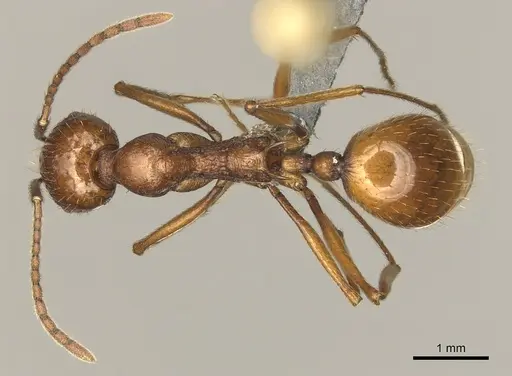
Literature
Loading...Loading products...