

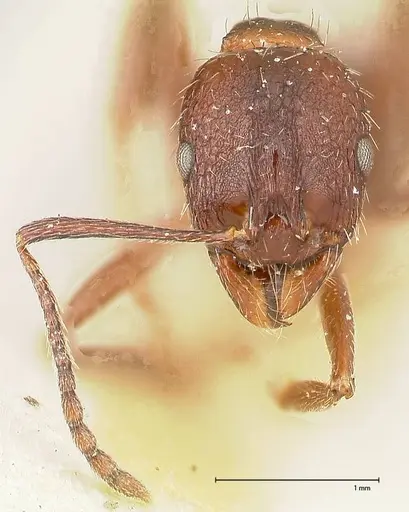
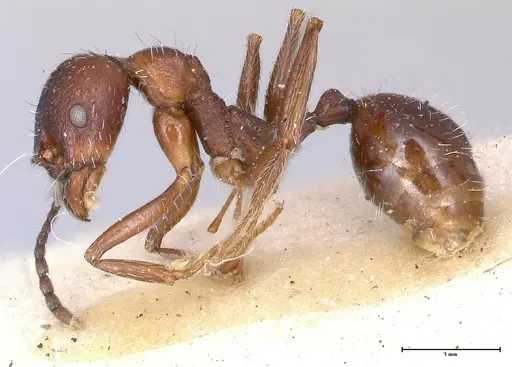
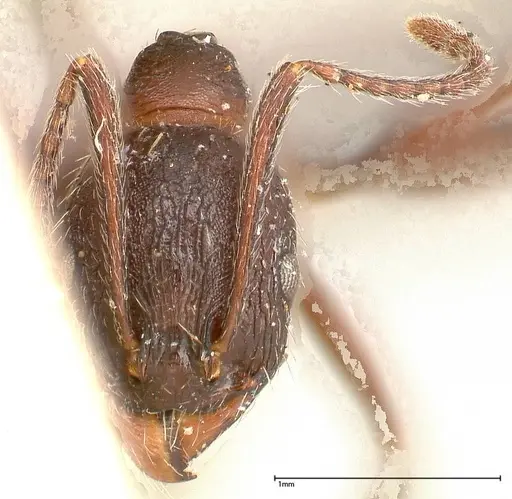
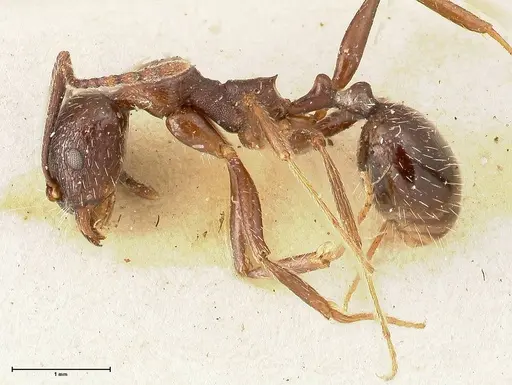
Aphaenogaster caeciliae
- Scientific Name
- Aphaenogaster caeciliae
- Tribe
- Stenammini
- Subfamily
- Myrmicinae
- Author
- Viehmeyer, 1922
- Distribution
- Found in 1 countries
Aphaenogaster caeciliae Overview
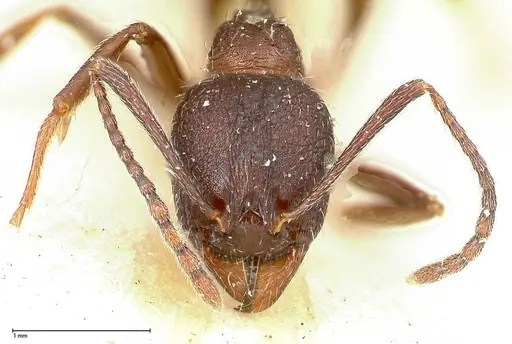
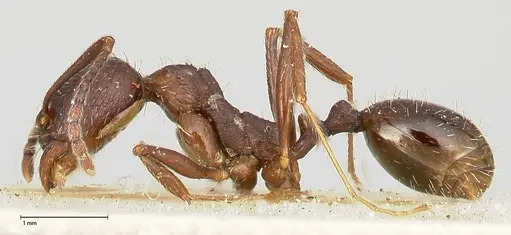
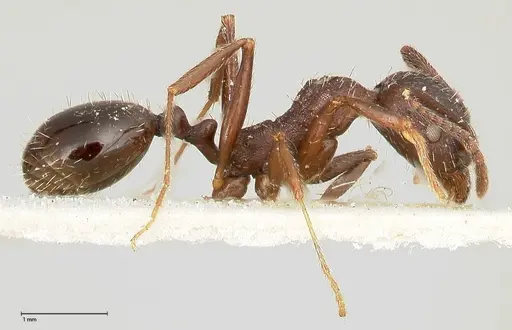
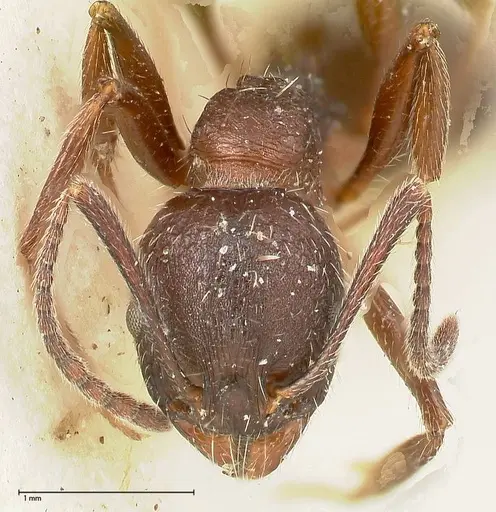
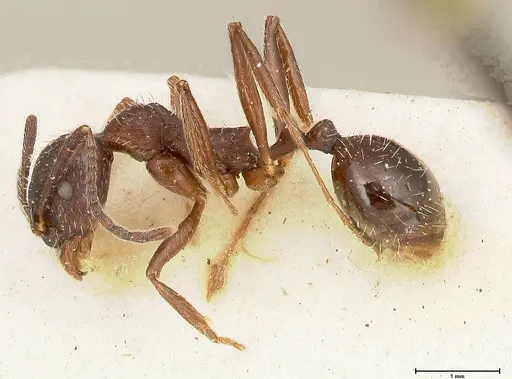
Aphaenogaster caeciliae is an ant species of the genus Aphaenogaster. It is primarily documented in 1 countries , including China. Detailed taxonomic data and occurrence records can be further explored via authoritative databases such as AntWeb or the Global Biodiversity Information Facility (GBIF).
Aphaenogaster caeciliae
These ants come from the mountainous regions of Sichuan Province in China [1][2]. You will find them living at elevations between 1,150 and 2,590 meters in conifer-broadleaf and semi-evergreen broadleaf forests [2][3]. They forage primarily on the ground surface and nest under stones and in rotten wood [2]. As an extratropical species from high altitude, they experience cool summers and cold winters [1].
Quick Summary
- Difficulty: Medium
- Origin & Habitat: Sichuan Province, China, mountainous forests at 1,255-2,590m elevation [2][3]
- Colony Type: Likely single-queen (monogyne) based on typical Aphaenogaster patterns, but unconfirmed for this species
- Colony: Monogyne
- Size & Growth:
- Queen: Likely 7-9mm based on typical Aphaenogaster morphology (unconfirmed)
- Worker: Likely 4-6mm based on typical Aphaenogaster morphology (unconfirmed)
- Colony: Unknown, likely several hundred workers based on related species
- Growth: Moderate
- Development: Estimated 8-12 weeks at 20-22°C based on related temperate Aphaenogaster species (Development likely slows at cooler mountain temperatures. Nanitic workers may emerge slightly faster.)
- Antkeeping:
- Temperature: Keep at 18-22°C during active season, provide winter hibernation at 5-10°C [1]. Start at 20°C and adjust based on activity levels.
- Humidity: Moderate to damp, nest material should feel moist but not waterlogged. These forest-floor ants need humidity but also ventilation [2].
- Diapause: Yes, required [1]
- Nesting: Naturalistic setups with flat stones and rotting wood work best. Y-tong or plaster nests with narrow tunnels also suit their size.
- Behavior: Active surface foragers that hunt and scavenge. Moderate temperament, not aggressive but may bite if threatened. Escape risk is moderate, use standard barriers suitable for 4-6mm ants.
- Common Issues: high elevation origin means they suffer in hot, poorly ventilated setups above 25°C, hibernation timing is unconfirmed, watch for reduced activity in late autumn as your cue to cool them down, limited captive breeding data means you must watch closely for stress signs like worker clustering or brood abandonment, slow growth if kept too cool, find the balance between their mountain origins and room temperature
Natural History and Distribution
Aphaenogaster caeciliae lives in the mountains of Sichuan Province, China [1][2]. Research shows they occupy a wide vertical range from 1,255 meters up to 2,590 meters elevation [2]. Another study found them at 1,150-1,420 meters in the loess plateau region [3]. They inhabit conifer-broadleaf forests and semi-evergreen broadleaf forests [2]. This is an extratropical species, meaning it lives outside the tropics and experiences distinct seasons including cold winters [1]. The latitude midpoint of 29.50° places them in a zone with significant seasonal temperature swings [1].
Nesting Preferences
In nature, these ants nest in three main places: under stones, under rotten wood, and in soil [2]. Stone nesting was the most common observation with 12 records, followed by soil nesting (2 records) and rotten wood (1 record) [2]. For captive keeping, this means you should provide a naturalistic setup with flat stones or slate pieces they can hide under. A Y-tong nest with narrow chambers also works well. Keep the nest area moderately damp, think forest floor after rain, not swamp. They need ventilation too, stagnant air causes mold in damp setups.
Temperature and Seasonal Care
Coming from high elevations in an extratropical region, these ants need cool conditions [1][2]. Keep the active nest area between 18-22°C. You can use room temperature if your home stays in this range, otherwise provide gentle heating on one side only. Because they experience cold winters in nature, you must hibernate them. Move the colony to a cooler spot (5-10°C) for 3-4 months in winter. Watch for signs they are ready to hibernate: reduced foraging and brood clustering. In spring, warm them up gradually.
Feeding and Diet
While specific diet studies for this species are unavailable, Aphaenogaster ants are generally opportunistic feeders. They hunt small insects and also collect seeds. Offer a mix of protein sources like fruit flies, springtails, or small cricket pieces twice weekly. Provide sugar water or honey water constantly in a test tube or liquid feeder. Some Aphaenogaster species also appreciate seeds like chia or millet, offer these occasionally to see if your colony stores them.
Colony Founding
Founding behavior has not been documented for this specific species. Based on typical Aphaenogaster patterns, queens likely found colonies alone (claustral founding), sealing themselves in a chamber and living off stored body fat until the first workers hatch. Set up a founding queen in a standard test tube with water reservoir, kept in the dark at 20-22°C. Do not disturb her during the founding phase. If she has not raised workers after 4 months, the attempt has likely failed.
Frequently Asked Questions
Can I keep Aphaenogaster caeciliae in a test tube?
Yes, test tubes work well for founding queens and small colonies. Use a standard setup with water reservoir and cotton plug. Move them to a formicarium when the colony reaches about 20-30 workers.
How long until first workers for Aphaenogaster caeciliae?
The timeline is unconfirmed for this species. Based on related temperate Aphaenogaster, expect roughly 8-12 weeks at 20-22°C. Development slows if kept cooler.
Do Aphaenogaster caeciliae need hibernation?
Yes. They come from high elevation extratropical regions with cold winters [1]. Hibernate them at 5-10°C for 3-4 months when you notice reduced activity in autumn.
What is the best temperature for Aphaenogaster caeciliae?
Keep them at 18-22°C during the active season. Avoid temperatures above 25°C due to their high mountain origin [2][1].
What do Aphaenogaster caeciliae eat?
They likely eat small insects and seeds like other Aphaenogaster. Feed protein twice weekly (fruit flies, springtails, cricket pieces) and provide sugar water constantly.
How big do Aphaenogaster caeciliae colonies get?
Colony size is unknown for this species. Based on related Aphaenogaster, they likely reach several hundred workers over a few years.
Are Aphaenogaster caeciliae good for beginners?
They are medium difficulty. While Aphaenogaster are generally hardy, this species needs hibernation and cool temperatures due to its mountain origin. Beginners might find easier success with lowland species.
Can I keep multiple Aphaenogaster caeciliae queens together?
Not recommended. They are likely monogyne (single-queen) based on typical Aphaenogaster patterns. Combining queens will likely result in fighting and death.
What nest type works best for Aphaenogaster caeciliae?
Naturalistic setups with flat stones and rotting wood match their wild nesting habits [2]. Y-tong or plaster nests with narrow tunnels also work well.
Where do Aphaenogaster caeciliae come from?
They come from Sichuan Province in China, specifically from mountainous regions at elevations between 1,255 and 2,590 meters [2][1].
References

This caresheet is licensed under CC BY-SA 4.0 .
FOCOL0495-1
View on AntWeb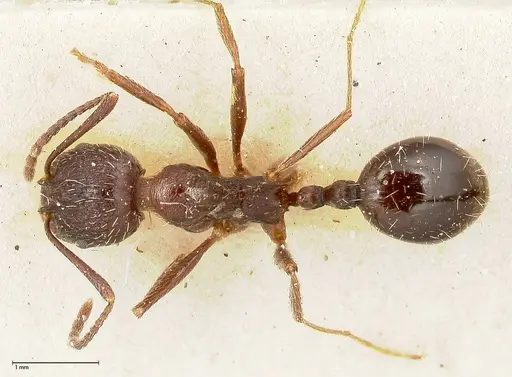
FOCOL0495-2
View on AntWeb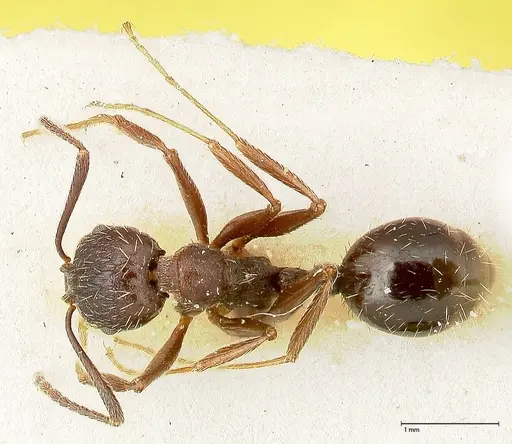
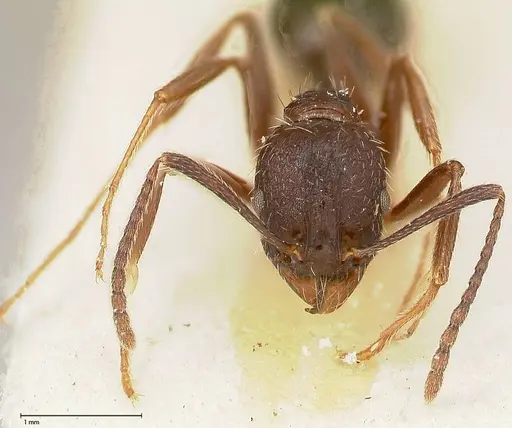
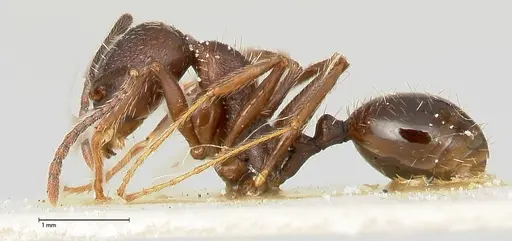
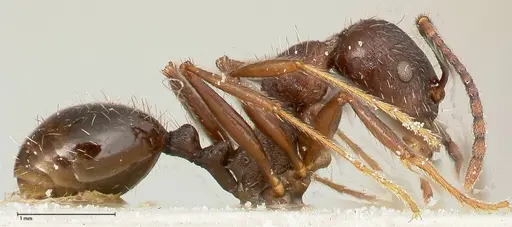
FOCOL0496
View on AntWeb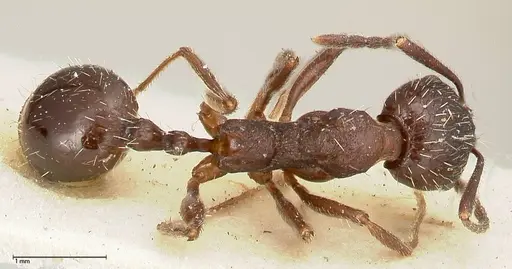
FOCOL0497
View on AntWeb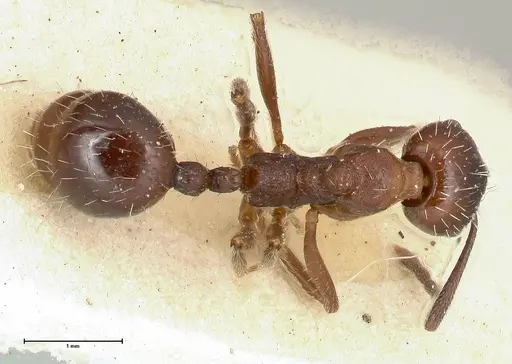
FOCOL0498
View on AntWeb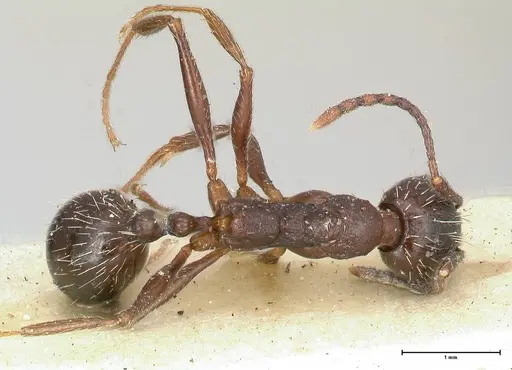
Literature
Loading...Loading products...