

Anonychomyrma nitidiceps
- Scientific Name
- Anonychomyrma nitidiceps
- Tribe
- Leptomyrmecini
- Subfamily
- Dolichoderinae
- Author
- André, 1896
- Distribution
- Found in 1 countries
Anonychomyrma nitidiceps Overview
Anonychomyrma nitidiceps is an ant species of the genus Anonychomyrma. It is primarily documented in 1 countries , including Australia. Detailed taxonomic data and occurrence records can be further explored via authoritative databases such as AntWeb or the Global Biodiversity Information Facility (GBIF).
Anonychomyrma nitidiceps
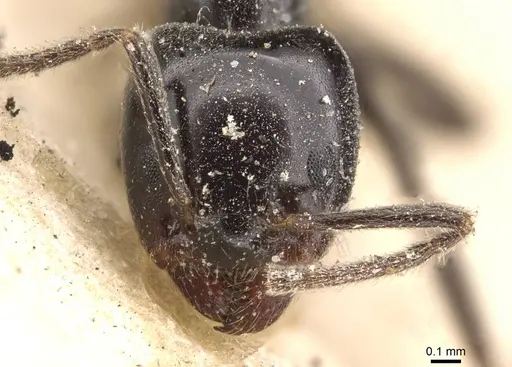
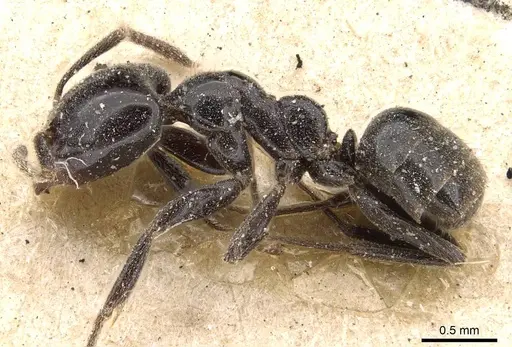
These ants are immediately recognizable by their oversized heads and a dome-shaped middle section on their back [1]. They live in woodlands across south-western Western Australia, where they split their time between climbing trees and foraging on the ground near fallen logs and standing timber [1]. If you disturb them, they release a strong chemical spray that you can smell from several metres away, this is their defense mechanism using iridomyrmecin [1][2]. They were previously classified under the genus Iridomyrmex before being moved to Anonychomyrma [3].
Quick Summary
- Difficulty: Medium
- Origin & Habitat: South-western Western Australia and Victoria, Australia, temperate woodlands and sclerophyll forests [1][4]
- Colony Type: Unknown, single or multiple queen arrangements have not been documented
- Size & Growth:
- Queen: Unknown, likely 6-8mm based on related Dolichoderinae species
- Worker: Unknown, described as large-headed, likely 4-6mm
- Colony: Unknown
- Growth: Unknown
- Development: 6-10 weeks (estimated based on Dolichoderinae patterns, unconfirmed) (Timeline inferred from subfamily patterns, actual development time may vary significantly)
- Antkeeping:
- Temperature: 20-25°C (inferred from temperate Australian habitat), start at room temperature and adjust based on activity levels
- Humidity: Moderate, provide damp nest material that feels moist but not waterlogged, with dry areas available
- Diapause: Unknown, being from temperate Australia, they may benefit from winter rest at 15-18°C for 2-3 months, but this is unconfirmed
- Nesting: Vertical or arboreal setups work best, provide bark pieces, branches, and a ground foraging area near wood
- Behavior: These ants spray a strong chemical defense when disturbed [1]. They forage both in trees and on the ground near wood [1]. Their small to medium size means you need excellent escape prevention with tight-fitting lids and fine mesh.
- Common Issues: strong chemical odour when disturbed may be unpleasant in small enclosed rooms., limited captive care data means you must observe your colony closely and adjust conditions based on their response., arboreal habits combined with small size require secure escape prevention, they can squeeze through tiny gaps., wild-caught colonies from Australia may carry parasites or mites that appear after collection.
Natural History and Identification
You can recognize Anonychomyrma nitidiceps by their large heads and the rounded, dome-shaped middle section of their body [1]. This gives them a distinctive profile compared to other ants in the area. They live in various woodland types across south-western Western Australia, particularly in areas with standing trees and fallen wood [1]. While they spend time in trees, they also come down to forage on the ground near logs and tree bases [1]. When threatened, they release a chemical spray containing iridomyrmecin that you can smell from several metres away [1][2]. This defense helps them avoid predators in the wild.
Housing and Environment
Because these ants live in trees but forage on the ground, you should provide a setup that offers both vertical climbing space and ground area. Place pieces of bark, small branches, or cork tubes in the outworld to create arboreal pathways [1]. The nest area should have access to moist soil or plaster, but ensure there are drier sections so the ants can choose their preferred humidity. Use excellent escape prevention, these ants are small enough to squeeze through gaps in poorly fitting lids [3]. A thin layer of Fluon or PTFE on the upper walls of the outworld helps prevent climbing escapes.
Temperature and Seasonal Care
Coming from temperate south-western Australia, these ants likely prefer room temperature around 20-24°C [1]. You can provide a gentle heat gradient by placing a heating cable on one side of the nest, but keep it on the top rather than underneath to avoid flooding the chambers with condensation. Since they inhabit regions with distinct winters, they may need a winter rest period (hibernation) at cooler temperatures around 15-18°C for 2-3 months, though this has not been confirmed through observation. Watch your colony's activity levels, if they slow down significantly in cooler months, provide the temperature drop.
Diet and Feeding
These ants forage on the ground and in trees for food, suggesting they eat a mix of honeydew from sap-sucking insects and small prey items [1]. In captivity, offer sugar water or honey water in a test tube or liquid feeder. For protein, provide small insects like fruit flies, springtails, or tiny pieces of mealworms. Remove uneaten food within 24-48 hours to prevent mold growth in the humid conditions they prefer. Because they are generalist foragers, they will likely accept most standard ant foods, but watch what your specific colony prefers.
Chemical Defense and Handling
When you disturb Anonychomyrma nitidiceps, they release a strong-smelling chemical spray that travels several metres [1]. This spray contains iridomyrmecin, a compound common in the Dolichoderinae subfamily [2]. While not dangerous to humans, the smell can be persistent and unpleasant in small rooms. Handle their nest gently and avoid sudden vibrations to minimize defensive spraying. If you need to move the colony, do so in a well-ventilated area. The chemical defense makes them poor candidates for handling demonstrations or keeping in bedrooms.
Colony Founding
No one has documented how queens start colonies in this species. Based on patterns in the Dolichoderinae subfamily (which includes this ant), queens likely seal themselves in a chamber and live off stored body fat until their first workers hatch, this is called claustral founding. However, this is an educated guess rather than confirmed fact. If you obtain a queen, provide a small, dark, humid chamber and do not disturb her for several weeks. Check monthly for eggs or larvae by looking gently without moving the tube. [3]
Frequently Asked Questions
How long until Anonychomyrma nitidiceps get their first workers?
The exact timeline is unknown. Based on related Dolichoderinae ants, expect roughly 6-10 weeks from egg to worker at warm temperatures (24-26°C), but this is an estimate that may vary.
Are Anonychomyrma nitidiceps good for beginners?
No, they are not ideal for beginners. There is very limited captive care data available, so you would be working with experimental care protocols. Their chemical defense smell can also be unpleasant in small spaces.
Do Anonychomyrma nitidiceps smell bad?
Yes, when disturbed they release a strong chemical odor that you can smell from several metres away [1]. This is a defense mechanism using iridomyrmecin [2].
Can I keep multiple Anonychomyrma nitidiceps queens together?
This is unknown and not recommended. Whether this species accepts multiple queens in one nest has not been documented. Combining unrelated queens risks fighting and colony failure.
Do Anonychomyrma nitidiceps need hibernation?
Possibly. They come from temperate south-western Australia where winters are cool. They may benefit from a winter rest period at 15-18°C, but this has not been confirmed through observation [1].
What is the best nest type for Anonychomyrma nitidiceps?
Use a setup that provides both arboreal climbing space and ground foraging area. Naturalistic setups with bark, branches, and soil work well. Y-tong or plaster nests with vertical orientation also suit their tree-dwelling habits [1].
How big do Anonychomyrma nitidiceps colonies get?
The maximum colony size is unknown. No studies have documented how many workers these ants reach in the wild or captivity.
References

This caresheet is licensed under CC BY-SA 4.0 .
CASENT0249515
View on AntWeb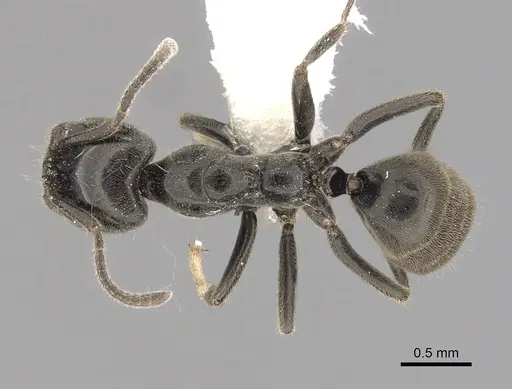
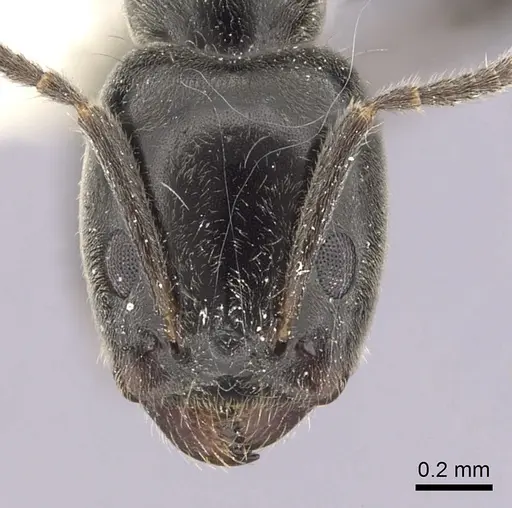
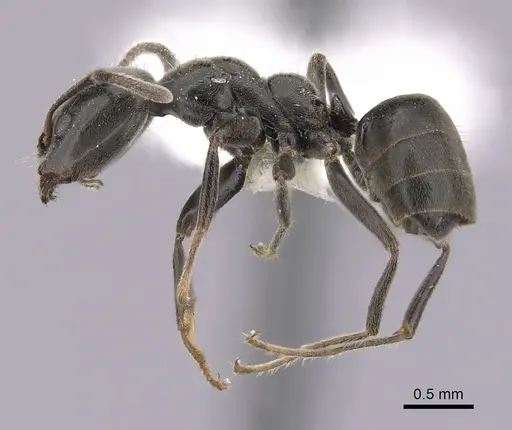
CASENT0909543
View on AntWeb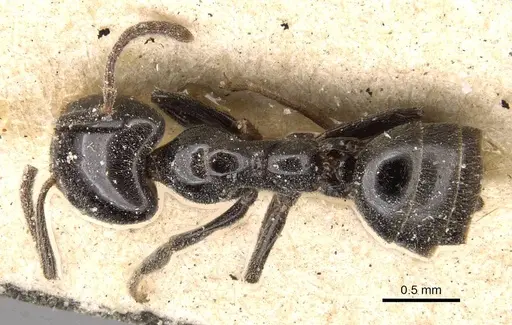
Literature
Loading...Loading products...