

Anonychomyrma inclinata
- Scientific Name
- Anonychomyrma inclinata
- Tribe
- Leptomyrmecini
- Subfamily
- Dolichoderinae
- Author
- Lewis & Sands, 2021
- Distribution
- Found in 1 countries
Anonychomyrma inclinata Overview
Anonychomyrma inclinata is an ant species of the genus Anonychomyrma. It is primarily documented in 1 countries , including Australia. Detailed taxonomic data and occurrence records can be further explored via authoritative databases such as AntWeb or the Global Biodiversity Information Facility (GBIF).
Anonychomyrma inclinata
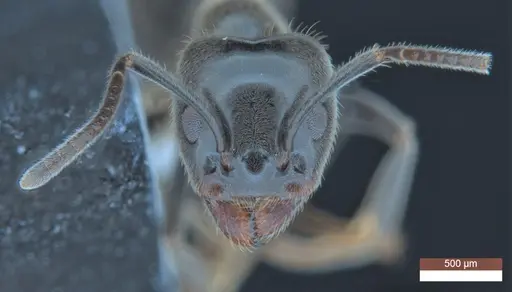
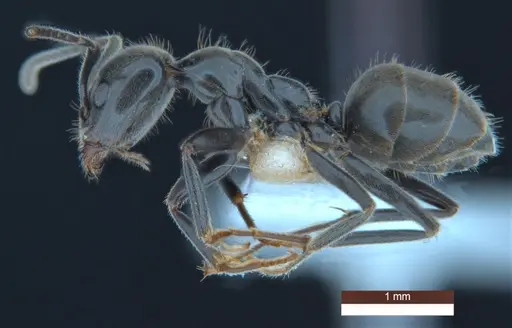
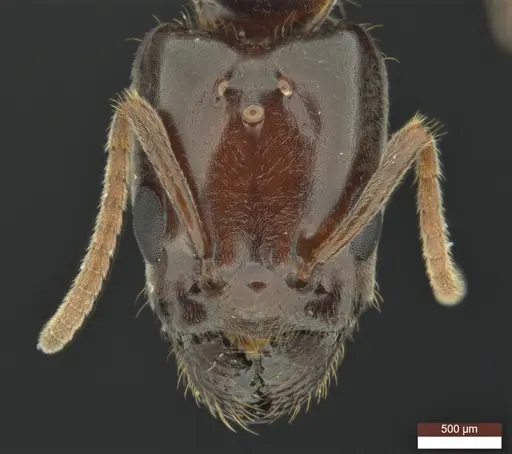
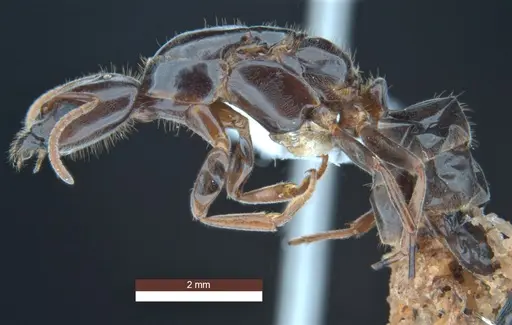
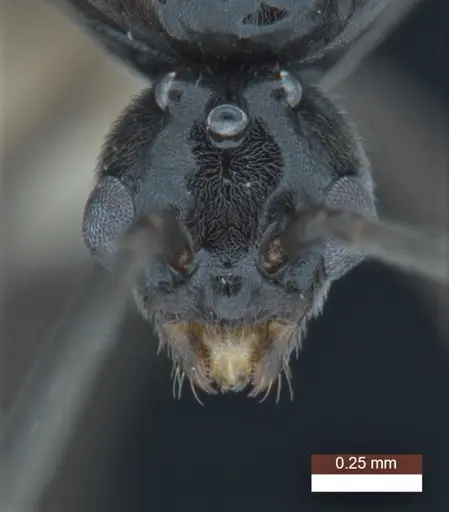
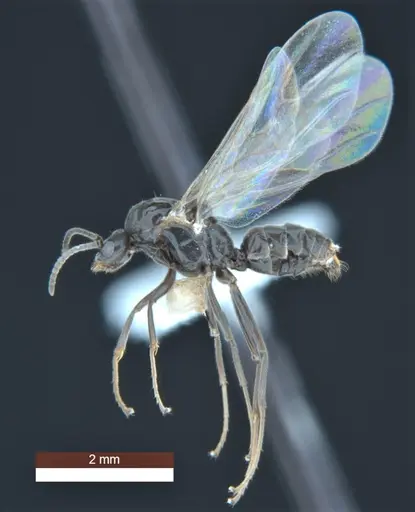
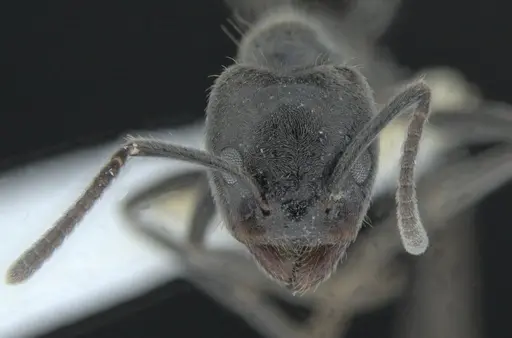
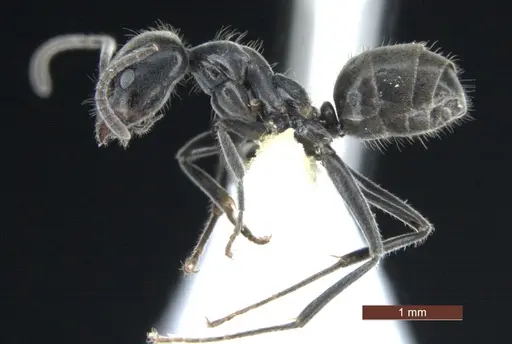
Anonychomyrma inclinata is a small, dark arboreal ant native to eastern Australia. Workers measure roughly 3-4mm in total length with head widths of 0.82-1.04mm, typically appearing black though some individuals may be brown depending on age and sun exposure [1][2]. They possess a distinctive low, sloping rear body section and a strong odor characteristic of their genus [1]. These ants live almost exclusively in mature live trees across the Brigalow Belt regions of Queensland and New South Wales, occupying hollows and abandoned termite tunnels high above the ground [1].
What makes this species truly unique is their intimate relationship with endangered butterflies. They serve as obligate caretakers for the bulloak jewel butterfly (Hypochrysops piceatus), carrying freshly hatched caterpillars to shelter in tree hollows and guiding them to soft leaves at dusk to feed [1]. One studied colony contained over 170,000 individuals, including 13,000 workers, a single queen, and an astonishing 160,000 brood, packed into 12.5 liters of abandoned termite tunnels [1].
Quick Summary
- Difficulty: Hard
- Origin & Habitat: Eastern Australia (Brigalow Belt regions of inland New South Wales and Queensland), nesting in mature live trees with internal hollows and abandoned termite tunnels [1]
- Colony Type: Single-queen colonies (monogyne) that can grow to massive sizes [1]
- Colony: Monogyne
- Size & Growth:
- Queen: Approximately 6-7mm total length (head width 1.54mm, mesosoma length 3.50mm) [1]
- Worker: Approximately 3-4mm total length (head width 0.82-1.04mm) [1]
- Colony: Up to 13,000+ workers documented in mature colonies [1]
- Growth: Fast
- Development: Estimated 6-10 weeks at 25°C based on related Dolichoderinae patterns, not directly measured (Colonies produce massive brood counts (160,000 observed in one nest) suggesting high reproductive output [1])
- Antkeeping:
- Temperature: Keep at 20-30°C with a gentle gradient. Foraging activity strongly reduces at 30-35°C and resumes only when temperatures drop, so avoid overheating [1]
- Humidity: Provide moderate to high humidity with access to moisture. In nature they use water-filled termite tunnels at the nest base, in captivity offer a water source or damp substrate in part of the nest [1]
- Diapause: No, they remain active throughout the year [1]
- Nesting: Arboreal vertical setups required. Use hollow branches, cork tubes, or custom vertical formicariums with chambers sized to their small bodies. They need height and climbing surfaces, not horizontal ground space [1]
- Behavior: Active foragers that form strong trails up to 20-25 meters between trees. They preferentially use fallen logs and branches as highways when crossing ground [1]. Heat-sensitive, they will retreat from food sources when temperatures exceed 30-35°C [1]. Their small size means excellent escape prevention is essential.
- Common Issues: overheating causes complete foraging shutdown, ensure temperatures stay below 30°C in the foraging area, tiny worker size (3-4mm) means they escape through gaps that larger ants cannot, use fine mesh and tight-fitting lids, arboreal nature makes ground-based test tube setups inappropriate, they need vertical climbing surfaces, colonies grow massive (10,000+ workers) and will quickly outgrow small nests, plan for expansion, dehydration risk in arboreal setups without proper moisture access, maintain water sources
Arboreal Housing Setup
Unlike ground-nesting ants, Anonychomyrma inclinata requires vertical space. In nature they live in tree hollows and abandoned termite tunnels up to 10 meters above ground [1]. For captive colonies, provide hollow branches, bamboo tubes, or cork bark with pre-drilled cavities. The nest chambers should be small and tight-fitting, these are small ants that prefer enclosed spaces. Include plenty of climbing surfaces and vertical height rather than horizontal floor space. You can create a hybrid setup with a vertical cork tube nest leading to an outworld with branches for foraging. Ensure the setup allows for expansion, as colonies can reach over 10,000 workers and need significant volume (over 12 liters in documented wild colonies) [1].
Feeding and Diet
These ants have a sweet tooth developed from their arboreal lifestyle. In nature they harvest nectar from mistletoes, eucalypts, and flowering shrubs, plus honeydew from scale insects and psyllids [1]. In captivity, offer sugar water or honey water constantly. They also forage for insects on trees and the ground, so provide small live prey like fruit flies, springtails, or tiny crickets [1]. Because they tend butterfly larvae in the wild, they may accept soft-bodied prey readily. Ensure liquid food is always available, arboreal ants are prone to dehydration. You can offer nectar-mimicking liquids in test tubes or liquid feeders placed on branches in the outworld.
Temperature Management
Temperature control is critical for this species. While they tolerate a range from temperate to tropical climates in the wild, they are sensitive to heat during foraging. Activity drops sharply when temperatures reach 30-35°C and only resumes when it cools down [1]. Keep the nest area at 20-28°C with a gentle gradient. If using a heating cable, place it on one side of the nest (never underneath) to create a warm zone while allowing cooler retreats. Watch for signs of heat stress: if workers cluster away from the heated area or stop foraging, reduce temperatures immediately. Unlike many Australian ants, they do not enter diapause and remain active year-round, so maintain stable conditions throughout all seasons [1].
Colony Growth and Space Planning
Be prepared for explosive growth. One studied colony contained 13,000 workers supported by 160,000 brood items, a massive reproductive backlog [1]. This suggests colonies maintain high brood production and will need frequent nest expansions. Start with a small vertical setup for founding, but plan to move to larger arboreal formicariums as the worker count exceeds a few hundred. The nest should provide tight, small chambers for their size, large open spaces stress small ants. Because they naturally use abandoned termite tunnels, they are comfortable in narrow, winding passages. If the colony becomes too large for your setup, you may need to split it or provide multiple connected vertical nests.
Trail Behavior and Foraging
These ants are trail-forming specialists. In nature they establish strong scent trails up to 20-25 meters between trees, using fallen logs as highways when crossing the ground [1]. In captivity, they will likely establish trails quickly between their nest and food sources. Provide branches or twigs in the outworld to simulate their natural highway system, this encourages natural foraging behavior. They forage both in the canopy (or your outworld's upper levels) and on the ground, so offer food at various heights. Their trail-based foraging makes them efficient at finding food quickly, but also means they will explore aggressively, ensure your outworld has excellent escape prevention.
Frequently Asked Questions
Can I keep Anonychomyrma inclinata in a test tube?
No, these are arboreal ants that need vertical climbing surfaces and hollow cavities. Test tubes placed horizontally do not meet their nesting instincts. Use vertical cork tubes, hollow branches, or arboreal formicariums instead [1].
What is the best nest type for Anonychomyrma inclinata?
Vertical setups with small chambers work best. Hollow cork tubes, bamboo sections, or custom arboreal formicariums with narrow passages mimic their natural tree hollow and termite tunnel habitats [1].
How big do Anonychomyrma inclinata colonies get?
Very large, documented colonies exceed 13,000 workers with over 160,000 brood items. Plan for massive colony size requiring 10+ liters of nest space eventually [1].
Do Anonychomyrma inclinata need hibernation?
No, they remain active throughout the year. Maintain stable temperatures year-round without a cooling period [1].
What do Anonychomyrma inclinata eat?
They need both sugar sources (sugar water, honey water) and protein (small insects like fruit flies or springtails). In nature they harvest nectar and honeydew extensively [1].
Are Anonychomyrma inclinata good for beginners?
No, they are challenging due to their arboreal requirements, heat sensitivity, massive colony size potential, and small size requiring excellent escape prevention. They are better suited for experienced keepers [1].
What temperature do Anonychomyrma inclinata need?
Keep them at 20-30°C. Avoid letting foraging areas exceed 30-35°C, as they stop foraging at these temperatures and only resume when it cools down [1].
How long until Anonychomyrma inclinata get their first workers?
Development time is unconfirmed for this species, but based on related Dolichoderinae ants, expect approximately 6-10 weeks from egg to first worker at 25°C.
Can I keep multiple Anonychomyrma inclinata queens together?
Not recommended. Only single-queen colonies have been documented, and combining unrelated queens has not been studied in this species [1].
References

This caresheet is licensed under CC BY-SA 4.0 .
ANIC32-146018
View on AntWeb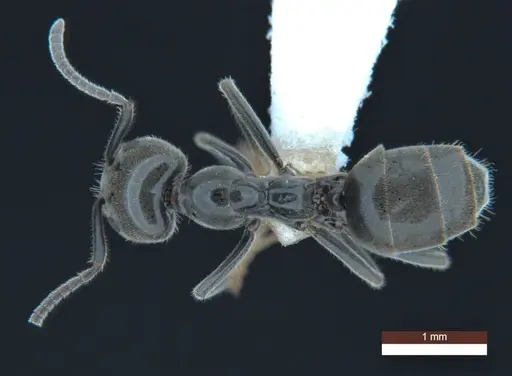
ANIC32-158095
View on AntWeb
ANIC32-158096
View on AntWeb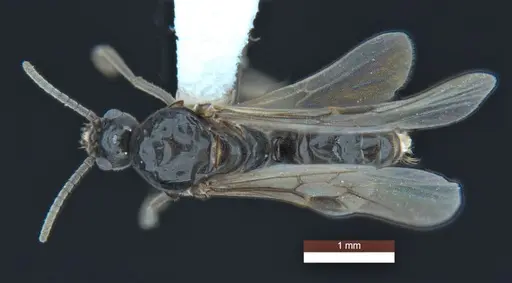
QMT231707
View on AntWeb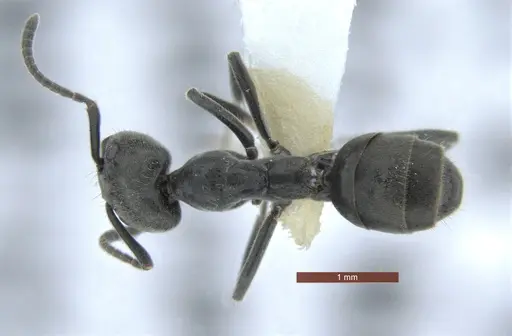
Literature
Loading...Loading products...