

Anonychomyrma gilberti
- Scientific Name
- Anonychomyrma gilberti
- Tribe
- Leptomyrmecini
- Subfamily
- Dolichoderinae
- Author
- Forel, 1902
- Distribution
- Found in 1 countries
Anonychomyrma gilberti Overview
Anonychomyrma gilberti is an ant species of the genus Anonychomyrma. It is primarily documented in 1 countries , including Australia. Detailed taxonomic data and occurrence records can be further explored via authoritative databases such as AntWeb or the Global Biodiversity Information Facility (GBIF).
Anonychomyrma gilberti
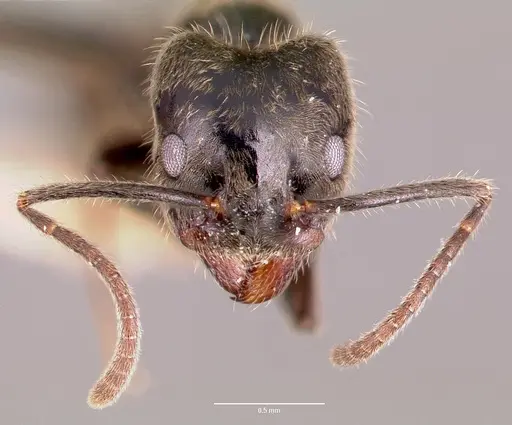
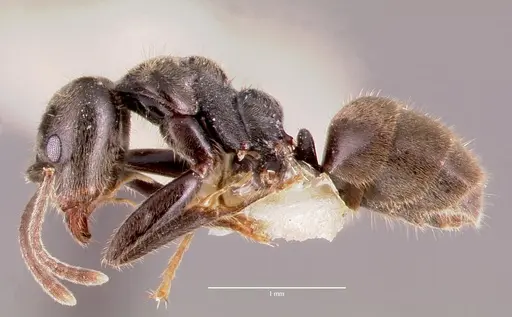
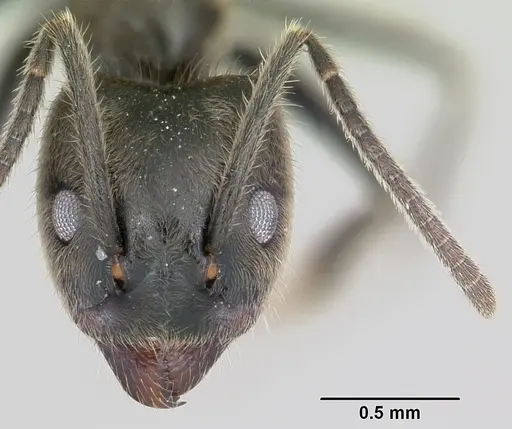
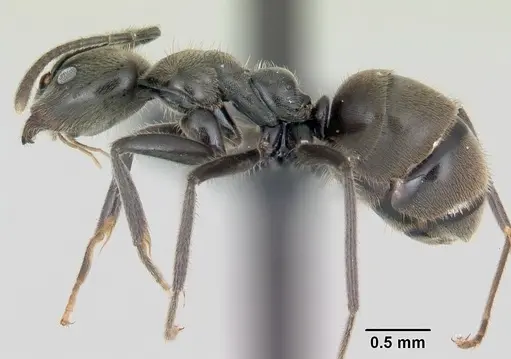
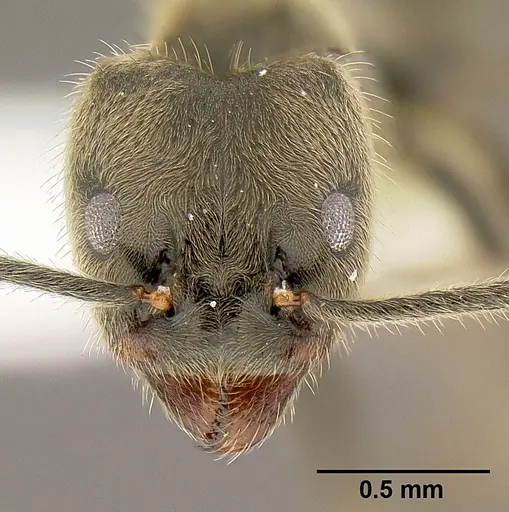
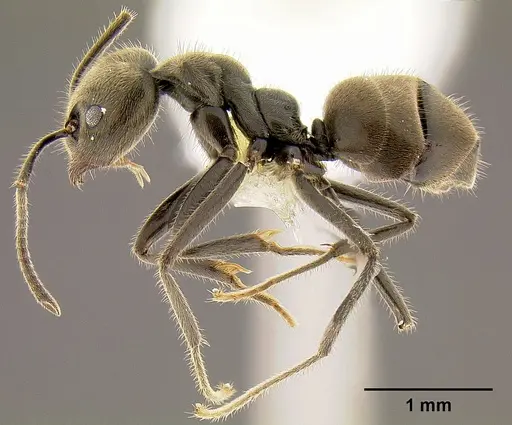
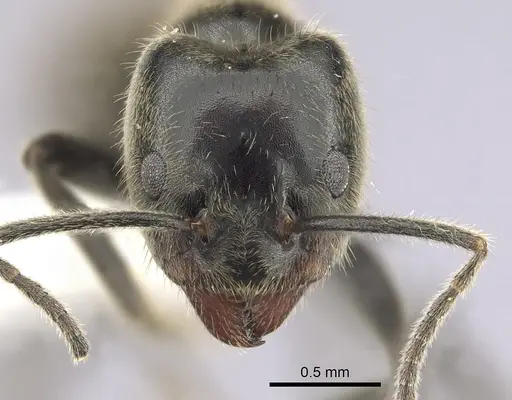
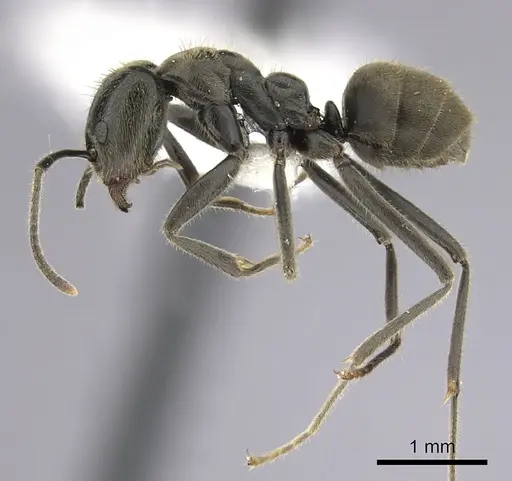
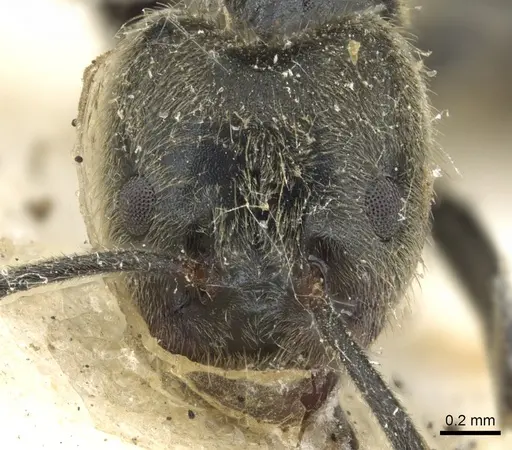
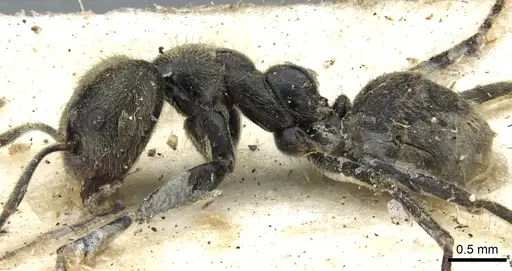
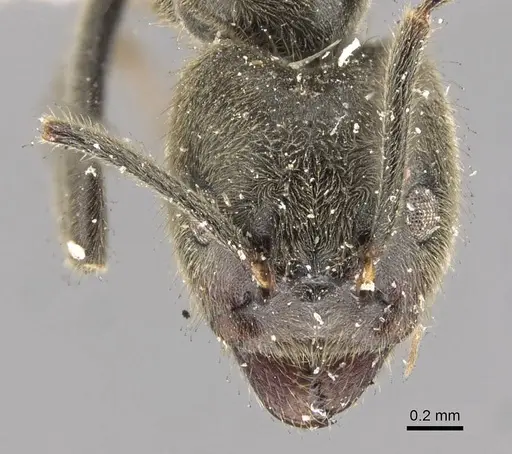
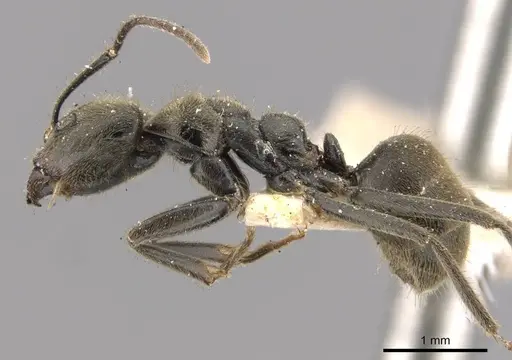
Anonychomyrma gilberti is a medium-sized ant with a distinctive covering of golden pubescence that gives it a slightly fuzzy appearance [1]. These ants live in the tropical forests of Queensland, Australia and New Guinea [2]. In nature, they specialize in nesting inside hollow sections of Syzygium trees, particularly S. cormiflorum and S. erythrocalyx [3]. They are active, fast-moving foragers that build extensive trail networks to harvest honeydew and extrafloral nectar from plants, while also hunting small herbivorous insects to supplement their diet [4][5]. As members of the Dolichoderinae subfamily, they lack stings and rely on speed and chemical defenses for protection.
Quick Summary
- Difficulty: Medium
- Origin & Habitat: Tropical Queensland, Australia and New Guinea, nests in hollow tree sections in rainforest and wet sclerophyll forest [2][3]
- Colony Type: Likely single-queen colonies (monogyne), though specific colony structure is unconfirmed for this species
- Colony: Monogyne
- Founding: Claustral
- Size & Growth:
- Queen: Unknown, estimated 6-8mm based on typical Anonychomyrma patterns
- Worker: Unknown, estimated 4-6mm based on typical Anonychomyrma patterns
- Colony: Unknown, likely moderate (hundreds to low thousands) based on arboreal lifestyle
- Growth: Unknown, likely moderate to fast given tropical habitat
- Development: Unknown, estimated 6-10 weeks at 25-28°C based on related tropical Dolichoderinae (Timeline is inferred from genus patterns, actual development may vary)
- Antkeeping:
- Temperature: Warm tropical conditions around 24-28°C, provide a gentle heat gradient with heating cable on one side [2]
- Humidity: High humidity required, keep nest substrate moist but not waterlogged with good ventilation to prevent mold
- Diapause: No, tropical species that remains active year-round [2]
- Nesting: Arboreal setup required, provide hollow wood, bamboo tubes, or vertical formicarium with tight-fitting chambers mimicking tree hollows [3]
- Behavior: Active, fast foragers that use long-term trail networks to find food [4]. Non-aggressive and lack stings (typical for Dolichoderinae). Moderate escape risk due to climbing ability and small size, use excellent barriers.
- Common Issues: arboreal species may struggle in ground-based nests, provide vertical climbing surfaces and elevated chambers, tropical humidity requirements mean dehydration risk if ventilation is too high or heating is excessive, fast movement and climbing ability means escapes are likely without proper barriers like Fluon or fine mesh, limited captive breeding data means founding success is uncertain, queens may have specific requirements not yet documented
Natural History and Distribution
Anonychomyrma gilberti belongs to the Australian radiation of dolichoderine ants, part of the DNAPPTOFI clade that diversified roughly 23 million years ago [6][7]. They are found in the tropical forests of Queensland, Australia, ranging from Mackay to Cairns, and also occur in New Guinea [2][8]. These ants are strongly associated with trees, specifically nesting in hollow sections of Syzygium cormiflorum and S. erythrocalyx [3]. This arboreal lifestyle means they require different care than ground-nesting species. In captivity, you will need to provide vertical space and elevated nesting chambers rather than traditional horizontal setups.
Nest Preferences and Housing
In nature, Anonychomyrma gilberti lives inside hollow trees, so you need to replicate this arboreal environment [3]. A vertical setup works best, use bamboo tubes, hollow wood pieces, or an arboreal formicarium with chambers stacked vertically rather than horizontally. The nest should have tight-fitting spaces that mimic tree hollows. Because they are tropical, maintain high humidity by keeping the nest material moist, but ensure good airflow to prevent mold growth. A heating cable placed on one side of the nest (preferably the top to avoid drying out water reservoirs) helps create a temperature gradient they can choose from.
Feeding and Diet
These ants are generalist foragers with a sweet tooth. They collect extrafloral nectar and honeydew from plants using established trail networks that they maintain long-term [4]. They also hunt herbivorous insects, providing natural pest control in their native forests [5]. In captivity, offer sugar water or honey water constantly, and provide small live insects like fruit flies, springtails, or small cricket pieces twice weekly. They may also accept dead insects if fresh. Because they forage in trails, place food sources along their established paths rather than randomly in the outworld.
Temperature and Humidity
Coming from tropical Queensland, Anonychomyrma gilberti needs warm conditions year-round [2]. Keep them at roughly 24-28°C with a slight gradient. They do not require hibernation (diapause) and remain active throughout the year. Humidity should be high, think tropical forest conditions. Keep the nest substrate damp but not waterlogged. You can achieve this by using a water tower or moistening the substrate directly, but watch for condensation which can drown small workers. If you see workers clustering near the heat source, increase warmth slightly, if they avoid it, reduce temperature.
Behavior and Temperament
Anonychomyrma gilberti are active, fast-moving ants that establish long-lasting foraging trails [4]. They are not aggressive toward humans and cannot sting, being members of the Dolichoderinae subfamily. Their defense relies on speed and chemical alarms rather than attacks. They are excellent climbers due to their arboreal nature, so escape prevention is critical. Use Fluon or PTFE barriers on all vertical surfaces, and ensure lids fit tightly with fine mesh ventilation. Their fast movement means they can exploit any gap quickly, so check seals regularly.
Frequently Asked Questions
Can I keep Anonychomyrma gilberti in a test tube?
Test tubes are not ideal for this species. Anonychomyrma gilberti naturally lives in hollow trees and needs vertical space to feel secure [3]. While a founding queen might temporarily accept a test tube, you should transition to a bamboo tube or arboreal setup as soon as possible. Horizontal spaces stress arboreal ants and may cause them to fail.
How long until Anonychomyrma gilberti gets their first workers?
The exact timeline is unconfirmed for this species. Based on related tropical Dolichoderinae, expect roughly 6-10 weeks from egg to worker at 25-28°C. Nanitic (first) workers may emerge slightly faster than subsequent brood.
Do Anonychomyrma gilberti need hibernation?
No. These ants come from tropical Queensland and remain active year-round [2]. They do not require a winter rest period (diapause). Keep them warm consistently, though you can slightly reduce feeding if colony activity naturally slows during cooler months.
Are Anonychomyrma gilberti good for beginners?
They are moderate difficulty. While they are not aggressive and lack stings, their arboreal requirements mean you need specialized vertical housing rather than standard horizontal formicaria. Limited captive breeding data also means founding success is uncertain. Beginners might want to start with more commonly kept species like Iridomyrmex or Camponotus before attempting this species.
What do Anonychomyrma gilberti eat?
They eat honeydew, extrafloral nectar, and small insects [4][5]. In captivity, provide sugar water constantly and small live prey like fruit flies or springtails twice weekly. They hunt herbivorous insects in nature, so protein is essential for colony growth.
Can I keep multiple Anonychomyrma gilberti queens together?
Not recommended. While the exact colony structure is unconfirmed for this species, most Dolichoderinae are single-queen (monogyne). Combining unrelated queens will likely result in fighting and death. Only attempt if you have confirmed documentation of pleometrosis (cooperative founding) for this specific species.
How big do Anonychomyrma gilberti colonies get?
Maximum colony size is unknown. Based on their arboreal lifestyle and genus patterns, they likely reach moderate sizes of several hundred to a few thousand workers, though this is estimated. They are not supercolonial ants.
References

This caresheet is licensed under CC BY-SA 4.0 .
CASENT0006102
View on AntWeb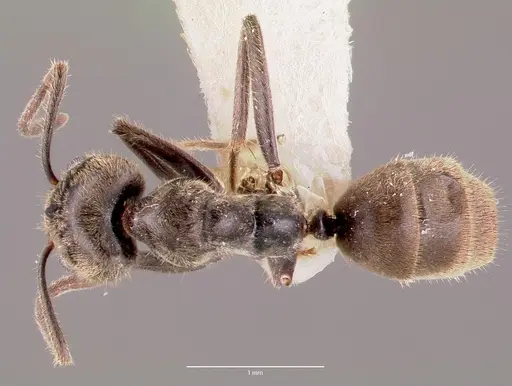
CASENT0069883
View on AntWeb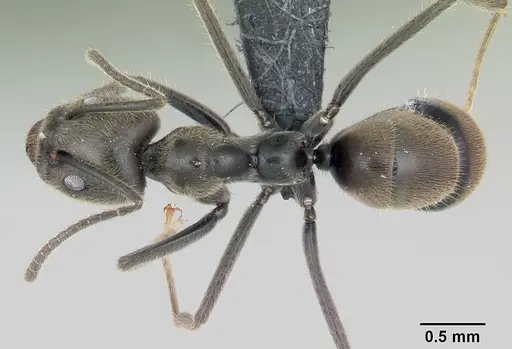
CASENT0106003
View on AntWeb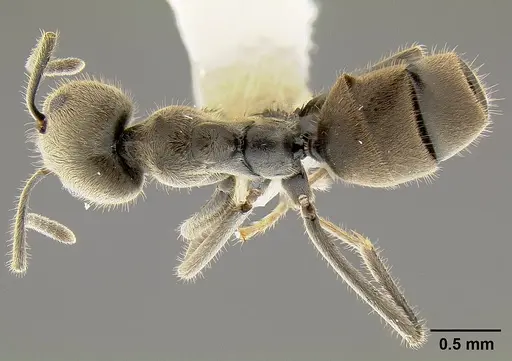
CASENT0249517
View on AntWeb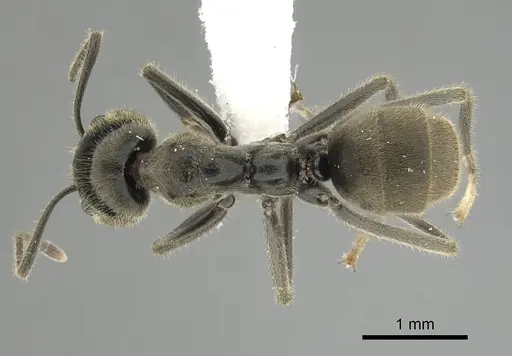
CASENT0902995
View on AntWeb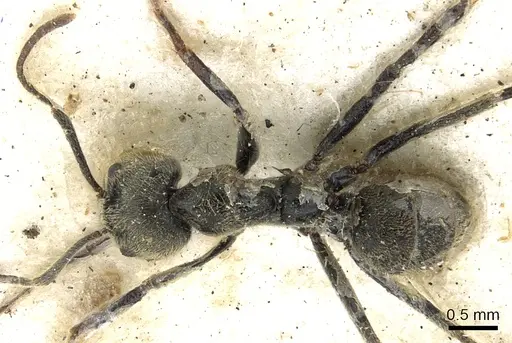
CASENT0909528
View on AntWeb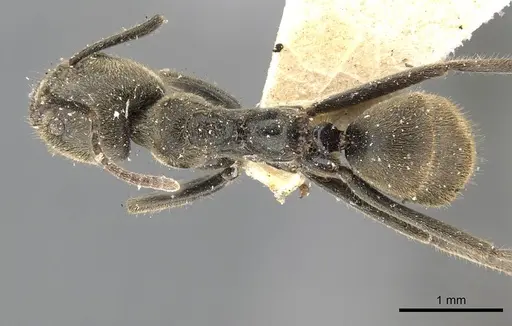
Literature
Loading...Loading products...