

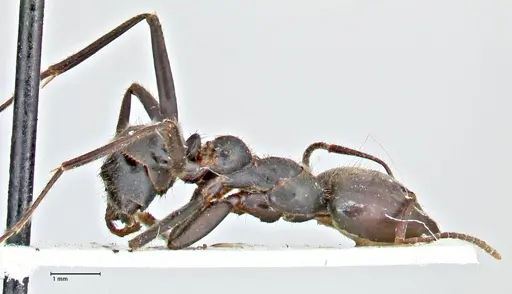
Anonychomyrma dimorpha
- Scientific Name
- Anonychomyrma dimorpha
- Tribe
- Leptomyrmecini
- Subfamily
- Dolichoderinae
- Author
- Viehmeyer, 1912
- Distribution
- Found in 3 countries
Anonychomyrma dimorpha Overview
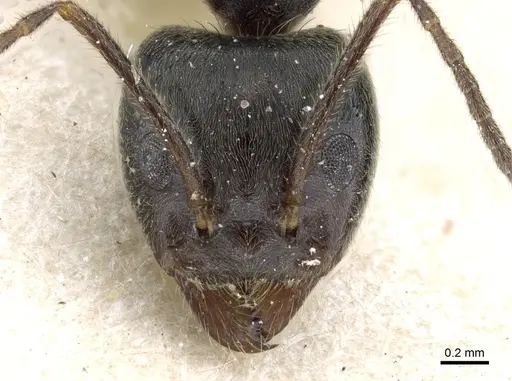
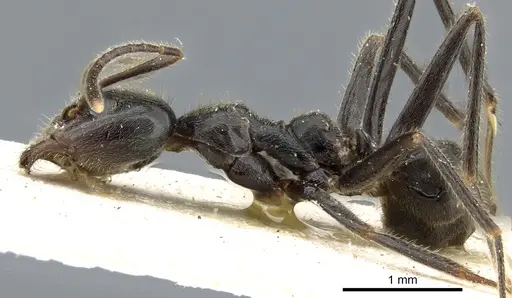
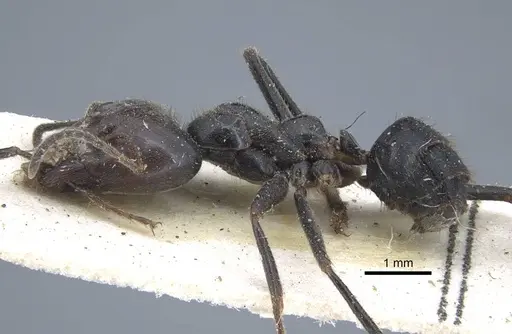
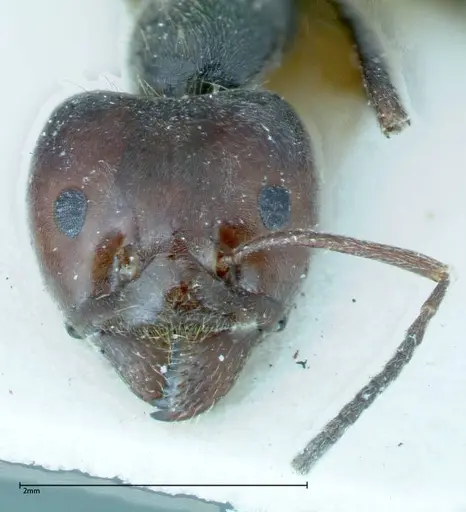
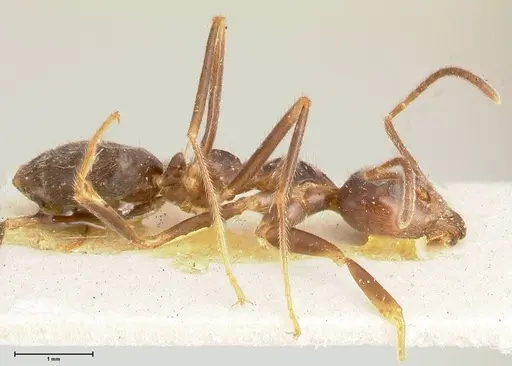
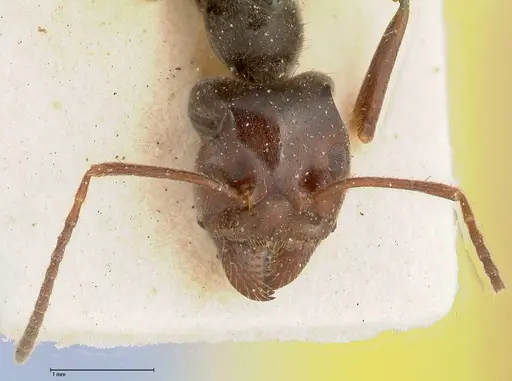
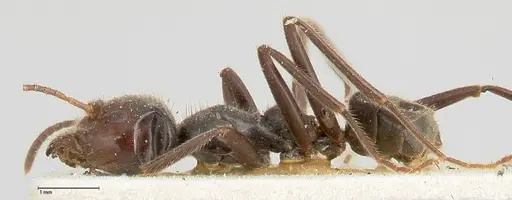
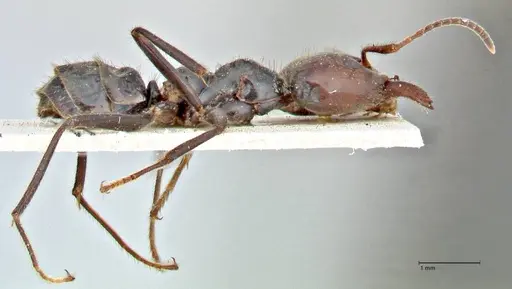
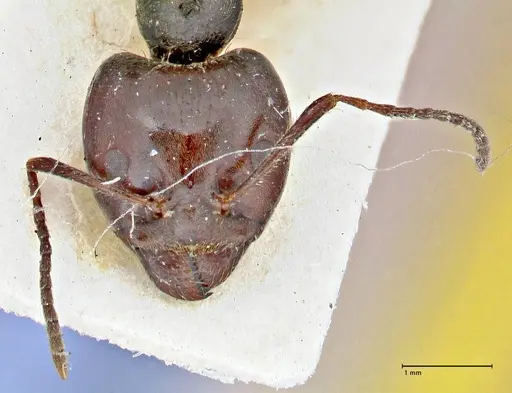
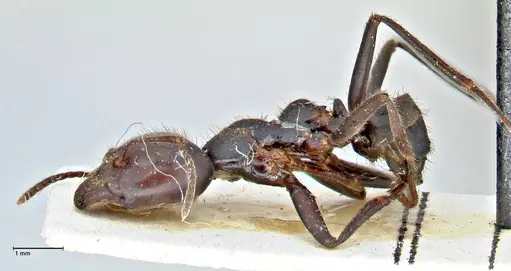
Anonychomyrma dimorpha is an ant species of the genus Anonychomyrma. It is primarily documented in 3 countries , including Indonesia, Papua New Guinea, Solomon Islands. Detailed taxonomic data and occurrence records can be further explored via authoritative databases such as AntWeb or the Global Biodiversity Information Facility (GBIF).
Anonychomyrma dimorpha
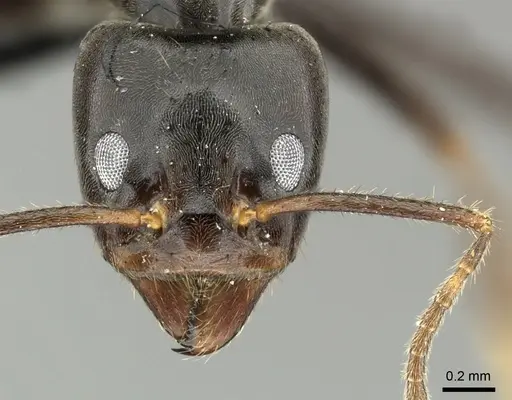
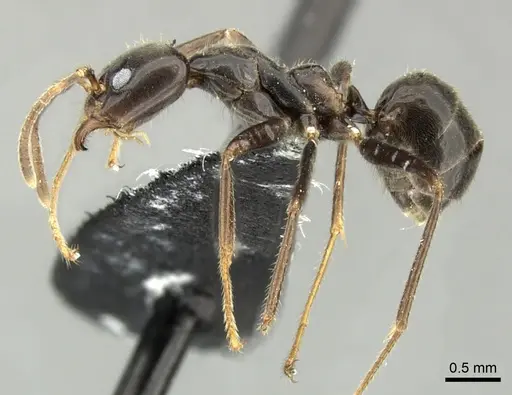
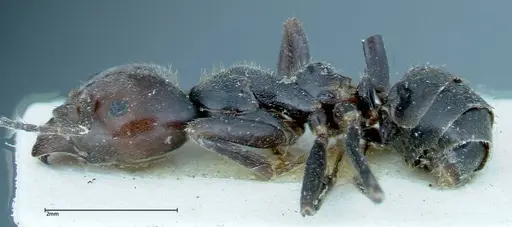
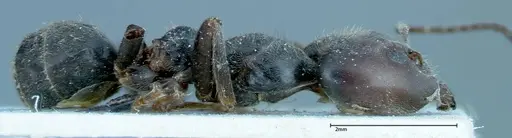
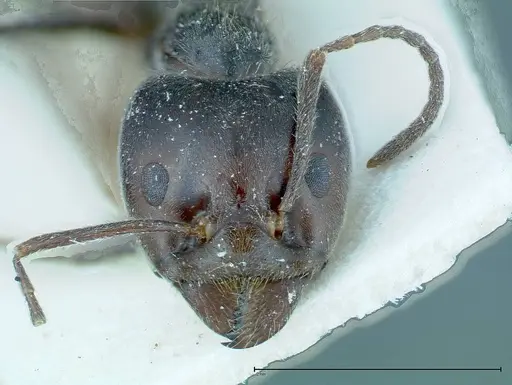
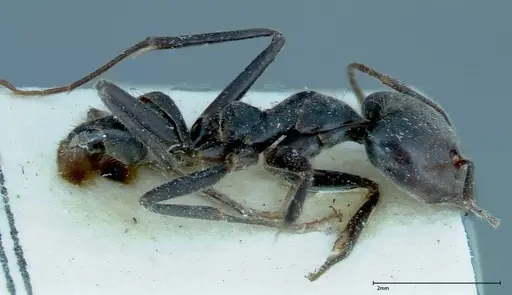
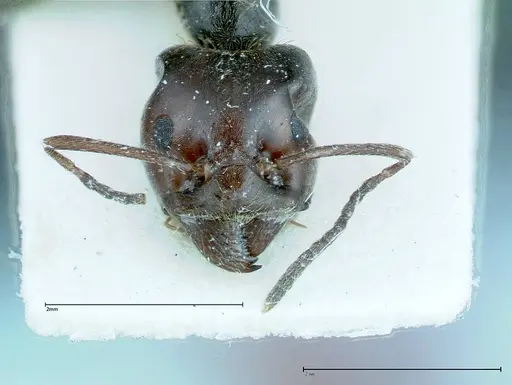
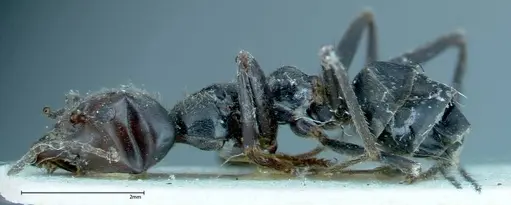
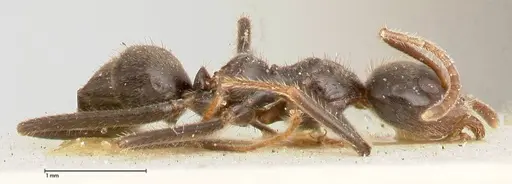
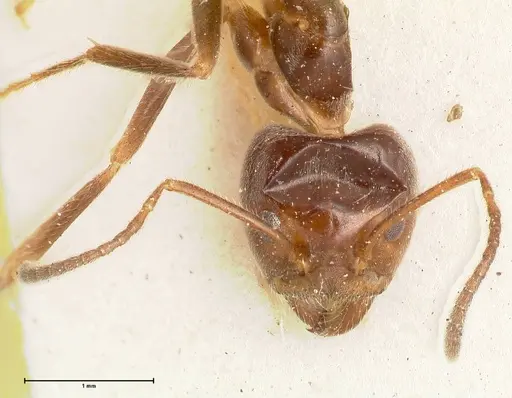
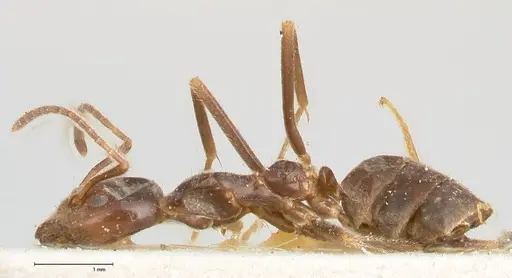
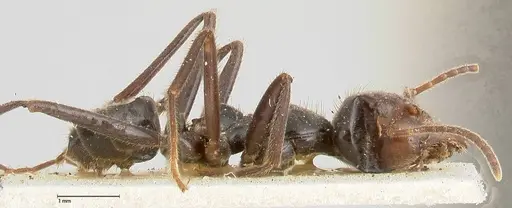
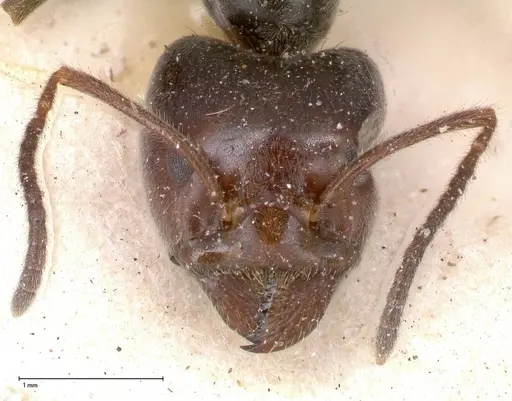
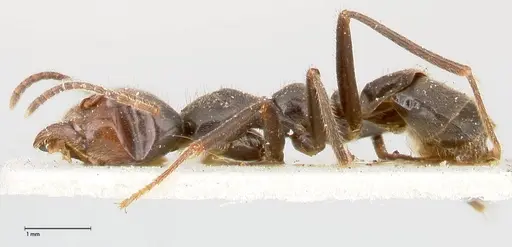
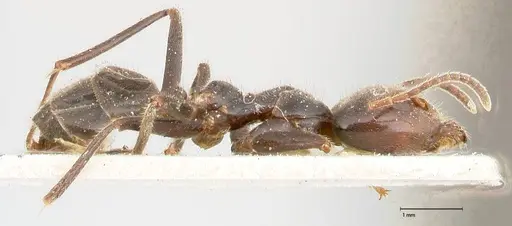
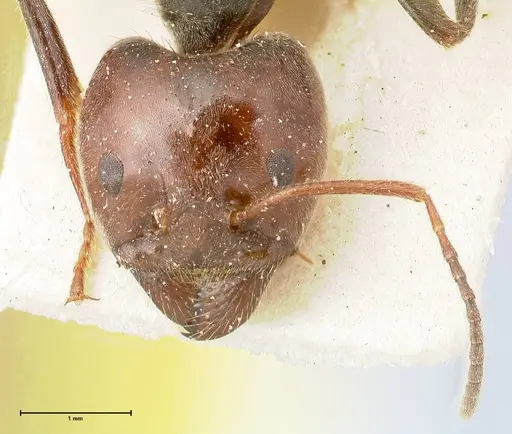
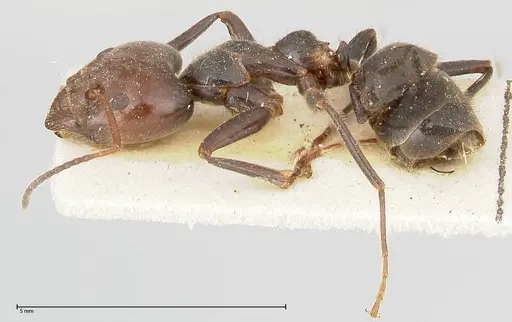
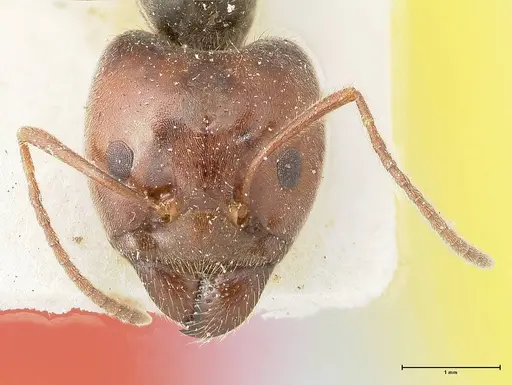
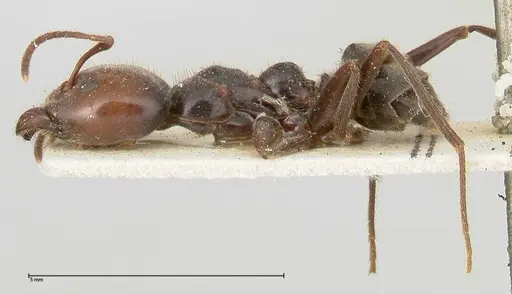
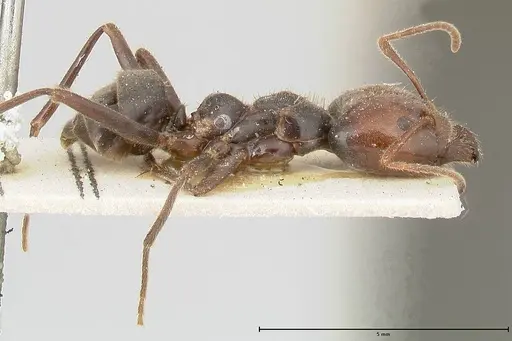
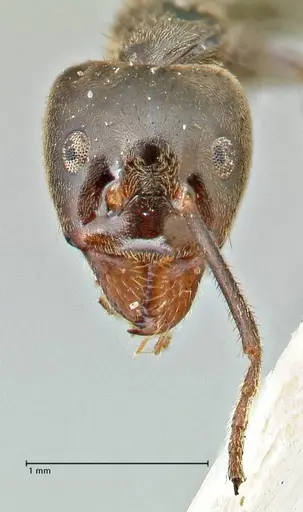
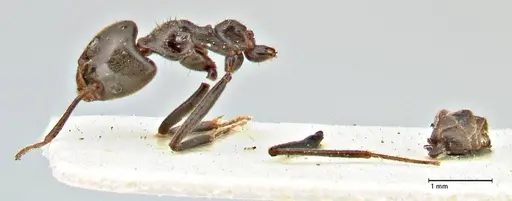
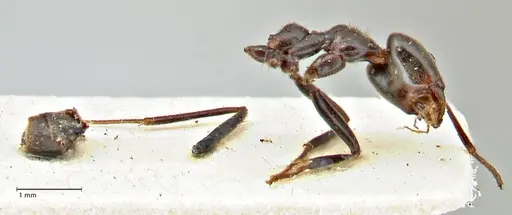
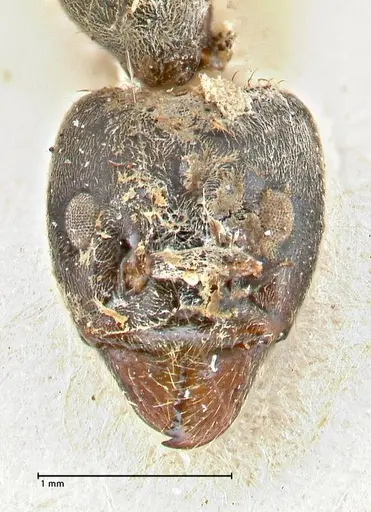
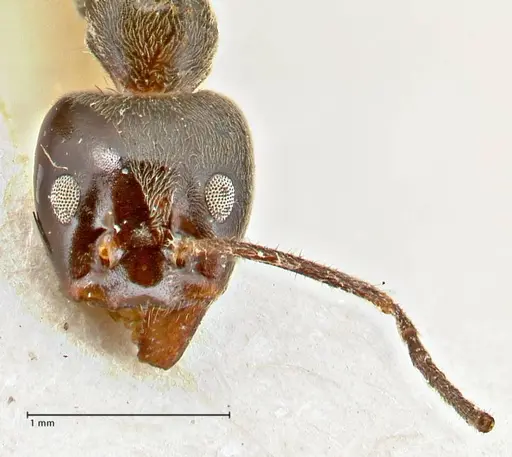
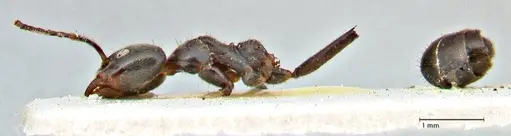
Anonychomyrma dimorpha is a poorly known ant from the tropical forests of New Guinea and the Solomon Islands [1][2]. Originally described as Anonychomyrma dimorpha in 1912 from specimens collected in the Torricelli Mountains of Papua New Guinea [3][4], this species was later moved to the genus Anonychomyrma in 1992 [4]. They belong to the subfamily Dolichoderinae, meaning they lack a stinger and defend themselves by spraying formic acid instead [5]. Beyond collection records from localities including Makira, Guadalcanal, Malaita, and Ysabel [1][2], almost nothing is known about their biology, colony size, or behavior.
Quick Summary
- Difficulty: Expert
- Origin & Habitat: New Guinea and Solomon Islands, including the Torricelli Mountains, Makira, Guadalcanal, Malaita, and Ysabel [1][2][3]. Found in tropical rainforest at around 640m elevation [3].
- Colony Type: Unconfirmed, no colony studies exist.
- Size & Growth:
- Queen: Unknown, based on related Anonychomyrma species, likely 4-6mm.
- Worker: Unknown, likely small, approximately 3-5mm based on genus patterns.
- Colony: Unknown.
- Growth: Unknown.
- Development: Unknown, tropical Dolichoderinae typically develop in 4-8 weeks at 25-28°C, but this is unconfirmed for this species. (Development speed likely depends on consistent warmth.)
- Antkeeping:
- Temperature: Tropical species, likely requires 24-28°C year-round based on equatorial distribution. Start at 25°C and adjust based on activity.
- Humidity: Likely requires high humidity consistent with rainforest habitat. Keep nest substrate moist but not waterlogged.
- Diapause: Likely not required, equatorial species typically do not hibernate. Maintain stable temperatures year-round.
- Nesting: Natural nesting habits unknown, likely arboreal or ground-dwelling in rotting wood based on related species.
- Behavior: Unknown specifically, Dolichoderinae typically show fast, erratic movement and generalist foraging.
- Common Issues: complete absence of captive care records means all care is experimental and failure rates are likely high., small size requires excellent escape prevention with tight-fitting lids and fine mesh., tropical heating requirements are difficult and expensive to maintain year-round., humidity balance is challenging without specific guidelines, too dry kills them, too wet causes mold.
Distribution and Taxonomic History
This species was first collected in the Torricelli Mountains of German New Guinea (now Papua New Guinea) at 640m elevation in September 1909 [3][4]. The original description by Viehmeyer placed it in the genus Iridomyrmex as I. dimorphus [4]. In 1992,Shattuck transferred it to Anonychomyrma based on morphological studies [4]. The species has since been recorded from various Solomon Islands including Makira and Guadalcanal [1], as well as Malaita and Ysabel [2]. A subspecies, Anonychomyrma dimorpha contenta, was described by Viehmeyer in 1913 [5]. Despite being known for over a century, no studies have examined living colonies, and all data comes from preserved museum specimens.
Housing and Captive Environment
Since natural nesting behavior is undocumented, you must experiment with standard tropical ant setups. Based on related Anonychomyrma species, they likely nest in rotting wood or under bark. A naturalistic setup with soft, rotting wood, leaf litter, and good drainage may work. Alternatively, a Y-tong (aerated concrete) nest with small chambers or a plaster nest with narrow tunnels could be suitable. Because these are likely small ants, ensure any ventilation holes are covered with fine mesh (under 1mm) to prevent escapes. The outworld should have a secure lid with a barrier such as Fluon or baby powder mixed with rubbing alcohol applied to the upper walls.
Temperature and Humidity Requirements
Coming from equatorial New Guinea and the Solomon Islands, this species likely needs warm, stable conditions year-round. Aim for 24-28°C with minimal fluctuation. Use a heating cable or heat mat on one side of the nest to create a gentle gradient, but monitor carefully to avoid overheating. Humidity should likely stay high, around 70-80%, mimicking tropical rainforest conditions. Keep the nest material damp but not soggy. You will likely not need to provide a diapause or winter rest period, as tropical species typically remain active year-round when kept warm.
Feeding and Diet
While specific diet is unknown, Dolichoderinae ants are generally generalist foragers. They likely accept liquid sugars such as honey water or sugar water, and small protein sources. Offer tiny live insects such as fruit flies, springtails, or very small cricket nymphs. They may also tend aphids or scale insects for honeydew in nature, so offering honeydew-producing insects or artificial honeydew substitutes might be beneficial. Start with small amounts to avoid mold, as tropical species are sensitive to spoiled food in humid setups. [5]
Why This Species Is Extremely Challenging
Anonychomyrma dimorpha represents the hardest category of ant to keep, one with zero documented captive care. You will be working entirely from first principles. The combination of likely small size (high escape risk), tropical heating needs (expensive and risky if power fails), and complete unknowns regarding founding behavior and diet means this species is only suitable for highly experienced antkeepers with resources to experiment. If you attempt this species, start with multiple queens if possible to increase chances of success, and document everything you observe to help future keepers.
Frequently Asked Questions
Are Anonychomyrma dimorpha good for beginners?
No. This species is suitable only for expert antkeepers due to the complete lack of captive care data, tropical heating requirements, and likely small size requiring advanced escape prevention.
How long does Anonychomyrma dimorpha take from egg to worker?
Unknown. Based on related tropical Dolichoderinae, development might take 4-8 weeks at 25-28°C, but this is purely an estimate.
Do Anonychomyrma dimorpha need hibernation?
Probably not. They come from equatorial regions where temperatures remain stable year-round. Keep them warm consistently rather than cooling them down.
Can I keep Anonychomyrma dimorpha in a test tube setup?
Likely yes for founding, if the species proves to be claustral like most Dolichoderinae. Use a standard test tube with water reservoir and cotton plug, kept in a warm, stable location. However, founding behavior is unconfirmed.
What do Anonychomyrma dimorpha eat?
Unknown specifically. Likely generalists accepting sugar water and small insects. Start with honey water and tiny live prey like fruit flies or springtails.
How big do Anonychomyrma dimorpha colonies get?
Unknown. No colony size data exists for this species.
Can I keep multiple Anonychomyrma dimorpha queens together?
Unknown. Combining queens is not recommended unless you observe pleometrosis (cooperative founding) in this species, which has not been documented.
References

This caresheet is licensed under CC BY-SA 4.0 .
CASENT0219919
View on AntWeb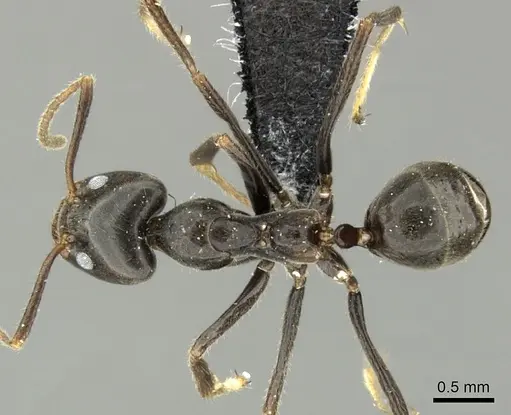
CASENT0902993
View on AntWeb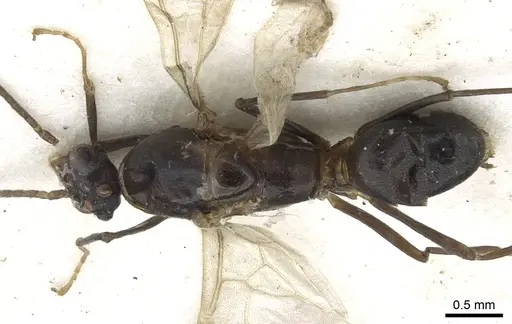
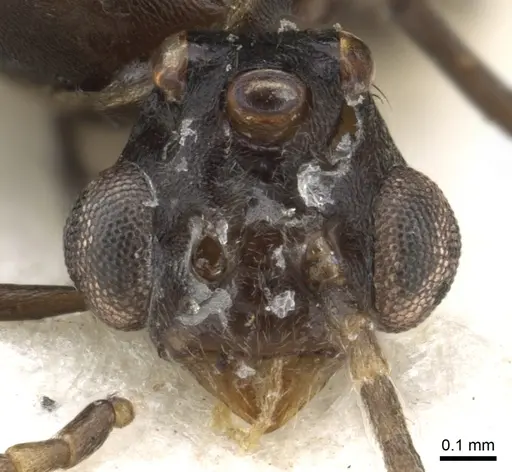
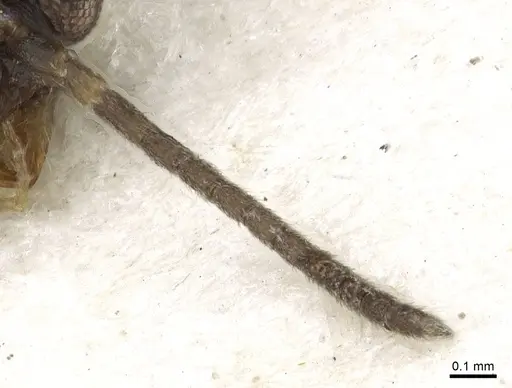
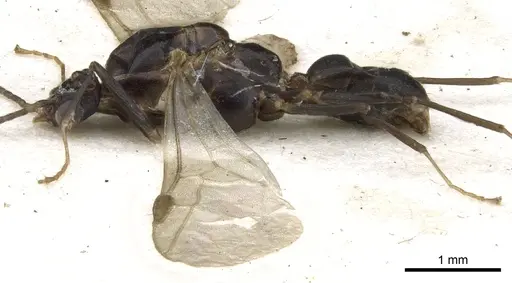
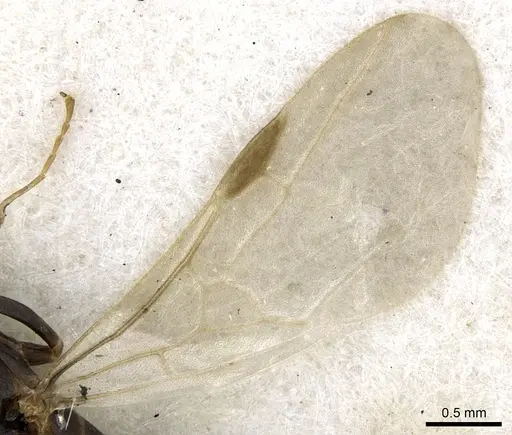
CASENT0905044
View on AntWeb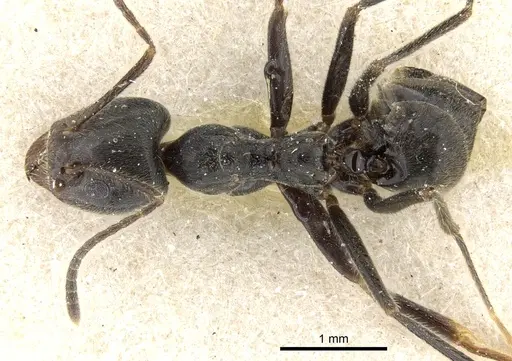
CASENT0905790
View on AntWeb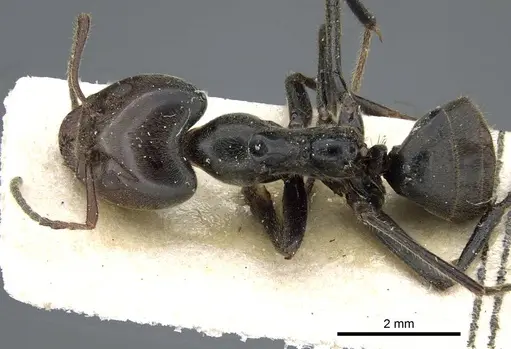
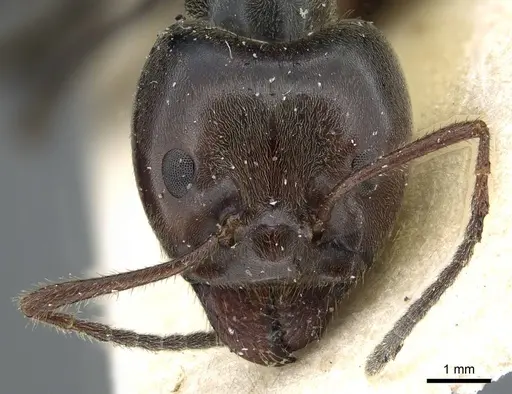
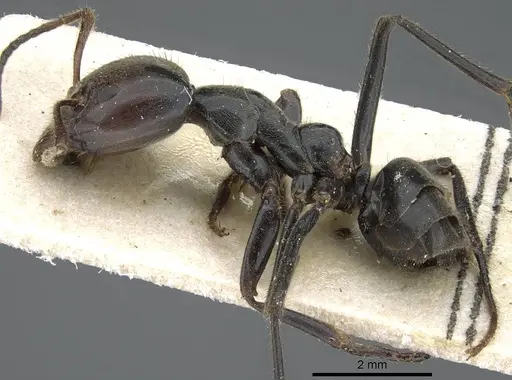
CASENT0917106
View on AntWeb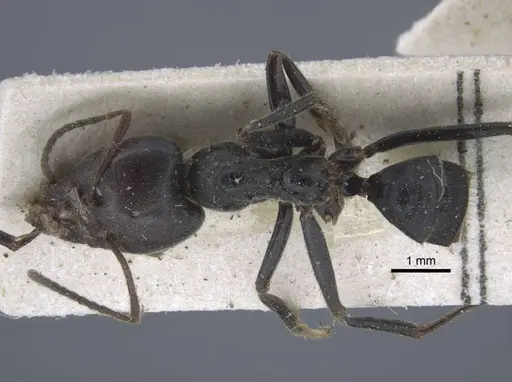
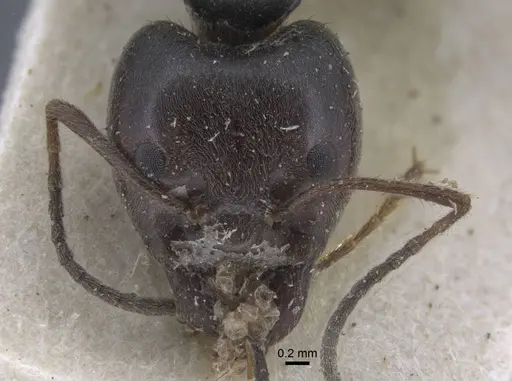
CASENT0923573
View on AntWeb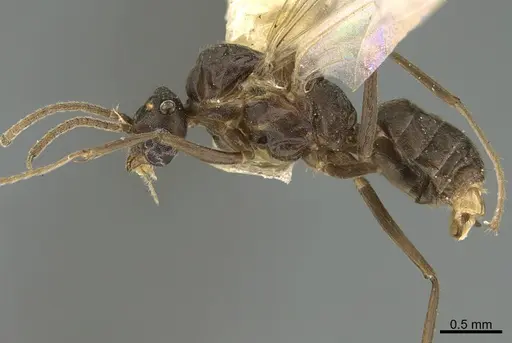
FOCOL0163
View on AntWeb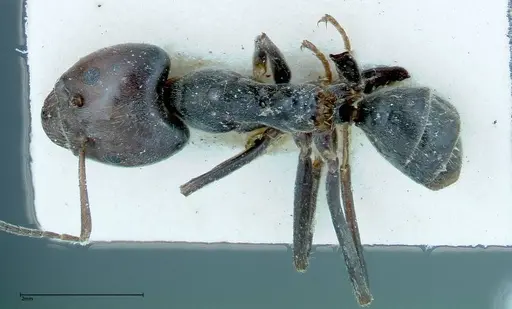
FOCOL0164
View on AntWeb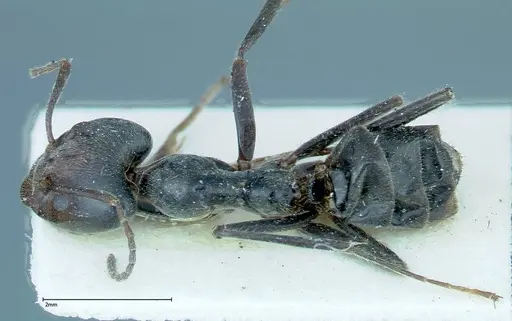
FOCOL0165
View on AntWeb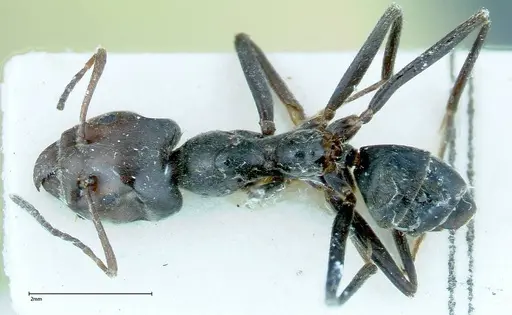
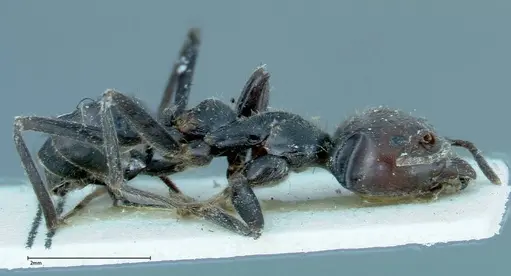
FOCOL0473
View on AntWeb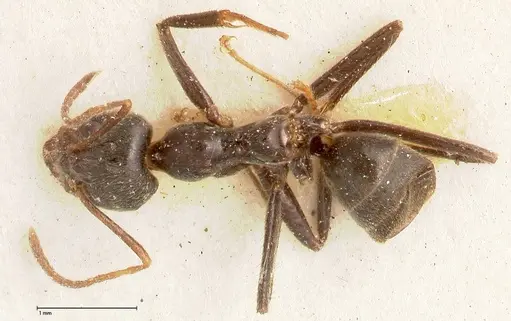
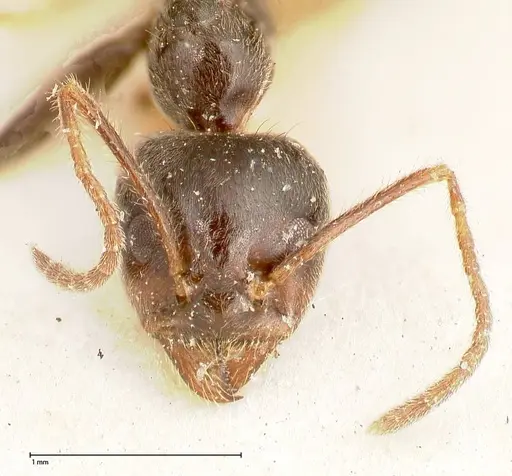
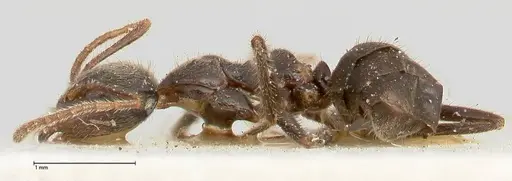
FOCOL0474
View on AntWeb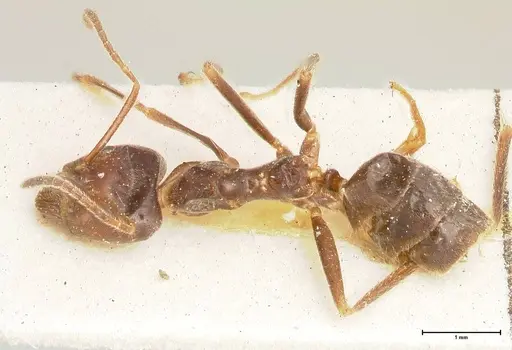
FOCOL0475
View on AntWeb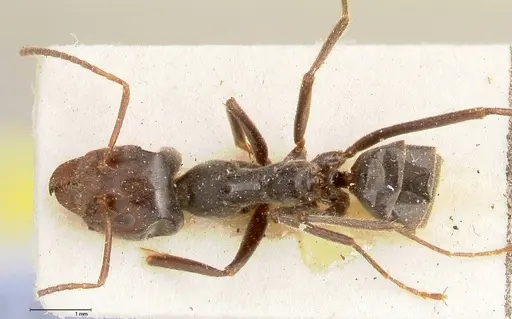
FOCOL0476
View on AntWeb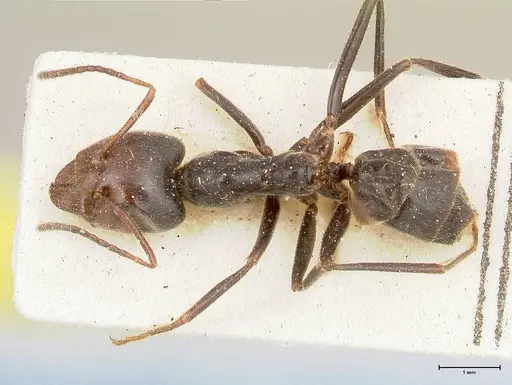
FOCOL0477
View on AntWeb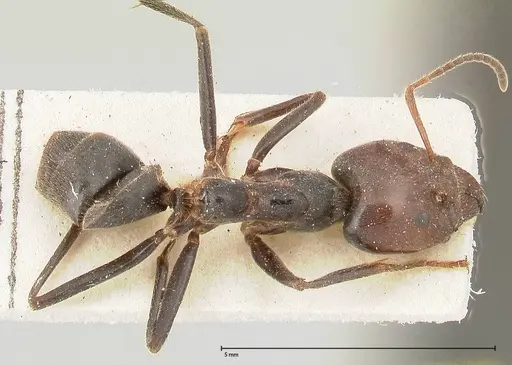
FOCOL0478
View on AntWeb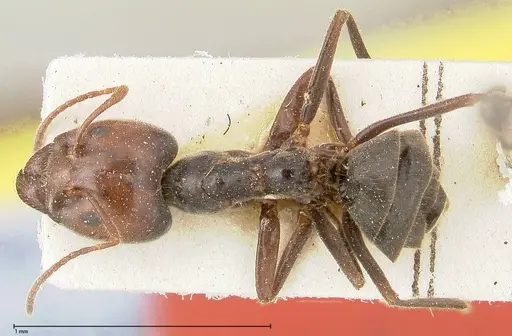
FOCOL2798
View on AntWeb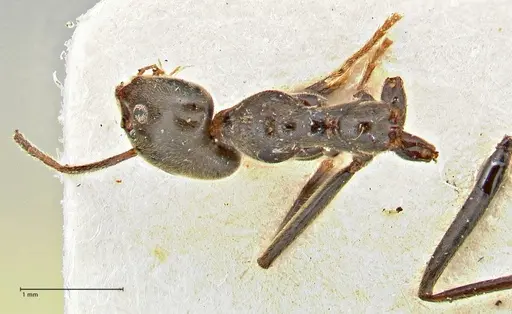
FOCOL2799
View on AntWeb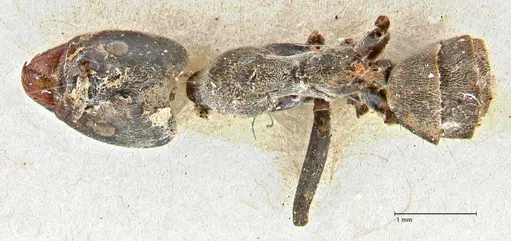
FOCOL2800
View on AntWeb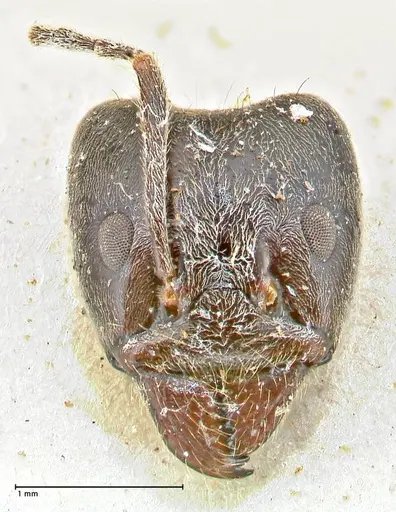
FOCOL2801
View on AntWeb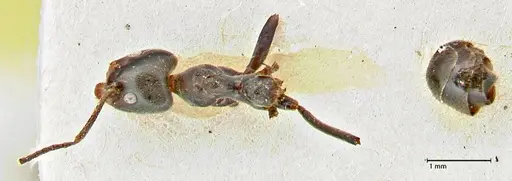
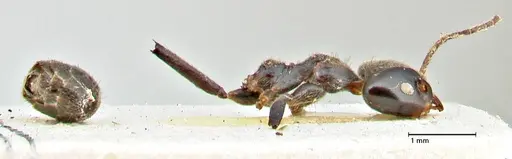
FOCOL2810
View on AntWeb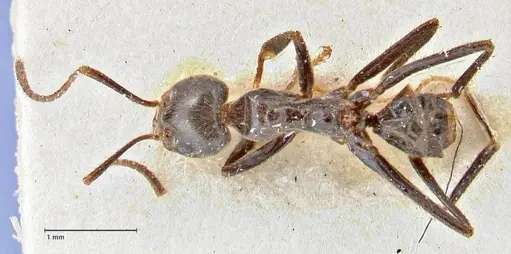
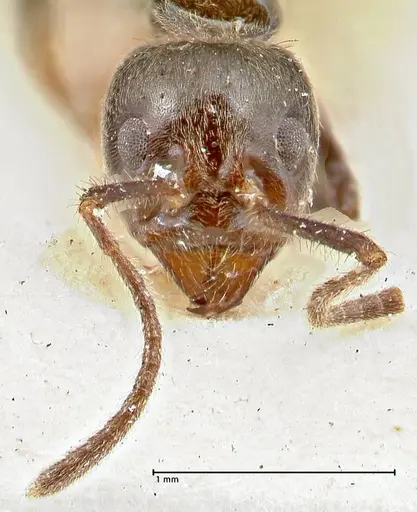
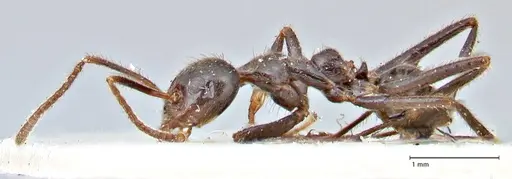
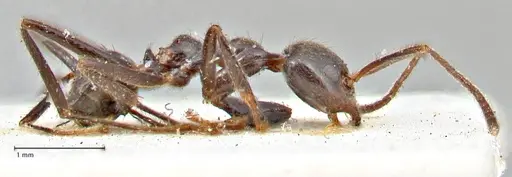
FOCOL2811
View on AntWeb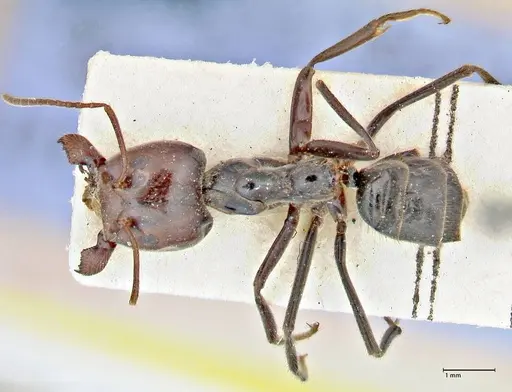
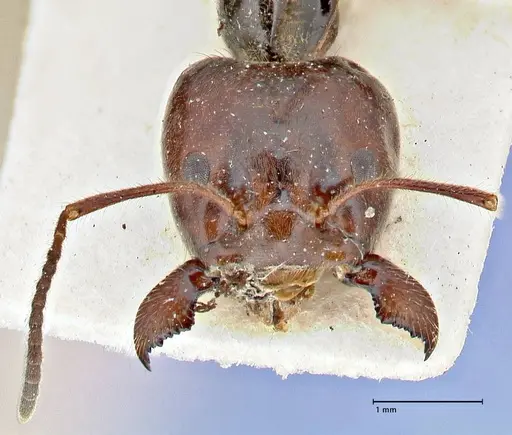
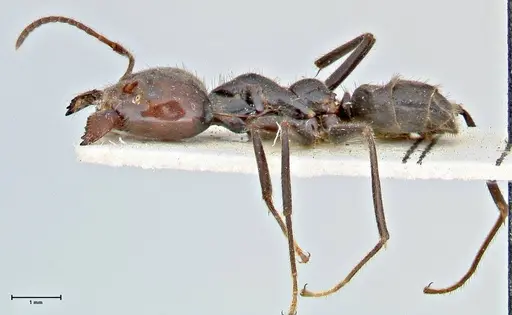
FOCOL2812
View on AntWeb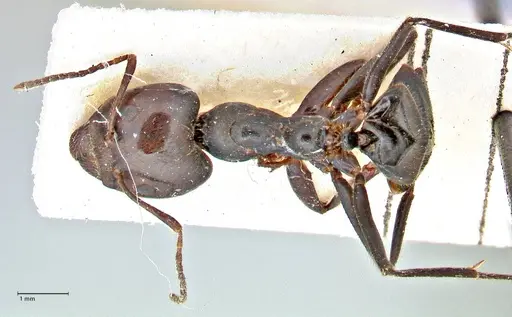
Literature
Loading...Loading products...