

Anonychomyrma biconvexa
- Scientific Name
- Anonychomyrma biconvexa
- Tribe
- Leptomyrmecini
- Subfamily
- Dolichoderinae
- Author
- Santschi, 1928
- Distribution
- Found in 1 countries
Anonychomyrma biconvexa Overview
Anonychomyrma biconvexa is an ant species of the genus Anonychomyrma. It is primarily documented in 1 countries , including Australia. Detailed taxonomic data and occurrence records can be further explored via authoritative databases such as AntWeb or the Global Biodiversity Information Facility (GBIF).
Anonychomyrma biconvexa
Anonychomyrma biconvexa is an Australian ant native to the wet sclerophyll forests (tough-leaved eucalypt woodlands) of Victoria and Tasmania [1][2]. They belong to the Dominant Dolichoderinae functional group, which means they are aggressive, fast-moving ants that compete strongly with other species for resources [3]. These ants split their time between the trees and the forest floor, one study caught 132 individuals in tree traps and 91 on the ground, showing they forage widely but prefer the canopy [3]. Unlike some forest ants that need complex multi-layered vegetation, they prefer simpler habitats with just one vegetation layer [4].
Quick Summary
- Difficulty: Medium
- Origin & Habitat: Southeastern Australia (Victoria and Tasmania), wet sclerophyll forests and eucalypt woodlands [1][2][3]
- Colony Type: Likely single-queen (monogyne) based on typical Dolichoderinae patterns, though wild colony structure is unconfirmed
- Colony: Monogyne
- Founding: Claustral
- Size & Growth:
- Queen: Unknown, likely 6-8mm based on genus patterns [5]
- Worker: Unknown, likely 3-5mm based on genus patterns [5]
- Colony: Unknown, Dominant Dolichoderinae often reach several thousand workers, but specific data for this species is unavailable
- Growth: Likely fast, Dominant Dolichoderinae typically grow quickly [3]
- Development: Unknown, likely 6-10 weeks at 25°C based on related Dolichoderinae development patterns (This is an estimate only, actual development time has not been studied)
- Antkeeping:
- Temperature: 20-25°C is a safe starting range. Their presence in Tasmania suggests they tolerate cooler conditions than tropical species, but specific limits are unconfirmed [1]. Start at room temperature (20-22°C) and provide a gentle heat gradient if they show low activity.
- Humidity: Moderate to high humidity. Their occurrence in wetter forests suggests they need consistent moisture, keep the nest material damp but not waterlogged [2].
- Diapause: Likely yes, they experience seasonal changes in their temperate Australian range, but specific hibernation requirements are unconfirmed. If the colony slows down in winter, provide cooling to 10-15°C.
- Nesting: Arboreal (tree-dwelling) setup required. They need vertical space with branches, cork bark, or hollow wood pieces. Simple setups with one main nesting surface work better than complex multi-chambered nests [4].
- Behavior: Aggressive and dominant toward other ants [3]. Fast-moving and active foragers. They have no stinger (typical for Dolichoderinae) but may bite and spray defensive chemicals. Their small size and climbing ability make escape prevention critical.
- Common Issues: arboreal species often struggle in traditional flat formicariums, they need vertical climbing surfaces and may stress without them, dominant behavior means they need space, overcrowding leads to aggression and escape attempts, tiny size allows escape through the smallest gaps, use fine mesh and tight-fitting lids, limited research means care requirements are experimental, watch your colony closely and adjust based on their response
Natural History and Distribution
Anonychomyrma biconvexa lives in the wet sclerophyll forests of southeastern Australia, specifically recorded in Victoria (including Ringwood and East Gippsland) and Tasmania [1][5]. Sclerophyll forests are characterized by tough-leaved trees like eucalypts with an understory of hard-leaved shrubs and grasses. These ants show a strong preference for wetter forest areas rather than dry woodlands [2]. In their native habitat, they are considered a dominant species, meaning they occur in high numbers and aggressively defend territories against competing ants [3]. They are primarily arboreal, with more individuals caught in tree traps than on the ground, though they do forage at ground level [3]. Interestingly, they prefer habitats with simple structure, areas with just one vegetation layer rather than complex multi-layered forests [4].
Nesting and Housing in Captivity
Because Anonychomyrma biconvexa is arboreal, you need to provide vertical space. A tall outworld with branches, cork bark flats, or hollow wood pieces works better than a traditional horizontal formicarium [3]. They prefer simple habitats in nature, so avoid overly complex nest designs with many small chambers [4]. A Y-tong (AAC) nest with a vertical orientation, or a naturalistic setup with hollow stems and wood cavities, should work well. Keep the nest material slightly damp to mimic their wet forest habitat [2]. Since they climb and move fast, ensure your outworld has a secure lid and excellent escape prevention, Fluon or baby powder barriers are essential on all vertical surfaces.
Feeding and Diet
As a Dominant Dolichoderinae species, they are likely generalist foragers that collect honeydew from sap-sucking insects and hunt small prey [3]. In captivity, offer sugar water or honey water constantly, and provide protein twice weekly in the form of small insects like fruit flies, springtails, or pieces of mealworm. One reference mentions seed harvesting in eucalypt forests, though it is unclear if this species specifically collects seeds [5]. If you observe them ignoring seeds, remove them and focus on sugars and insects.
Temperature and Seasonal Care
These ants come from temperate southeastern Australia where winters are cool and summers mild. Their presence in Tasmania suggests they tolerate cooler temperatures than tropical ants [1]. Keep them at room temperature (20-22°C) initially. If they appear sluggish, add a gentle heat gradient with a heating cable on one side of the nest, keeping it around 25°C on the warm side. They likely need a winter rest period (diapause) when temperatures drop naturally in their range, though this is unconfirmed. If your colony stops laying eggs and slows down in autumn, move them to a cooler area (10-15°C) for 2-3 months to simulate winter.
Behavior and Temperament
Expect active, aggressive ants. As part of the Dominant Dolichoderinae functional group, they compete strongly with other ant species and likely show bold foraging behavior [3]. They move quickly and will explore every corner of their enclosure. They lack stingers but can bite and spray formic acid for defense. Their small size means they can squeeze through tiny gaps, so check your ventilation mesh and lid seals carefully. They are not recommended for handling due to their speed and small size.
Frequently Asked Questions
Can I keep Anonychomyrma biconvexa in a test tube?
Yes, for founding you can start a queen in a test tube setup. However, once workers arrive, you should move them to an arboreal (vertical) setup as soon as possible. These ants prefer climbing and nesting in elevated cavities rather than underground chambers [3].
How long until Anonychomyrma biconvexa gets their first workers?
The exact timeline is unknown as development has not been studied. Based on related Dolichoderinae ants, expect roughly 6-10 weeks at 25°C. First workers (nanitics) may arrive faster but will be smaller than subsequent workers.
Can I keep multiple Anonychomyrma biconvexa queens together?
Not recommended. They are likely monogyne (single-queen) based on typical Dolichoderinae patterns. Combining multiple queens usually leads to fighting and death. Even if they are found together in the wild (pleometrosis), this has not been documented for this species.
Are Anonychomyrma biconvexa good for beginners?
They are medium difficulty. While they are hardy and active, their arboreal needs require a specialized vertical setup, and their small size makes escape prevention challenging. Beginners might prefer ground-nesting species with more documented care requirements.
Do Anonychomyrma biconvexa need hibernation?
Likely yes, but unconfirmed. They come from temperate Australia with distinct winters. If your colony slows down or stops laying eggs in cooler months, provide a diapause period at 10-15°C for 2-3 months. If they remain active year-round at constant room temperature, hibernation may not be strictly necessary.
What is the best nest type for Anonychomyrma biconvexa?
A vertical or arboreal setup works best. Use a tall outworld with cork bark, hollow wood, or a Y-tong (AAC) nest mounted vertically. They prefer simple structures with one main nesting area rather than complex multi-chambered designs [4].
How big do Anonychomyrma biconvexa colonies get?
The maximum colony size is unknown. As a Dominant Dolichoderinae species, they likely reach at least several hundred to a thousand workers, but specific limits have not been studied [3].
References

This caresheet is licensed under CC BY-SA 4.0 .
ANTWEB1008194
View on AntWeb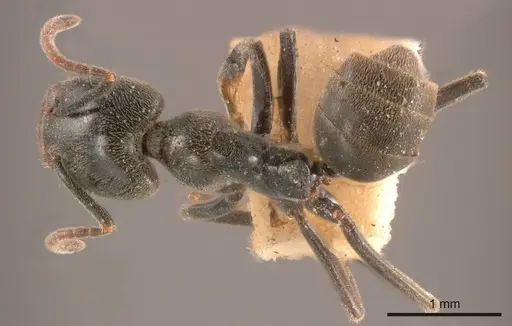
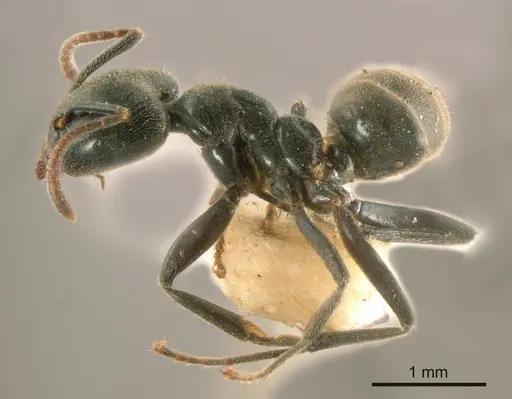
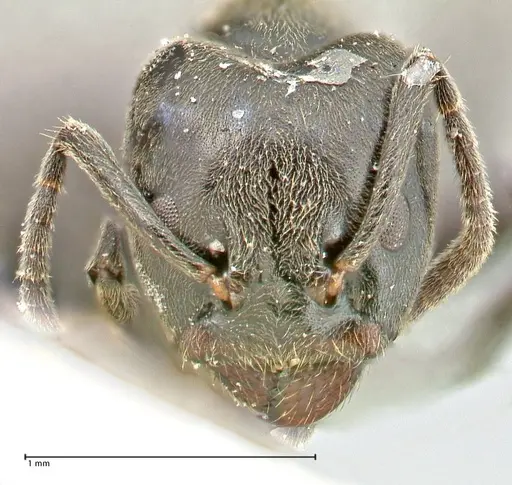
CASENT0249516
View on AntWeb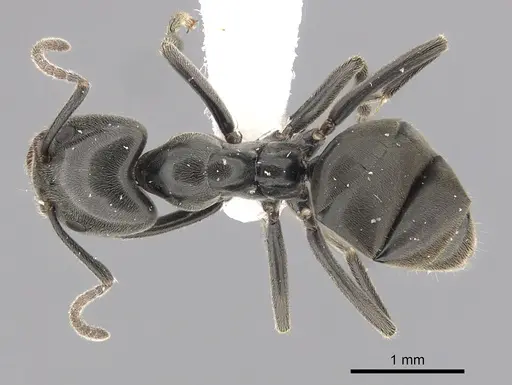
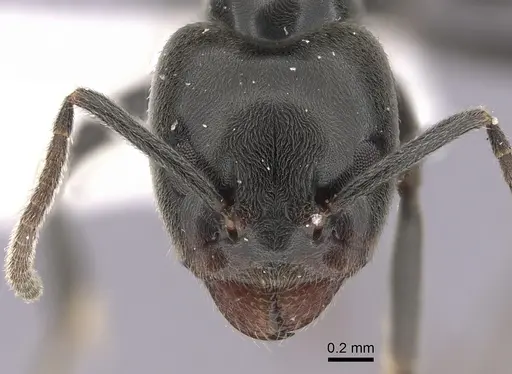
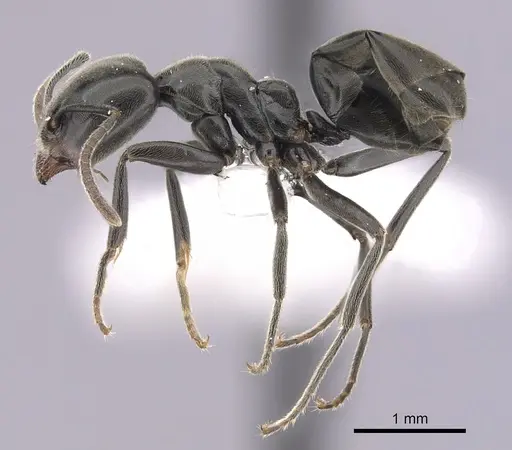
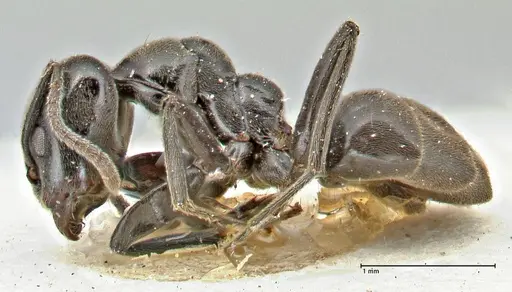
CASENT0911458
View on AntWeb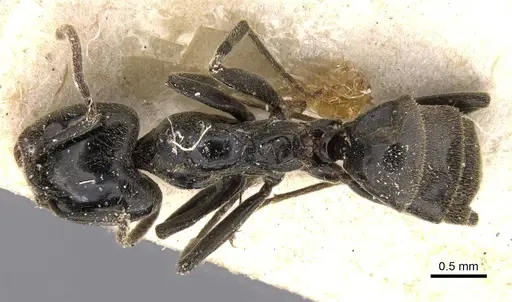
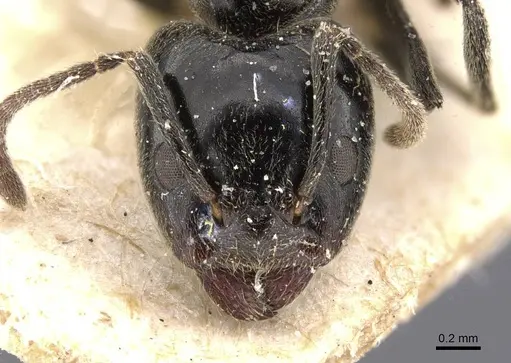
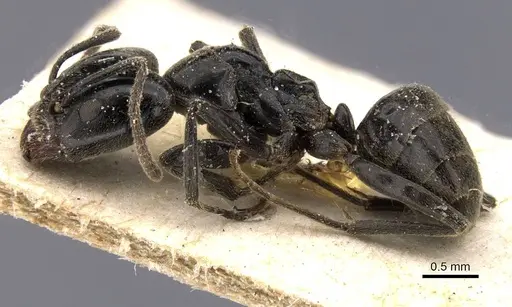
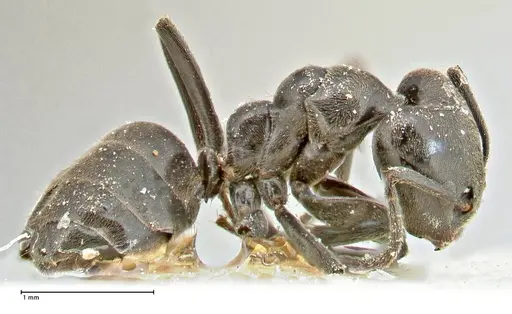
FOCOL2807
View on AntWeb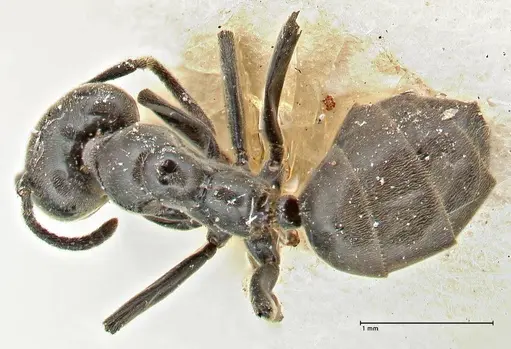
Literature
Loading...Loading products...