

Anochetus yerburyi
- Scientific Name
- Anochetus yerburyi
- Tribe
- Ponerini
- Subfamily
- Ponerinae
- Author
- Forel, 1900
- Distribution
- Found in 1 countries
Anochetus yerburyi Overview
Anochetus yerburyi is an ant species of the genus Anochetus. It is primarily documented in 1 countries , including India. Detailed taxonomic data and occurrence records can be further explored via authoritative databases such as AntWeb or the Global Biodiversity Information Facility (GBIF).
Anochetus yerburyi
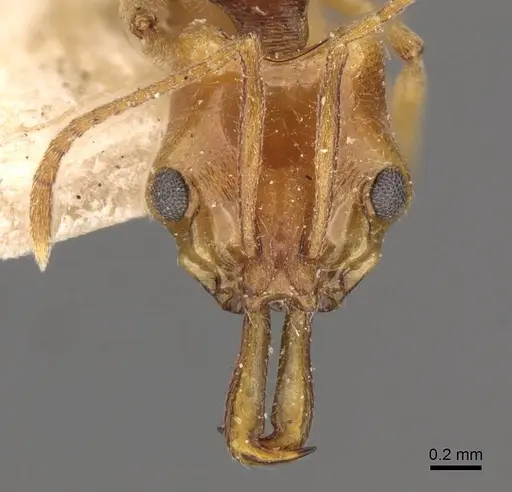
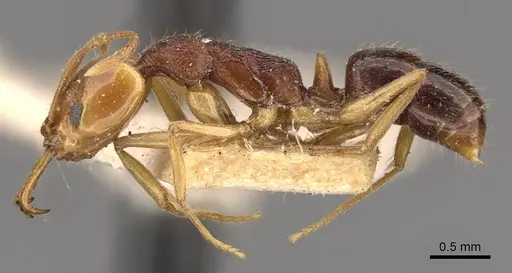
Anochetus yerburyi is a small trap-jaw ant native to India and Sri Lanka. Workers measure 4-4.5 mm and display a distinctive color pattern: the head, petiole, and legs are honey yellow, while the thorax and abdomen are light reddish-brown [1][2]. They belong to the graeffei species group, a collection of similar-looking trap-jaw ants found across the Oriental region [2][3][4]. Like all members of their genus, they possess spring-loaded mandibles that snap shut at incredible speeds to capture prey. These ants inhabit tropical forests across the Indomalaya region, having been recorded from Indian states including Karnataka, Goa, Rajasthan, and Bihar, as well as throughout Sri Lanka [5][1].
Quick Summary
- Difficulty: Medium to Hard
- Origin & Habitat: India and Sri Lanka, tropical forests and shaded habitats [5][1]
- Colony Type: Likely single-queen (monogyne) based on typical Anochetus patterns, though unconfirmed
- Size & Growth:
- Queen: Unknown, estimated 6-7 mm based on typical Anochetus patterns
- Worker: 4-4.5 mm [1]
- Colony: Unknown, likely small (under 200 workers) based on Anochetus genus patterns
- Growth: Unknown, estimated Moderate
- Development: Unknown, estimated 8-12 weeks at 25-28°C (Timeline inferred from related tropical Anochetus species, temperature dependent)
- Antkeeping:
- Temperature: Keep warm and stable, approximately 25-28°C (estimated based on tropical Indian and Sri Lankan distribution [5][1])
- Humidity: Moderate to high, keep nest material damp but not waterlogged (estimated)
- Diapause: No, tropical species remain active year-round and do not hibernate [1]
- Nesting: Small cavities in soil or rotting wood in nature, use test tubes or mini formicaria with tight chambers in captivity (estimated)
- Behavior: Trap-jaw ants are shy predators that hunt small prey using spring-loaded mandibles. Workers are small at 4-4.5 mm, so escape prevention must be excellent [1]
- Common Issues: workers are only 4-4.5 mm and will escape through the tiniest gaps in test tube cotton or lids., prey items must be small enough to be handled by tiny workers, large prey will be ignored., tropical species suffer quickly if temperatures drop below 20°C for extended periods., founding queens may require food during the founding stage if semi-claustral, but founding behavior is unconfirmed.
Nest Preferences
In nature, Anochetus yerburyi likely nests in soil or rotting wood in the tropical forests of India and Sri Lanka [1]. While specific nest descriptions are unconfirmed, related Anochetus species typically occupy small cavities under stones or inside decaying wood. In captivity, you should provide small, tight-fitting spaces that make the ants feel secure. A test tube setup with a small water reservoir works well for founding colonies, while a mini formicarium or Y-tong nest with narrow chambers suits growing colonies. Keep the nest area dimly lit, as these ants prefer darkness and will stress under bright lights.
Feeding and Diet
As trap-jaw ants, Anochetus yerburyi are specialized predators that hunt small live prey. They use their spring-loaded mandibles to strike prey at high speeds. You should offer tiny insects such as springtails, fruit flies (Drosophila), or newly hatched pinhead crickets. Prey must be small enough for 4-4.5 mm workers to handle [1]. They may accept sugar water or honey for energy, but protein from live prey is essential for colony growth. Feed small amounts frequently rather than large meals infrequently, and remove uneaten prey to prevent mold.
Temperature and Care
Native to tropical India and Sri Lanka, these ants need warm conditions to thrive. You should keep them at approximately 25-28°C with a gentle heat gradient [5][1]. Avoid letting temperatures drop below 20°C for extended periods. They do not require hibernation (diapause) and remain active year-round. Maintain moderate to high humidity by keeping the nest material damp but not soaked. Provide adequate ventilation to prevent mold while retaining moisture. A heating cable placed on one side of the nest (not underneath) helps create a temperature gradient.
Behavior and Temperament
Anochetus yerburyi possesses the classic trap-jaw mechanism: mandibles that open 180 degrees and snap shut at high speed when trigger hairs touch prey. They are generally shy and reclusive, preferring to stay hidden in their nest. Workers are small at 4-4.5 mm [1], so you must use excellent escape prevention like Fluon or baby powder barriers on all outworld surfaces. They are not aggressive toward humans but can sting if threatened, though their small size means they cannot penetrate human skin effectively.
Colony Founding
Founding behavior is unconfirmed for Anochetus yerburyi. Most Anochetus queens are semi-claustral, meaning the queen leaves the nest to forage during the founding stage rather than sealing herself in. However, without direct observation of this species, you should prepare for either scenario. If the queen is semi-claustral, she will need access to a small outworld with prey items from the start. If she is claustral, she will seal herself in and live off stored fat reserves until the first workers hatch.
Frequently Asked Questions
Can I keep Anochetus yerburyi in a test tube?
Yes, test tubes work well for founding and small colonies. Use a small test tube (10-12mm diameter) with a water reservoir blocked by cotton. Ensure the cotton is packed tightly as workers are only 4-4.5 mm and can squeeze through gaps [1].
How long until first workers for Anochetus yerburyi?
The egg-to-worker timeline is unconfirmed. Based on related tropical Anochetus species, expect approximately 8-12 weeks at 25-28°C, though this varies with temperature and individual colony conditions.
Can I keep multiple Anochetus yerburyi queens together?
Not recommended. Anochetus yerburyi likely forms single-queen colonies based on typical Anochetus patterns, but this is unconfirmed. Combining multiple queens risks fighting and death.
What do Anochetus yerburyi eat?
They are predatory trap-jaw ants requiring small live prey. Feed springtails, fruit flies, or tiny crickets. They may accept sugar water or honey for energy, but protein from live prey is essential for raising brood.
What temperature do Anochetus yerburyi need?
Keep them warm at 25-28°C with a gentle heat gradient. Being from tropical India and Sri Lanka, they cannot tolerate cold and will suffer if kept below 20°C for extended periods [5][1].
Do Anochetus yerburyi need hibernation?
No. As a tropical species from India and Sri Lanka, they remain active year-round and do not require diapause (winter rest) [1].
Are Anochetus yerburyi good for beginners?
No. Their small size, specific dietary needs for live prey, and unconfirmed founding behavior make them challenging. They are better suited to keepers with experience in small predatory ants.
Why are my Anochetus yerburyi dying?
Common causes include temperatures too low (they need 25°C+), inability to capture prey (prey too large), dehydration, or escapes due to inadequate barriers on outworlds.
How big do Anochetus yerburyi colonies get?
Colony size is unconfirmed. Based on related Anochetus species, they likely remain small, reaching perhaps 50-200 workers at maturity.
References

This caresheet is licensed under CC BY-SA 4.0 .
CASENT0281884
View on AntWeb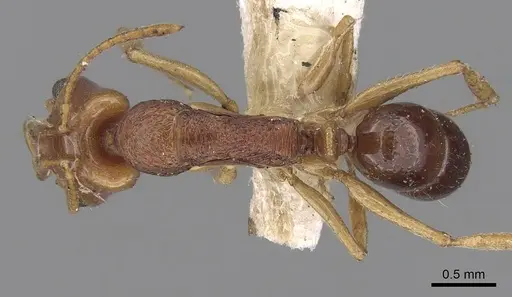
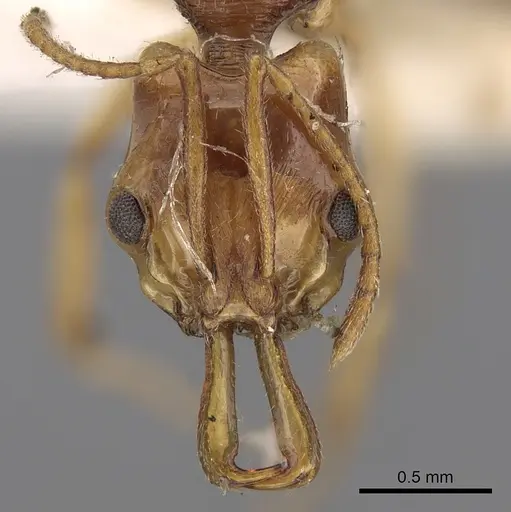
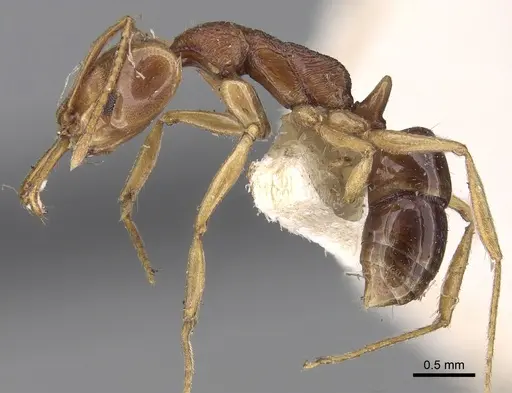
CASENT0907416
View on AntWeb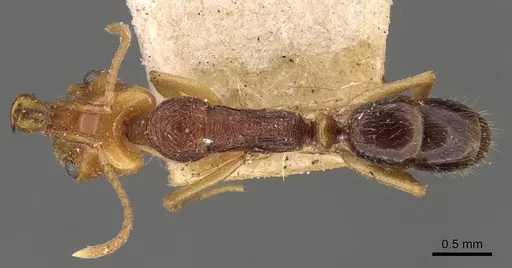
Literature
Loading...Loading products...