

Anochetus vallensis
- Scientific Name
- Anochetus vallensis
- Tribe
- Ponerini
- Subfamily
- Ponerinae
- Author
- Lattke, 1987
- Distribution
- Found in 1 countries
Anochetus vallensis Overview
Anochetus vallensis is an ant species of the genus Anochetus. It is primarily documented in 1 countries , including Colombia. Detailed taxonomic data and occurrence records can be further explored via authoritative databases such as AntWeb or the Global Biodiversity Information Facility (GBIF).
Anochetus vallensis
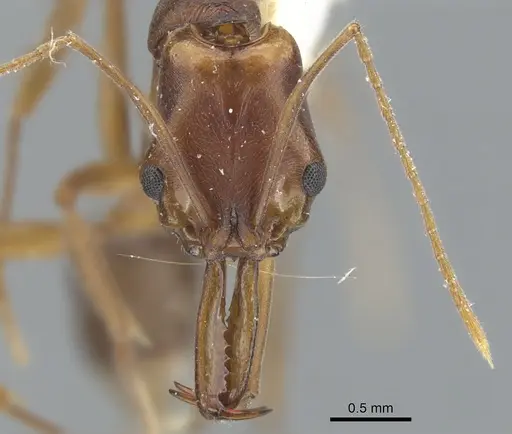
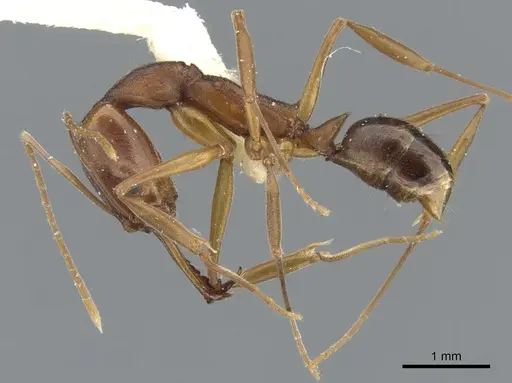
Anochetus vallensis is a trap-jaw ant found only in the mountains of Colombia. Workers have large heads with mandibles that combine to exceed 2.2 mm in length, featuring six teeth on the preapical border and four apical teeth of approximately equal size [1]. The species lives in the Valle del Cauca region at approximately 1500 meters elevation [2]. Unlike many ants that produce winged queens, this species has ergatoid (wingless) queens that look like large workers [2].
These ants belong to the trap-jaw group within the genus Anochetus, using their spring-loaded mandibles to strike prey with incredible speed. They represent a montane population adapted to cooler, stable conditions in the Colombian Andes.
Quick Summary
- Difficulty: Expert
- Origin & Habitat: Endemic to Colombia, specifically the Valle del Cauca department, collected at 1500 meters elevation in montane forest [1][2][3].
- Colony Type: Likely single-queen colonies with ergatoid (wingless) replacement reproductives documented [2].
- Colony: Monogyne
- Size & Growth:
- Queen: Ergatoid (wingless), size unknown but likely 5-6 mm [2].
- Worker: Head plus mandible length exceeds 2.2 mm [1], total body length likely 4-5 mm (estimated).
- Colony: Unknown, likely under 100 workers based on typical Anochetus patterns (estimated).
- Growth: Unknown, likely slow.
- Development: Unknown, likely 8-12 weeks based on related Anochetus species at moderate temperatures. (Timeline is estimated from genus patterns, no direct studies exist for this species.)
- Antkeeping:
- Temperature: Moderate, approximately 20-24°C based on 1500m montane origin. Avoid temperatures above 26°C.
- Humidity: Moderate to high, keep nest substrate damp but not waterlogged, similar to cloud forest floor conditions.
- Diapause: Unknown, likely not required given tropical latitude, though cooler winter rest may be beneficial.
- Nesting: Small cavities in rotting wood or artificial nests with tight chambers, ensure adequate space for mandible movement.
- Behavior: Predatory trap-jaw hunter using lightning-fast mandible strikes to capture prey, likely nocturnal, moderate escape risk due to climbing ability despite small size.
- Common Issues: extremely rare in captivity with no established care protocols or breeding records., montane temperature requirements differ from lowland tropical species, heat stress occurs above 26°C., trap-jaw mechanism requires open space to function, cramped test tubes prevent normal hunting behavior., small colony size means slow recovery from disturbances or feeding mistakes., specific prey size requirements, prey must be small enough to handle but large enough to trigger the trap-jaw response.
Trap-Jaw Mechanics and Feeding
Anochetus vallensis has the characteristic trap-jaw mandibles of its genus. The mandibles are long, with six teeth on the preapical border and four apical teeth of approximately equal size [1]. These ants strike prey by opening their mandibles to 180 degrees and snapping them shut with incredible speed.
In captivity, you must provide live prey small enough for them to handle but large enough to trigger their strike mechanism. Springtails, small flies, and termites work well. You can also offer sugar water or honey, but protein from live prey is essential for brood development. Ensure the hunting area has enough open space for the ants to position their mandibles properly, cramped conditions prevent normal feeding behavior.
Montane Habitat and Temperature
This species comes from 1500 meters elevation in the Colombian Andes [2]. At this elevation, temperatures are cooler and more stable than in lowland tropics, typically ranging between 15-22°C naturally. You should keep them at moderate temperatures around 20-24°C. Avoid letting them get too hot, temperatures above 26°C may stress or kill them.
The humidity should remain moderate to high, similar to cloud forest conditions. Provide a moisture gradient in the nest so workers can choose their preferred humidity level. The substrate should feel damp to the touch but not wet enough to form puddles.
Colony Founding
Founding behavior is unconfirmed for this species. Based on patterns seen in other Anochetus species, queens likely forage during the founding stage, meaning the queen will need access to food while raising her first workers. However, this is not confirmed and could vary.
If attempting to found a colony, house the queen in a small container with a secure hiding place. Offer tiny live prey such as springtails every few days. Do not disturb the queen frequently, as stress often causes predatory queens to eat their own eggs.
Ergatoid Queens and Colony Structure
Anochetus vallensis produces ergatoid queens, wingless reproductive forms that look more like large workers than typical winged queens [2]. This suggests colonies may have replacement reproductives if the original queen dies, though colonies likely function with only one egg-layer at a time.
You should not attempt to house multiple queens together unless specifically observed doing so in the wild. This species is likely monogyne (single queen), and combining unrelated queens will likely result in fighting and death.
Frequently Asked Questions
Can I keep Anochetus vallensis in a test tube?
Yes for founding, but ensure the tube is not too small. These ants need room to open their trap-jaw mandibles fully. A standard test tube may be too narrow, consider a small container with more width.
How long until first workers for Anochetus vallensis?
Unknown. Based on related Anochetus species, expect roughly 8-12 weeks if kept at 22-24°C, but this is unconfirmed and may vary significantly.
Can I keep multiple Anochetus vallensis queens together?
No. This species likely forms single-queen colonies. Combining multiple queens has not been documented and will likely result in fighting.
What do Anochetus vallensis eat?
They are predatory trap-jaw ants. Feed live small insects like springtails, fruit flies, or termites. They may accept sugar water but require protein from live prey for proper colony development.
Are Anochetus vallensis good for beginners?
No. They are rare in the hobby, require specific montane temperature conditions, and have specialized trap-jaw care needs. Only experienced keepers should attempt this species.
Do Anochetus vallensis need hibernation?
Likely not. They come from tropical Colombia. However, because they live at 1500m elevation, they may appreciate a cooler period around 18-20°C during winter months, though this is optional.
What temperature for Anochetus vallensis?
Keep them at 20-24°C based on their montane origin. Avoid heat above 26°C. Room temperature may work if your home stays in the low to mid-20s°C.
References

This caresheet is licensed under CC BY-SA 4.0 .
CASENT0902435
View on AntWeb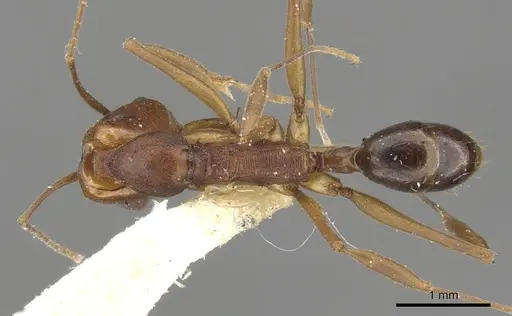
Literature
Loading...Loading products...