

Anochetus targionii
- Scientific Name
- Anochetus targionii
- Tribe
- Ponerini
- Subfamily
- Ponerinae
- Author
- Emery, 1894
- Distribution
- Found in 4 countries
Anochetus targionii Overview
Anochetus targionii is an ant species of the genus Anochetus. It is primarily documented in 4 countries , including Brazil, Ecuador, French Guiana. Detailed taxonomic data and occurrence records can be further explored via authoritative databases such as AntWeb or the Global Biodiversity Information Facility (GBIF).
Anochetus targionii
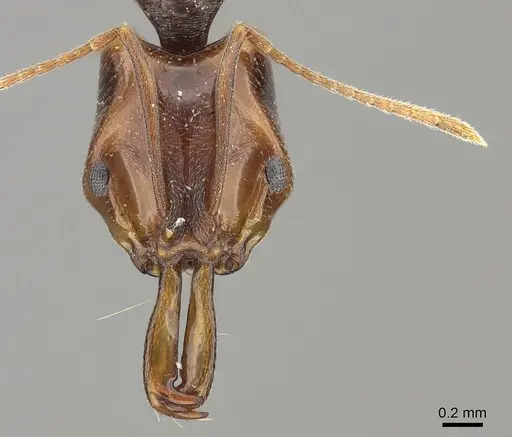
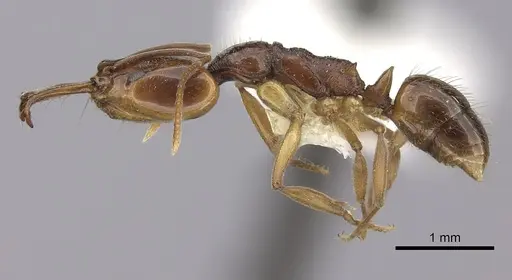
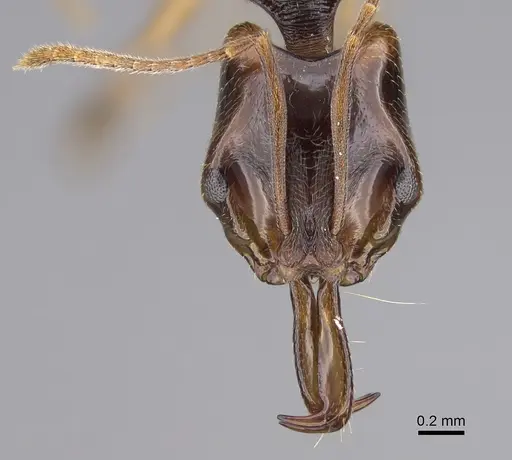
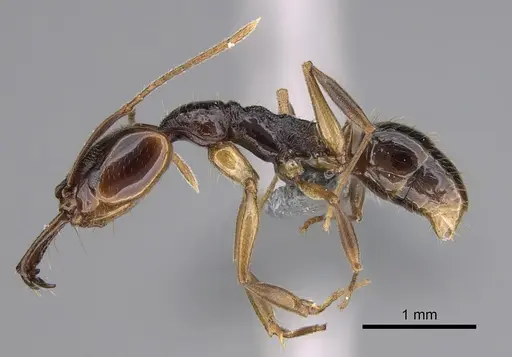
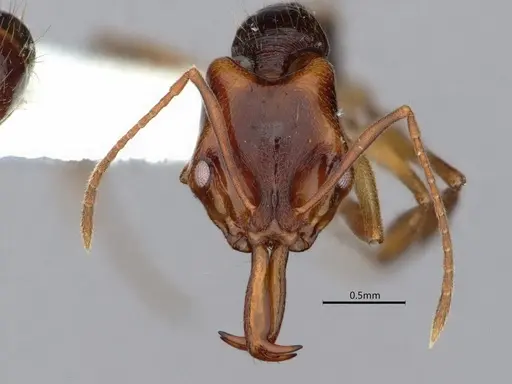
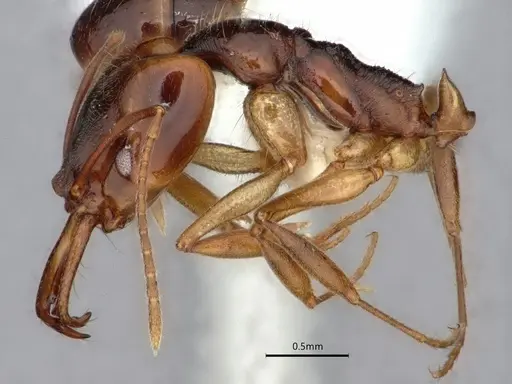
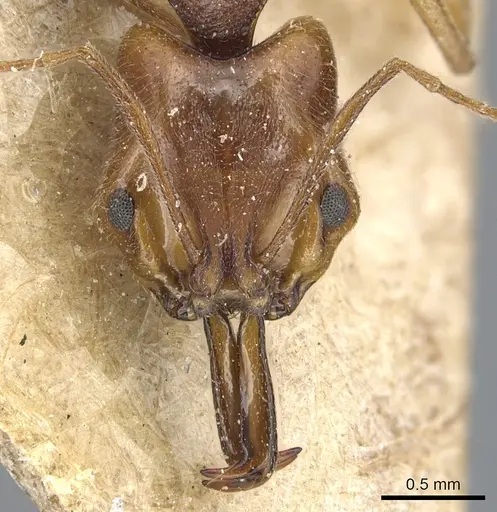
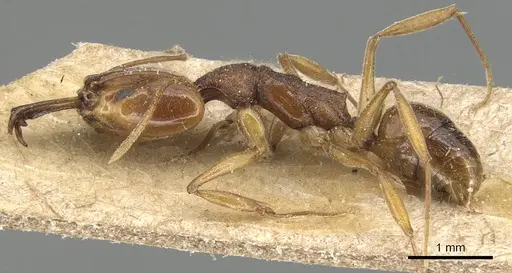
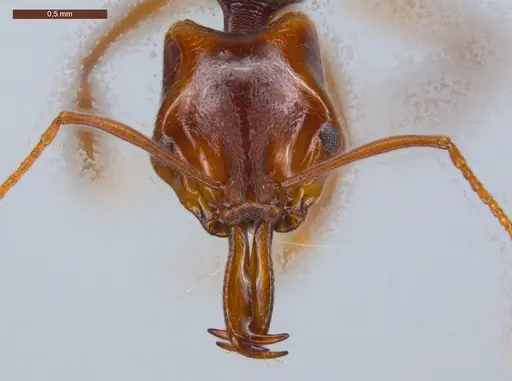
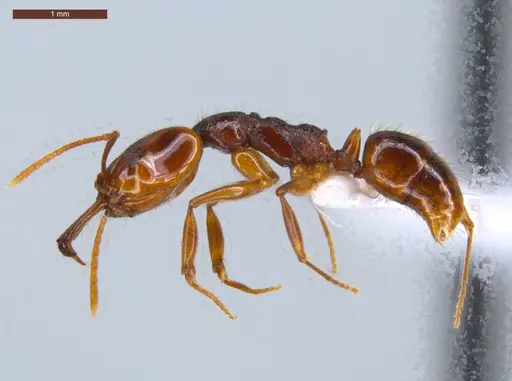
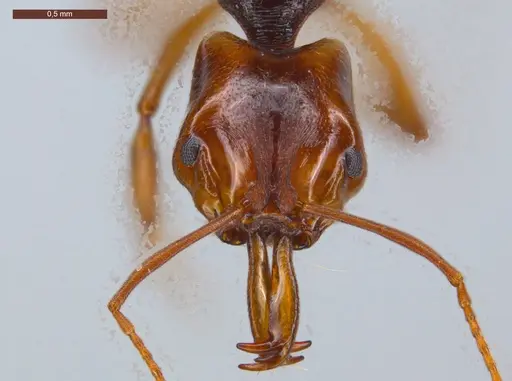
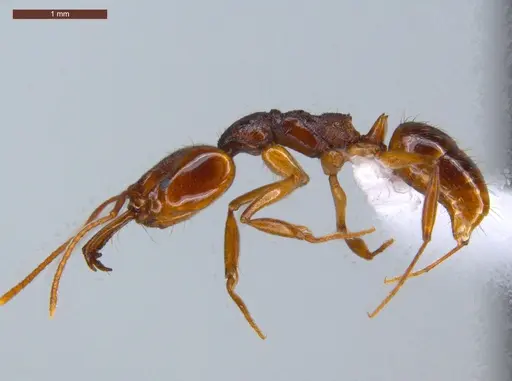
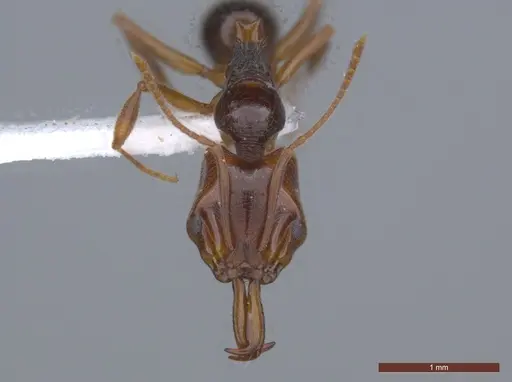
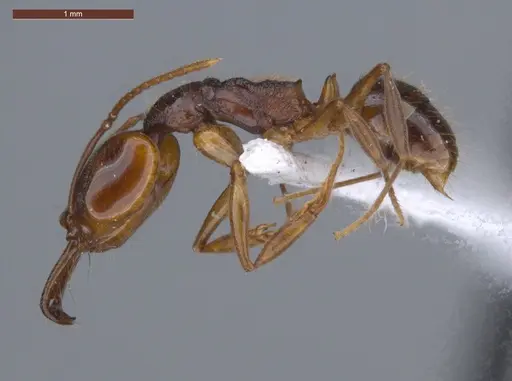
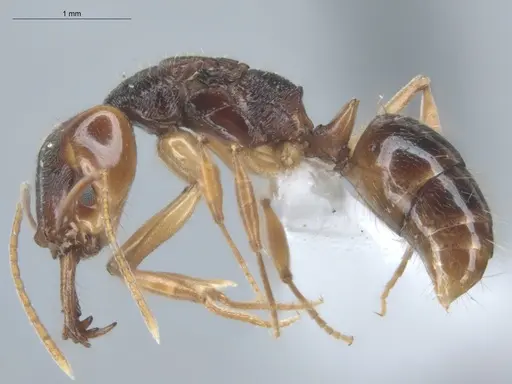
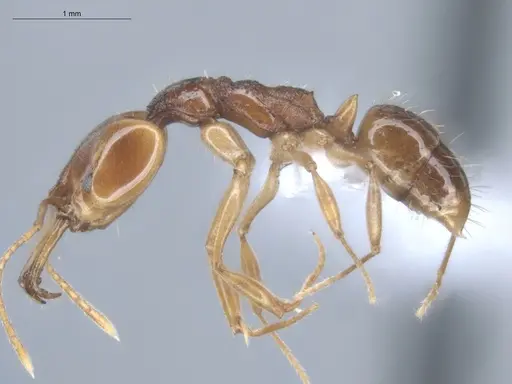
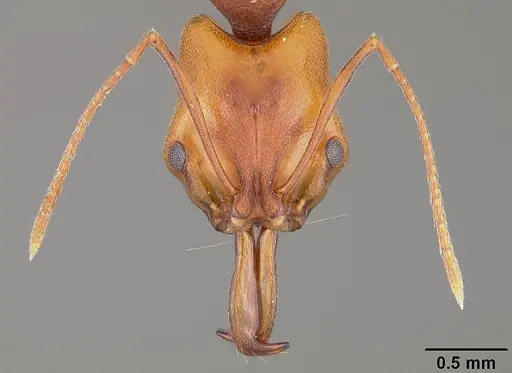
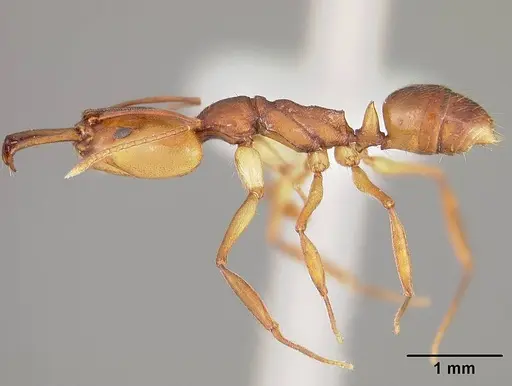
Anochetus targionii are tiny trap-jaw ants that live in the leaf litter of South American rainforests. Workers have head widths under 1.2 mm and combined head-thorax measurements between 1.75 and 2.2 mm, making them among the smallest ants you can keep [1][2]. They range across Bolivia, Brazil, Colombia, Ecuador, French Guiana, Peru, and Trinidad and Tobago, where they hunt among fallen leaves on the forest floor [3][4][5]. These ants pack one of the fastest mechanical strikes in the animal kingdom. Their trap-jaw mandibles snap shut at rotational speeds reaching roughly 37,000 radians per second, letting them stun prey instantly [3]. In the wild, researchers have collected them using carbohydrate baits, suggesting they also feed on sugary sources when available [6].
Quick Summary
- Difficulty: Expert
- Origin & Habitat: Neotropical leaf litter forests across Bolivia, Brazil, Colombia, Ecuador, French Guiana, Peru, and Trinidad and Tobago [3][4][5].
- Colony Type: Single-queen colonies suspected based on genus patterns, but unconfirmed for this species.
- Size & Growth:
- Queen: Unknown (estimated 3-4 mm based on typical Anochetus).
- Worker: Head width under 1.2 mm, head-thorax length 1.75-2.2 mm [1][2].
- Colony: Likely under 100 workers (estimated from genus patterns).
- Growth: Slow
- Development: Unknown, estimated 8-12 weeks at 25°C based on related small ponerines. (Development timing is unconfirmed for this species.)
- Antkeeping:
- Temperature: 24-28°C (tropical species).
- Humidity: High humidity 70-80%, keep nest material moist but not waterlogged.
- Diapause: No, tropical species does not hibernate.
- Nesting: Small chambers with leaf litter or soil, tight spaces preferred.
- Behavior: Predatory and secretive, uses lightning-fast trap-jaw mandibles to hunt small prey, non-aggressive toward humans due to tiny size, primarily nocturnal.
- Common Issues: tiny size means escapes are likely without fine mesh barriers and Fluon., require very small live prey such as springtails or fruit fly larvae., slow colony growth means beginners often overfeed or disturb the nest., sensitive to dry conditions, colonies fail if humidity drops too low.
The Trap-Jaw Hunting Mechanism
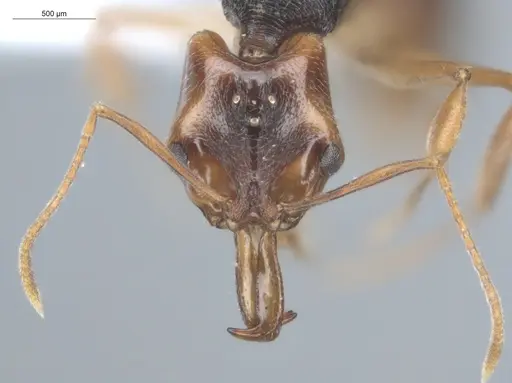
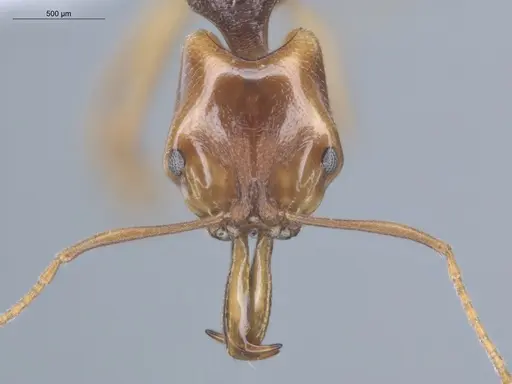
Anochetus targionii belongs to the trap-jaw ant lineage, and their mandibles are biological marvels. The mandibles strike with mean maximum rotational velocities around 37,000 radians per second and accelerations of 850 million radians per second squared [3]. This speed comes from a spring-loaded mechanism where the ant locks its mandibles open using a latch, then releases stored energy to snap them shut. They use this for both hunting and defense. When hunting, they approach small prey like springtails or mites, position their mandibles close to the target, then trigger the strike to stun or kill instantly. Some trap-jaw ants also use their mandibles to launch themselves away from predators by striking the ground, though this specific behavior is unconfirmed for A. targionii. In captivity, you will see workers holding their mandibles open at nearly 180 degrees when hunting, snapping shut the moment prey touches the trigger hairs.
Housing and Nest Setup
Because these ants are extremely small, standard test tubes may actually be too spacious for founding queens. Use small glass tubes or mini nest blocks with chamber heights under 5 mm. The nest material should hold moisture well, a mix of plaster and peat, or naturalistic setups with leaf litter and rotting wood work best [5]. They need excellent ventilation without drying out, so use small air holes covered with extremely fine mesh (under 0.5 mm) or cotton. Escape prevention is critical, these ants can squeeze through gaps that seem impossible. Apply Fluon or PTFE barrier to the upper walls of any outworld, and ensure lids fit tightly with no gaps. Keep the setup in a dim area as they prefer darkness.
Feeding and Diet
Anochetus targionii are specialized predators that hunt live prey. In captivity, feed them small springtails, fruit fly larvae, or very tiny pinhead crickets. The prey must be small enough that workers can grip it with their trap-jaws, if prey is too large, they cannot subdue it. Researchers collected these ants using carbohydrate baits in Brazilian hospitals, so they likely accept sugar water or honey water as well [6]. Offer a small drop of sugar water weekly and live prey twice weekly. Remove uneaten prey within 24 hours to prevent mold. Do not feed dead insects exclusively, the hunting behavior is tied to their trap-jaw mechanism, and they may not recognize dead food as edible.
Temperature and Climate
As a tropical leaf litter species, Anochetus targionii needs warm, stable conditions. Keep them between 24-28°C year-round. Use a heating cable or mat on one side of the nest to create a gentle gradient, but ensure the heating element sits on top rather than underneath to avoid creating condensation that floods the nest. Humidity should stay high, the nest material should feel damp to the touch but not waterlogged. Mist lightly when the surface begins drying, which might be every 3-4 days depending on ventilation. They do not require hibernation or diapause, cooling them below 20°C for extended periods will stress or kill the colony. [3]
Colony Founding and Growth
Founding behavior is unconfirmed for Anochetus targionii specifically. However, many Anochetus queens hunt for food during the founding stage (semi-claustral founding), meaning the queen leaves her chamber to forage before the first workers hatch. If your queen shows signs of wanting to explore rather than seal herself in, provide a small outworld with prey. Colonies likely remain small, possibly under 100 workers, growing slowly over several years. The first workers (nanitics) will be even smaller than subsequent generations. Do not disturb the nest during founding, these ants are sensitive to vibrations and light, and queens may eat their eggs if stressed.
Frequently Asked Questions
How long until first workers for Anochetus targionii?
The timeline is unknown for this species. Based on similar small trap-jaw ants, expect roughly 8-12 weeks at 25°C, but this is an estimate.
What do Anochetus targionii eat?
They hunt small live prey like springtails, fruit fly larvae, and tiny insects. They also accept sugar water and honey [6].
Can I keep Anochetus targionii in a test tube?
Yes, but use small tubes (10x75 mm) rather than large ones, as the queen needs tight spaces. Ensure the cotton plug is secure and apply Fluon to the glass to prevent escapes.
How big do Anochetus targionii colonies get?
Likely under 100 workers based on patterns seen in related Anochetus species. They are small-colony ants.
Do Anochetus targionii need hibernation?
No. They are tropical ants from the Amazon region and remain active year-round at warm temperatures.
Are Anochetus targionii good for beginners?
No. They are expert-level ants due to their tiny size requiring specialized escape prevention, specific small prey requirements, and slow growth rate.
Can I keep multiple Anochetus targionii queens together?
Not recommended. Combining unrelated queens of this species has not been documented, and most Anochetus are single-queen species.
Why are my Anochetus targionii dying?
Common causes include: too dry conditions (they need high humidity), prey that is too large to handle, or excessive disturbance during founding. Check that your mesh barriers are fine enough, escapes are often mistaken for deaths.
Do Anochetus targionii have trap-jaws?
Yes. They possess extremely fast trap-jaw mandibles that snap shut at speeds around 37,000 radians per second to capture prey [3].
References

This caresheet is licensed under CC BY-SA 4.0 .
CASENT0260509
View on AntWeb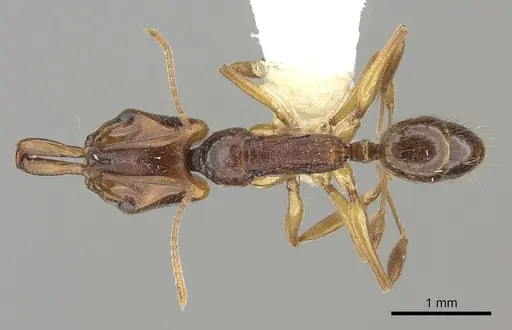
CASENT0372252
View on AntWeb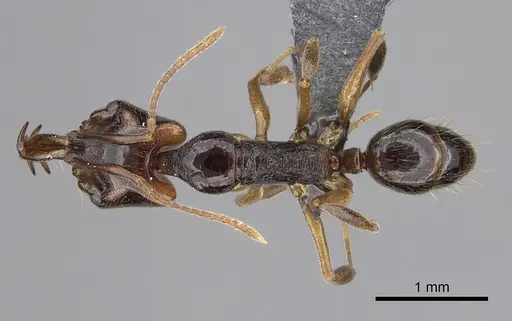
CASENT0882096
View on AntWeb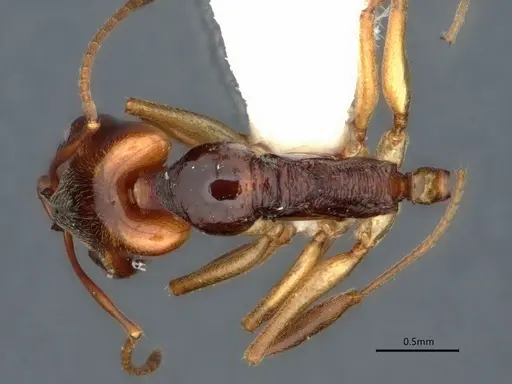
CASENT0903985
View on AntWeb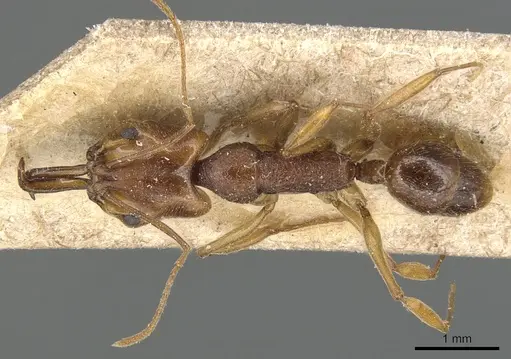
ECOFOG-CSG15-0131-08
View on AntWeb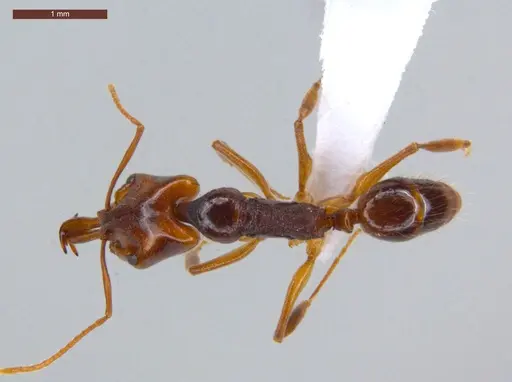
ECOFOG-CSG15-0139-12
View on AntWeb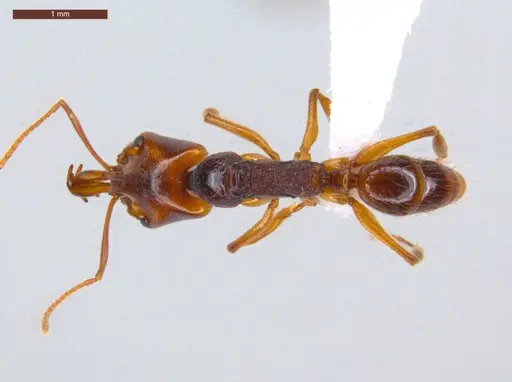
ECOFOG-KW14-0038-21
View on AntWeb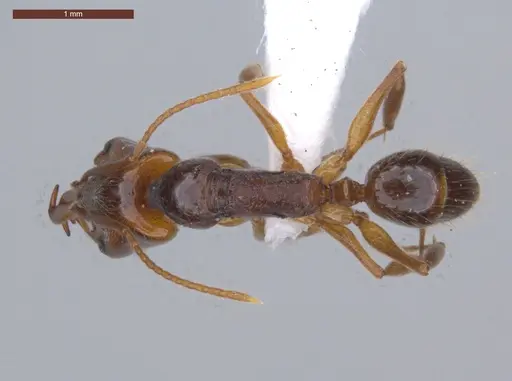
ECOFOG-MI15-0343-77-Q
View on AntWeb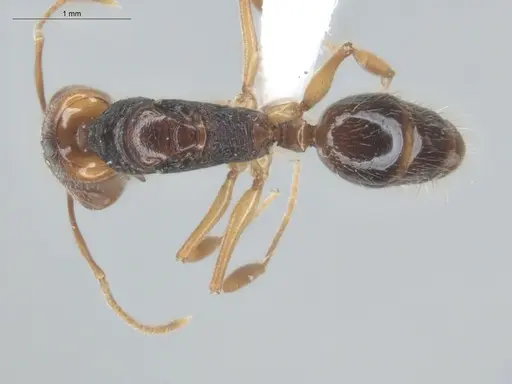
ECOFOG-MI15-0343-77
View on AntWeb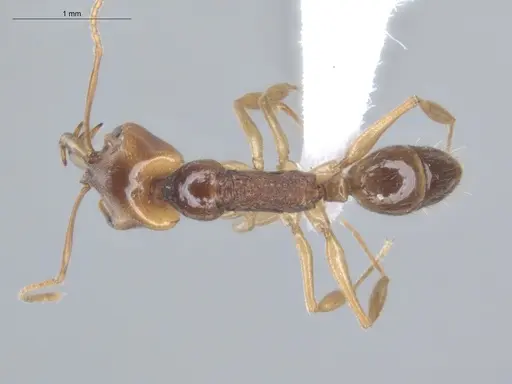
ECOFOG-SL13-1314-20
View on AntWeb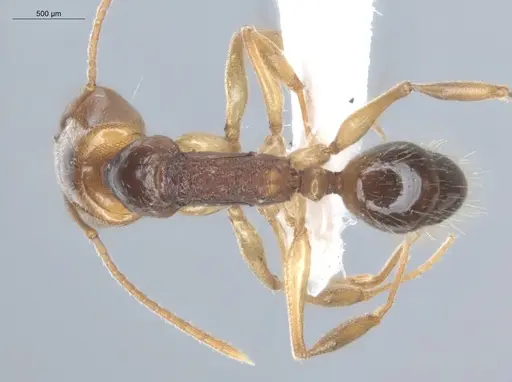
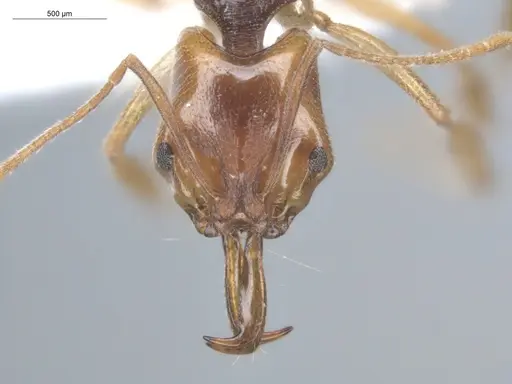
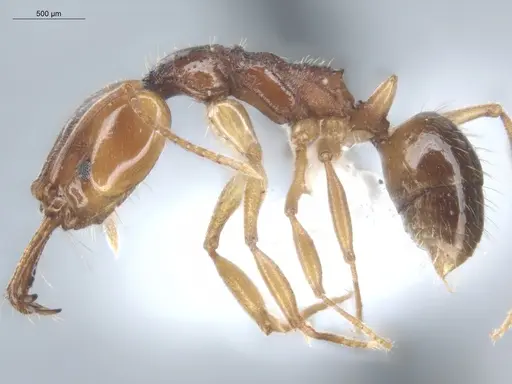
USNMENT00441939
View on AntWeb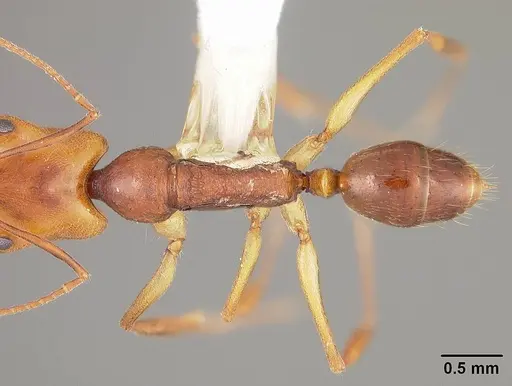
Literature
Loading...Loading products...