

Anochetus talpa
- Scientific Name
- Anochetus talpa
- Tribe
- Ponerini
- Subfamily
- Ponerinae
- Author
- Forel, 1901
- Distribution
- Found in 2 countries
Anochetus talpa Overview
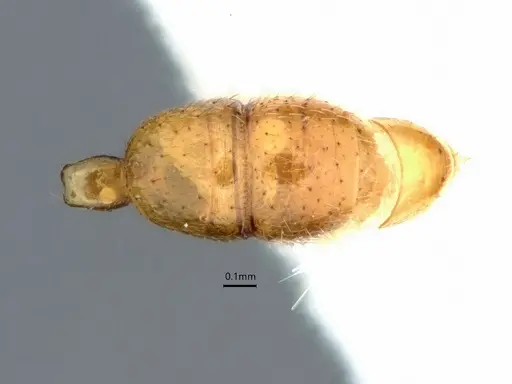
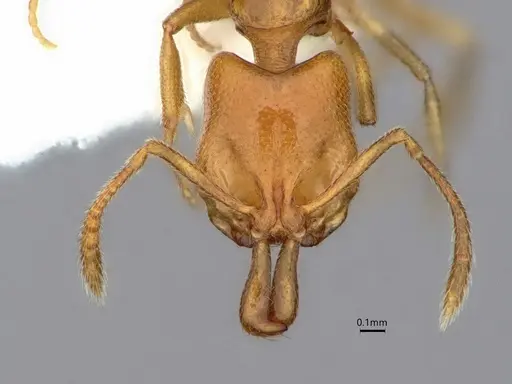
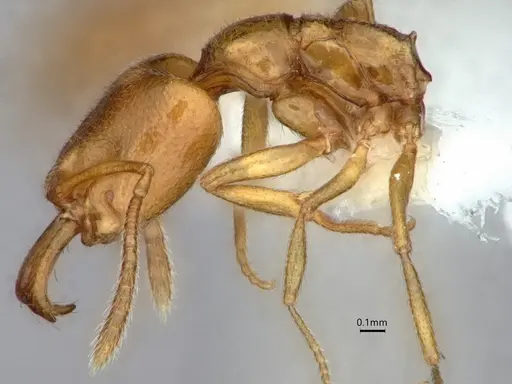
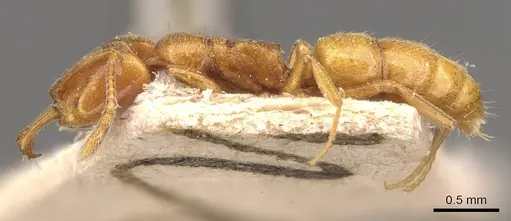
Anochetus talpa is an ant species of the genus Anochetus. It is primarily documented in 2 countries , including Malawi, Mozambique. Detailed taxonomic data and occurrence records can be further explored via authoritative databases such as AntWeb or the Global Biodiversity Information Facility (GBIF).
Anochetus talpa
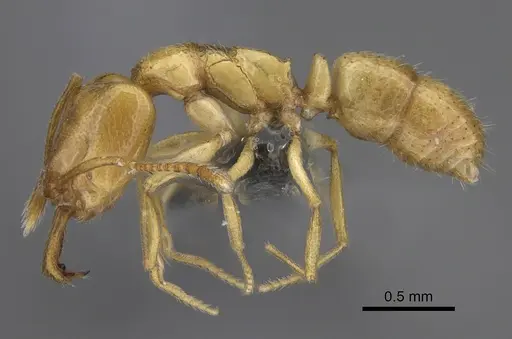
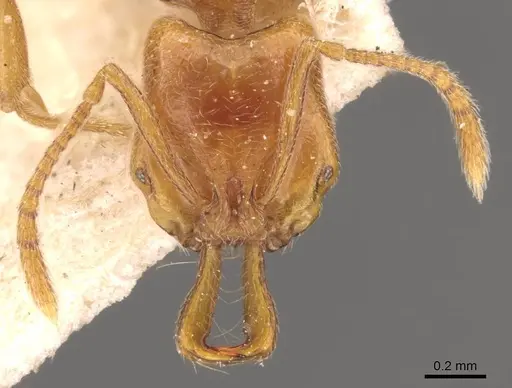
Anochetus talpa are small trap-jaw ants found in South Africa and Nigeria [1]. They show clear signs of living underground: they have smaller eyes and lighter coloration than their surface-dwelling relatives [2]. This cryptobiotic lifestyle means they naturally spend their entire lives in darkness beneath the soil or deep in leaf litter.
Because they live underground, you will rarely see them out in the open. They hunt using their spring-loaded trap-jaw mandibles that snap shut when they touch prey. Their reduced eyes mean they navigate by touch and smell rather than sight, making them fascinating but challenging captives.
Quick Summary
- Difficulty: Hard
- Origin & Habitat: South Africa (Natal) and Nigeria, Afrotropical region [1]
- Colony Type: Unknown, likely single-queen based on typical Anochetus patterns
- Colony: Monogyne
- Founding: Semi-claustral
- Size & Growth:
- Queen: Unknown, likely 5-7mm based on genus patterns
- Worker: Unknown, likely 3-5mm based on genus patterns
- Colony: Unknown, likely under 100 workers based on cryptobiotic lifestyle patterns
- Growth: Slow
- Development: Unknown, likely 8-12 weeks at 25°C based on tropical Ponerinae patterns (Cryptobiotic species often develop slowly. Nanitic workers may emerge slightly faster but smaller.)
- Antkeeping:
- Temperature: 24-26°C, warm and stable, typical of tropical regions [1]
- Humidity: High, keep substrate damp but not waterlogged, similar to forest floor conditions
- Diapause: Unknown, likely not required for this tropical species
- Nesting: Dark, enclosed spaces with soil or fine substrate, they need complete darkness and cryptic conditions
- Behavior: Cryptobiotic (hidden underground lifestyle), trap-jaw predation on tiny prey, photophobic due to reduced eyes, non-aggressive to humans but can sting, small size creates high escape risk
- Common Issues: light exposure causes severe stress and abnormal behavior, substrate drying out quickly kills cryptobiotic colonies, providing small enough live prey is difficult, they need tiny insects, tiny size means escapes are likely without fine mesh barriers, over-handling disrupts their sensitive cryptic lifestyle
Living in Darkness: The Cryptobiotic Lifestyle
Anochetus talpa show reduced eye size and reduced pigmentation compared to surface-dwelling trap-jaw ants [2]. These traits mark them as cryptobiotic, meaning they live hidden underground or deep in leaf litter away from light.
In captivity, this means you must provide complete darkness. Keep their nest in an opaque container or wrapped in black paper. Do not use clear acrylic nests or glass without heavy covering. Even brief exposure to bright light can stress them severely.
Their reduced eyes mean they rely on touch and chemical trails to navigate. They will not respond to visual threats or changes like surface-dwelling species. This makes them fascinating to observe under red light (which they cannot see), but they should otherwise be left in darkness.
Trap-Jaw Hunting and Feeding
Like all Anochetus, these ants have spring-loaded mandibles that snap shut at incredible speeds when they touch prey. This trap-jaw mechanism lets them hunt prey their own size or slightly larger.
Because they are small ants, they need tiny live prey. Fruit flies, springtails, and very small crickets work best. They may not accept dead prey or sugar sources, their cryptobiotic lifestyle suggests specialized predation on soil micro-arthropods.
Feeding requires patience. Drop prey into their outworld or directly into the nest area, then leave them in darkness to hunt. Do not expect immediate feeding responses when you disturb them. [1]
Nest Setup and Substrate
Naturalistic setups work best for cryptobiotic ants. Use a container with several inches of soil, coco fiber, or a mix of sand and soil. They need spaces to dig and create small chambers.
Avoid standard test tubes, the bright light and lack of soil stress them. If you must use a test tube for founding, wrap it completely in aluminum foil or black paper and provide a soil plug.
Maintain damp substrate that feels moist to the touch but not muddy. Cryptobiotic ants dry out quickly because they lose moisture to the air more rapidly than surface species. Check substrate moisture every few days. [2]
Temperature and Seasonal Care
Coming from South Africa and Nigeria, these ants prefer warm stable temperatures around 24-26°C [1]. Use a heating cable on one side of the nest to create a gentle gradient, but ensure the heating element is on top so it does not dry out the substrate from below.
They likely do not need hibernation as they come from tropical and subtropical regions. However, if you source them from cooler highland areas in South Africa, they might benefit from a cooler period around 18-20°C for a few months. Watch your colony's activity levels, if they slow down significantly in winter, reduce feeding and temperature accordingly.
Colony Founding
Founding behavior is unconfirmed for Anochetus talpa specifically. Based on typical Ponerinae patterns, queens are likely semi-claustral, meaning the queen must leave her chamber to hunt for food while raising her first workers.
If you have a founding queen, offer small prey items regularly but do not disturb her. Semi-claustral queens are vulnerable during foraging trips, so ensure the outworld has escape prevention but easy access back to the nest. Do not seal her in completely as she cannot survive on fat reserves alone.
Frequently Asked Questions
Can I keep Anochetus talpa in a test tube?
Standard test tubes are not ideal. These ants need darkness and soil substrate. If you must use a test tube, wrap it completely in black paper or foil and provide a soil plug. Naturalistic setups with soil work much better.
How long until Anochetus talpa gets first workers?
The exact timeline is unknown. Based on related tropical Ponerinae, expect roughly 8-12 weeks at 25°C. Cryptobiotic species often develop more slowly than surface-dwelling ants.
Do Anochetus talpa need light?
No. They have reduced eyes adapted for underground life [2]. Keep them in complete darkness except for brief observation under red light. Regular light exposure stresses them severely.
What do Anochetus talpa eat?
Small live prey such as fruit flies, springtails, and tiny insects. They hunt with trap-jaw mandibles. They may not accept sugar water or dead insects.
Are Anochetus talpa good for beginners?
No. They require specialized care including complete darkness, high humidity, tiny live prey, and patience. Their cryptobiotic nature makes them challenging to observe and maintain.
Can I keep multiple Anochetus talpa queens together?
Not recommended. They are likely single-queen species. Combining unrelated queens has not been documented and would likely result in fighting.
Do Anochetus talpa need hibernation?
Probably not. They come from tropical regions where temperatures remain warm year-round. If your colony slows in winter, simply reduce feeding and keep them at room temperature.
Why are my Anochetus talpa dying?
Common causes include too much light exposure, substrate that is too dry, prey that is too large, or excessive handling. Check that their nest is completely dark and the soil feels damp to the touch.
How big do Anochetus talpa colonies get?
Colony size is unknown, but cryptobiotic trap-jaw ants typically remain small, likely under 100 workers. They grow slowly and may take years to reach maximum size.
References

This caresheet is licensed under CC BY-SA 4.0 .
CASENT0781688
View on AntWeb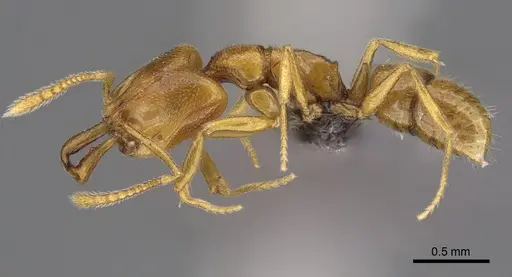
CASENT0815182
View on AntWeb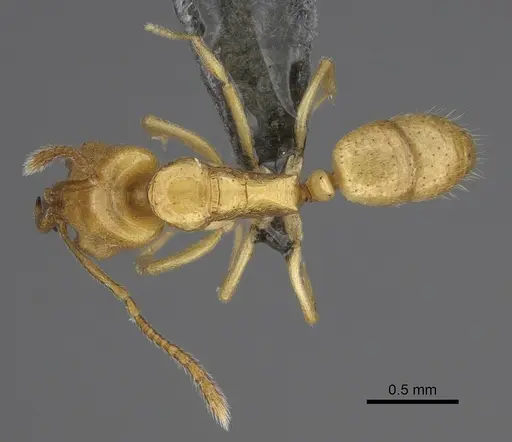
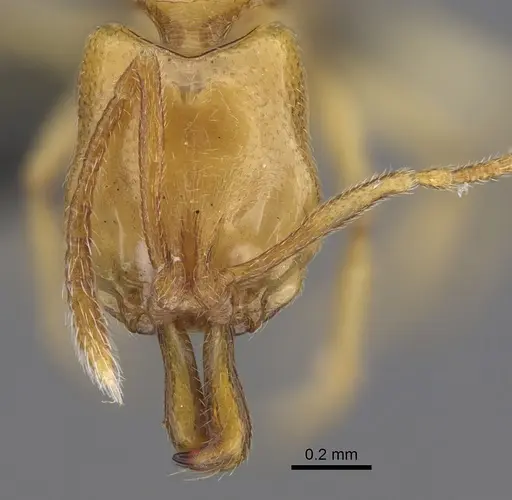
CASENT0842143
View on AntWeb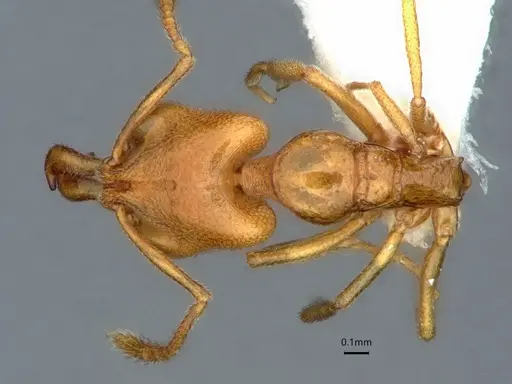
CASENT0907414
View on AntWeb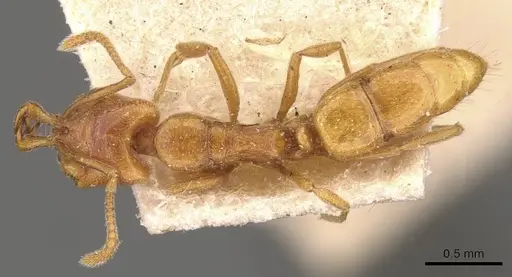
Literature
Loading...Loading products...