

Anochetus subcoecus
- Scientific Name
- Anochetus subcoecus
- Tribe
- Ponerini
- Subfamily
- Ponerinae
- Author
- Forel, 1912
- Distribution
- Found in 2 countries
Anochetus subcoecus Overview
Anochetus subcoecus is an ant species of the genus Anochetus. It is primarily documented in 2 countries , including China, Lao People's Democratic Republic. Detailed taxonomic data and occurrence records can be further explored via authoritative databases such as AntWeb or the Global Biodiversity Information Facility (GBIF).
Anochetus subcoecus
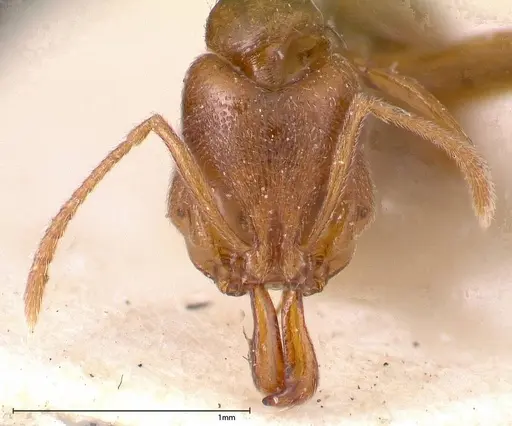
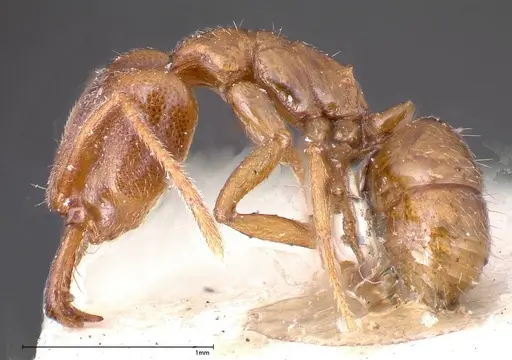
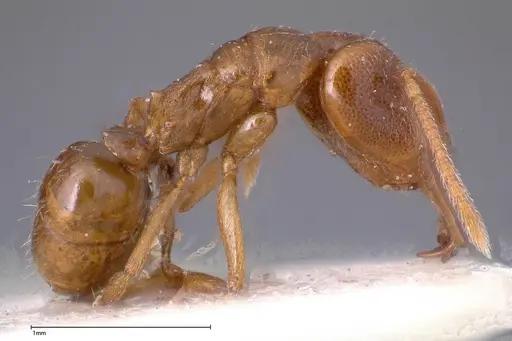
Anochetus subcoecus is a small trap-jaw ant from East Asia with a distinctive appearance. Workers measure 4.9-5.3 mm and are yellowish-brown in color [1]. Their most striking feature is their extremely small eyes, consisting of only 7-10 facets compared to the hundreds found in most ant species, which leaves them nearly blind [2]. They possess the characteristic trap-jaw mandibles of their genus, long, linear mandibles with three teeth at the tip that snap shut at incredible speeds to capture prey [1][3]. In the wild, these ants are specialized residents of secondary forest leaf litter in Taiwan and southern China, showing a strong preference for disturbed forest habitats over pristine primary forest [4][1].
Quick Summary
- Difficulty: Expert
- Origin & Habitat: Secondary forest leaf litter in Taiwan and southern China (Guangxi, Yunnan, Tibet) [1][4][5].
- Colony Type: Unknown, likely single-queen based on typical Anochetus patterns, but unconfirmed.
- Size & Growth:
- Queen: Unknown, not described in available research.
- Worker: 4.90-5.34 mm [1].
- Colony: Unknown, estimated small to medium based on related species.
- Growth: Unknown, estimated slow to moderate.
- Development: Unknown, estimated 8-12 weeks based on similar-sized Anochetus species, but unconfirmed. (Development time is not documented for this species. Estimates are speculative.)
- Antkeeping:
- Temperature: Estimated 22-26°C based on subtropical distribution. Start at 24°C and adjust based on activity levels [1][5].
- Humidity: High humidity required, replicate damp leaf litter conditions. Keep substrate moist but not waterlogged [4].
- Diapause: Unknown, populations range from tropical lowlands to high elevations in Tibet. If keeping high-altitude colonies, provide cooler winter rest around 15-18°C for 2-3 months, lowland colonies likely do not need diapause [1].
- Nesting: Naturalistic leaf litter setup essential. Provide deep substrate of decaying leaves, rotting wood pieces, and soil. Avoid open spaces, they need darkness and tight crevices [4].
- Behavior: Nearly blind due to reduced eyes, relying heavily on antennae for navigation and hunting [2]. They are trap-jaw predators that hunt small soil arthropods. Not particularly aggressive toward humans but can sting (typical for the genus). Their tiny size and cryptic habits make them challenging to observe [1].
- Common Issues: escape prevention is critical, at 5mm workers can squeeze through tiny gaps and are excellent at finding exits., nearly blind workers may struggle to find food in open setups, offer prey directly in their tunnels., desiccation risk, they require consistently damp conditions, dry air kills them quickly., overfeeding with large prey, their small size means they need tiny prey items, large insects will be ignored or rot., lack of breeding data, colony founding success is unstudied, making them unreliable for beginners.
Nest Preferences and Setup
Anochetus subcoecus is a leaf litter specialist restricted to secondary forests, avoiding both primary forest and open plantations [4]. This means you must recreate a deep, complex leaf litter environment rather than using standard test tubes or acrylic nests. Set up a naturalistic enclosure with 5-10 cm of mixed substrate: dried leaves (partially decayed), rotting wood pieces, and organic soil. They need darkness and tight spaces between litter layers. A standard formicarium with open chambers will stress them, instead use a soil box or terrarium with buried wood pieces and leaf litter. Maintain humidity by misting the substrate when the surface begins to dry, keeping it damp like a forest floor after rain [4].
Feeding and Diet
As trap-jaw ants, Anochetus subcoecus hunts using their spring-loaded mandibles to strike prey. Given their small size (5mm) and leaf litter habitat, they likely prey on tiny soil arthropods such as springtails, mites, and very small insect larvae. In captivity, offer small live prey that fits between their mandibles, springtails are ideal. They may also accept fruit flies or pinhead crickets, but ensure prey is small enough for them to handle. Because they are nearly blind [2], place food directly in their tunnels or foraging areas rather than in open spaces where they cannot locate it. Sugar sources like honey water may be ignored, these are specialized predators, not generalist foragers.
Temperature and Seasonal Care
This species ranges from tropical Taiwan and Yunnan to high-elevation Tibet [1][5]. For lowland populations, keep them warm year-round at 22-26°C without hibernation. If your colony originates from higher elevations (Tibet), provide a winter rest period at 15-18°C for 2-3 months to simulate seasonal changes. Use a heating cable on one side of the nest to create a gentle gradient, allowing the ants to choose their preferred temperature. Monitor their behavior, if workers cluster tightly against the warm side, increase heat slightly, if they avoid it, reduce temperature. Avoid overheating as their small size makes them vulnerable to desiccation.
Behavior and Hunting
Anochetus subcoecus has extremely reduced eyes with only 7-10 facets, making them functionally blind [2]. They navigate and hunt primarily through tactile sensation using their antennae. When hunting, they use their trap-jaw mandibles, the long, linear jaws snap shut at high speed when trigger hairs contact prey [3]. This makes them fascinating to watch but difficult to feed in captivity since they cannot see food from a distance. They are not aggressive toward humans and will typically flee rather than attack, but like all Ponerinae they possess a sting. Their small size means they pose little threat to humans, though handling is not recommended.
Why These Ants Are Challenging
This species is suitable only for expert antkeepers due to the complete lack of captive breeding data. We do not know if queens are claustral (sealing themselves in) or semi-claustral (needing to forage), what temperatures trigger nuptial flights, or how long development takes. Their nearly blind nature means standard feeding methods fail, they cannot see food placed even centimeters away. Their specialized secondary forest habitat requires complex substrate maintenance that mimics decaying leaf litter. Additionally, their small size makes escape prevention difficult. Only attempt this species if you have experience with cryptic, soil-dwelling ants and can provide the precise humidity and feeding conditions they require. [4][2]
Frequently Asked Questions
How big do Anochetus subcoecus workers get?
Workers measure 4.90-5.34 mm in total length [1].
Do Anochetus subcoecus ants have good eyesight?
No, they have extremely poor vision. Their eyes consist of only 7-10 facets, making them nearly blind. They rely on their antennae for navigation and hunting [2].
Can I keep Anochetus subcoecus in a test tube setup?
Not recommended. These ants are specialized leaf litter dwellers that need deep substrate, darkness, and complex spaces between decaying leaves. A test tube does not provide the humidity retention or environmental complexity they require [4].
What do Anochetus subcoecus eat?
They are trap-jaw predators that hunt small soil arthropods. Offer tiny live prey like springtails, mites, or very small insect larvae. Place food directly in their tunnels since they cannot see food at a distance [2].
How long until Anochetus subcoecus eggs become workers?
Unknown, this has never been documented. Based on related Anochetus species of similar size, estimate 8-12 weeks at 24-26°C, but this is speculative.
Do Anochetus subcoecus colonies need hibernation?
Unknown. Their range includes both tropical lowlands (no hibernation needed) and high elevations in Tibet (likely requires winter rest). If your colony is from a warm region, keep them active year-round. For high-altitude colonies, provide a cool period at 15-18°C for 2-3 months [1].
Are Anochetus subcoecus dangerous?
No. They are small, cryptic ants that flee from threats. While they can sting like all Ponerinae, their size makes them harmless to humans [1].
Can I keep multiple Anochetus subcoecus queens together?
Not recommended. Combining unrelated queens has not been documented for this species. Most Anochetus are single-queen species, and forced polygyny usually results in fighting.
Where do Anochetus subcoecus live in the wild?
They specialize in secondary forest leaf litter in Taiwan and southern China (Guangxi, Yunnan, Tibet), specifically avoiding both primary forest and rubber plantations [4][1].
Why are my Anochetus subcoecus not finding food?
They are nearly blind and cannot see food placed even a short distance away. You must place prey directly in their tunnels or foraging trails so they encounter it with their antennae [2].
References

This caresheet is licensed under CC BY-SA 4.0 .
FOCOL0345
View on AntWeb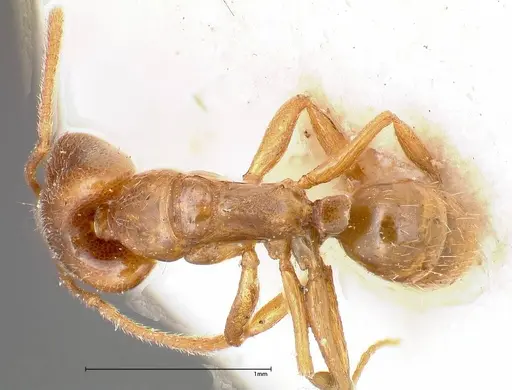
Literature
Loading...Loading products...