

Anochetus siphneus
- Scientific Name
- Anochetus siphneus
- Tribe
- Ponerini
- Subfamily
- Ponerinae
- Author
- Brown, 1978
- Distribution
- Found in 2 countries
Anochetus siphneus Overview
Anochetus siphneus is an ant species of the genus Anochetus. It is primarily documented in 2 countries , including Côte d'Ivoire, Ghana. Detailed taxonomic data and occurrence records can be further explored via authoritative databases such as AntWeb or the Global Biodiversity Information Facility (GBIF).
Anochetus siphneus
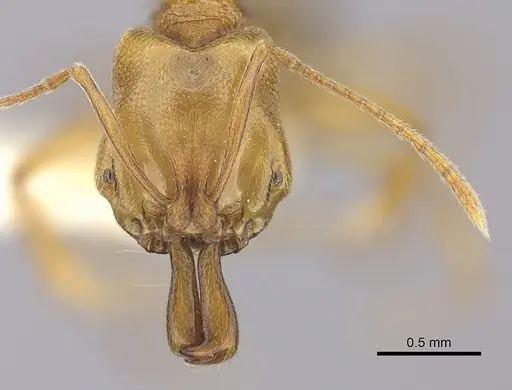
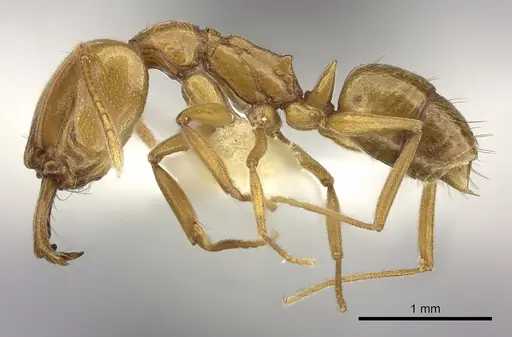
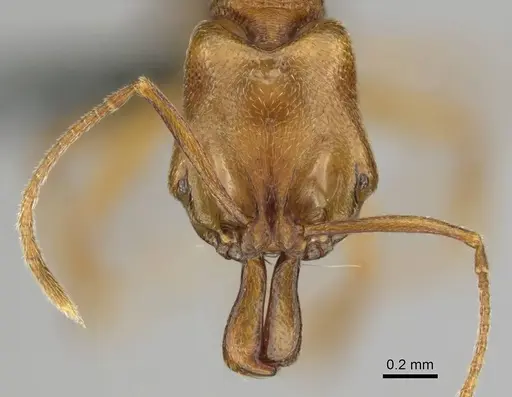
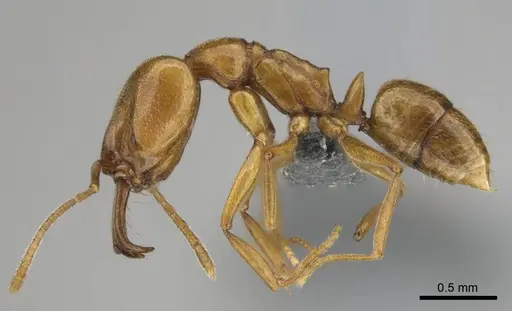
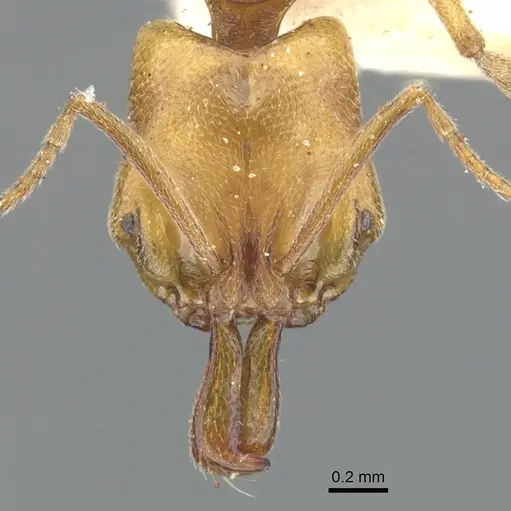
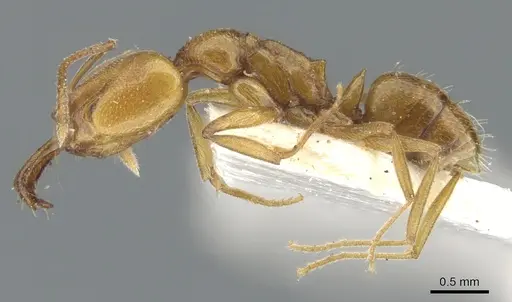
Anochetus siphneus is a tiny trap-jaw ant that lives in the leaf litter of West African forests. Workers measure just 4.0 to 4.5 mm in total length and are medium yellow in color with slightly darker markings on the top of the head [1]. They have extremely small eyes containing only 7 to 15 facets, basically just dots, which suggests they navigate more by touch and smell than by sight as they move through the dark forest floor [1]. Their most distinctive feature is the pair of trap-jaw mandibles that can snap shut at high speed to catch small prey [1].
This species remains one of the mysteries of ant keeping. Despite being described in 1978,scientists have never found or described a queen or male for this species [1]. All collections have been of workers only, taken from leaf litter, humus, and rotten wood in Ivory Coast, Nigeria, and Ghana [1]. This means basic facts about colony size, founding behavior, and reproduction remain completely unknown, making captive keeping nearly impossible at present.
Quick Summary
- Difficulty: Expert
- Origin & Habitat: West African forest belt including Ivory Coast, Nigeria, and Ghana, found in leaf litter, humus, and rotten wood on the forest floor [1]
- Colony Type: Unknown, queens have never been collected or described [1]
- Size & Growth:
- Queen: Unknown, undescribed [1]
- Worker: 4.0-4.5 mm total length [1]
- Colony: Unknown, based on typical Anochetus patterns, likely small (under 100 workers) but unconfirmed
- Growth: Unknown, likely slow based on genus patterns
- Development: Unknown (Development timeline is completely undocumented. Queens have never been observed.)
- Antkeeping:
- Temperature: Warm tropical conditions approximately 24-28°C (inferred from West African forest habitat)
- Humidity: High humidity with consistently moist substrate similar to damp leaf litter and humus [1]
- Diapause: No, this is a tropical species from the West African forest belt [1]
- Nesting: Small chambers in moist leaf litter or rotten wood, naturalistic setups with limited space [1]
- Behavior: Cryptic leaf litter predators with specialized trap-jaw mandibles for hunting small prey. They have reduced vision and likely rely on tactile and chemical senses. Workers are slow-moving and secretive, adapted to life in dark, humid forest floor debris [1].
- Common Issues: workers are extremely small (4-4.5 mm) and can escape through gaps that larger ants cannot, requiring exceptional barrier security., queens have never been found in the wild, making captive colony founding currently impossible., likely require specialized small live prey such as springtails or mites that are difficult to culture and provide consistently., wild-caught workers cannot establish colonies as they cannot reproduce, colonies will slowly die out without a queen.
Natural History and Distribution
Anochetus siphneus inhabits the leaf litter and humus of West African forests. Collections come from Ivory Coast (including the Banco Forest near Abidjan and the Station Scientifique de Lamto on the Bandama River), Ghana (Tafo), and Nigeria (Gambari) [1]. Workers have been found in leaf litter samples extracted using Berlese funnels, under dead leaves on mud, and under fallen banana stems [1]. One survey found them persisting in urban green spaces in Abidjan, suggesting some tolerance for disturbed habitats [2]. They appear to be restricted to the West African forest belt, living in the interface between soil and decaying organic matter [1].
Morphology and Sensory Adaptations
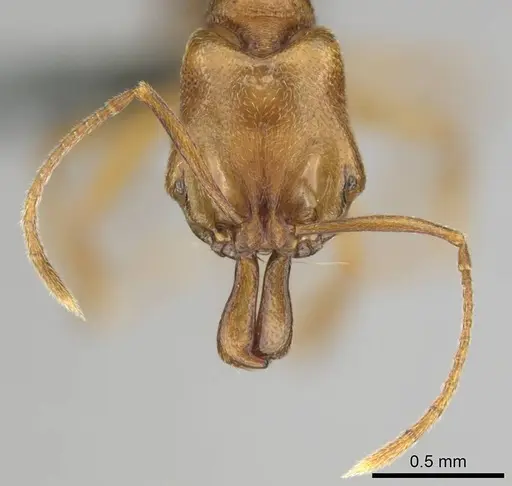
These ants show clear adaptations to life in dark leaf litter. Their eyes are reduced to tiny dots containing only 7 to 15 individual lenses (facets), filling less than half the eye socket [1]. This extreme eye reduction indicates they rely heavily on tactile and chemical cues rather than vision. Workers have robust trap-jaw mandibles with a weak preapical notch, characteristic of the grandidieri species group [1]. The body is compact and smooth, colored medium yellow with a slightly darker head, allowing them to blend into the forest floor [1]. Their antennae are relatively long but do not reach the back of the head, with segments that help them feel their way through narrow spaces [1].
Housing and Escape Prevention
In captivity, housing must account for their tiny size and cryptic habits. Workers measure only 4.0 to 4.5 mm and can squeeze through incredibly small gaps, any opening larger than about 1 mm is a potential escape route [1]. Naturalistic setups with leaf litter, small pieces of rotten wood, and a moist soil substrate best replicate their wild habitat [1]. They do not need large spaces, small containers with limited vertical height work better than tall formicaria. The nest area should remain consistently humid, mimicking the damp humus they inhabit naturally [1].
Feeding and Trap-Jaw Hunting
As trap-jaw ants, Anochetus siphneus are specialized predators. Their mandibles can snap shut at high speeds to capture small prey items [1]. Given their small size and leaf litter habitat, they likely feed on tiny soil arthropods such as springtails, mites, and possibly very small insect larvae. Specific dietary studies do not exist for this species. In captivity, they would probably require live prey small enough to be captured by their trap-jaw mechanism. Sugar sources such as honey or sugar water may not be readily accepted given their predatory specialization, though this is untested.
Temperature and Humidity Requirements
Coming from the tropical forests of West Africa, these ants need warm, stable conditions year-round. Temperatures around 24-28°C likely suit them best, with no seasonal cooling required [1]. Humidity should remain high, with the substrate feeling damp to the touch but not waterlogged. This matches their natural habitat in forest floor leaf litter and humus, where moisture remains constant [1]. Ventilation should be adequate to prevent mold growth in the humid environment, but airflow must not dry out the substrate.
Colony Founding and Reproduction
Founding behavior is completely unconfirmed for this species. Queens have never been collected, described, or observed [1]. Without knowing what the queen looks like, how she establishes a nest, or even if she is winged or wingless, captive propagation is impossible. Workers cannot produce new workers or queens. Any captive colony would need to be collected as an established colony from the wild, but even then, the lack of queen descriptions makes identifying a reproductive colony impossible. This represents the primary barrier to keeping this species in captivity.
Frequently Asked Questions
Can I keep Anochetus siphneus in a test tube?
Founding behavior is unknown, and queens have never been found for this species. Without a queen, you cannot start a colony in a test tube or anywhere else. Only workers have been collected, and workers cannot reproduce.
What do Anochetus siphneus eat?
They are trap-jaw predators likely feeding on tiny soil arthropods like springtails and mites found in leaf litter. Specific dietary studies do not exist, but they probably require small live prey rather than sugar sources.
How long until Anochetus siphneus gets first workers?
The egg-to-worker timeline is completely unknown. Development time has never been documented, and since queens have never been found, no one has observed the founding process.
Do Anochetus siphneus need hibernation?
No. They come from tropical West Africa where temperatures remain warm year-round. They do not require a winter rest period or diapause.
Are Anochetus siphneus good for beginners?
No. They are extremely challenging due to their unknown biology, the fact that queens have never been found, their tiny size requiring extreme escape prevention, and their likely need for specialized small prey.
How big do Anochetus siphneus colonies get?
Colony size is unknown. Based on patterns from other Anochetus species, they likely remain small with fewer than 100 workers, but this is unconfirmed.
Why are Anochetus siphneus queens unknown?
Scientists have never collected or described the queen caste for this species despite the species being described in 1978. All collections have been of workers only from leaf litter and rotten wood. The queens may be wingless and remain deep in the nest, or they may be extremely rare.
References

This caresheet is licensed under CC BY-SA 4.0 .
CASENT0260507
View on AntWeb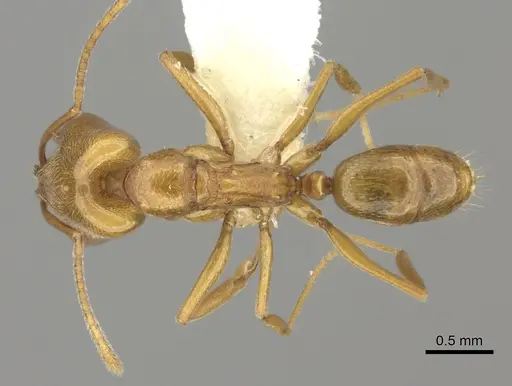
CASENT0815716
View on AntWeb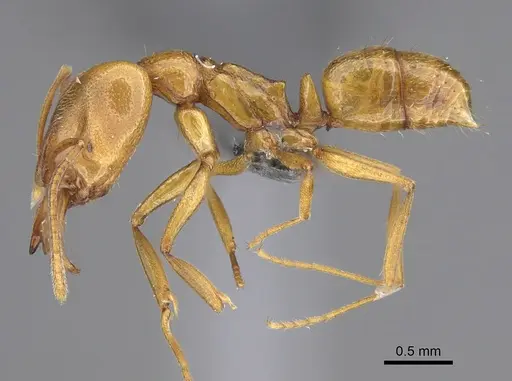
CASENT0815767
View on AntWeb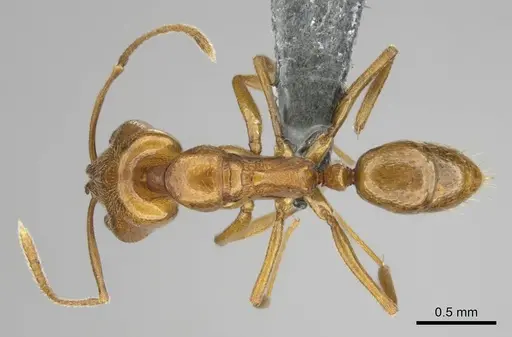
CASENT0902457
View on AntWeb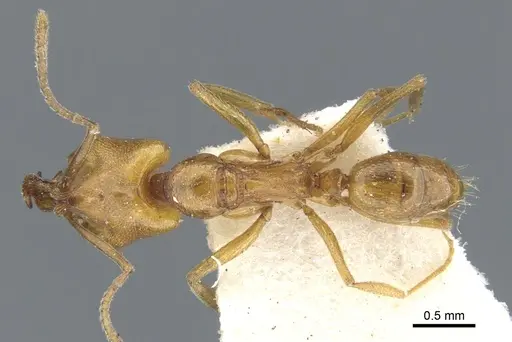
Literature
Loading...Loading products...