

Anochetus simoni
- Scientific Name
- Anochetus simoni
- Tribe
- Ponerini
- Subfamily
- Ponerinae
- Author
- Emery, 1890
- Distribution
- Found in 5 countries
Anochetus simoni Overview
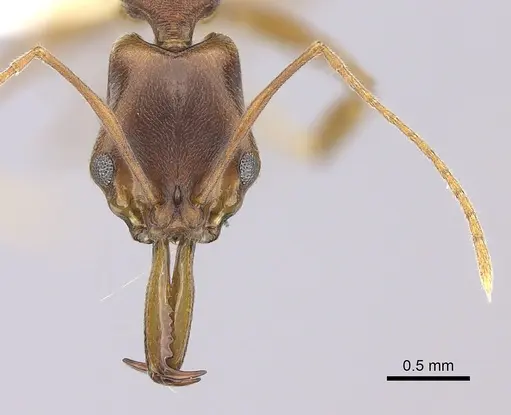
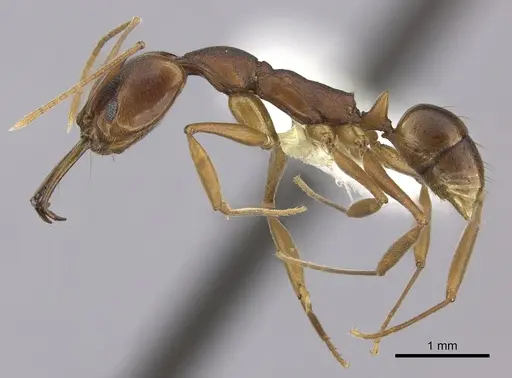
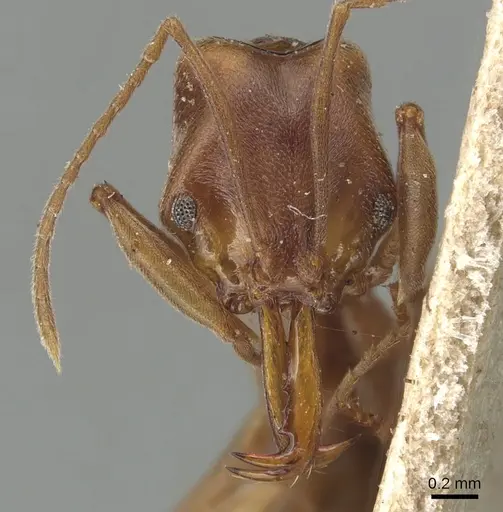
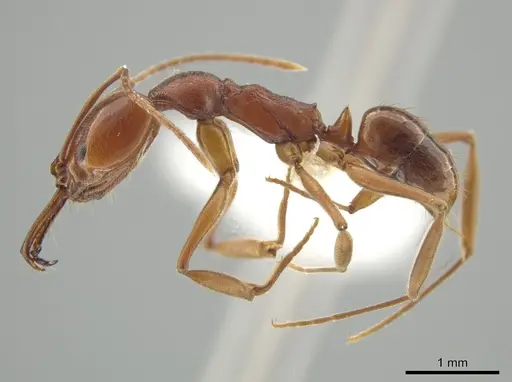
Anochetus simoni is an ant species of the genus Anochetus. It is primarily documented in 5 countries , including Brazil, Colombia, Ecuador. Detailed taxonomic data and occurrence records can be further explored via authoritative databases such as AntWeb or the Global Biodiversity Information Facility (GBIF).
Anochetus simoni
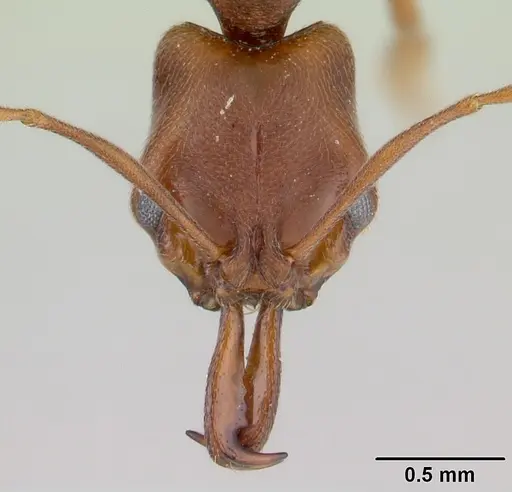
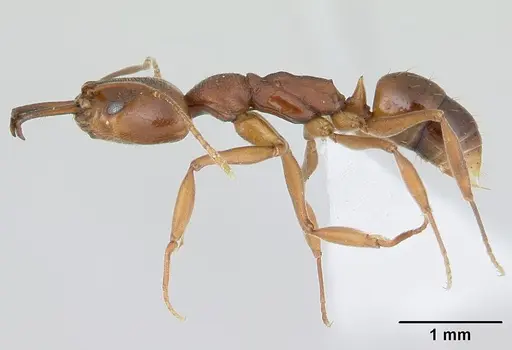
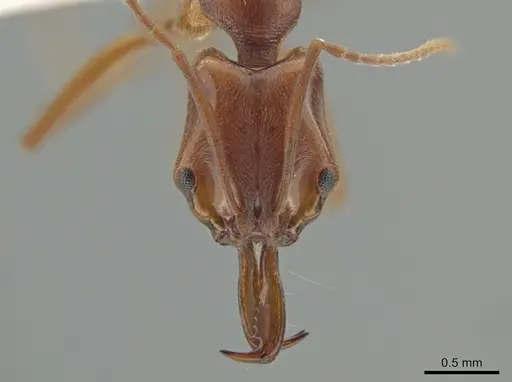
Anochetus simoni is a small, pale-colored trap-jaw ant that hunts alone in the leaf litter of Neotropical forests. They range across Venezuela, Colombia, Ecuador, and the Guianas, with records from Brazil and French Guiana [1][2][3]. These ants possess the spring-loaded mandibles typical of their genus, snapping them shut with incredible speed to capture prey [3]. Unlike ants that recruit nestmates to food, workers forage individually through the forest floor [4]. They show a distinctive rough texture on their middle body section and waist, which helps separate them from similar species [5].
These ants inhabit tropical forests from lowlands up to 1,510 meters elevation in Colombia [6]. Their solitary hunting strategy and small size make them challenging captives, requiring specialized care compared to more commonly kept species.
Quick Summary
- Difficulty: Hard
- Origin & Habitat: Neotropical forests, Venezuela, Colombia, Ecuador, French Guiana, Guyana, Suriname, and Brazil. Found in leaf litter from lowlands to 1,510m elevation [1][6][3].
- Colony Type: Unknown, no studies confirm queen number or colony structure.
- Size & Growth:
- Queen: Unknown, not documented in available research.
- Worker: Small (exact measurements unavailable, described as 'small ants' with eyes exceeding 0.08mm in diameter) [1].
- Colony: Unknown, no colony size data available.
- Growth: Unknown
- Development: 6-10 weeks, no direct studies available, estimate based on typical Anochetus patterns at 24-26°C. (Development time is unconfirmed for this species. The estimate assumes warm, stable temperatures typical of their tropical range.)
- Antkeeping:
- Temperature: Tropical species, start around 24-26°C and adjust based on colony activity. Found up to 1,510m elevation, suggesting tolerance for some variation [6]. Specific requirements unconfirmed.
- Humidity: High, leaf litter habitat suggests consistently moist substrate. Keep nest material damp but not waterlogged [4].
- Diapause: Likely not required given tropical distribution [1], but specific requirements unconfirmed.
- Nesting: Leaf litter dweller [4]. Use naturalistic setups with substrate, or Y-tong/plaster nests with small chambers and moist conditions.
- Behavior: Solitary hunters, workers forage alone rather than in groups [4]. They use trap-jaw mandibles to capture prey. Small size creates high escape risk requiring fine mesh barriers.
- Common Issues: unknown development timeline makes planning difficult and can lead to premature disturbance., tiny size means escapes are likely without fine mesh barriers and tight-fitting lids., solitary hunting behavior may complicate feeding compared to group-foraging species.
Trap-Jaw Hunting and Feeding
Anochetus simoni are solitary hunters, meaning workers search for prey alone without recruiting nestmates [4]. They possess the famous trap-jaw mechanism, spring-loaded mandibles that snap shut in milliseconds to stun or kill small prey [3]. In captivity, this means you must offer small, live prey that individual workers can subdue alone. Fruit flies, springtails, and very small insects work well. Because they hunt solo, you cannot rely on group feeding behaviors where workers share food. Each worker must find and capture its own meals, so ensure prey is small enough for single ants to handle and distributed throughout the foraging area.
Nest Preferences and Setup
In nature, these ants live in leaf litter [4]. This suggests they need moist, enclosed spaces with plenty of hiding spots. A naturalistic setup with leaf litter, decaying wood, and soil works well. You can also use a Y-tong (AAC) nest with small chambers scaled to their tiny size, or a plaster nest with narrow spaces. Keep the substrate damp but not waterlogged, think forest floor after rain, not swamp. Provide darkness as leaf litter ants typically avoid light, and ensure good ventilation while maintaining humidity to prevent mold.
Temperature and Humidity
Coming from tropical forests across Venezuela, Colombia, and the Guianas [1], these ants likely need warm, stable conditions. Start around 24-26°C and watch the colony's response. If workers cluster near heat, increase slightly, if they avoid it, reduce. Records from 1,510m elevation in Colombia suggest they tolerate some temperature variation [6]. They probably do not need hibernation given their tropical origin, but this is unconfirmed. Maintain high humidity, the nest substrate should feel damp to the touch, with some slightly drier areas available for the ants to choose.
Colony Founding
Founding behavior is unconfirmed for this species. Many Anochetus species have queens that forage during the founding stage (semi-claustral), but without specific documentation for A. simoni, this remains unknown. If attempting to found a colony, provide both a secure chamber and access to foraging space with small prey items. Do not disturb the queen frequently, as stress may cause her to eat her brood.
Frequently Asked Questions
Can I keep Anochetus simoni in a test tube?
You can start them in a test tube, but because they are leaf litter ants [4], they may prefer more complex, naturalistic setups with substrate to dig in. Ensure the test tube is darkened and kept moist.
How long until first workers for Anochetus simoni?
Unknown, no studies document their development timeline. Based on typical Anochetus patterns, expect roughly 6-10 weeks at 24-26°C, but this is an estimate only.
What do Anochetus simoni eat?
They are solitary hunters [4], so offer small live prey that individual workers can catch alone. Fruit flies, springtails, and tiny insects work best. They may accept sugar water, but protein is essential for this predatory species.
Do Anochetus simoni ants sting?
Like other members of subfamily Ponerinae, they likely possess a sting [3], though specific documentation is lacking. Handle with care.
What temperature do Anochetus simoni need?
As a tropical species from Venezuela and Colombia [1], start around 24-26°C. Adjust based on colony activity since specific requirements are unconfirmed.
Do Anochetus simoni need hibernation?
Probably not, they come from tropical regions without cold winters [1]. However, specific diapause requirements are unconfirmed.
Can I keep multiple Anochetus simoni queens together?
Not recommended. Colony structure is unknown, and combining unrelated queens carries high risk of fighting unless the species is confirmed polygynous.
Are Anochetus simoni good for beginners?
No. Their small size, solitary hunting behavior, and lack of documented captive care make them challenging. They are better suited to experienced keepers.
References

This caresheet is licensed under CC BY-SA 4.0 .
CASENT0178672
View on AntWeb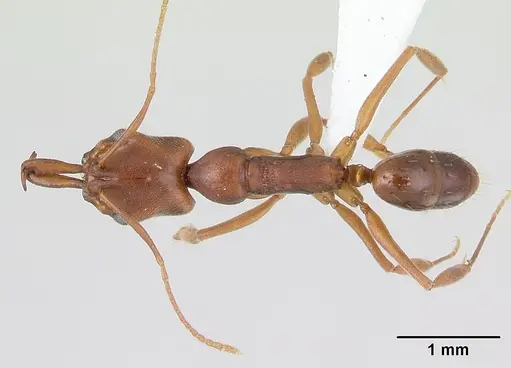
CASENT0260506
View on AntWeb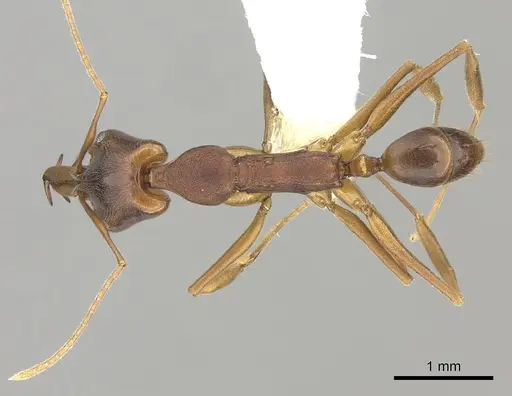
CASENT0903986
View on AntWeb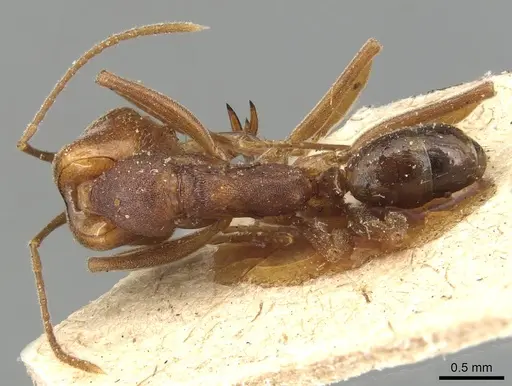
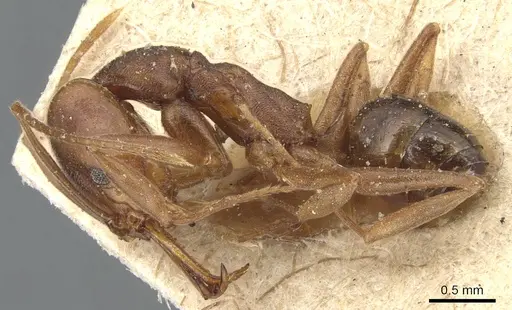
CBUMAGENT41702
View on AntWeb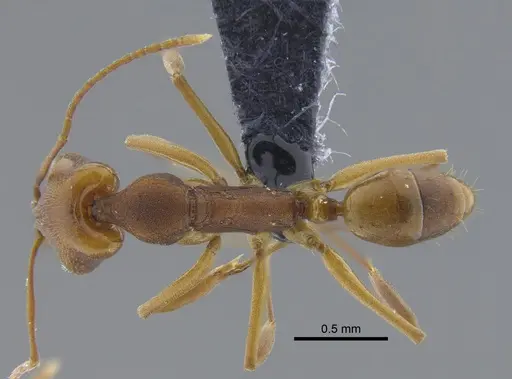
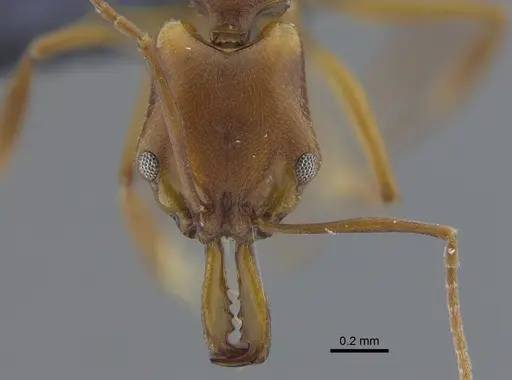
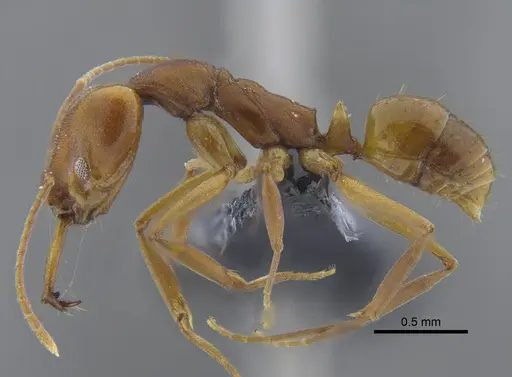
JTLC000015234
View on AntWeb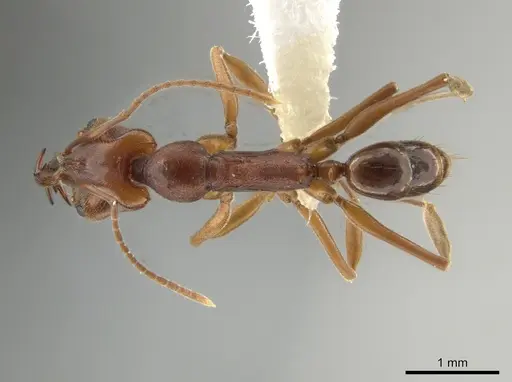
Literature
Loading...Loading products...