

Anochetus sedilloti
- Scientific Name
- Anochetus sedilloti
- Tribe
- Ponerini
- Subfamily
- Ponerinae
- Author
- Emery, 1884
- Distribution
- Found in 4 countries
Anochetus sedilloti Overview
Anochetus sedilloti is an ant species of the genus Anochetus. It is primarily documented in 4 countries , including Burkina Faso, Guinea, Kenya. Detailed taxonomic data and occurrence records can be further explored via authoritative databases such as AntWeb or the Global Biodiversity Information Facility (GBIF).
Anochetus sedilloti
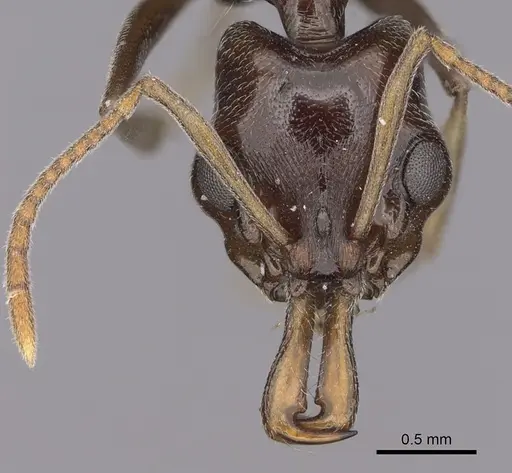
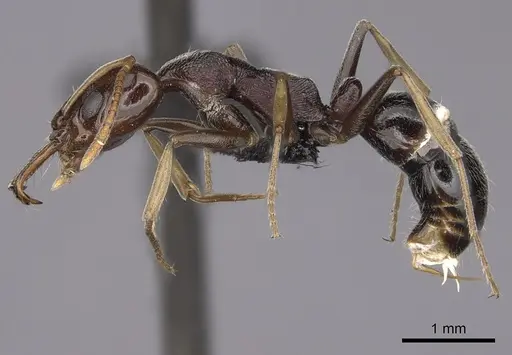
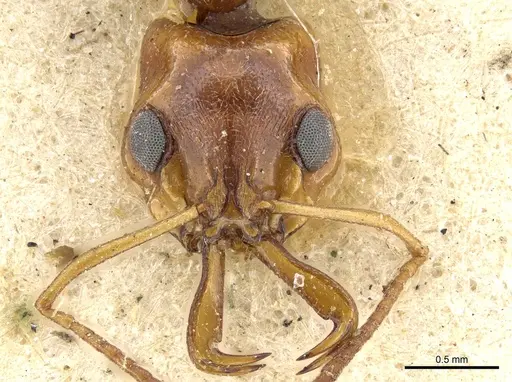
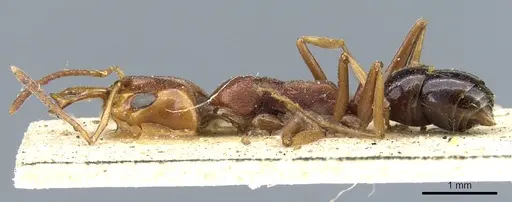
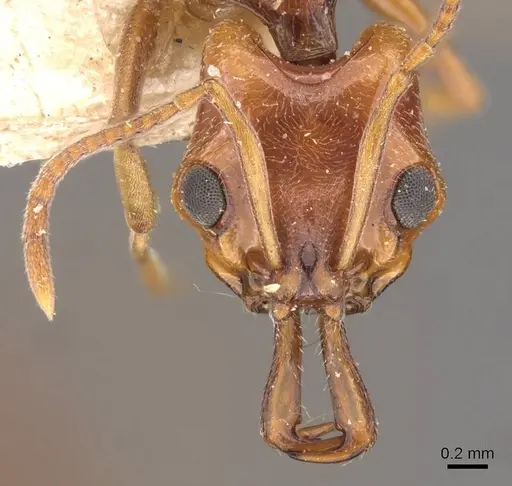
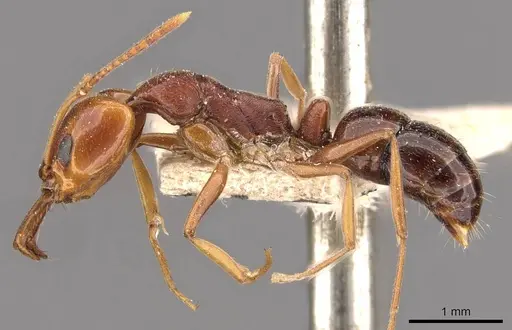
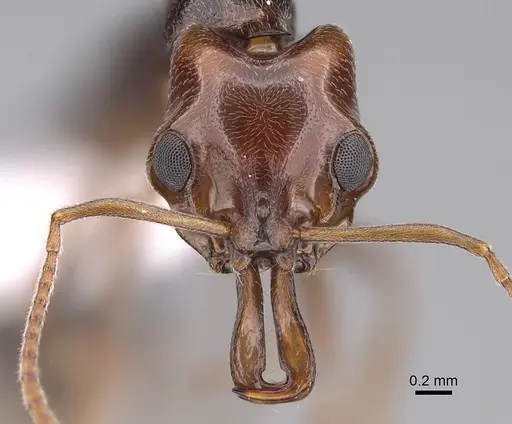
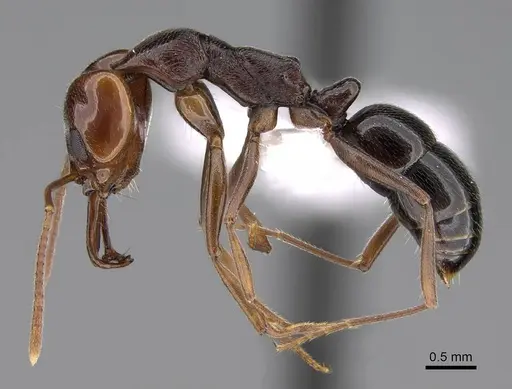
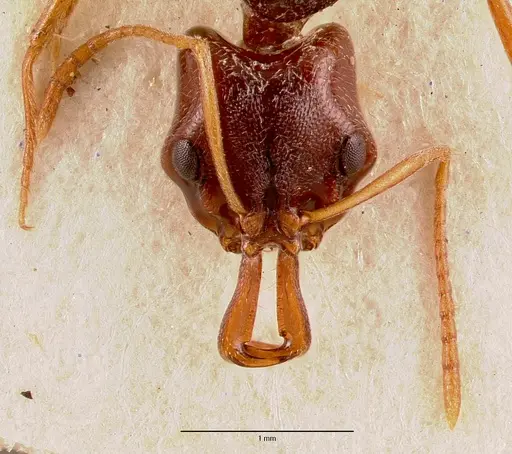
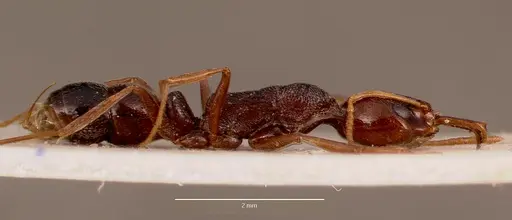
Anochetus sedilloti is a trap-jaw ant with workers measuring about 5mm in length. They show a striking three-tone color pattern: the head, mandibles, antennae, and legs are orange, the middle body section (mesosoma) and petiole are red, and the gaster is dark brown [1][2]. Their mandibles are long and straight, and they have large eyes with roughly 25 facets in the longest row, giving them excellent vision for hunting [1]. These ants live across a vast range stretching from Tunisia through sub-Saharan Africa (Chad, Eritrea, Senegal) to India and the Arabian Peninsula (Saudi Arabia, Oman) [3][1][2].
In the wild, they build nests in soil with several entrances scattered nearby, often in ravine habitats [4]. Workers hunt termites, carrying their prey back to the nest gripped in their mandibles [4]. Unlike many ants that forage in full daylight, these are crepuscular hunters, researchers have collected them foraging on the ground immediately after sunset and observed single workers hunting in early morning [2]. This dawn-and-dusk activity pattern means they prefer dim light conditions.
Quick Summary
- Difficulty: Medium
- Origin & Habitat: Native to Tunisia, sub-Saharan Africa (Chad, Eritrea, Kenya, Mali, Senegal), India, and the Arabian Peninsula (Saudi Arabia, Oman) [1][2]. They nest in soil, particularly in ravine systems and warm, often semi-arid regions [4].
- Colony Type: Unknown, colony structure (single queen vs multiple queens) has not been documented in the available research.
- Size & Growth:
- Queen: Unknown, not measured in available research.
- Worker: 5.0 mm total length (range 5.0-7.5 mm for the species group), head width 1.27 mm [1].
- Colony: Unknown, likely small to moderate based on typical Anochetus patterns, but unconfirmed.
- Growth: Unknown, likely moderate to slow, but unconfirmed.
- Development: Unknown, estimated 8-12 weeks at 25-28°C based on related Ponerinae, but unconfirmed for this species. (Development time is inferred from similar trap-jaw ants, actual timing may vary significantly.)
- Antkeeping:
- Temperature: Keep warm and stable, roughly 24-28°C, based on their distribution across hot climates from the Sahel to India [3][1]. A heating cable on one side of the nest creates a beneficial gradient.
- Humidity: Keep the nest substrate moderately moist but not waterlogged. As soil-nesting ants, they need damp conditions similar to their natural ravine habitats [4].
- Diapause: No, their distribution across tropical and subtropical regions suggests they remain active year-round without winter rest [1][2].
- Nesting: Soil-based nests work best. Use a naturalistic setup with a soil mix, or a plaster nest with narrow chambers and a humidity gradient. They need darkness and secure lids.
- Behavior: Crepuscular foragers that hunt at dawn and dusk rather than during bright daylight [2]. They are trap-jaw predators capable of fast mandible strikes to capture prey, particularly termites [4]. Workers carry food back to the nest in their mandibles. They are not typically aggressive but can sting like other Ponerinae. Their 5mm size means escape prevention must be reliable.
- Common Issues: prey refusal if offered dead insects instead of live termites or small soft-bodied prey., stress from excessive light exposure due to their crepuscular nature., desiccation if soil substrate dries out completely., slow colony development requiring long-term patience without overfeeding., escape attempts through small gaps due to their 5mm size and active hunting behavior.
Nest Preferences and Setup
Anochetus sedilloti builds nests in soil with multiple entrances nearby, often in ravine habitats with stable moisture [4]. In captivity, replicate these conditions with a naturalistic soil nest or a plaster nest with narrow chambers. The substrate should feel damp to the touch but not muddy. Provide a gradient, one side slightly drier, one side moist, so the colony can choose their preferred humidity. Because they forage at dawn and dusk, keep the nest in a dimly lit area or provide plenty of dark hiding spots. A test tube setup can work for founding, but add a thin layer of soil or sand to give the queen a more natural surface for chamber construction.
Feeding and Hunting Behavior
These ants are specialized predators. Workers have been observed carrying termites in their mandibles in the wild [4]. In captivity, offer small live prey such as termites, springtails, or tiny crickets. They may refuse dead insects, as the movement likely triggers their trap-jaw strike response. Feed them during evening hours to match their crepuscular activity pattern [2]. While they may accept sugar water or honey, do not rely on liquid carbohydrates, protein from live prey is essential for colony growth. Remove uneaten prey within 24 hours to prevent mold in the humid nest environment.
Temperature and Seasonal Care
Coming from warm regions across North Africa, the Sahel, and South Asia, these ants need consistent warmth [3][1]. Keep the nest area between 24-28°C. You can achieve this with a heating mat or cable placed on one side of the nest (never underneath, to avoid condensation flooding). This creates a thermal gradient. They do not require hibernation or diapause, their native range does not experience harsh winters, so maintain steady temperatures year-round. If the colony slows down or brood development stalls, check that temperatures are not dropping below 22°C for extended periods.
The Trap-Jaw Mechanism
Like all Anochetus, A. sedilloti possesses the famous trap-jaw mandibles, long, straight mandibles that can snap shut with incredible speed to capture prey or defend the nest [1][2]. Workers use these to hunt termites and other small insects. Never attempt to handle these ants with bare hands or forceps without extreme care, as the mandibles can deliver a painful pinch and they can sting. When hunting, they likely use their large eyes (with about 25 ommatidia) to spot prey before striking [1]. In captivity, provide enough space in the outworld for them to maneuver while hunting live prey.
Colony Founding
The founding behavior of A. sedilloti has not been directly documented in scientific studies. Based on patterns in the genus Anochetus, founding may be semi-claustral (meaning the queen leaves the nest to forage during the founding stage), but this is unconfirmed. If you acquire a founding queen, offer her a secure, dark chamber with high humidity and provide small live prey regularly. Do not assume she will survive without food like claustral queens (such as Camponotus) do. Watch for eggs after the first week, but be patient, development timelines are unknown and may take several weeks to months.
Frequently Asked Questions
Can I keep Anochetus sedilloti in a test tube?
Yes, but add a thin layer of soil or sand to the test tube. They are soil-nesting ants and may stress in a bare plastic tube. Ensure the cotton is tight, at 5mm long, they can squeeze through small gaps [1].
What do Anochetus sedilloti eat?
They are predators that hunt termites in the wild [4]. In captivity, feed live small insects such as termites, springtails, or tiny crickets. They may not accept dead prey.
How long until Anochetus sedilloti gets their first workers?
The egg-to-worker timeline is unknown for this species. Based on related Ponerinae, expect roughly 8-12 weeks at 25-28°C, but this is only an estimate.
Do Anochetus sedilloti need hibernation?
No. They come from tropical and subtropical regions across Africa and Asia and remain active year-round [1][2]. Keep temperatures stable throughout the year.
How big do Anochetus sedilloti colonies get?
Maximum colony size is unknown. Based on typical Anochetus patterns, they likely remain small to moderate, possibly under 500 workers, but this is unconfirmed.
Do Anochetus sedilloti sting?
Yes, like other Ponerinae they possess a stinger and can sting defensively. They also have powerful trap-jaw mandibles that can pinch. Handle with care.
Are Anochetus sedilloti good for beginners?
Not ideal for complete beginners. They require live prey, specific humidity management, and their founding behavior is unconfirmed. They are best suited to keepers with some experience with predatory ants.
Why are my Anochetus sedilloti not active during the day?
They are crepuscular, naturally active at dawn and dusk. Workers have been observed foraging immediately after sunset and in early morning [2]. This is normal behavior, not a sign of illness.
Can I keep multiple Anochetus sedilloti queens together?
Not recommended. Whether this species accepts multiple queens in one colony is unknown. Combining unrelated queens risks fighting and death.
What is the best nest type for Anochetus sedilloti?
Naturalistic soil nests or plaster nests with narrow chambers work best. They need moist substrate and darkness. Avoid tall, open spaces, they prefer tight, soil-like conditions [4].
References

This caresheet is licensed under CC BY-SA 4.0 .
CASENT0061604
View on AntWeb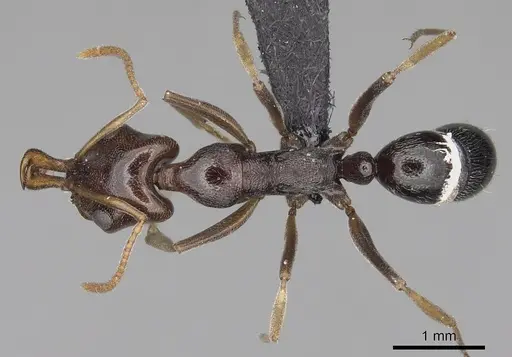
CASENT0903976
View on AntWeb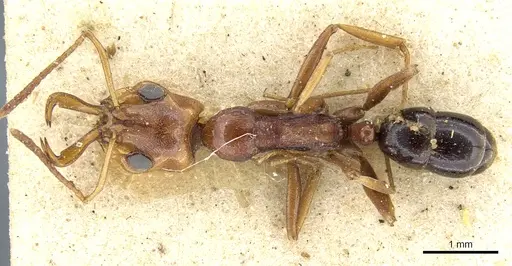
CASENT0907413
View on AntWeb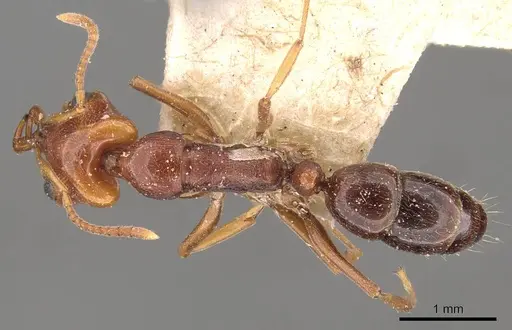
CASENT0922865
View on AntWeb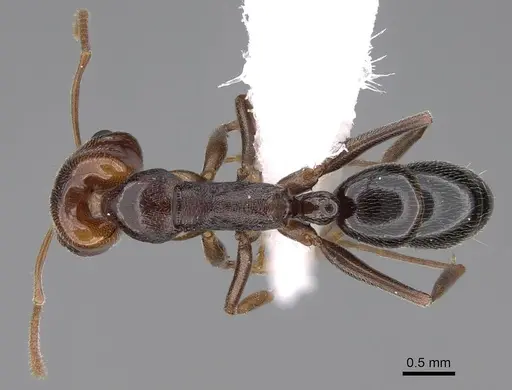
SAM-HYM-C002796
View on AntWeb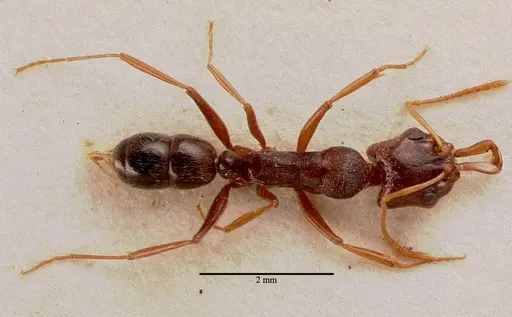
Literature
Loading...Loading products...