

Anochetus rugosus
- Scientific Name
- Anochetus rugosus
- Tribe
- Ponerini
- Subfamily
- Ponerinae
- Author
- Smith, 1857
- Distribution
- Found in 3 countries
Anochetus rugosus Overview
Anochetus rugosus is an ant species of the genus Anochetus. It is primarily documented in 3 countries , including Indonesia, Malaysia, Singapore. Detailed taxonomic data and occurrence records can be further explored via authoritative databases such as AntWeb or the Global Biodiversity Information Facility (GBIF).
Anochetus rugosus
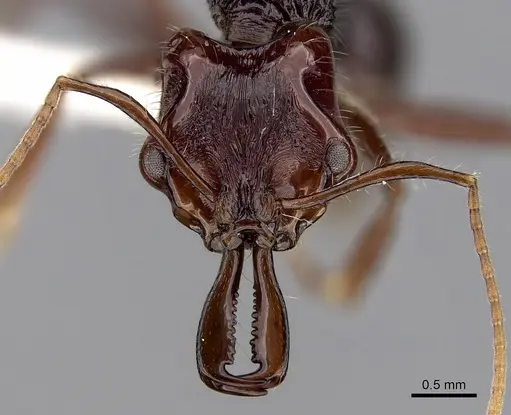
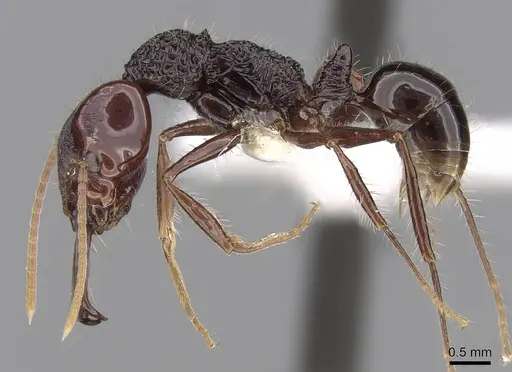
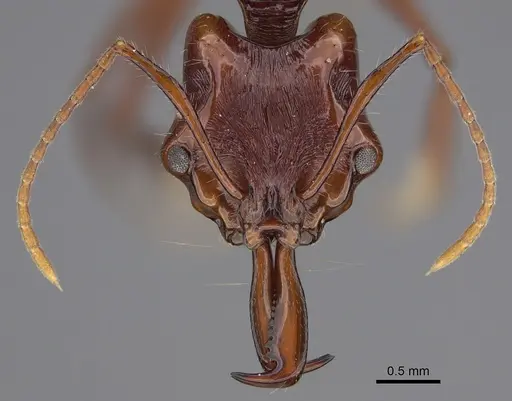
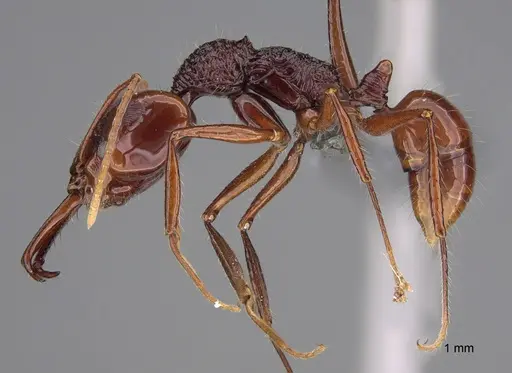
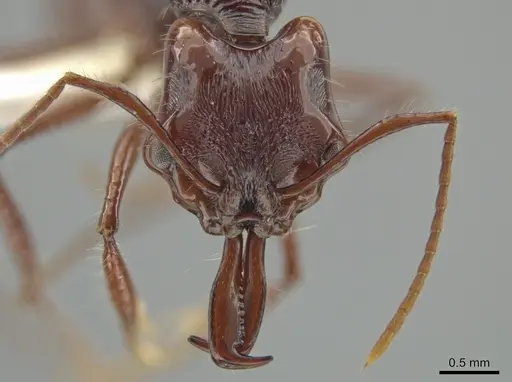
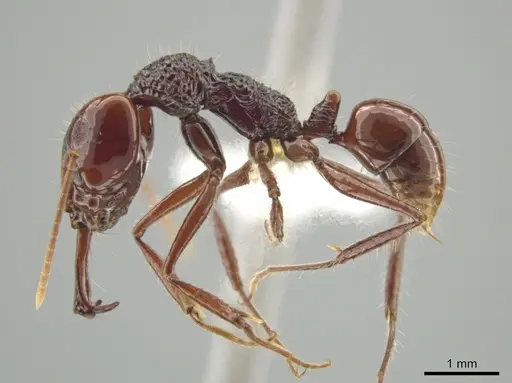
Anochetus rugosus is a trap-jaw ant native to the tropical forests of Southeast Asia, with confirmed records from Singapore, Thailand, Indonesia, and Malaysia [1][2][3]. Workers measure 6-7.5 mm and display the characteristic heavily sculptured appearance of the rugosus group, featuring striated heads, coarsely rugose propodeums, and abundant body hair [4][5][6]. Their most distinctive feature is the pair of long, toothed mandibles capable of snapping shut at remarkable speeds to capture prey.
Despite being described since 1857,these ants remain cryptic and poorly known in the wild. Modern surveys using intensive collection methods sometimes recover only single individuals, suggesting they live at low population densities or in specialized microhabitats [7]. While specific behavioral observations are lacking, trap-jaw ants in this genus are solitary hunters that rely on their explosive jaw mechanism to subdue small arthropod prey.
Quick Summary
- Difficulty: Hard
- Origin & Habitat: Tropical forests of Southeast Asia including Singapore, Thailand, Indonesia (Sumatra, Kalimantan), and Malaysia (Sabah) [1][2][3]
- Colony Type: Single-queen colonies presumed based on genus patterns, but unconfirmed
- Size & Growth:
- Queen: Unknown, likely 8-10 mm based on related Anochetus species
- Worker: 6-7.5 mm [1][4]
- Colony: Unknown, likely under 100 workers based on typical Anochetus patterns
- Growth: Unknown, presumed slow to moderate
- Development: 8-12 weeks (estimated for tropical species at 25-28°C) (Direct development data unavailable, timeline inferred from related tropical trap-jaw ants)
- Antkeeping:
- Temperature: 24-28°C (inferred from tropical distribution) [3]
- Humidity: Moderate to high, keep nest substrate damp but not waterlogged
- Diapause: No, tropical species do not require hibernation
- Nesting: Likely soil or rotting wood based on genus patterns, naturalistic setups with tight cavities preferred
- Behavior: Predatory trap-jaw hunters, likely skittish and defensive. Workers possess functional stings but are small. Their tiny size requires excellent escape prevention.
- Common Issues: founding success is unconfirmed and may be difficult, queens may require live prey during founding if semi-claustral., rarely encountered in trade due to cryptic nature and low wild population density [7]., specific dietary needs require small live prey such as springtails or fruit flies., tiny size makes escape prevention critical, they can squeeze through minute gaps., sensitivity to desiccation requires consistent humidity management.
Identification and Physical Traits
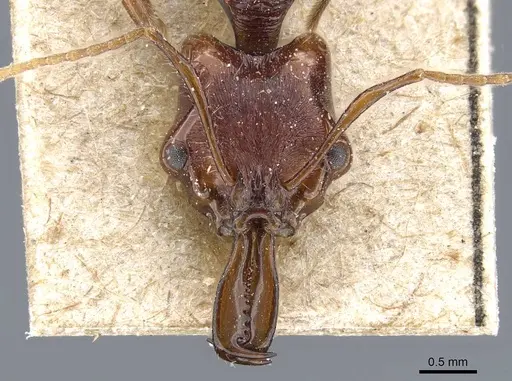
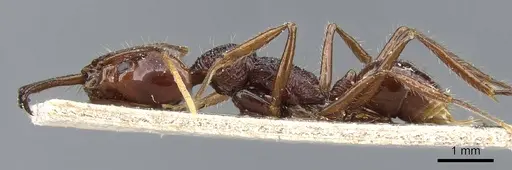
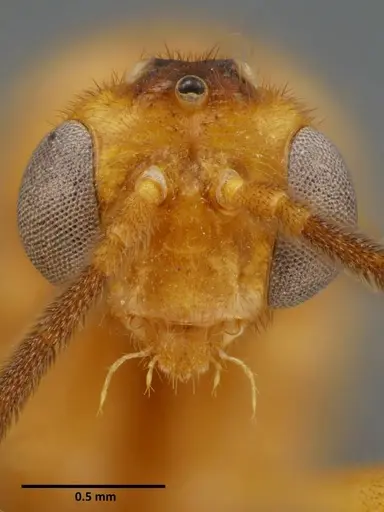
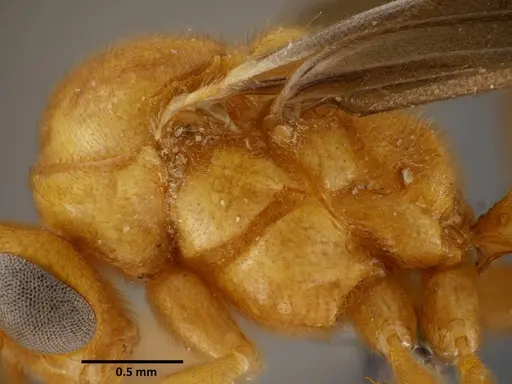
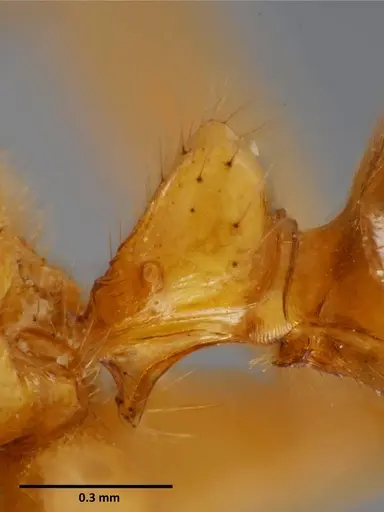
Anochetus rugosus workers are immediately recognizable by their heavily sculptured bodies. The head shows distinct striation extending to the nuchal carina, with the lateral faces partly striated and the ventral face smooth and shiny [5]. The mesosoma is relatively short and stout, with the propodeum coarsely rugose and the petiolar node largely coarsely rugose as well [5]. The mandibles are long and armed with teeth (dentate), characteristic of the trap-jaw mechanism found in this genus [6]. The body possesses abundant pilosity (hair) across all segments [6]. These features place them firmly in the rugosus species group, which is defined by such extensive sculpturing and body hair.
Distribution and Natural History
This species ranges across the Indomalayan region, with historical records from Singapore (the type locality), Sumatra, Kalimantan, and Sabah [1][3]. More recent surveys confirm their presence in Thailand at Khao Ang Reu Nai [2]. Despite this wide distribution, they appear genuinely rare or cryptic. An intensive integrative survey in Indonesia using multiple collection methods recovered only a single individual of this species, suggesting they may inhabit specialized microhabitats or maintain very low population densities [7]. They are ground-dwelling or litter-dwelling ants of tropical forests.
Nest Preferences
Specific nesting habits are undocumented for this species, but related Anochetus typically nest in soil, under stones, or in rotting wood. In captivity, provide a naturalistic setup with tight, secure cavities that mimic these conditions. A Y-tong (AAC) nest with narrow chambers, or a soil-filled formicarium with small cavities, works well. They require darkness and security, so avoid open or brightly lit setups. The nest should maintain consistent moisture without becoming waterlogged. [3]
Feeding and Diet
As trap-jaw ants, Anochetus rugosus are specialized predators. In captivity, they require small live prey that they can subdue with their mandibular strike. Springtails, fruit flies, and very small crickets are appropriate. Prey should be small enough that the ants can handle them without risk of injury. While some Anochetus accept sugar sources, do not rely on liquid sugars as a primary food source. Protein is essential for colony growth. Feed small amounts frequently rather than large boluses that could mold or stress the colony. [6]
Temperature and Humidity
Originating from tropical Southeast Asia, these ants require warm, stable conditions. Maintain the nest area between 24-28°C. You can achieve this with a heating cable or mat placed on one side of the nest to create a thermal gradient, allowing the ants to self-regulate. Keep humidity moderate to high by maintaining damp nest substrate, the material should feel moist to the touch but not drip when squeezed. As a tropical species, they do not require diapause or cooling periods. [3]
Behavior and Trap-Jaw Mechanics
Anochetus rugosus possesses the family's characteristic trap-jaw mandibles, long, spring-loaded appendages that can snap shut in fractions of a second when triggered by sensory hairs on the labrum [6]. This mechanism serves both for prey capture and defensive propulsion (the ants can launch themselves backward by striking the ground). Expect them to be shy and fast-moving. When disturbed, they may either flee rapidly or adopt a defensive posture with mandibles open. They are not typically aggressive toward humans but can deliver a sting if handled.
Colony Founding
Founding behavior for this specific species is unconfirmed. Based on patterns observed in other Anochetus species, founding is likely semi-claustral, meaning the queen may need to forage for food during the founding stage rather than sealing herself in and living entirely on stored fat reserves. If attempting to found a colony, provide the queen with a small, secure chamber and offer tiny live prey items like springtails. However, success rates for founding Anochetus in captivity are generally low, and this species is best suited for experienced keepers.
Frequently Asked Questions
Can I keep Anochetus rugosus in a test tube?
Test tubes can work for founding queens if the water reservoir is small and the tube is kept dark, but these ants prefer more naturalistic, soil-based nests once the colony establishes. Ensure the test tube opening is secured with extremely fine mesh or cotton, as workers can escape through tiny gaps.
How long until Anochetus rugosus gets first workers?
Development timelines are unconfirmed for this species. Based on related tropical trap-jaw ants, expect roughly 8-12 weeks from egg to worker at 25-28°C. First workers (nanitics) may emerge slightly faster but will be smaller than subsequent workers.
What do Anochetus rugosus eat?
They require small live prey such as springtails, fruit flies, and pinhead crickets. The prey must be small enough for the workers to subdue with their trap jaws. Offer protein regularly, do not rely on sugar water as a primary food source.
Are Anochetus rugosus good for beginners?
No. They are poorly documented, rarely available, likely have specific dietary requirements, and their founding behavior is unconfirmed. These factors make them suitable only for experienced ant keepers.
What temperature do Anochetus rugosus need?
Keep them warm and stable at 24-28°C. Use a heating cable on one side of the nest to create a gradient, and monitor with a thermometer. Avoid temperatures below 20°C.
Do Anochetus rugosus need hibernation?
No. As a tropical species from Southeast Asia, they do not require diapause or winter rest. Keep them at consistent warm temperatures year-round.
How big do Anochetus rugosus colonies get?
Maximum colony size is unknown. Based on related Anochetus species, they likely remain small, possibly under 100 workers. They are not mass-colony builders like some other genera.
Can I keep multiple Anochetus rugosus queens together?
Not recommended. While the exact colony structure is unconfirmed, Anochetus are typically monogyne (single-queen). Combining unrelated queens will likely result in fighting and mortality.
Why are my Anochetus rugosus dying?
Common causes include desiccation (too dry), starvation (if semi-claustral founding queens are not provided with prey), or stress from overly large or bright nest chambers. Ensure high humidity, offer appropriate small live prey, and keep the nest dark and secure.
References

This caresheet is licensed under CC BY-SA 4.0 .
CASENT0281877
View on AntWeb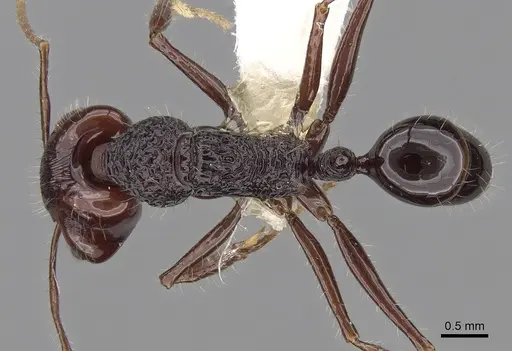
CASENT0387827
View on AntWeb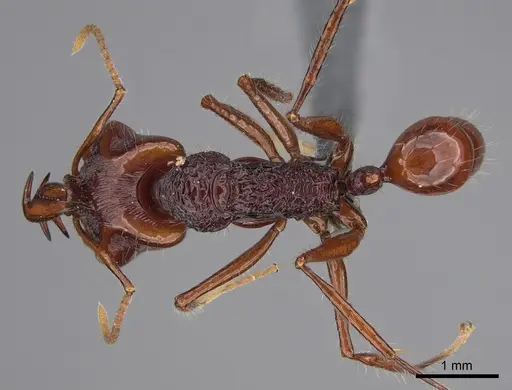
CASENT0635363
View on AntWeb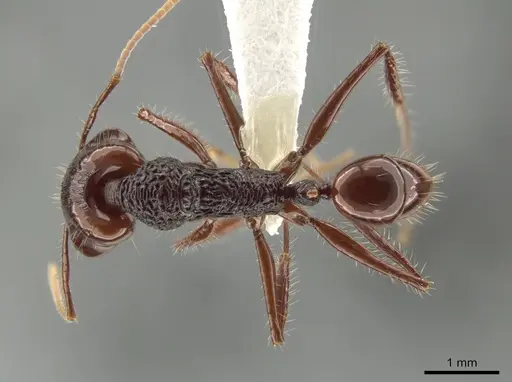
CASENT0905743
View on AntWeb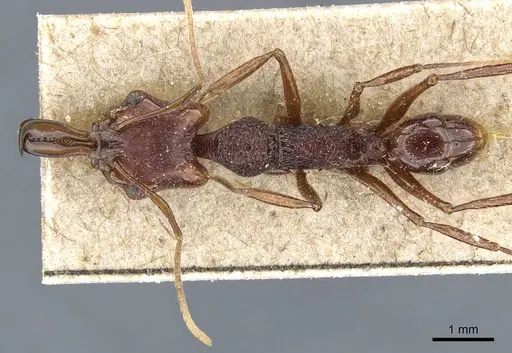
SEMUT20160627A
View on AntWeb
SEMUT20160711B
View on AntWeb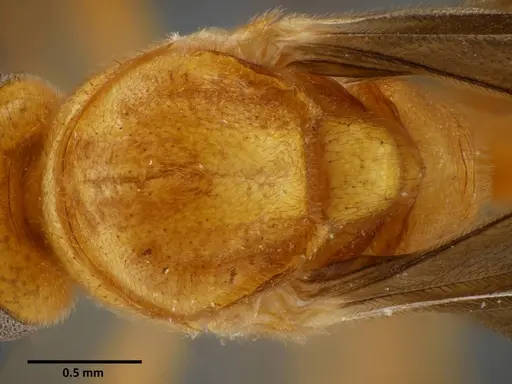
Literature
Loading...Loading products...