

Anochetus punctaticeps
- Scientific Name
- Anochetus punctaticeps
- Tribe
- Ponerini
- Subfamily
- Ponerinae
- Author
- Mayr, 1901
- Distribution
- Found in 2 countries
Anochetus punctaticeps Overview
Anochetus punctaticeps is an ant species of the genus Anochetus. It is primarily documented in 2 countries , including Tanzania, United Republic of, South Africa. Detailed taxonomic data and occurrence records can be further explored via authoritative databases such as AntWeb or the Global Biodiversity Information Facility (GBIF).
Anochetus punctaticeps
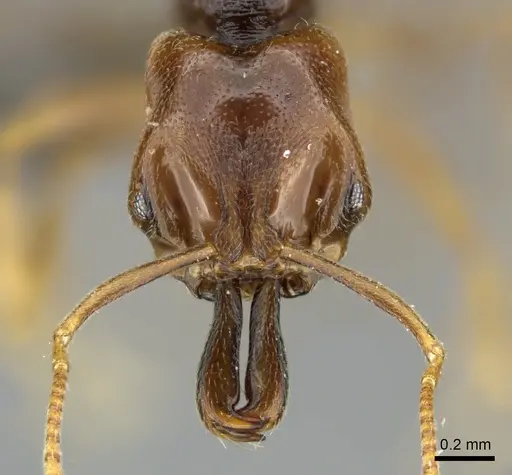
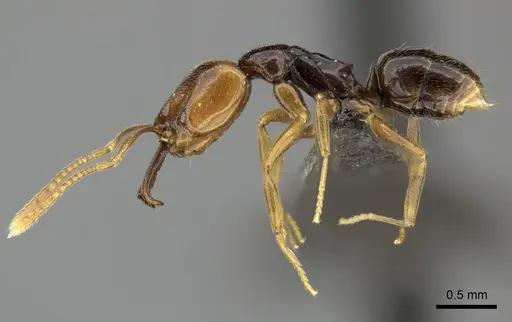
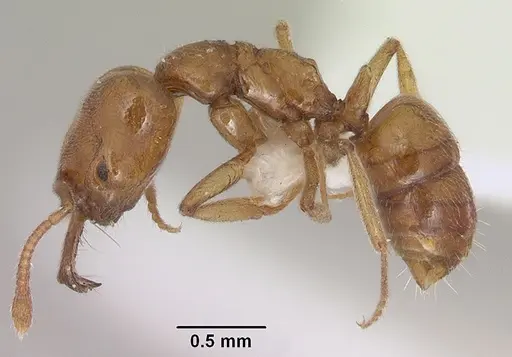
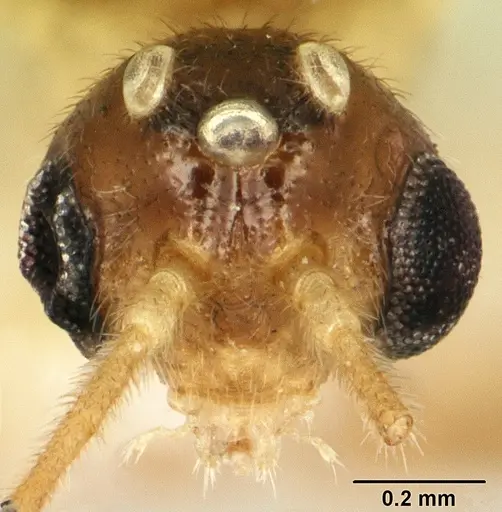
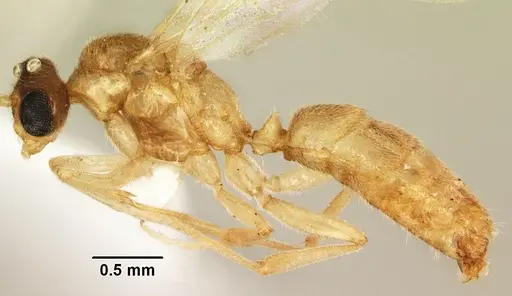
Anochetus punctaticeps is an ant from the Democratic Republic of Congo [1]. Checklist records place them in the Haut-Uélé, Mai-Ndombe, and Tshopo provinces [1]. As a member of the trap-jaw genus Anochetus, they likely possess spring-loaded mandibles for hunting prey, though this remains unconfirmed for this specific species. Their size, coloration, and natural history have not been documented in available research.
Quick Summary
- Difficulty: Expert
- Origin & Habitat: Democratic Republic of Congo (Haut-Uélé, Mai-Ndombe, Tshopo provinces) [1]. Specific habitat preferences are unknown.
- Colony Type: Unknown, likely single-queen based on typical Anochetus patterns, but unconfirmed
- Size & Growth:
- Queen: Unknown
- Worker: Unknown
- Colony: Unknown
- Growth: Unknown
- Development: Unknown (No development studies available for this species)
- Antkeeping:
- Temperature: Requirements are unconfirmed. As a tropical species, start around 24-26°C and adjust based on colony activity.
- Humidity: Requirements are unconfirmed. Likely needs moderate to high humidity based on tropical origin.
- Diapause: No, tropical species do not require winter rest
- Nesting: Unknown. Likely nests in soil or rotting wood based on typical Anochetus patterns.
- Behavior: Specific behaviors are unconfirmed. Likely predatory. Escape risk is unknown.
- Common Issues: no species-specific care data exists, keeping this species requires experimental approaches and colony failure is likely, tropical origin means they likely cannot tolerate cool or dry conditions, unknown founding type makes queen care unpredictable, she may need to forage or may seal herself in
Distribution and Records
Anochetus punctaticeps is currently known only from checklist records in the Democratic Republic of Congo. The species has been documented from three provinces: Haut-Uélé (HU), Mai-Ndombe (MN), and Tshopo (TO) [1]. These records reference older taxonomic works by Forel (1916), Wheeler (1922b), Santschi (1923), Brown (1964c), and Brown (1978), but specific collection details and habitat descriptions from these historical sources are not summarized in recent literature.
Biology and Natural History
Specific details about the biology of Anochetus punctaticeps remain undocumented. The genus Anochetus is known for trap-jaw mandibles used in prey capture and defense, but whether this species exhibits these behaviors is unknown. Colony size, nesting preferences, and dietary habits have not been studied. Based on their equatorial distribution, they likely experience stable tropical conditions year-round without seasonal dormancy.
Captive Care Guidelines
Keeping Anochetus punctaticeps requires an experimental approach due to the absence of species-specific care data. If you obtain a colony, maintain them in a secure, humid setup with temperatures around 24-26°C. Provide small live prey appropriate to their body size. Based on typical Anochetus patterns, founding queens may need to forage, so offer food during the founding stage. Monitor closely for stress indicators, as ideal conditions are unknown.
Conservation and Legal Status
The conservation status of Anochetus punctaticeps is unknown. They are native to the Democratic Republic of Congo and have not been documented as introduced elsewhere. Do not release any captive colonies outside their native range. [1]
Frequently Asked Questions
Where is Anochetus punctaticeps found?
They are recorded from the Democratic Republic of Congo, specifically the Haut-Uélé, Mai-Ndombe, and Tshopo provinces [1].
How big are Anochetus punctaticeps workers?
Worker size has not been documented in available literature.
Do Anochetus punctaticeps need hibernation?
No, as a tropical species from equatorial Africa, they do not require diapause or winter rest.
Are Anochetus punctaticeps good for beginners?
No, they are only suitable for expert keepers due to the complete absence of species-specific care information.
What do Anochetus punctaticeps eat?
Diet is unconfirmed. Based on typical Anochetus patterns, they likely prey on small arthropods, but specific acceptance is unknown.
How long until Anochetus punctaticeps eggs become workers?
Development time is unknown.
Can I keep Anochetus punctaticeps in a test tube?
Unknown, but test tubes may work for small species. Monitor for mold and flooding.
When should I move Anochetus punctaticeps to a formicarium?
Unknown. Wait until the colony has at least 20-50 workers, or until they outgrow their founding setup.
Can I keep multiple Anochetus punctaticeps queens together?
Not recommended. Combining unrelated queens of this species has not been documented and likely leads to fighting.
Why are my Anochetus punctaticeps dying?
Likely due to unknown care requirements. Check temperature (keep warm around 24-26°C), humidity (keep damp), and feeding (offer small live prey).
References

This caresheet is licensed under CC BY-SA 4.0 .
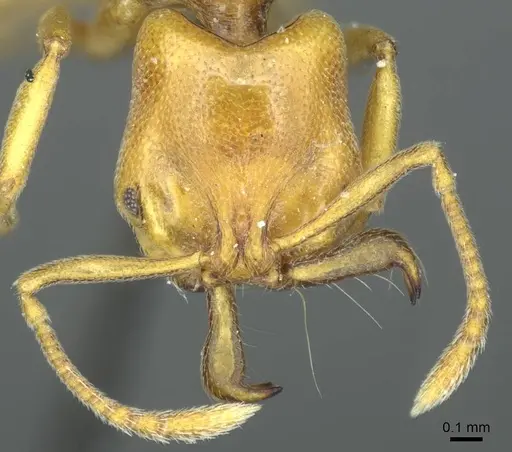
CASENT0235365
View on AntWeb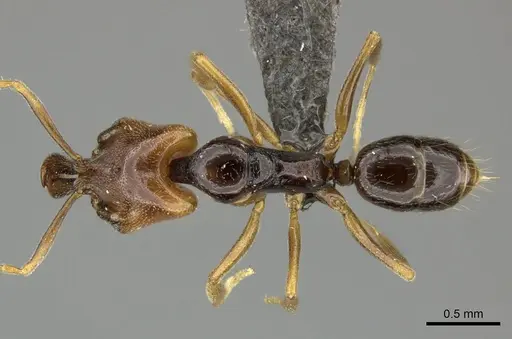
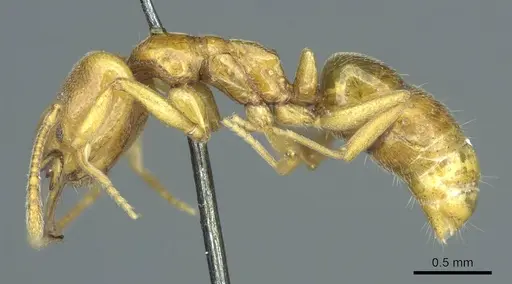
CASENT0395033
View on AntWeb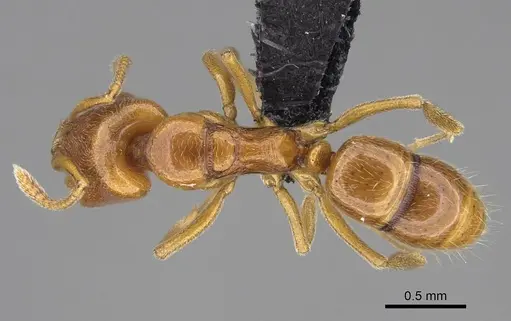
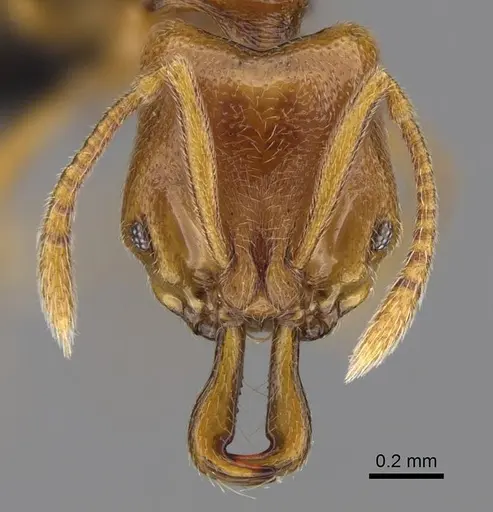
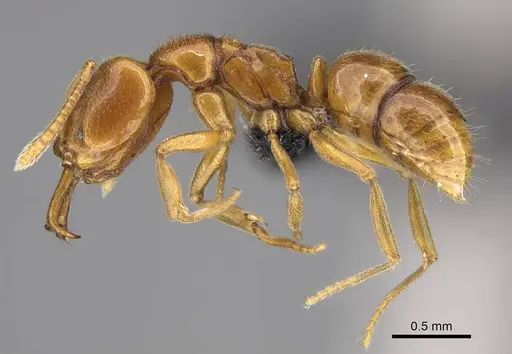
CASENT0820826
View on AntWeb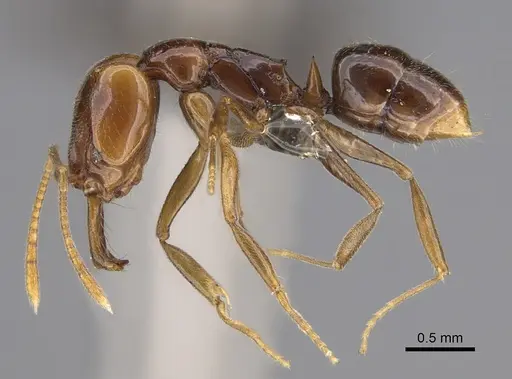
CASENT0915894
View on AntWeb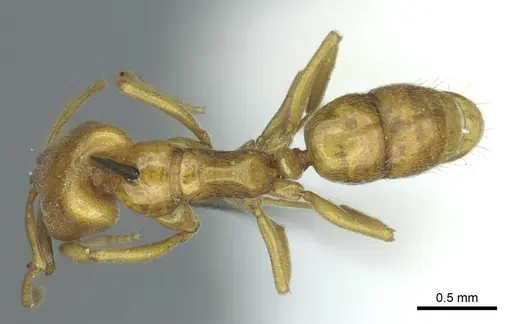
SAM-HYM-C007206A
View on AntWeb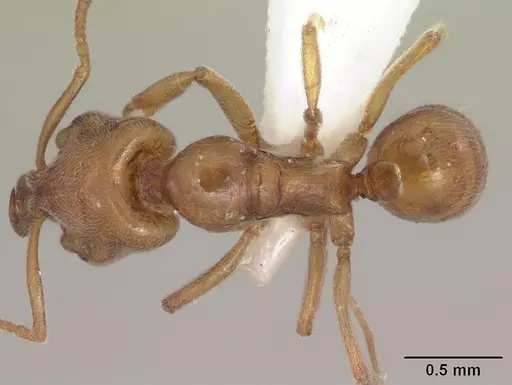
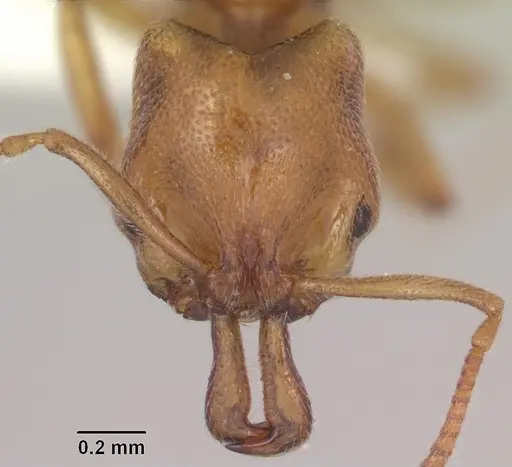
SAM-HYM-C007206B
View on AntWeb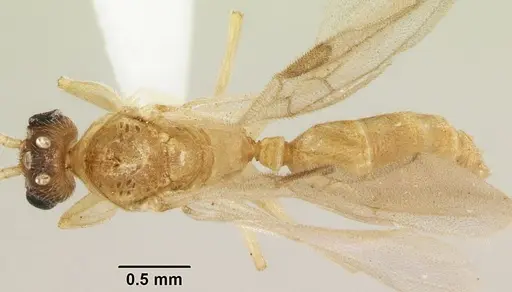
Literature
Loading...Loading products...