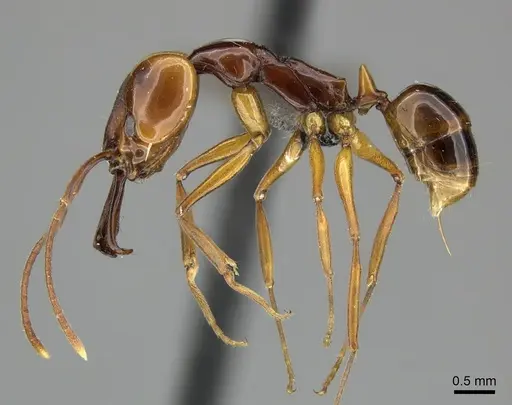
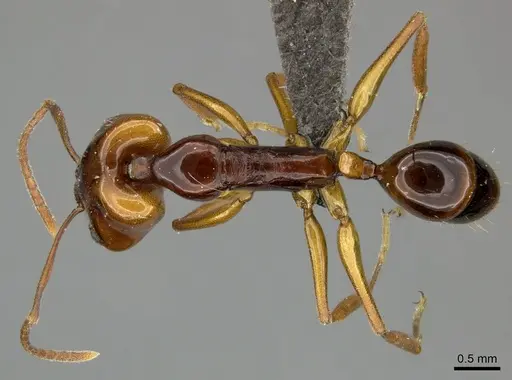
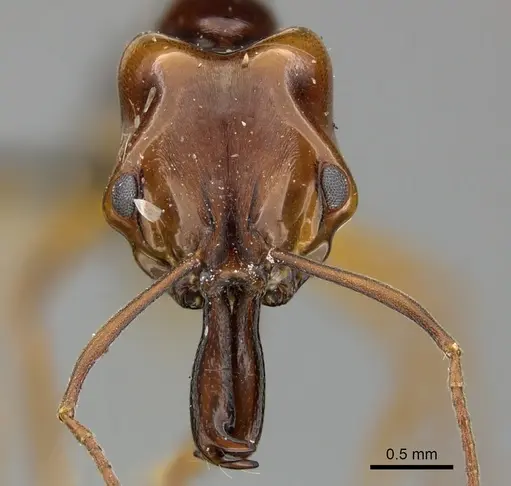
Anochetus obscuratus - "Trap-jaw Ant"
Anochetus obscuratus is a fascinating species of trap-jaw ant belonging to the Ponerinae subfamily. These ants are known for their incredibly fast-snapping mandibles, which can open up to 180 degrees and snap shut with remarkable speed to catch prey or even propel themselves to escape danger. Workers are slender and typically small to medium-sized, though specific size ranges for A. obscuratus can vary. Queens are similar to workers but usually slightly larger and winged before founding. This species, like others in the Anochetus genus, is predatory, primarily hunting small invertebrates.
- Difficulty: Medium
- Origin & Habitat: Africa (Central African Republic, Democratic Republic of Congo, Gabon, Guinea, Kenya, Tanzania, Uganda). in Primary and montane forests, tropical rainforests, found in leaf litter and rotten logs..
- Colony Type: Monogyne, semi-claustral founding.
- Size & Growth:
- Queen: 4.0-5.0mm
- Worker: 3.0-12.0mm
- Colony: Small (hundreds). Medium growth.
- Antkeeping:
- Temperature: Keep them between 21-30°C for thriving colonies, with 22-26°C being a sweet spot for faster growth..
- Humidity: The nest area should be quite humid, ideally ranging from 50-80%, with a target of 70% or slightly lower. The outworld can be slightly drier but should still maintain above 50% humidity, as they are sensitive to lower humidity..
- Diapause: Not required. Not specified at Not specified.
- Nesting: Prefers nests with good moisture retention, such as naturalistic setups with soil or rotten wood, or artificial nests designed to hold humidity..
- Behavior: Medium aggressiveness.
- Common Issues: Humidity fluctuations, Inadequate live prey for hunting, Colony stalling due to improper feeding.
Anochetus obscuratus, like other trap-jaw ants, are ambush predators, utilizing their lightning-fast mandibles to subdue prey. It’s truly something to behold watching them hunt. They are highly aggressive hunters, and providing them with live, small feeder insects will allow you to observe this incredible behavior. However, keep in mind that even with their impressive jaws, they are relatively small and cannot process larger prey like full-sized mealworms, so chop up larger insects for easier consumption.
Humidity is paramount for Anochetus obscuratus. These ants come from tropical rainforest environments, and as such, they require consistent high humidity levels in their nesting area. If the humidity drops too low, especially below 50%, the colony will struggle significantly. Creating a humidity gradient within your formicarium can be beneficial, allowing the ants to choose their preferred moisture level.
While these ants are primarily protein feeders, readily consuming various insects, they are not particularly keen on sugars or fruits. They also aren't efficient at storing food in their nests, so regular feeding of protein-rich insects is crucial. Aim to provide food at least once a week to a week and a half. Leaving them without food for two weeks or more, especially protein, is generally too long.
Colony sizes for Anochetus obscuratus tend to be on the smaller side compared to some other ant species, typically ranging from a few hundred workers. In captivity, reaching optimal conditions might allow for slightly larger numbers, but it’s uncommon for a single queen to sustain more than 600 workers. While generally monogyne, there have been rare instances of polygyny observed in the wild and captivity under specific conditions.
Frequently Asked Questions
What makes Anochetus obscuratus unique?
Anochetus obscuratus is renowned for its incredible trap-jaw mandibles, which can snap shut at extremely high speeds. This unique adaptation is used for both capturing prey and as an escape mechanism, allowing them to jump away from threats. Watching their hunting prowess is a highlight for many antkeepers.
What is the ideal temperature for keeping Anochetus obscuratus?
These tropical ants thrive in temperatures between 21°C and 30°C. For optimal growth and colony health, many antkeepers find that a consistent temperature range of 22°C to 26°C works best. Avoiding extreme fluctuations is key for their well-being.
How important is humidity for Anochetus obscuratus?
Humidity is extremely important for Anochetus obscuratus. Coming from rainforest habitats, they require high humidity in their nest, ideally around 70%. The outworld should also be kept above 50% humidity. They are quite sensitive to dry conditions, and insufficient humidity can quickly lead to colony decline.
What do Anochetus obscuratus eat?
Anochetus obscuratus are primarily predatory ants and have a strong preference for protein. They love live, small insects like fruit flies or chopped-up mealworms and crickets. While they might occasionally take sugary foods, their main diet should consist of protein. They aren't good at storing food, so regular protein meals are essential.
What kind of nest is best for Anochetus obscuratus?
To mimic their natural nesting sites in rotten wood and leaf litter, formicaria that allow for high humidity are ideal. This includes naturalistic setups with moist substrate like loam or specialized acrylic nests with large hydration reservoirs. The goal is to maintain that crucial humidity within the nest.
Are Anochetus obscuratus good for beginner antkeepers?
While captivating, Anochetus obscuratus can be considered a 'Medium' difficulty species due to their specific humidity and feeding requirements. Beginners might find their strict climate needs challenging to maintain consistently, but dedicated hobbyists will find them a rewarding species to keep.
Do Anochetus obscuratus sting or bite?
Yes, Anochetus obscuratus workers possess a sting, which they use to subdue their prey. While they can sting, their primary defensive mechanism with their fast mandibles is often to jump or snap. Their aggressiveness towards handlers is generally low, but caution is always advised.
How large do Anochetus obscuratus colonies get?
Anochetus obscuratus colonies are typically on the smaller side, usually numbering in the hundreds of workers. While some may reach up to 600 workers under perfect conditions in captivity, they do not form the massive colonies seen in some other ant species.
Is diapause required for Anochetus obscuratus?
No, Anochetus obscuratus is a tropical species and does not require a diapause (winter hibernation period). Maintaining consistent warm temperatures and high humidity year-round is important for their continuous development.
How fast is the growth rate of an Anochetus obscuratus colony?
The colony growth rate for Anochetus obscuratus is considered medium. While they won't explode in numbers overnight, a healthy colony with consistent feeding and optimal environmental conditions will see steady development of brood and an increase in worker count over time.
Can I keep multiple Anochetus obscuratus queens together?
Anochetus obscuratus is predominantly a monogyne species, meaning colonies are typically founded and sustained by a single queen. While rare instances of polygyny (multiple queens) have been observed in specific wild and captive scenarios, it is not the norm and generally not recommended for stable colony keeping.