

Anochetus micans
- Scientific Name
- Anochetus micans
- Tribe
- Ponerini
- Subfamily
- Ponerinae
- Author
- Brown, 1978
- Distribution
- Found in 6 countries
Anochetus micans Overview
Anochetus micans is an ant species of the genus Anochetus. It is primarily documented in 6 countries , including Belize, Costa Rica, Guatemala. Detailed taxonomic data and occurrence records can be further explored via authoritative databases such as AntWeb or the Global Biodiversity Information Facility (GBIF).
Anochetus micans
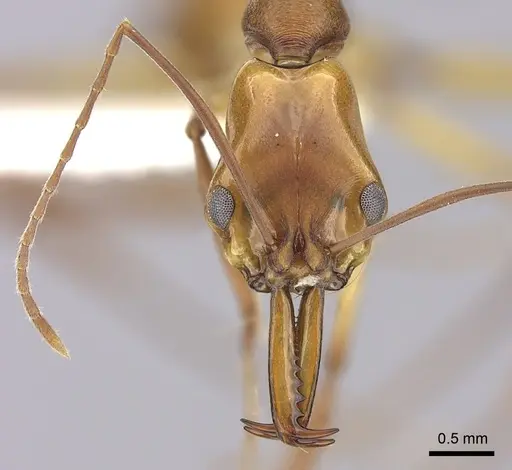
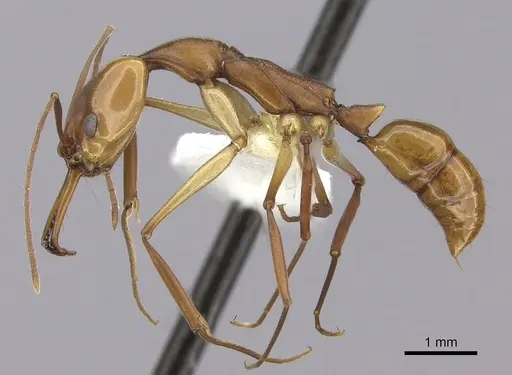
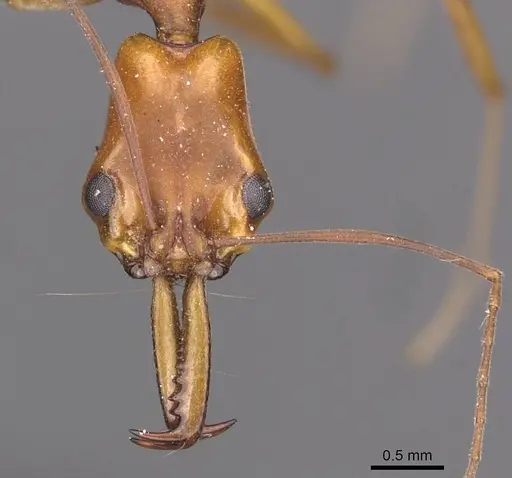
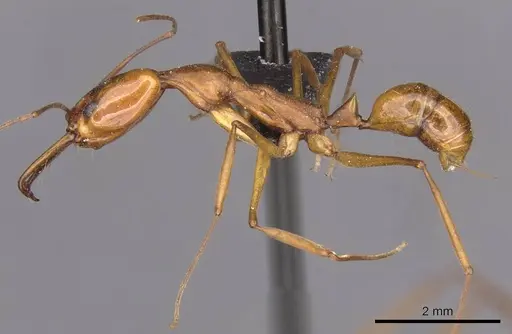
Anochetus micans is a tiny trap-jaw ant from the forests of Central America. Workers measure under 5 millimeters based on genus characteristics [1] and show a light rusty-orange color across their body [2]. They belong to the emarginatus species group, sharing the distinctive long mandibles with two teeth at the tips that snap shut to capture prey [1][3]. In the wild, they nest under rocks, in moss, and inside rotting logs across Costa Rica, Guatemala, Honduras, and surrounding regions [3][4].
These ants are specialist predators. Their trap-jaw mandibles strike with incredible speed to snatch small arthropods [3]. They prefer damp, shaded microhabitats on the forest floor rather than open ground [3]. While they share the genus with larger trap-jaw ants like Odontomachus, Anochetus micans stays small and cryptic, hunting springtails and other minute prey in leaf litter and decaying wood.
Quick Summary
- Difficulty: Expert
- Origin & Habitat: Central American tropical forests including Costa Rica, Guatemala, Honduras, Belize, Bahamas, and Mexico [3][4]. Found at elevations around 1000 meters in Costa Rica [4].
- Colony Type: Unconfirmed, likely single-queen colonies based on typical Anochetus patterns.
- Size & Growth:
- Queen: Likely 4-6 mm based on genus patterns (unconfirmed).
- Worker: Under 5 mm total length [1].
- Colony: Unknown, likely small (under 100 workers) based on similar ground-dwelling Anochetus species.
- Growth: Slow (estimated).
- Development: Unknown, likely 6-10 weeks based on related tropical Ponerinae patterns. (Timeline is estimated. Tropical temperatures around 25-28°C likely required for development.)
- Antkeeping:
- Temperature: 24-28°C (warm tropical conditions). Start at 25°C and adjust based on activity levels.
- Humidity: High humidity required, keep nest substrate damp but not waterlogged, similar to moss or rotting wood conditions [3].
- Diapause: No, this is a tropical species that does not hibernate [4].
- Nesting: Small naturalistic setups with rotting wood, moss, or flat stones, tight chambers scaled to their tiny size [3].
- Behavior: Cryptic predator that uses trap-jaw mandibles to hunt small prey [3]. Generally shy and non-aggressive toward humans due to small size. Forages in leaf litter and damp microhabitats.
- Common Issues: tiny size means escapes are extremely likely without fine mesh barriers and excellent sealant., specialized predatory diet may reject standard ant foods like honey or large insects., high humidity requirements can lead to mold if ventilation is inadequate., limited research means troubleshooting common problems is difficult.
Nest Preferences
In nature, Anochetus micans nests under rocks, in moss, inside fallen logs, and in decaying wood [3]. They prefer tight, humid spaces on the forest floor. In captivity, replicate these conditions with a small naturalistic setup. Use a container with flat stones, sphagnum moss, or pieces of rotting wood. You can also use a mini-hearth or small plaster nest with very narrow chambers.
Because these ants are tiny, avoid large open spaces. They feel secure in small crevices. Keep the substrate damp but not soaking, it should feel like a wrung-out sponge. Provide a slight gradient with one area slightly drier so the colony can choose their preferred humidity.
Feeding and Diet
Anochetus micans is a specialist predator [1]. They hunt using their trap-jaw mandibles, long straight jaws with two teeth at the tip that snap shut with incredible speed to capture prey [1][3]. In captivity, they require small live prey. Offer springtails, tiny fruit flies (Drosophila), or newly hatched pinhead crickets. Prey should be small enough that workers can carry them.
These ants may not accept sugar water or honey, as they are adapted for hunting live prey. Watch to ensure they are actually capturing and consuming prey. Remove uneaten dead insects promptly to prevent mold in the humid environment they require.
Temperature and Care
Coming from tropical Central America, Anochetus micans needs warm stable temperatures between 24-28°C [4]. Use a heating cable or heat mat on one side of the nest to create a gradient, placing the heat source on top or side (not underneath) to avoid condensation issues. Start at 25°C and observe, if workers cluster near the heat, increase slightly, if they avoid it, reduce the temperature.
As a tropical species, they do not require hibernation (diapause). Maintain consistent temperatures year-round. Sudden drops below 20°C may stress the colony or halt brood development.
Behavior and Temperament
These ants are cryptic and secretive, spending much of their time hidden in nest chambers or foraging quietly in leaf litter. When hunting, they use their trap-jaw mandibles to strike prey with lightning speed [3]. They are not aggressive toward humans and their sting (if present) is too small to penetrate human skin effectively.
Workers are solitary hunters rather than cooperative foragers. You may see individual workers wandering with their mandibles held open, ready to snap shut on any small prey they encounter. They are not escape artists in the sense of climbing smooth surfaces, but their tiny size means they can squeeze through gaps that larger ants cannot.
Size and Identification
Anochetus micans is small even by trap-jaw standards. Workers measure under 5 millimeters in total length [1]. Their bodies are light ferruginous, a rusty orange-brown color [2]. The pronotum (the segment behind the head) shows distinct striations on at least the front half [2]. The mandibles are long and straight with two teeth at the apex, and the back of the head ends in a U-shape [1].
Note that this species belongs to the emarginatus group and may be difficult to distinguish from related species without close examination of microscopic sculpture details [2].
Frequently Asked Questions
Can I keep Anochetus micans in a test tube?
Yes, but use very small test tubes (10mm or less) as these ants are tiny. Standard test tubes may be too large and open for their comfort. Ensure the water reservoir is small to prevent flooding, and provide a dark cover as they prefer cryptic conditions.
How long until Anochetus micans gets their first workers?
The egg-to-worker timeline is unconfirmed for this species. Based on related tropical Ponerinae ants, expect roughly 6-10 weeks at 25-28°C, but this is an estimate.
Can I keep multiple Anochetus micans queens together?
Not recommended. Combining unrelated queens of this species has not been documented. Most Anochetus species are single-queen colonies, and attempting to house multiple queens together risks fighting and colony failure.
Do Anochetus micans ants need hibernation?
No. This is a tropical species from Central America that remains active year-round. Keep temperatures stable between 24-28°C throughout the year.
Are Anochetus micans good for beginners?
No. These are expert-level ants due to their tiny size (high escape risk), specialized predatory diet requirements, tropical heating needs, and limited available care information. They are best suited for experienced keepers familiar with small Ponerinae.
How do I prevent Anochetus micans from escaping?
Escape prevention is critical. These ants are under 5mm and can squeeze through tiny gaps. Use fine mesh (stainless steel 0.5mm or finer) for ventilation, apply Fluon or PTFE barrier to the upper walls of their enclosure, and ensure all lids fit tightly with no gaps. Check seals regularly.
What do Anochetus micans eat?
They are specialist predators that hunt small live prey. Feed them springtails, tiny fruit flies, or pinhead crickets. They use their trap-jaw mandibles to capture prey. They may not accept sugar water or dead insects.
What is the best nest type for Anochetus micans?
Small naturalistic setups work best. Use containers with flat stones, sphagnum moss, or pieces of rotting wood. If using a formicarium, choose one with very small chambers and tight spaces. Avoid large open areas.
Why are my Anochetus micans dying?
Common causes include: escapes (check your barrier), incorrect diet (they need small live prey, not honey or large insects), temperature too low (they need 24-28°C), or humidity issues (substrate too dry or too wet causing mold). These are sensitive ants with little room for error.
References

This caresheet is licensed under CC BY-SA 4.0 .
CASENT0260499
View on AntWeb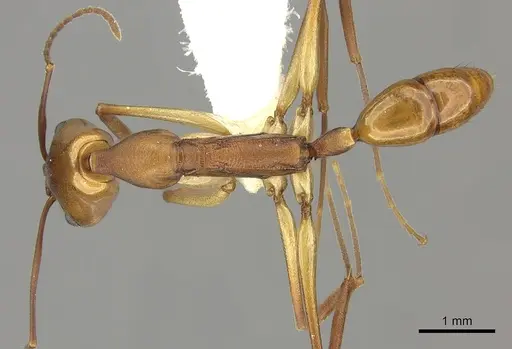
CASENT0907420
View on AntWeb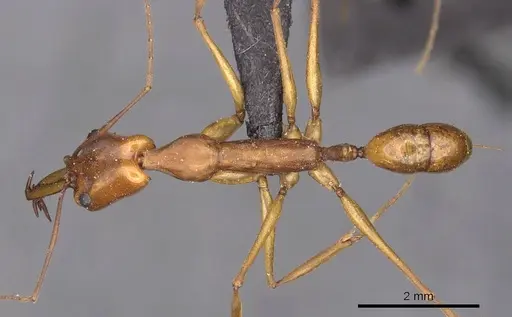
Literature
Loading...Loading products...