

Anochetus mayri
- Scientific Name
- Anochetus mayri
- Tribe
- Ponerini
- Subfamily
- Ponerinae
- Author
- Emery, 1884
- Common Name
- Ant
- Distribution
- Found in 22 countries
Anochetus mayri Overview
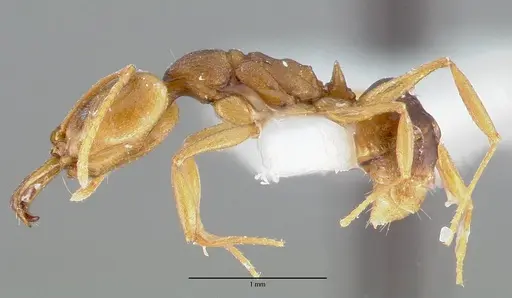
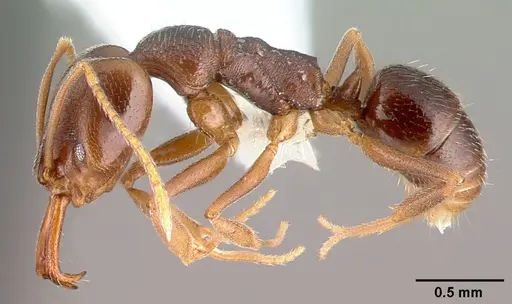
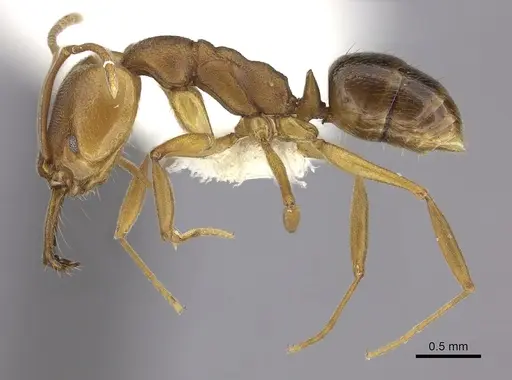
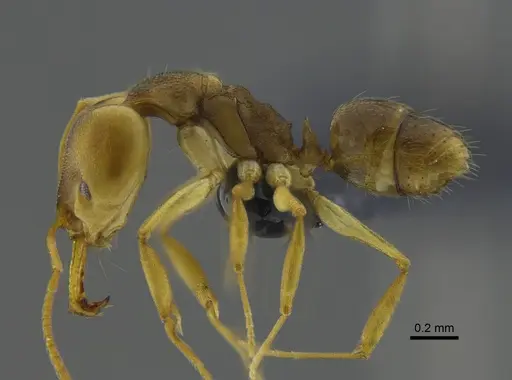
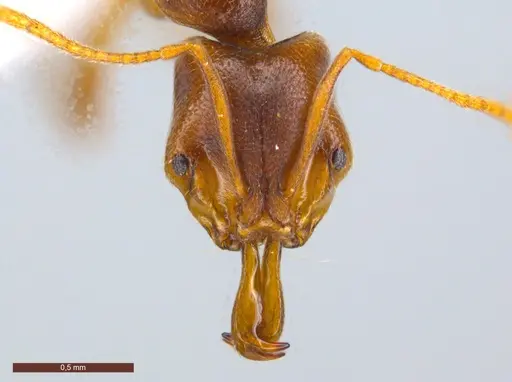
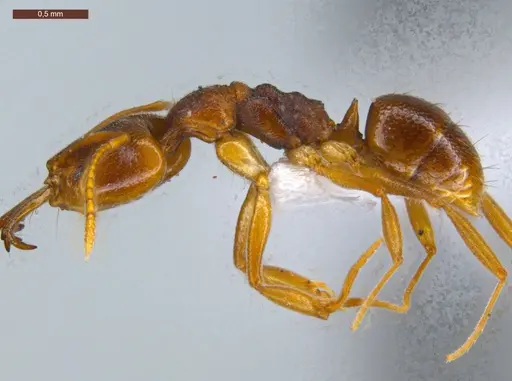
Anochetus mayri (commonly known as the Ant) is an ant species of the genus Anochetus. It is primarily documented in 22 countries , including Barbados, Brazil, Colombia. Detailed taxonomic data and occurrence records can be further explored via authoritative databases such as AntWeb or the Global Biodiversity Information Facility (GBIF).
Anochetus mayri - "Ant"
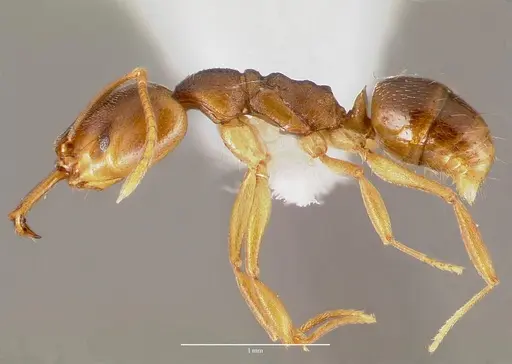
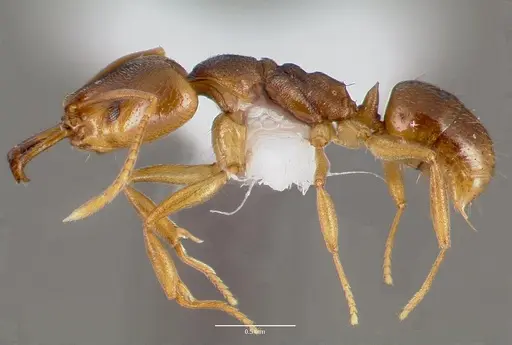
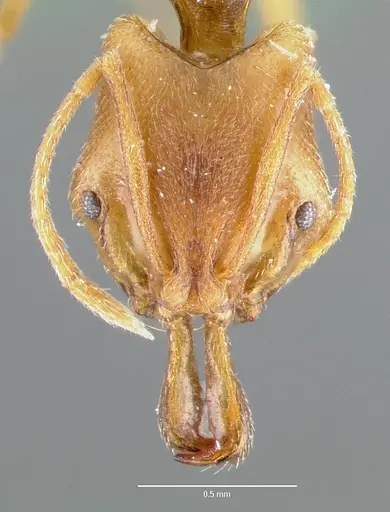
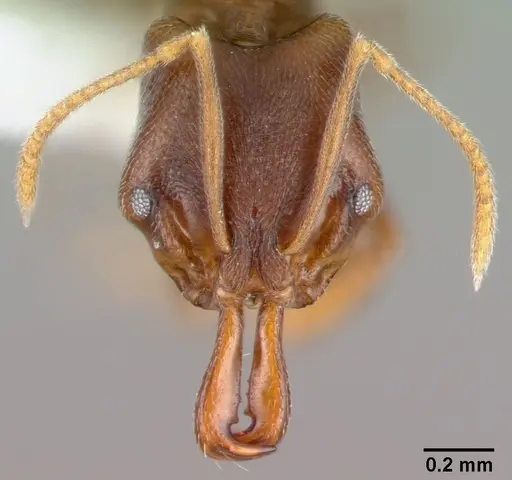
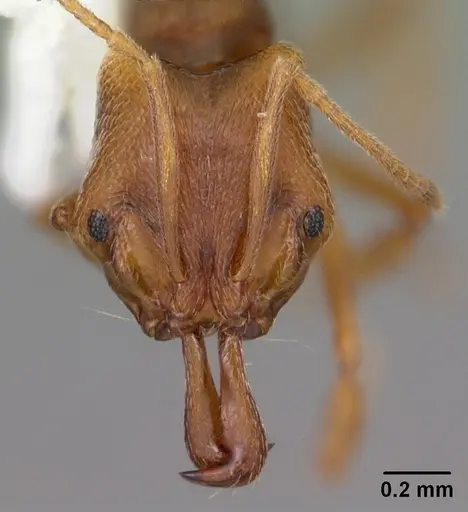
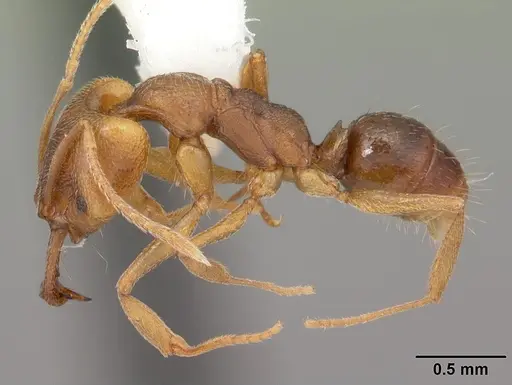
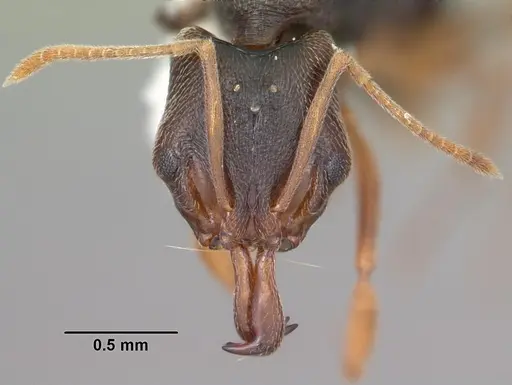
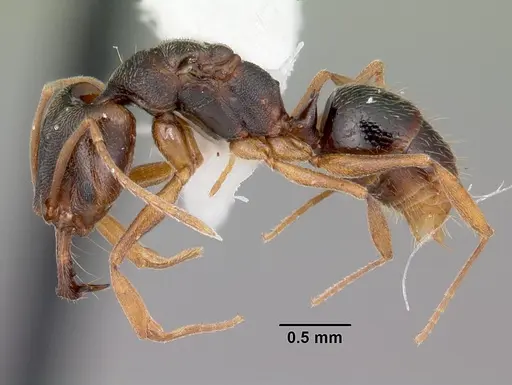
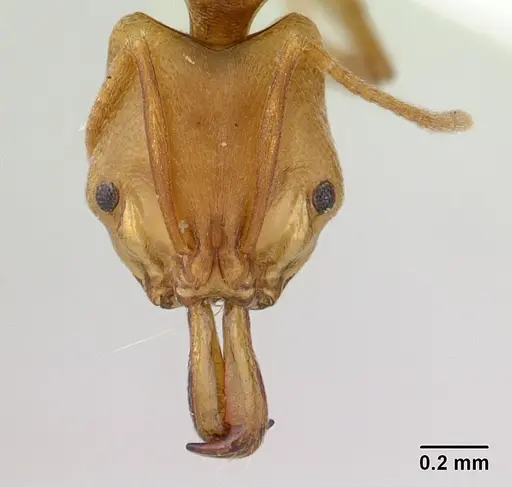
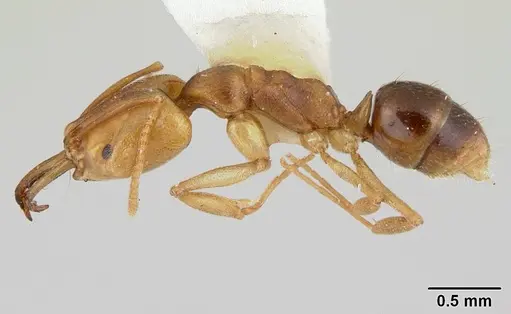
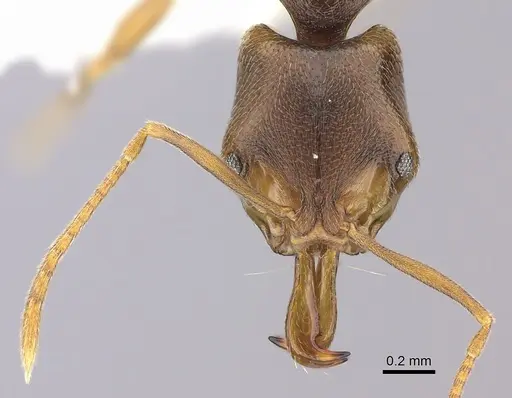
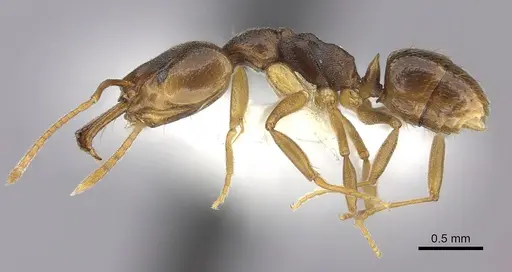
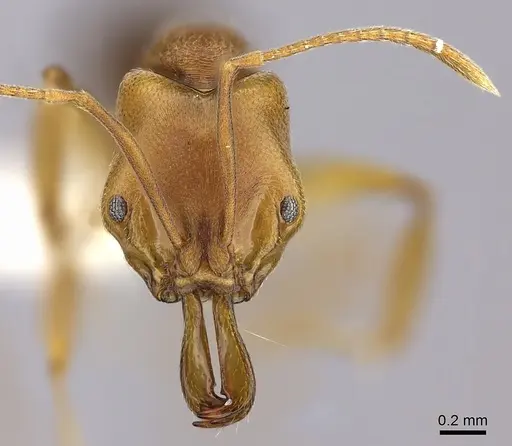
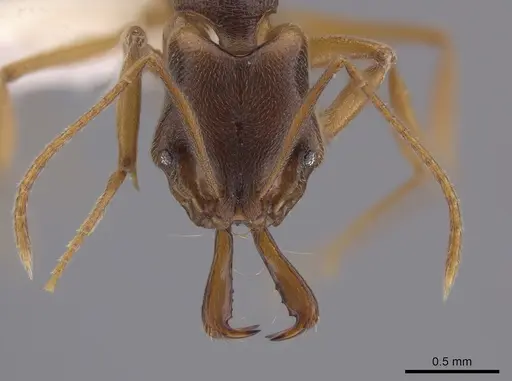
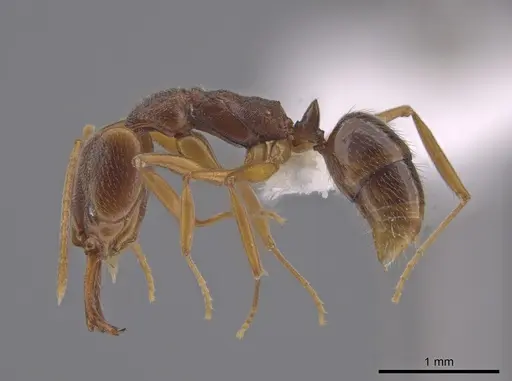
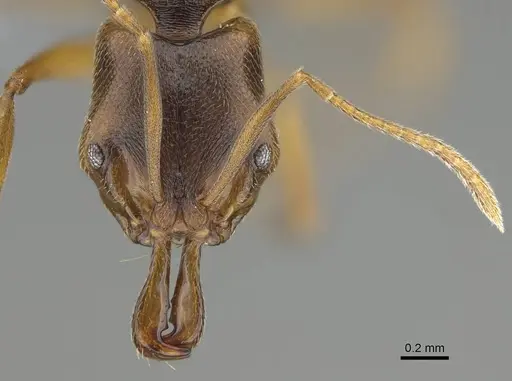
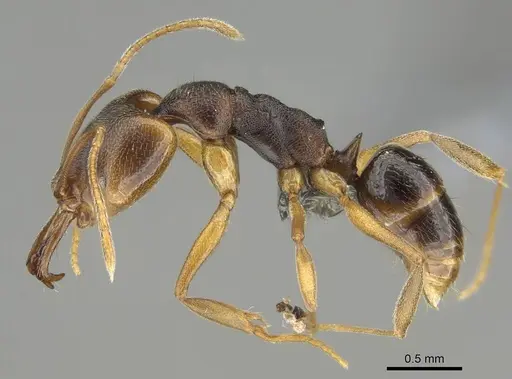
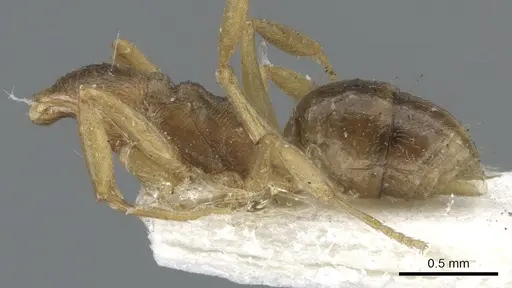
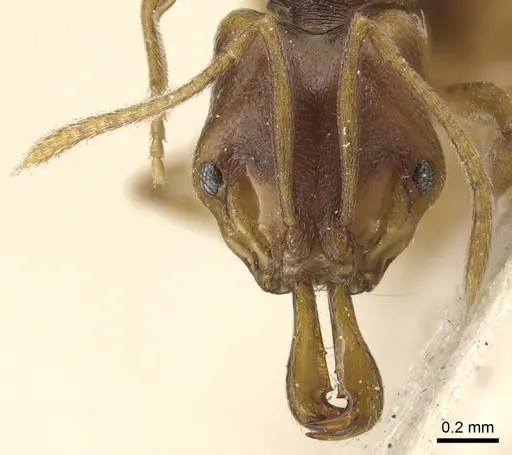
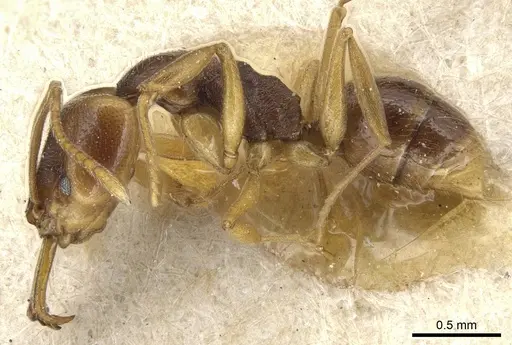
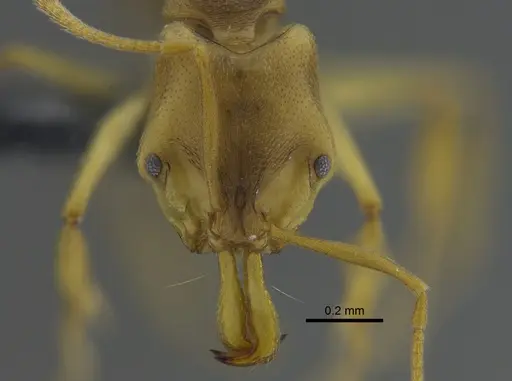
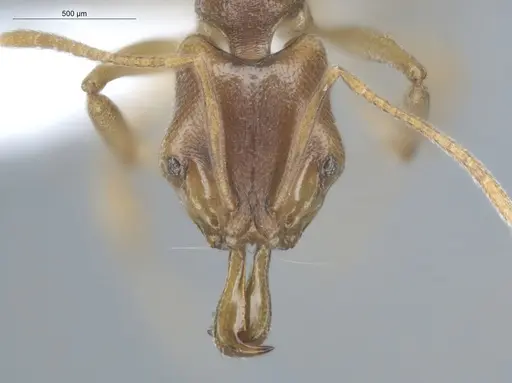
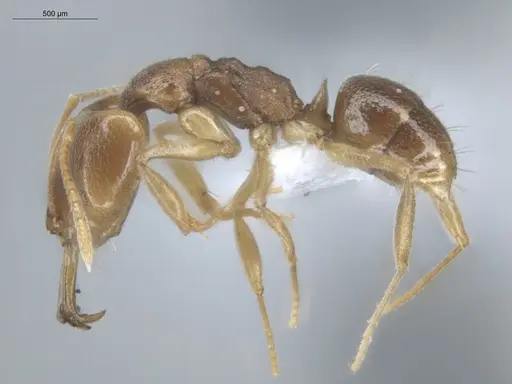
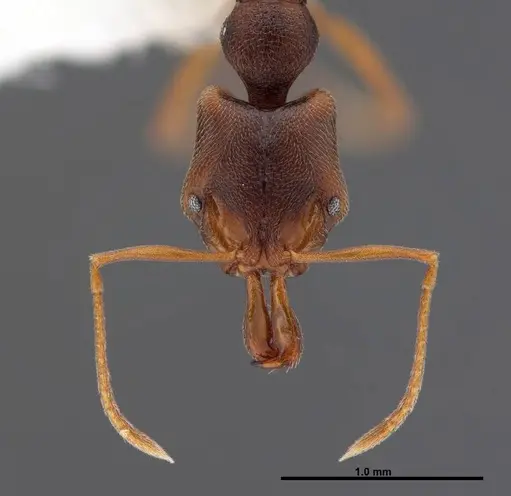
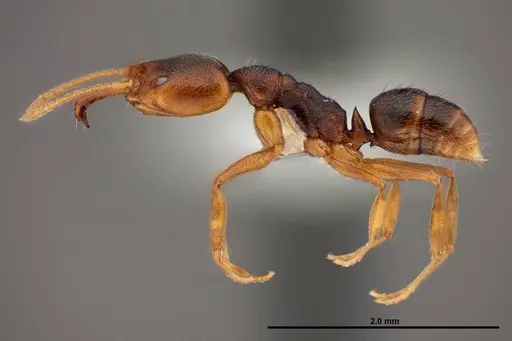
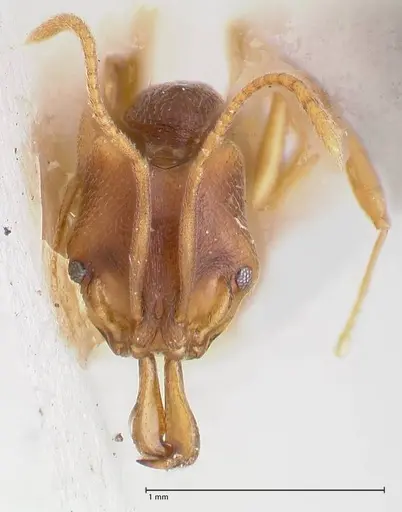
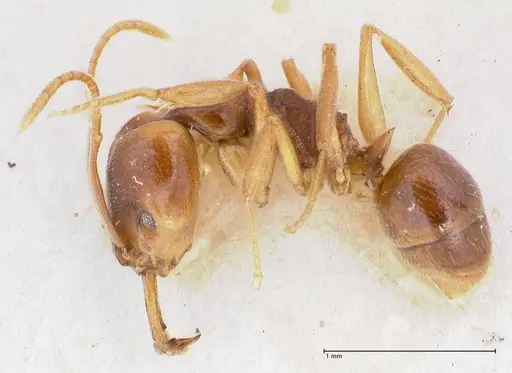
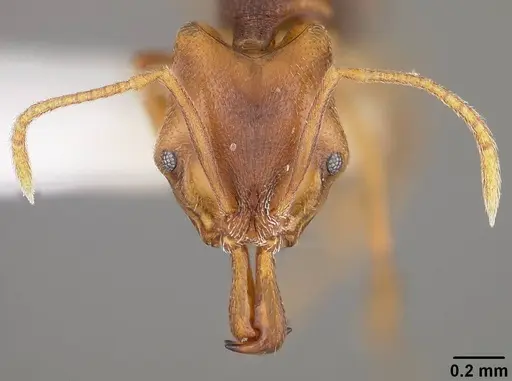
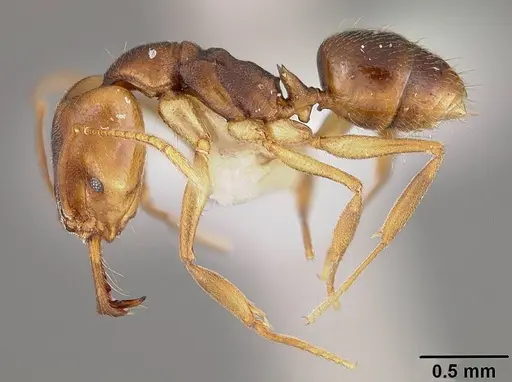
Anochetus mayri is a tiny trap-jaw ant native to the Neotropics, found from Mexico and the Caribbean through Central America to Brazil [1][2]. Workers measure just 2.5 to 3.75 mm and carry long, straight mandibles with two teeth at the tip that snap shut at remarkable speed to capture prey [3][4][5]. They live in small colonies of only about a dozen individuals, hiding in leaf litter, under stones, or inside rotting wood in forests and shaded coffee plantations [6][2].
What makes this species unusual is that the queens are typically wingless (apterous), with fully winged forms being rare [6]. When disturbed, both workers and queens play dead by curling up and remaining motionless to avoid detection [2][1]. They are specialist predators that hunt small arthropods alone, moving slowly through the leaf litter rather than recruiting nestmates to food [7][8].
Quick Summary
- Difficulty: Expert
- Origin & Habitat: Central and South America, Caribbean, and introduced to Florida, found in leaf litter, rotting wood, and under stones in forests [1][2]
- Colony Type: Single-queen colonies with wingless (apterous) queens [6]
- Colony: Monogyne
- Size & Growth:
- Queen: Approximately 3-4 mm (wingless, slightly larger than workers) [6][3]
- Worker: 2.5-3.75 mm [3][4]
- Colony: Up to 12 workers [6]
- Growth: Slow
- Development: Unknown, likely 8-12 weeks based on similar small Ponerinae (Colonies naturally remain tiny even when mature. Development time not directly studied.)
- Antkeeping:
- Temperature: Keep at 20-25°C. They have low heat tolerance, surviving only 5.5 minutes at 45°C, so avoid overheating [9].
- Humidity: High humidity required, maintain damp leaf litter conditions similar to a forest floor [1][2].
- Diapause: No, tropical species active year-round.
- Nesting: Small naturalistic setups with leaf litter, rotting wood, or tight chambers, avoid large open spaces [2][5].
- Behavior: Cryptic and slow-moving. Play dead when disturbed [2]. Forage singly for small prey [7]. Trap-jaw mandibles used for hunting and defense [5]. Not aggressive toward humans.
- Common Issues: tiny size means they can escape through the smallest gaps, use fine mesh barriers., colonies naturally stay very small (under 20 workers), which may disappoint keepers expecting large colonies., specialist predator diet may refuse standard ant foods like honey water or large prey items., cryptic behavior means they hide constantly and are rarely visible outside the nest.
Nest Preferences in Nature and Captivity
In the wild, Anochetus mayri nests opportunistically in whatever small cavities are available in moist forest habitats. They are found under stones on hillsides, in moss growing on rocks or logs, inside rotten twigs on the forest floor, and within larger pieces of decaying wood [2][5]. In Florida, where they are introduced, they commonly nest in deep leaf litter at the base of pine trees and inside hollow twigs [1][10].
For captive housing, replicate these conditions with a small naturalistic setup. Use a container with a substrate of leaf litter, small pieces of rotting wood, and soil. Provide tiny hiding spots under flat stones or bark. Avoid large open spaces or tall outworlds, these ants prefer tight, secure chambers where they can feel hidden. A test tube setup can work for founding, but add leaf litter or substrate rather than keeping it bare [1].
Feeding and Diet
These ants are specialist predators classified in the specialist predator functional group [8]. In nature, they hunt small arthropods in the leaf litter, foraging singly rather than in groups [7][11]. Their trap-jaw mandibles allow them to capture fast-moving micro-prey [5].
In captivity, feed tiny live prey such as springtails, small fruit flies (Drosophila), or pinhead crickets. They may not accept dead prey or sugar sources like honey water, as they are adapted for hunting live small arthropods [1]. Offer food sparingly, with colonies of only a dozen workers, overfeeding is easy.
Temperature and Humidity Requirements
As a tropical species from the Caribbean and Central America, Anochetus mayri prefers warm, stable temperatures between 20-25°C [1]. However, they show low heat tolerance, one study found they survive only 5.5 minutes at 45°C, suggesting they prefer cooler, shaded microhabitats within the tropical forest [9]. Avoid placing heating cables directly on their nest.
Humidity should remain high to mimic their leaf litter habitat. Keep the substrate damp but not waterlogged, similar to a forest floor after rain [1][2]. Good ventilation is essential to prevent mold in these moist conditions.
Behavior and Temperament
Anochetus mayri is extremely cryptic. When exposed to light or disturbance, workers and queens immediately play dead (thanatosis), curling up and remaining motionless [2][1]. This makes them difficult to observe and easy to overlook in collections. They are slow-moving ants that forage alone, hunting through leaf litter without recruiting nestmates [7].
They possess trap-jaw mandibles capable of rapid closure for hunting and defense, but they are not aggressive toward humans and their small size means they cannot deliver a noticeable sting or bite [5][1].
Colony Founding and Queen Biology
Unlike most ants, Anochetus mayri queens are typically wingless (apterous), though rare specimens with wing stubs have been found [6]. This suggests they may mate in the nest rather than during nuptial flights, or they may be ergatoid (worker-like) reproductives. Founding behavior has not been documented in scientific studies, so the exact method is unconfirmed. Based on typical Anochetus patterns, queens are likely semi-claustral, meaning they may need to forage during the founding stage. If you obtain a founding queen, offer small live prey regularly and maintain high humidity.
Growth and Development
Colonies remain naturally small, typically comprising only about a dozen individuals even when mature [6]. Growth is slow, and colonies may take years to reach even this modest size. The egg-to-worker development time has not been measured, but based on similar small Ponerinae, expect roughly 8-12 weeks. The larvae are covered with pointed tubercles and resemble those of the larger trap-jaw ant Odontomachus, producing lemon-yellow cocoons with a black spot [6].
Frequently Asked Questions
Can I keep Anochetus mayri in a test tube?
Yes, but add leaf litter or substrate rather than keeping it bare, as they need to feel hidden. Ensure the tube is small and the water reservoir is minimal to prevent flooding.
How long until Anochetus mayri gets its first workers?
The development timeline is unconfirmed. Based on similar small trap-jaw ants, expect approximately 8-12 weeks from egg to worker, but this may vary with temperature.
Do Anochetus mayri ants sting?
They possess a sting typical of the subfamily Ponerinae, but at only 2.5-3.75 mm in size, they are too small to penetrate human skin or cause pain.
What do Anochetus mayri eat?
They are specialist predators requiring small live prey such as springtails, fruit flies, or tiny crickets. They may not accept sugar water or dead insects.
Are Anochetus mayri good for beginners?
No. Their tiny size requires expert escape prevention, their specialist diet can be difficult to maintain, colonies remain very small, and their cryptic behavior makes them hard to observe. They are best for experienced keepers.
Do Anochetus mayri need hibernation?
No. They are a tropical species active year-round and do not require diapause or winter rest.
Why is my Anochetus mayri colony so small?
This is natural. Wild colonies typically contain only about a dozen workers. They are not meant to grow into large colonies like some other species.
Can I keep multiple Anochetus mayri queens together?
Not recommended. They appear to be single-queen species, and combining queens has not been documented. Given their small colony size, they likely do not accept multiple queens.
How do I prevent Anochetus mayri from escaping?
Use extremely fine mesh (fine enough to stop 2.5mm ants) or tight-fitting lids with no gaps. Barriers like Fluon are recommended, but check regularly for wear.
Where do Anochetus mayri nest in the wild?
Under stones, in moss on rocks or logs, in rotten twigs, in decaying wood, and in deep leaf litter at the base of trees.
References

This caresheet is licensed under CC BY-SA 4.0 .
ANTWEB1041415
View on AntWeb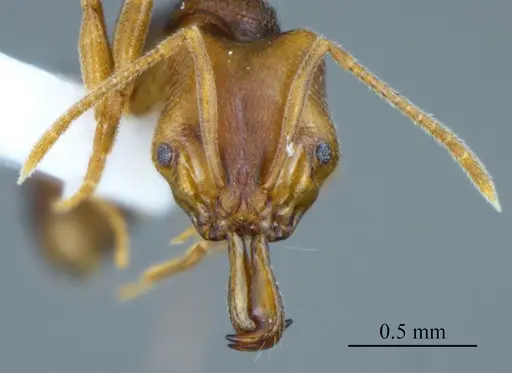
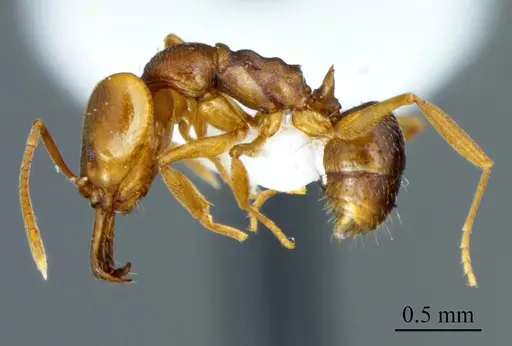
CASENT0003324
View on AntWeb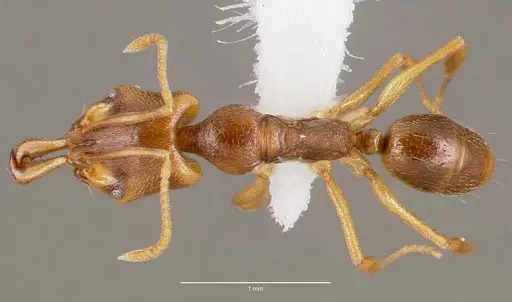
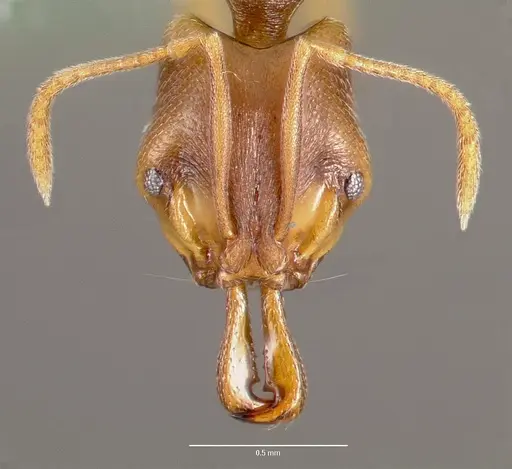
CASENT0006073
View on AntWeb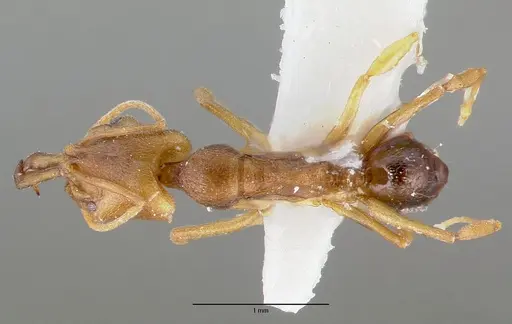
CASENT0010834
View on AntWeb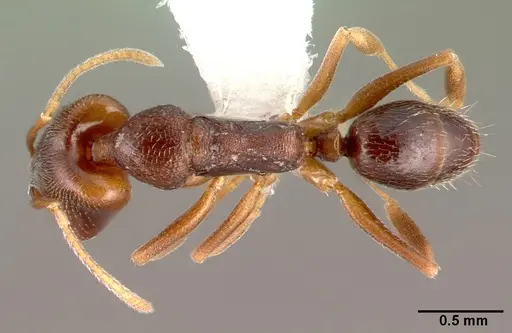
CASENT0103554
View on AntWeb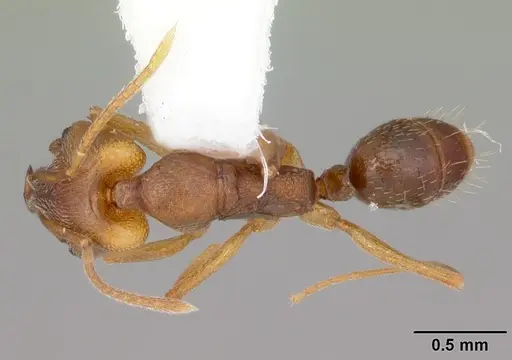
CASENT0103555
View on AntWeb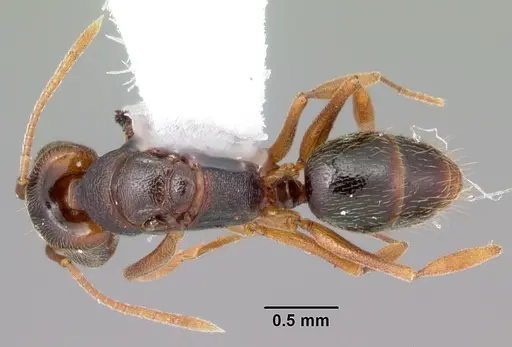
CASENT0178674
View on AntWeb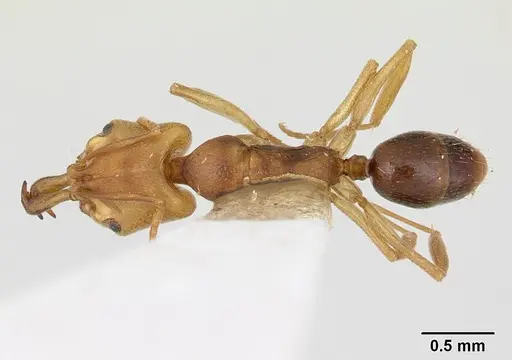
CASENT0260500
View on AntWeb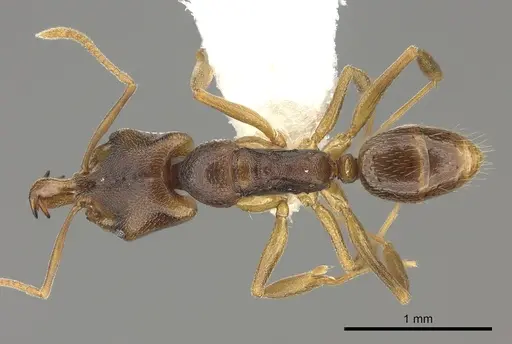
CASENT0260501
View on AntWeb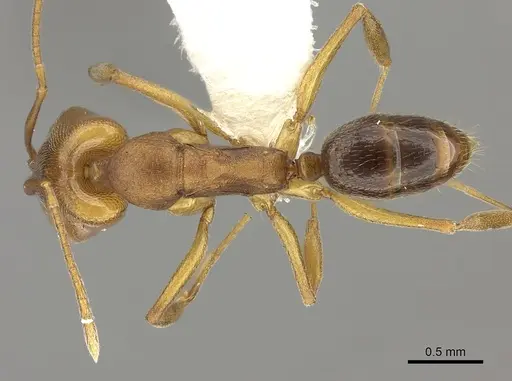
CASENT0633416
View on AntWeb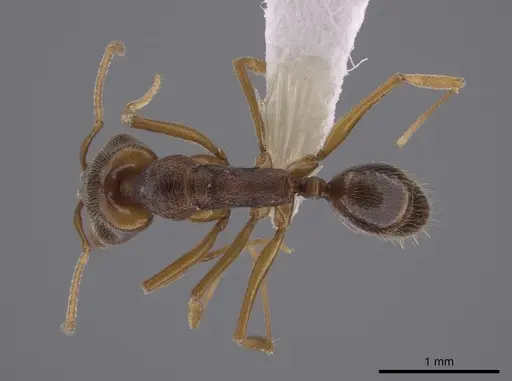
CASENT0767584
View on AntWeb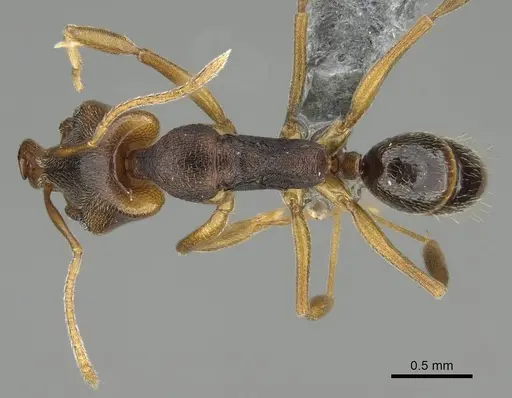
CASENT0902434
View on AntWeb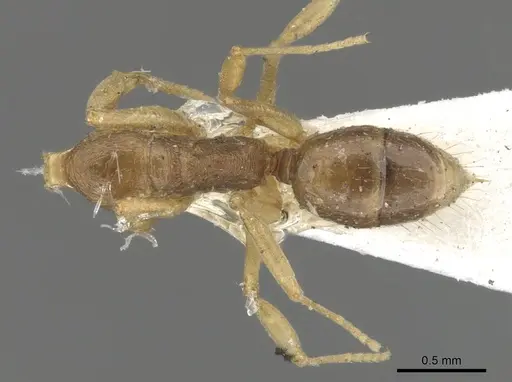
CASENT0903987
View on AntWeb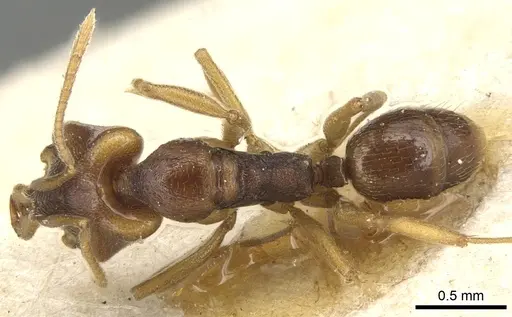
CBUMAGENT41678
View on AntWeb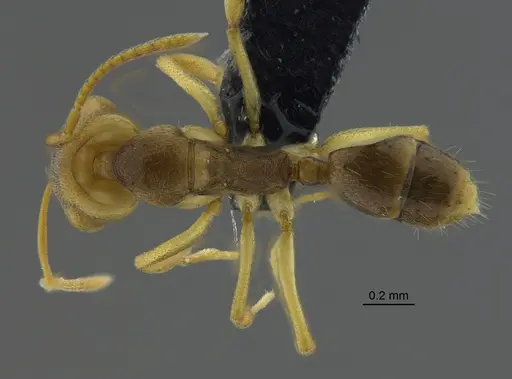
ECOFOG-MI15-0114-14
View on AntWeb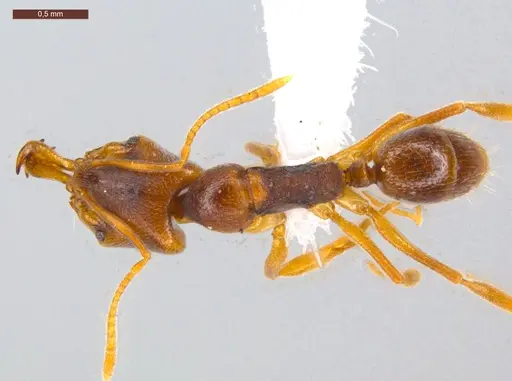
ECOFOG-MI15-0366-17
View on AntWeb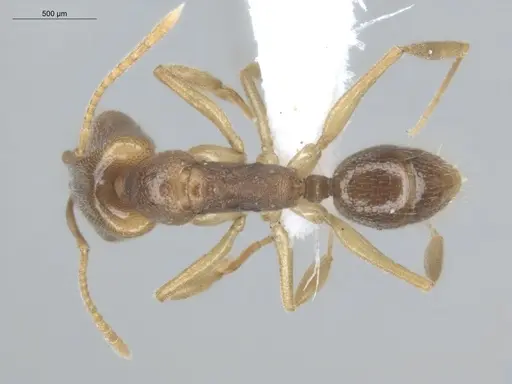
FMNHINS0000088666
View on AntWeb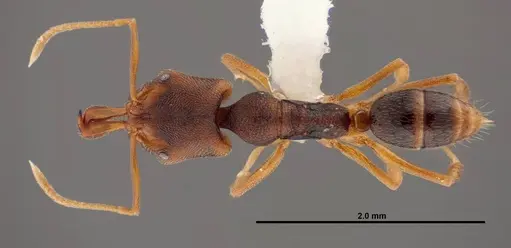
FOCOL1045
View on AntWeb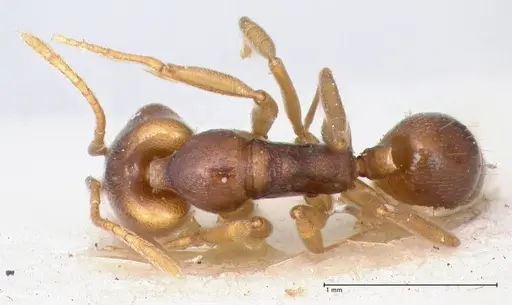
USNMENT00414062
View on AntWeb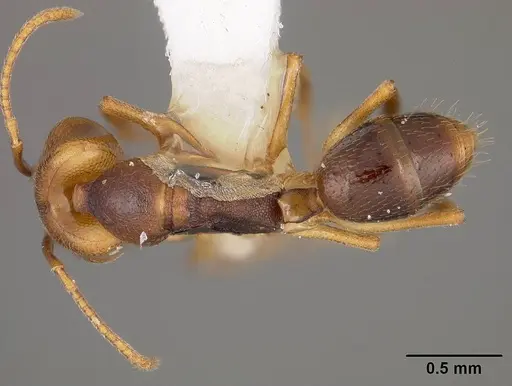
Literature
Loading...Loading products...