

Anochetus longifossatus
- Scientific Name
- Anochetus longifossatus
- Tribe
- Ponerini
- Subfamily
- Ponerinae
- Author
- Mayr, 1897
- Distribution
- Found in 1 countries
Anochetus longifossatus Overview
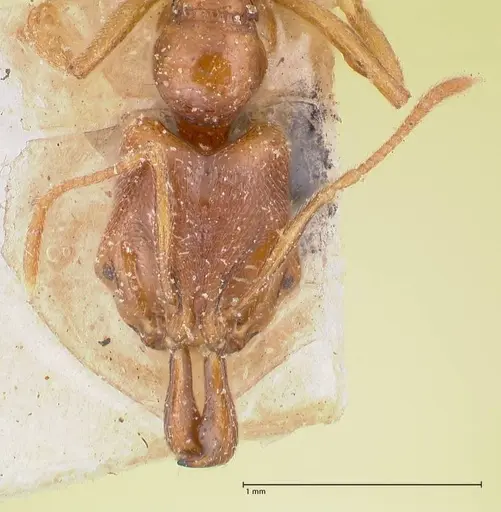
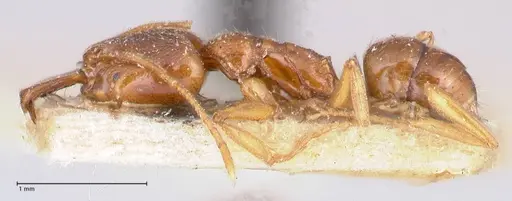
Anochetus longifossatus is an ant species of the genus Anochetus. It is primarily documented in 1 countries , including Sri Lanka. Detailed taxonomic data and occurrence records can be further explored via authoritative databases such as AntWeb or the Global Biodiversity Information Facility (GBIF).
Anochetus longifossatus
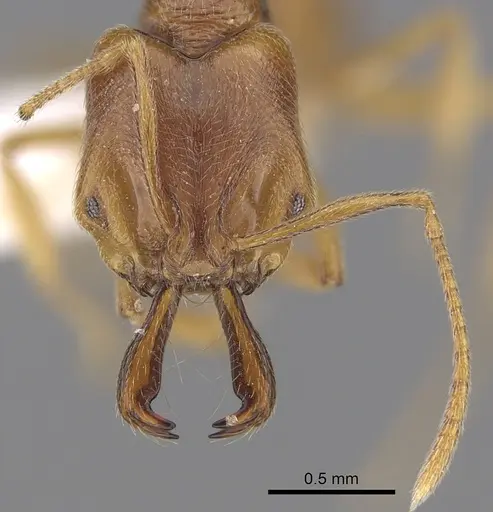
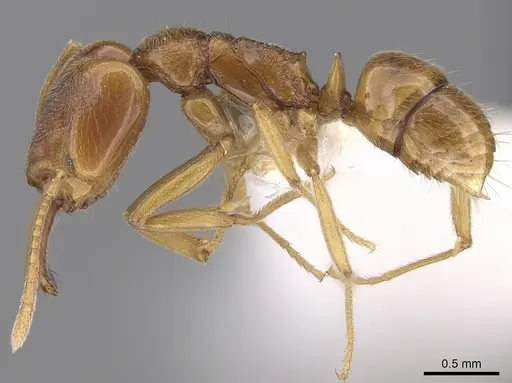
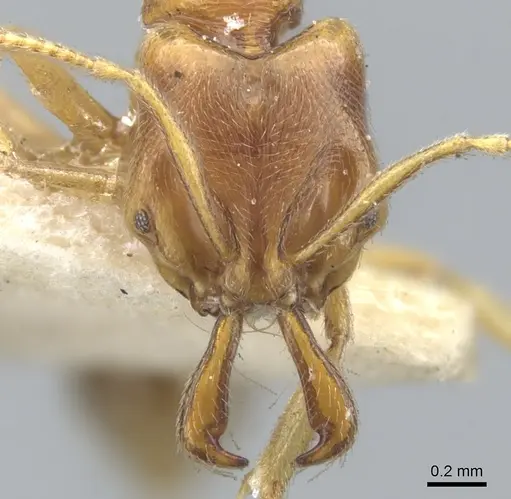
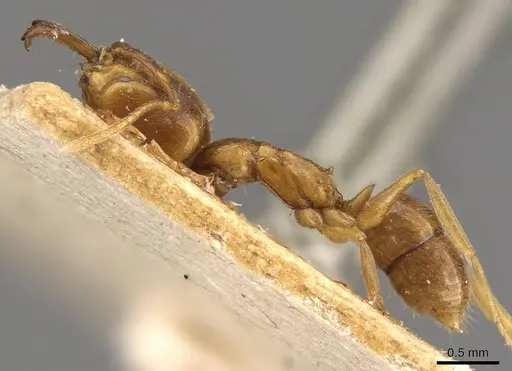
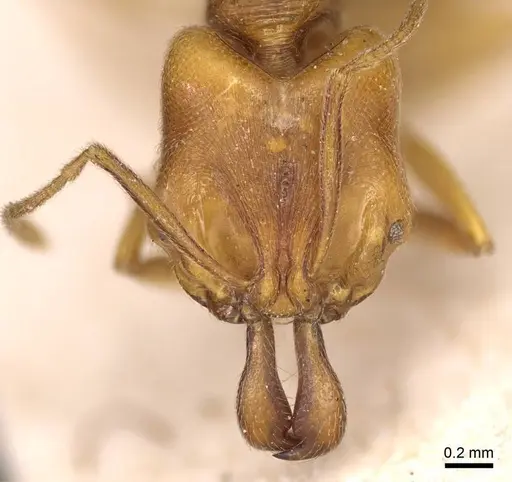
Anochetus longifossatus is a trap-jaw ant native only to Sri Lanka. Workers are small with reduced eyes and long, spring-loaded mandibles that snap shut to catch prey [1][2]. They are endemic to the island and found primarily in the wet zone [3]. These ants are cryptobiotic, meaning they live hidden in dark places like soil and leaf litter [1][4]. Their small eyes reflect this lifestyle, they don't rely on sight to navigate. In captivity, this means they need dark, enclosed nest spaces and will avoid bright lights.
Quick Summary
- Difficulty: Hard
- Origin & Habitat: Endemic to Sri Lanka, found in the wet zone [3]. They live in soil and leaf litter in tropical forest habitats [4].
- Colony Type: Single-queen colonies (monogyne) typical for the genus.
- Colony: Monogyne
- Size & Growth:
- Queen: Estimated 5-6mm based on typical Anochetus morphology [2].
- Worker: Estimated 3-4mm based on typical Anochetus morphology [2].
- Colony: Likely under 100 workers based on typical Anochetus patterns [2].
- Growth: Slow
- Development: Estimated 8-12 weeks at 25-28°C based on tropical Ponerinae patterns [2]. (Development is temperature-dependent. First workers (nanitics) may emerge slightly faster than subsequent brood.)
- Antkeeping:
- Temperature: Keep warm at 24-28°C. Use a heating cable on one side of the nest to create a gradient [3].
- Humidity: Keep the nest substrate consistently moist. The soil should feel damp but not waterlogged [3][4].
- Diapause: No, they are tropical and do not need winter rest [3].
- Nesting: Provide dark, enclosed spaces that mimic soil or leaf litter. Naturalistic setups with soil layers or dark acrylic nests work best [1][4].
- Behavior: Cryptobiotic, they avoid light and prefer to stay hidden in dark crevices [1]. They hunt using their trap-jaw mandibles to snap up small prey. They can sting but are small and not aggressive toward humans [2]. Their tiny size means escape prevention must be excellent.
- Common Issues: they need complete darkness, bright light stresses them and can kill the colony., substrate dries out quickly without attention, desiccation is a major risk in captivity., they require tiny live prey like springtails, standard feeder insects are too large for the workers., their small size means they can escape through tiny gaps in mesh or lids.
Nest Preferences
In nature, Anochetus longifossatus lives in soil and leaf litter in the wet zone of Sri Lanka [4][3]. They are cryptobiotic, meaning they have reduced eyes and prefer to live in dark, concealed spaces [1]. For captive care, replicate these conditions with a naturalistic setup using dark soil or leaf litter substrate. You can also use dark acrylic nests or test tubes wrapped in foil to block light. They need small chambers scaled to their size, avoid tall, open spaces. Keep the nest material consistently moist but not waterlogged, similar to the damp forest floor they inhabit naturally [3].
Feeding and Diet
As trap-jaw ants, Anochetus longifossatus hunts small live prey using their spring-loaded mandibles. In captivity, feed them tiny insects like springtails, fruit flies, or very small cricket nymphs. The prey should be small enough for workers to handle easily. While they may accept sugar water or honey, focus primarily on protein sources. Place food directly in the nest area or in a dark feeding zone, as they avoid bright open spaces. Remove uneaten prey quickly to prevent mold in their humid environment. [2]
Temperature and Care
Coming from the wet zone of Sri Lanka, these ants need warm, stable temperatures between 24-28°C [3]. Place a heating cable or heat mat on one side of the nest to create a gentle gradient, but position it on top rather than underneath to avoid drying out the substrate. They do not need hibernation (diapause) as they are tropical [3]. Maintain high humidity by keeping the nest substrate damp and providing a water source. Watch for condensation, too much can flood the nest, while too little leads to desiccation.
Behavior and Temperament
Anochetus longifossatus shows cryptobiotic behavior, they avoid light and spend nearly all their time hidden in dark crevices or underground [1]. Their reduced eye size reflects this lifestyle [1]. They are not aggressive toward humans and will flee rather than fight when disturbed. However, like other trap-jaw ants, they can sting if handled roughly. They are solitary hunters rather than mass recruiters, so you will see individual workers wandering rather than long foraging trails.
Colony Founding
Founding behavior is unconfirmed for this specific species, but based on typical Anochetus patterns, queens are likely semi-claustral. This means the queen may need to leave the nest to hunt for food while raising her first workers, rather than sealing herself in and living on stored fat. If you have a founding queen, offer small live prey regularly and ensure she has access to both a dark chamber and a foraging area. Keep conditions humid and warm throughout the founding period. [2]
Frequently Asked Questions
Can I keep Anochetus longifossatus in a test tube?
Yes, but you must wrap the test tube in foil or place it in a dark box to block light. They are cryptobiotic and will stress or die if exposed to bright light [1]. Keep the cotton damp and provide a dark, humid environment.
How long until first workers for Anochetus longifossatus?
Expect roughly 8-12 weeks from egg to first worker at 25-28°C. This is an estimate based on related tropical trap-jaw ants, as specific development times for this species are unconfirmed [2].
Do Anochetus longifossatus need hibernation?
No. They come from the tropical wet zone of Sri Lanka and remain active year-round [3]. Keep them warm throughout the winter months.
What do Anochetus longifossatus eat?
They need small live prey like springtails, fruit flies, or tiny insect nymphs. As trap-jaw ants, they hunt by snapping their mandibles shut on prey. They may accept sugar water, but protein is essential [2].
Are Anochetus longifossatus good for beginners?
No. They are difficult due to their specific humidity needs, requirement for darkness, small prey size, and rarity in the ant trade. They are best suited for keepers with experience in tropical or cryptobiotic species.
Can I keep multiple Anochetus longifossatus queens together?
Not recommended. Anochetus species are typically monogyne (single-queen), and combining unrelated queens will likely result in fighting and death [2].
Why are my Anochetus longifossatus always hiding?
This is normal. They are cryptobiotic ants with reduced eyes, meaning they are adapted to live in dark, concealed spaces like soil and leaf litter [1]. They will avoid light and spend most of their time in darkness [1].
References

This caresheet is licensed under CC BY-SA 4.0 .
CASENT0281880
View on AntWeb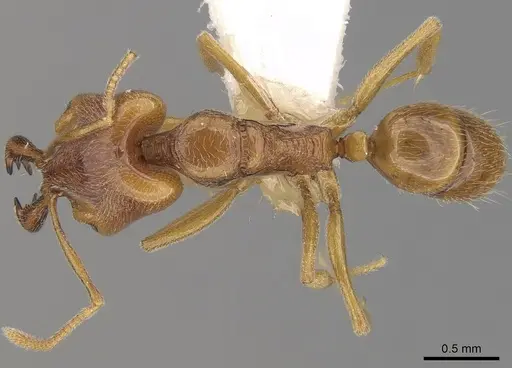
CASENT0902444
View on AntWeb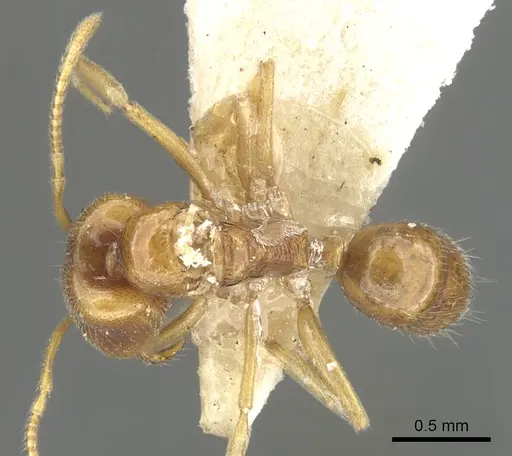
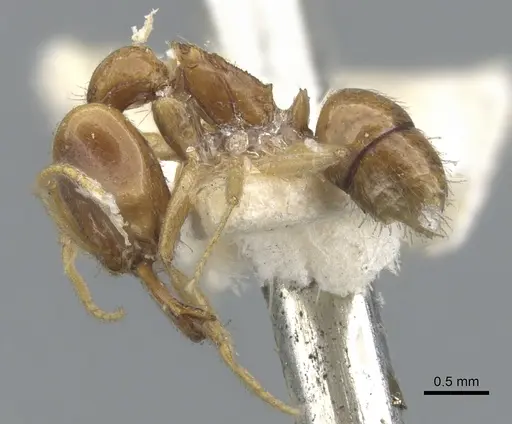
CASENT0907405
View on AntWeb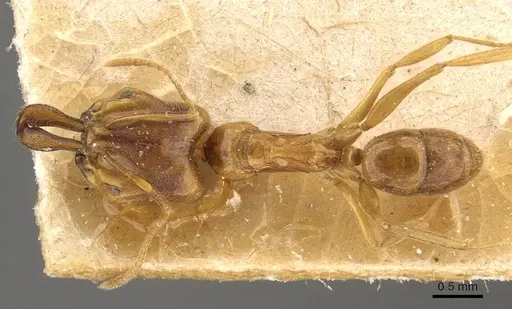
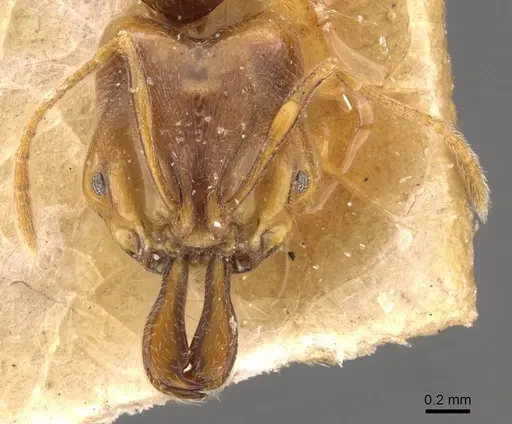
CASENT0915889
View on AntWeb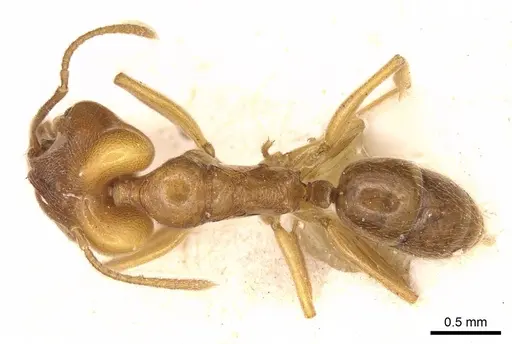
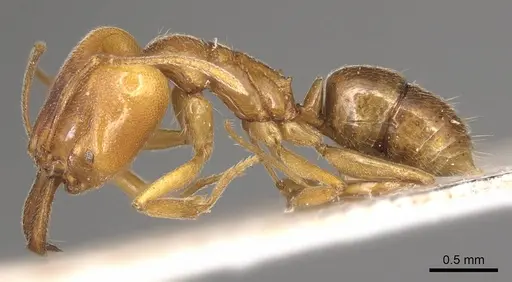
FOCOL1044
View on AntWeb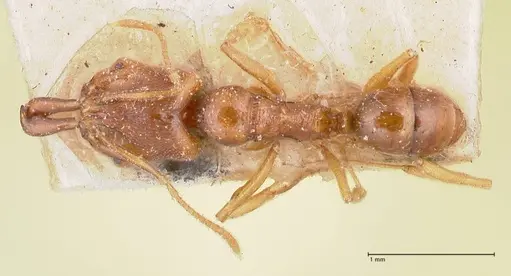
Literature
Loading...Loading products...