

Anochetus levaillanti
- Scientific Name
- Anochetus levaillanti
- Tribe
- Ponerini
- Subfamily
- Ponerinae
- Author
- Emery, 1895
- Common Name
- Levaillant's Trap-jaw Ant
- Distribution
- Found in 4 countries
Anochetus levaillanti Overview
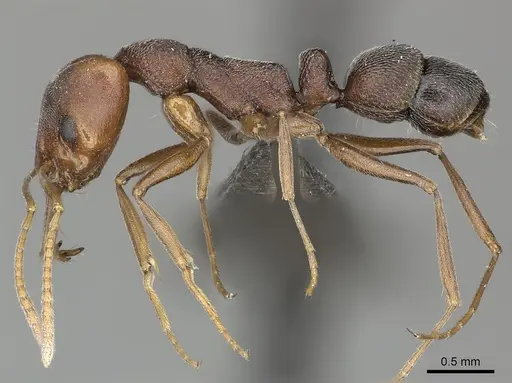
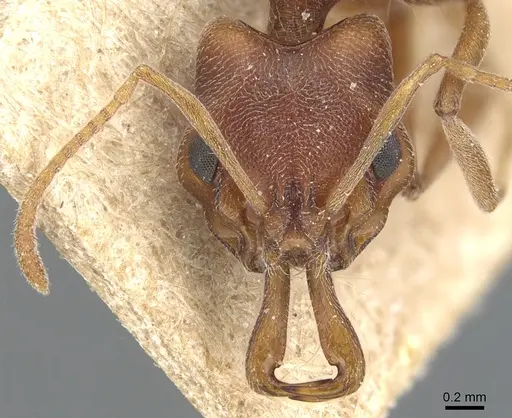
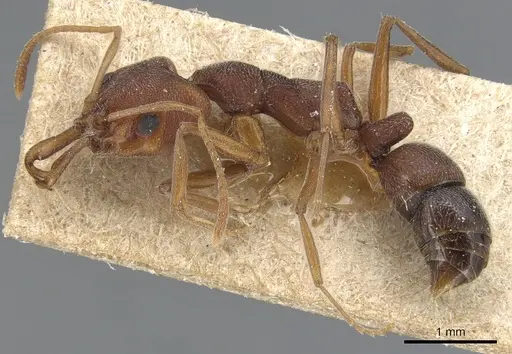
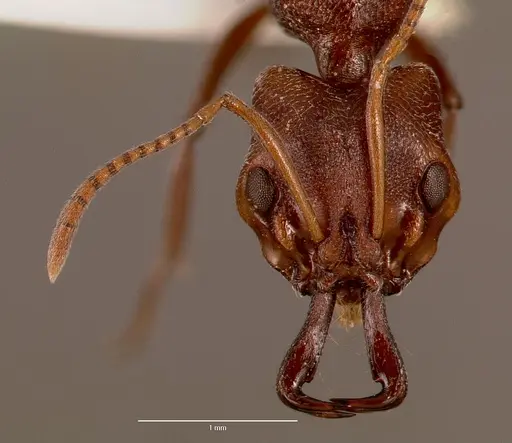
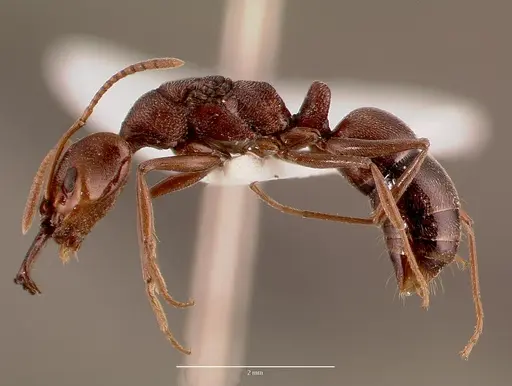
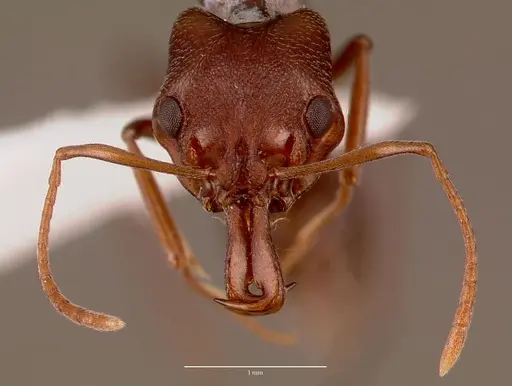
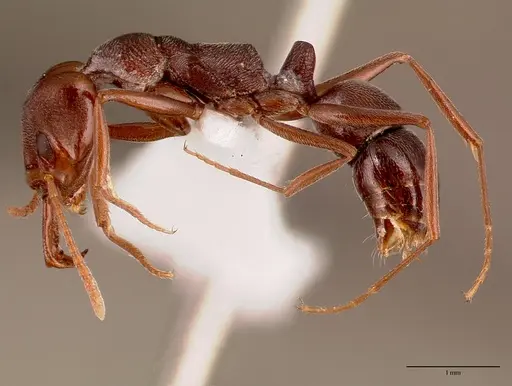
Anochetus levaillanti (commonly known as the Levaillant's Trap-jaw Ant) is an ant species of the genus Anochetus. It is primarily documented in 4 countries , including Mozambique, Namibia, South Africa. Detailed taxonomic data and occurrence records can be further explored via authoritative databases such as AntWeb or the Global Biodiversity Information Facility (GBIF).
Anochetus levaillanti - "Levaillant's Trap-jaw Ant"
Anochetus levaillanti is a small trap-jaw ant native to the Afrotropical region, found across South Africa, Eritrea, Zimbabwe, Namibia, and Mozambique [1][2]. They nest in soil with small entrance openings and prefer open, semi-arid habitats like the Karoo [1][3]. Unlike many trap-jaw ants that defend themselves aggressively, these workers are notably timid and will freeze in place when disturbed rather than attack [1]. Their colonies remain exceptionally small, rarely exceeding 100 workers, which makes them a challenging species requiring careful, low-disturbance husbandry [1].
Quick Summary
- Difficulty: Hard
- Origin & Habitat: Afrotropical region including South Africa, Eritrea, Zimbabwe, Namibia, and Mozambique, semi-arid Karoo rangelands and open areas at elevations around 1000-1200m [1][3][4]
- Colony Type: Single-queen colonies (monogyne) inferred from small colony size, though not directly confirmed in research
- Colony: Monogyne
- Size & Growth:
- Queen: Unknown, likely 6-8mm based on typical Anochetus proportions
- Worker: Unknown, likely 3-5mm based on genus patterns
- Colony: Less than 100 workers [1]
- Growth: Slow
- Development: Unconfirmed, likely 8-12 weeks at 25°C based on related Ponerinae patterns (Small colonies grow slowly, development timing is not directly studied for this species)
- Antkeeping:
- Temperature: Warm and stable, roughly 24-28°C based on semi-arid Karoo habitat, provide a gentle heat gradient and avoid cold drafts [3]
- Humidity: Moderate humidity with well-draining substrate, nest chamber should feel lightly damp but not wet, reflecting semi-arid soil conditions [1]
- Diapause: Not required, tropical species that remains active year-round, though they may slow slightly in cooler months
- Nesting: Soil-based nests with small chambers and narrow tunnels, naturalistic setups with sandy-loam substrate work best [1]
- Behavior: Timid and non-aggressive, workers freeze when disturbed rather than sting [1]. Predatory foragers that hunt singly during daylight [1][3]. Their small size requires excellent escape prevention with fine mesh barriers.
- Common Issues: tiny colony size means slow growth and high vulnerability to disturbances or mistakes, timid behavior means excessive light, vibration, or handling causes stress and potential colony failure, small worker size requires fine mesh barriers and tight-fitting lids to prevent escapes, overfeeding easily occurs due to small colony numbers, offer tiny amounts of prey, soil nests can collapse if kept too wet, while desiccation occurs if kept too dry
Nest Preferences
In nature, Anochetus levaillanti creates nests with small openings in soil, typically in open, semi-arid areas [1]. For captive care, replicate these soil conditions using a naturalistic setup with a mix of sand and loam that holds shape but drains well. The nest should have small chambers and narrow passages scaled to their size, avoid tall, open spaces that stress small colonies. Provide a slight moisture gradient with one side damper than the other, allowing the ants to choose their preferred humidity. Because they nest in soil, ensure the substrate is not compacted too tightly, as they need to excavate small chambers.
Feeding and Diet
These ants are predators that forage singly during the day, bringing back small prey items to the nest [1][3]. In captivity, offer tiny live prey such as fruit flies, springtails, or very small crickets chopped into pieces. Because colonies contain fewer than 100 workers, they need minimal food, overfeeding leads to mold and stress. Remove uneaten prey within 24 hours. While they may accept sugar water or honeydew in captivity, their primary nutrition comes from protein, so prioritize live prey over sweet liquids.
Temperature and Care
Coming from the semi-arid Karoo and highland areas of South Africa at elevations around 1000-1200m, these ants prefer warm but not extreme temperatures [3][4]. Keep them around 24-28°C with a gentle gradient between the warm and cool sides of the nest. Use a heating cable on one side rather than underneath to avoid drying out the soil from below. They do not require hibernation as they are a tropical species, but you may notice reduced activity during cooler months if temperatures drop below 20°C.
Behavior and Temperament
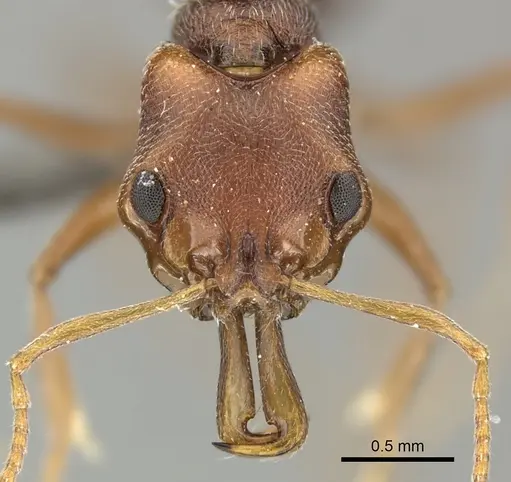
Anochetus levaillanti shows remarkably timid behavior for a trap-jaw ant. When disturbed, workers freeze in place rather than attack or flee [1]. This makes them poor candidates for handling or display setups with frequent activity. They forage individually rather than in trails, hunting small prey items during daylight hours [1]. Their trap-jaw mechanism, characteristic of the genus, allows extremely fast mandible strikes to capture prey, but they rarely use this defense against keepers. Because of their small size and solitary foraging style, they require excellent escape prevention including fine mesh screens and Fluon barriers.
Colony Founding
The founding behavior of Anochetus levaillanti has not been directly documented in scientific studies. Based on patterns seen in related Anochetus species, queens are likely semi-claustral, meaning they may need to leave the nest to forage during the founding stage rather than sealing themselves in completely. If attempting to found a colony, provide a small founding chamber with access to food, and observe whether the queen forages or remains sealed. Do not disturb the queen frequently, as this species shows stress responses including freezing behavior.
Frequently Asked Questions
Can I keep Anochetus levaillanti in a test tube?
Test tubes are not ideal for this species. They naturally nest in soil with small chambers, so a naturalistic soil setup or plaster nest with substrate is better. If you must use a test tube temporarily, provide a very small water reservoir and add soil particles for them to arrange.
How long until first workers for Anochetus levaillanti?
The egg-to-worker timeline is unconfirmed for this species. Based on related Ponerinae ants, expect roughly 8-12 weeks at 25°C, though this is an estimate. Their small colony size means growth remains slow even after the first workers hatch.
Are Anochetus levaillanti good for beginners?
No, they are challenging. Their tiny colony size (under 100 workers), timid nature that makes them sensitive to disturbance, and slow growth rate require patient, experienced care. They are better suited to keepers familiar with small-colony Ponerinae.
What do Anochetus levaillanti eat?
They are predators that hunt small prey items singly. Feed them tiny live insects like fruit flies, springtails, or small cricket pieces. Remove uneaten food promptly to prevent mold in their small nests.
How big do Anochetus levaillanti colonies get?
Colonies remain small, with fewer than 100 workers [1]. This makes them a long-term, low-density pet rather than a large display colony.
Can I keep multiple Anochetus levaillanti queens together?
Not recommended. They appear to be single-queen species based on their small colony size, and combining queens has not been documented. Multiple queens would likely fight or stress each other.
Do Anochetus levaillanti need hibernation?
No, they are a tropical Afrotropical species and do not require hibernation. Keep them warm year-round, though they may slow down slightly if temperatures drop below 20°C.
References

This caresheet is licensed under CC BY-SA 4.0 .
CASENT0235826
View on AntWeb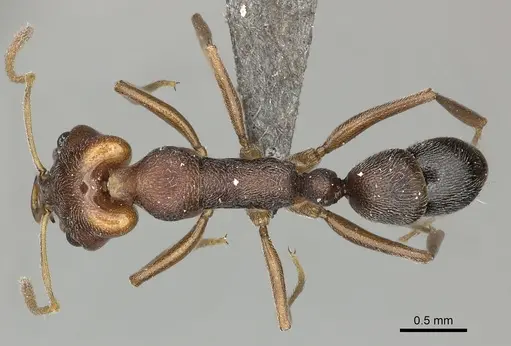
CASENT0810450
View on AntWeb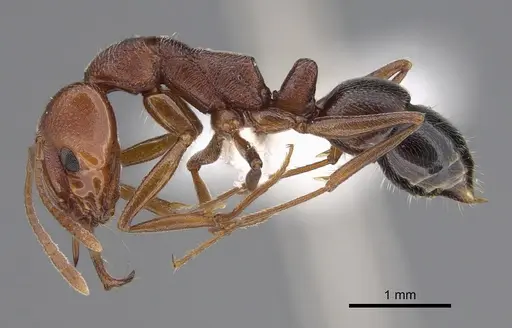
CASENT0818927
View on AntWeb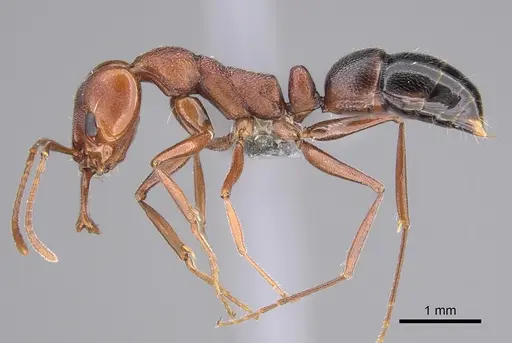
CASENT0903983
View on AntWeb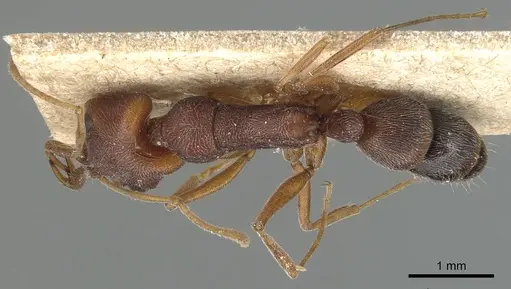
SAM-HYM-C007432A
View on AntWeb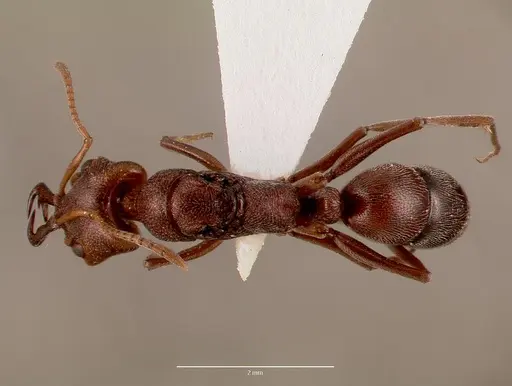
SAM-HYM-C010862B
View on AntWeb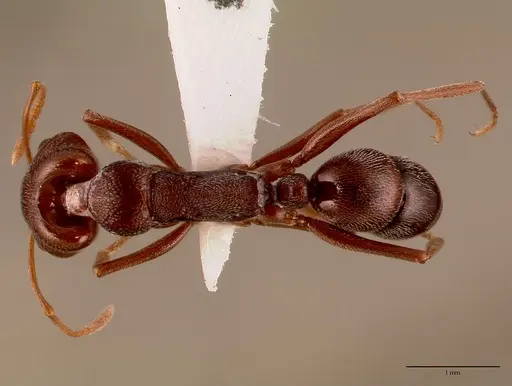
Literature
Loading...Loading products...