

Anochetus katonae
- Scientific Name
- Anochetus katonae
- Tribe
- Ponerini
- Subfamily
- Ponerinae
- Author
- Forel, 1907
- Distribution
- Found in 16 countries
Anochetus katonae Overview
Anochetus katonae is an ant species of the genus Anochetus. It is primarily documented in 16 countries , including Congo, Democratic Republic of the, Central African Republic. Detailed taxonomic data and occurrence records can be further explored via authoritative databases such as AntWeb or the Global Biodiversity Information Facility (GBIF).
Anochetus katonae
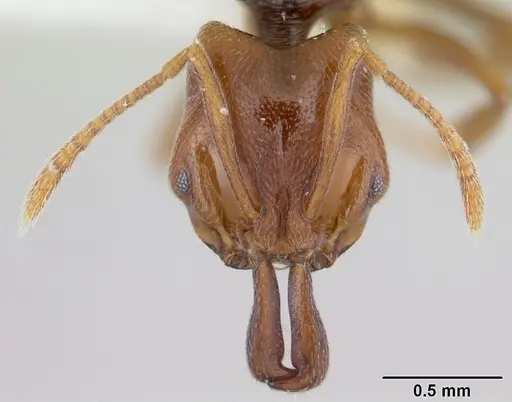
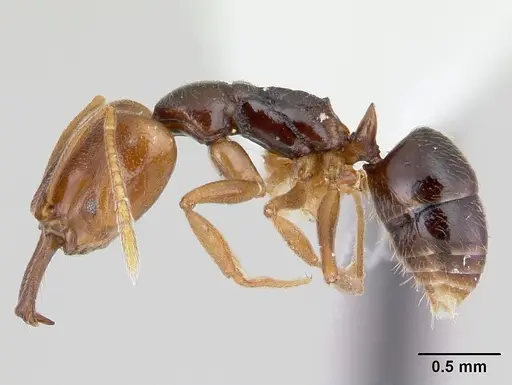
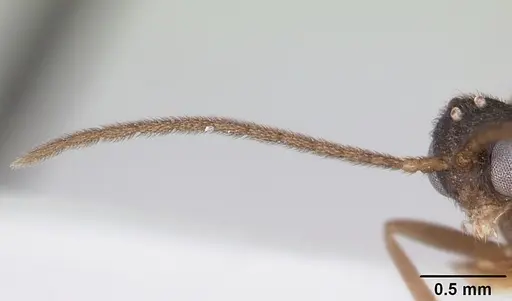
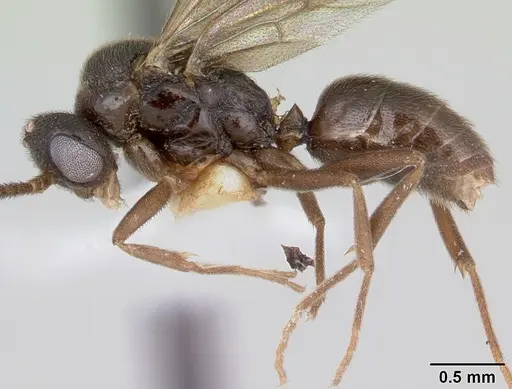
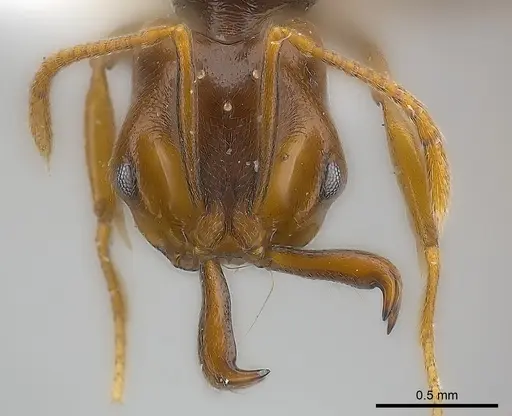
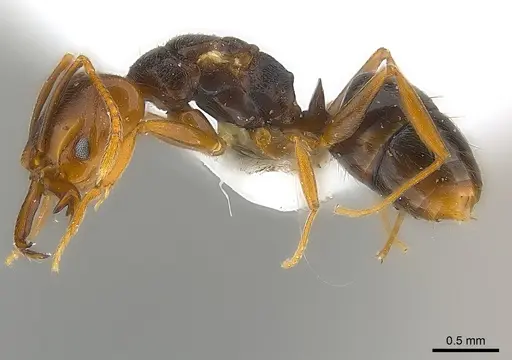
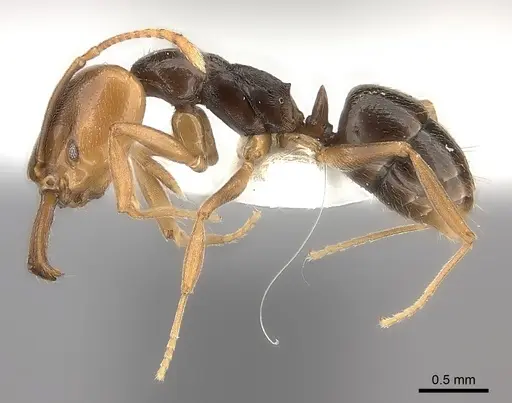
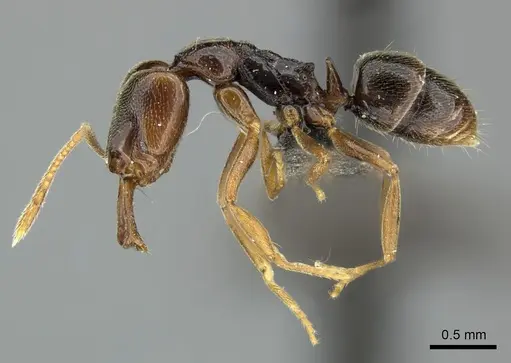
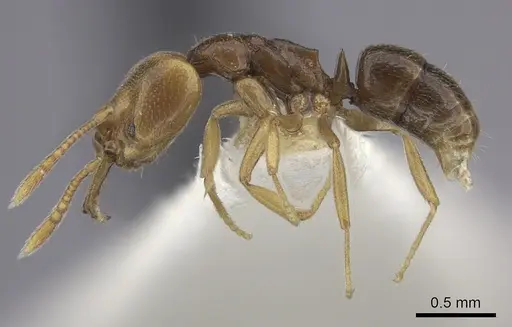
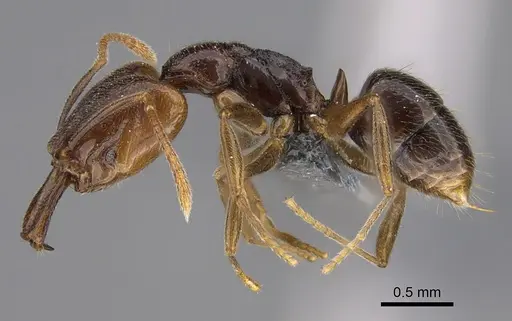
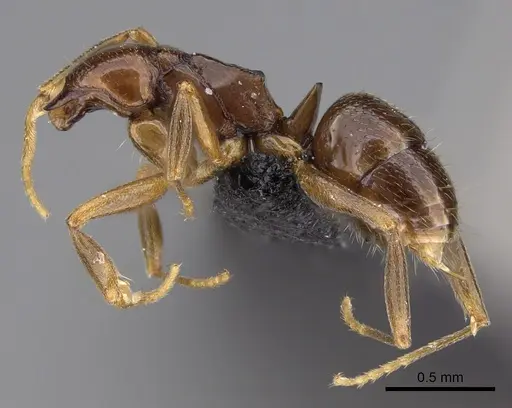
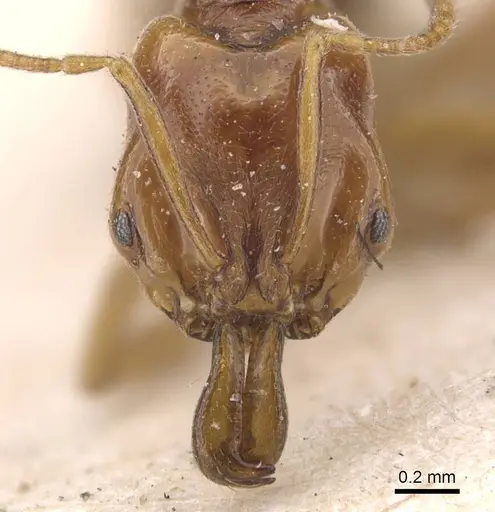
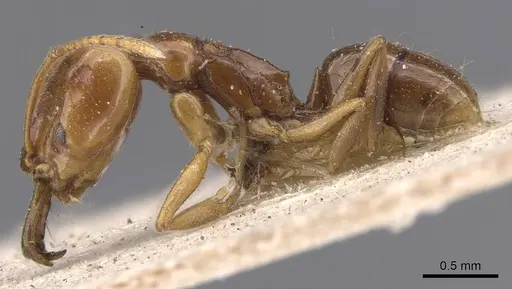
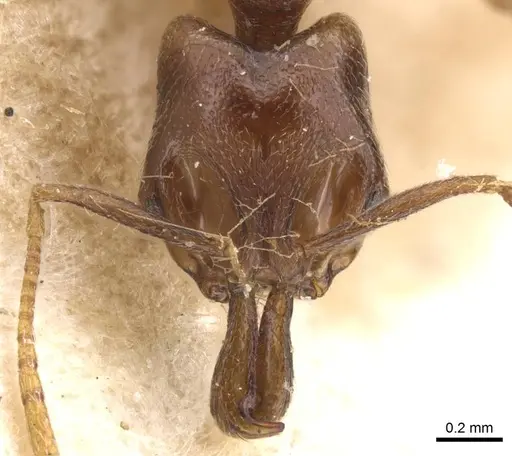
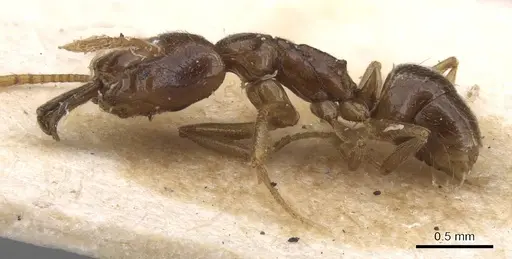
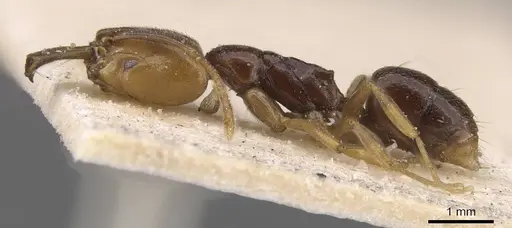
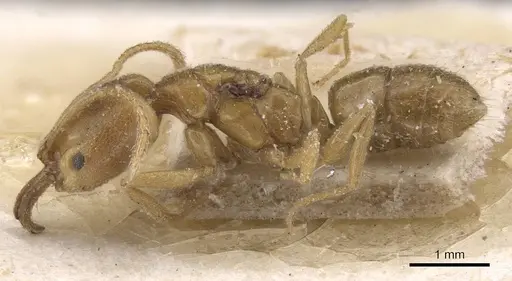
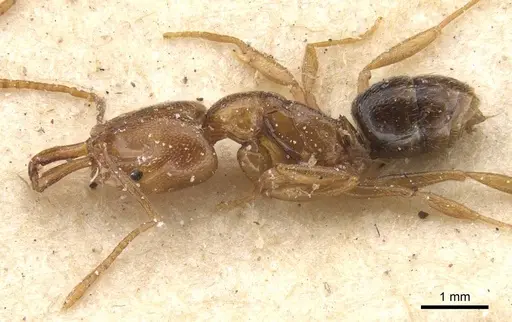
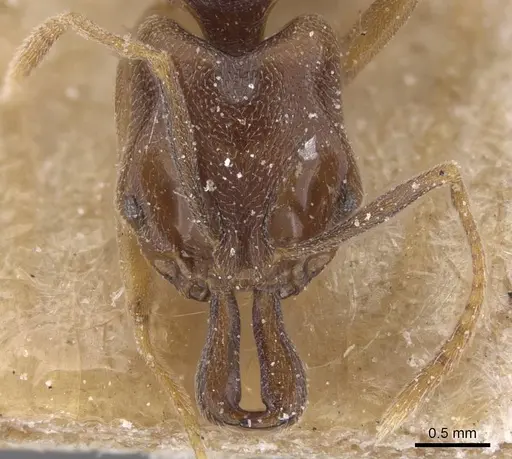
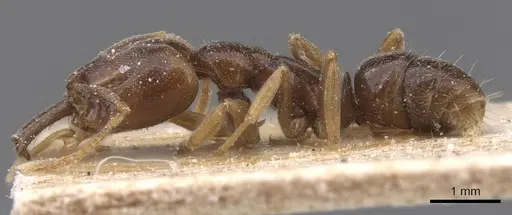
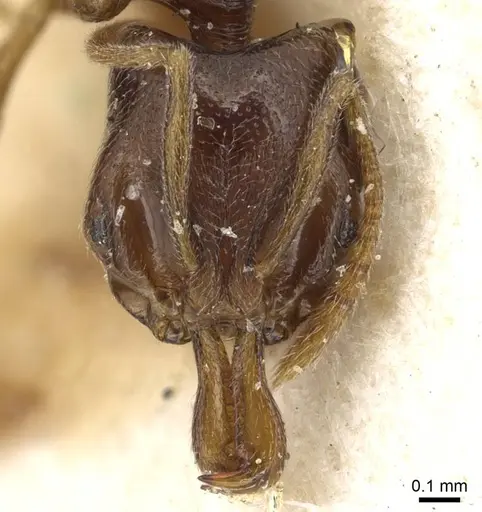
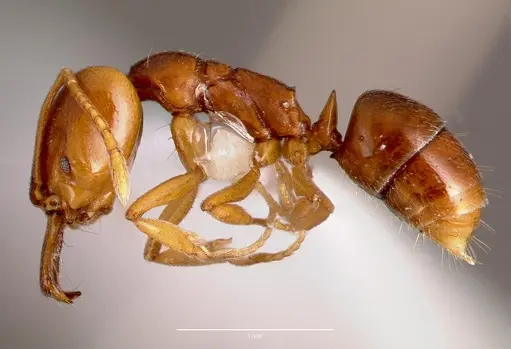
Anochetus katonae is a small trap-jaw ant native to the Afrotropical region. You can find them across Central and West Africa, from Cameroon and the Democratic Republic of Congo to Kenya, Tanzania, and South Africa [1]. They typically show golden yellow to light brown coloring, though some populations appear darker brown [2]. In the wild, they nest in rotting wood buried in leaf litter, particularly in coastal forests and lowland areas from 110 to 640 meters elevation [3][4].
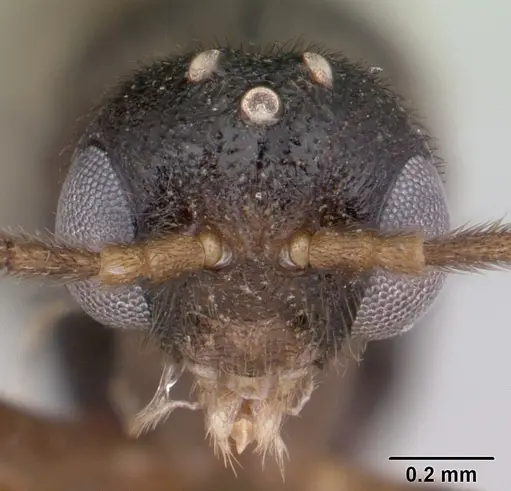
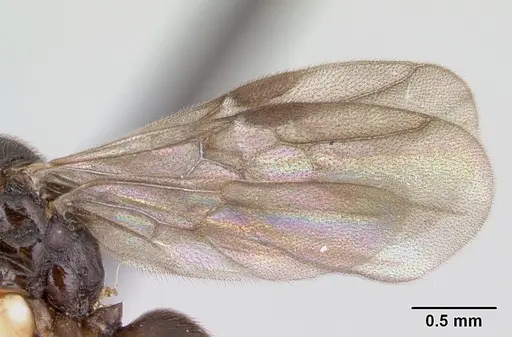
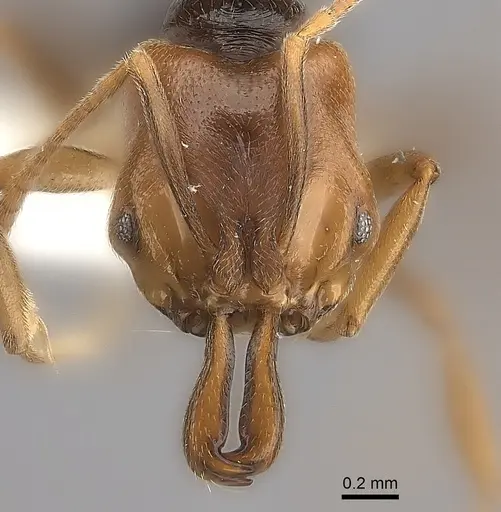
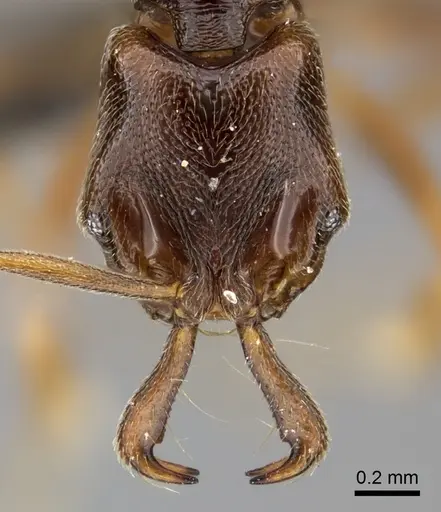
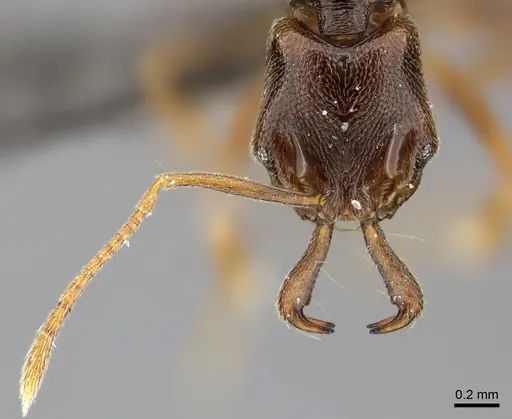
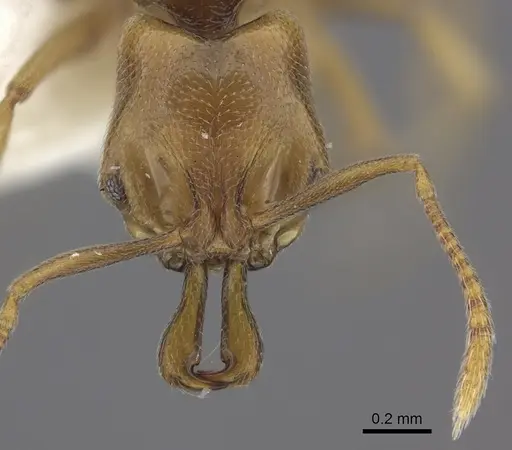
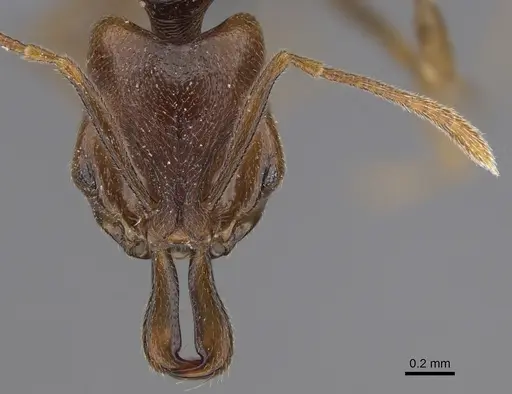
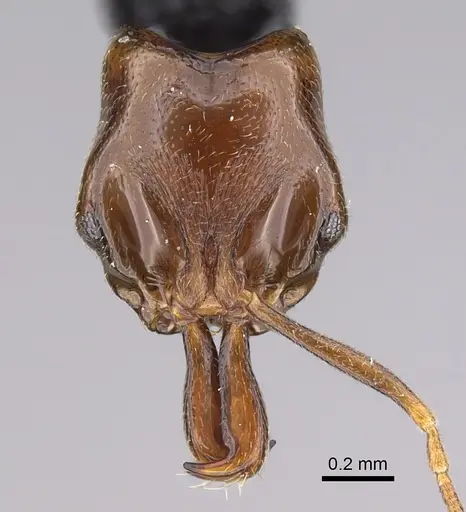
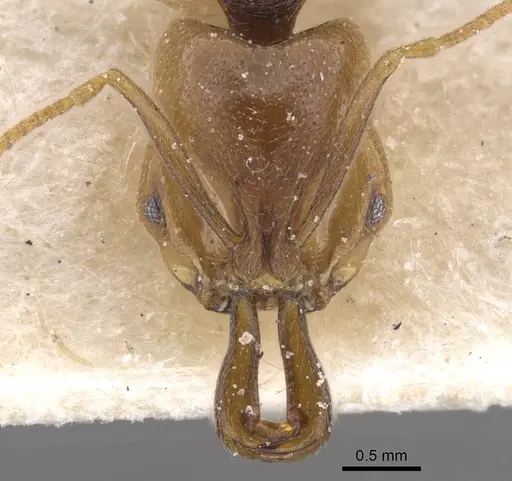
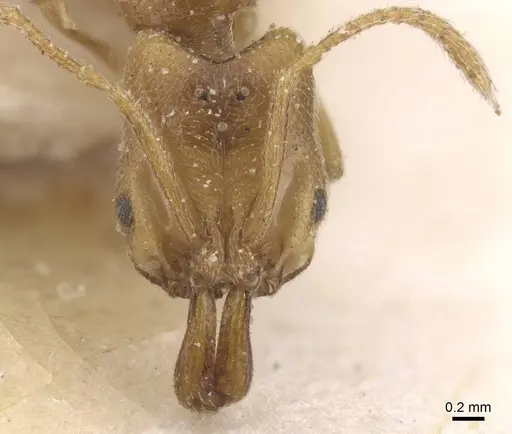
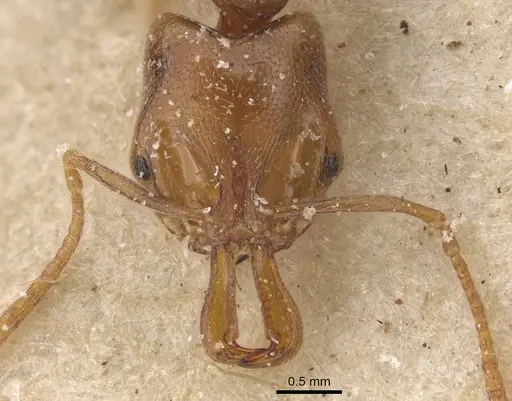
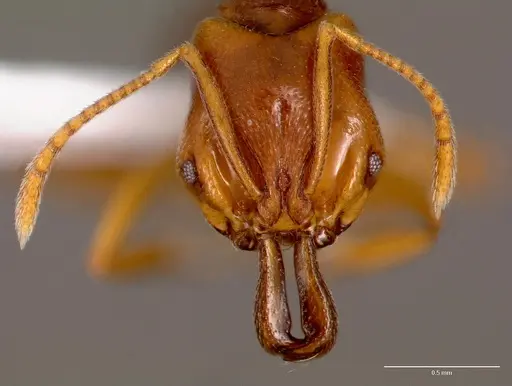
These ants are specialist predators equipped with lightning-fast trap-jaw mandibles that snap shut when prey touches sensitive trigger hairs [5]. Their queens have fully developed wings and possess three egg-producing tubes per ovary, while workers completely lack these structures and cannot reproduce [3]. This strict division of labor means your colony depends entirely on the queen for survival, as workers cannot step in to lay eggs if she dies.
Quick Summary
- Difficulty: Hard
- Origin & Habitat: Afrotropical region (Cameroon, DRC, Ivory Coast, Kenya, Nigeria, South Africa, Tanzania, Uganda) in coastal forests and leaf litter [1][3]
- Colony Type: Likely monogyne (single-queen) based on winged queen morphology with distinct reproductive anatomy, though not directly confirmed
- Size & Growth:
- Queen: Unknown, estimated 5-7mm based on typical Anochetus morphology
- Worker: Unknown, estimated 3-4mm based on typical Anochetus morphology
- Colony: Unknown, likely small (under 200 workers) based on specialist predator lifestyle
- Growth: Slow to moderate
- Development: Unknown, estimated 8-12 weeks at 25-27°C based on tropical Ponerinae patterns (First workers (nanitics) may emerge slightly faster than subsequent brood)
- Antkeeping:
- Temperature: 24-28°C (estimated from lowland tropical habitat data) [4]
- Humidity: High humidity required, keep substrate damp like forest floor leaf litter [3]
- Diapause: No, tropical species from equatorial Africa [1]
- Nesting: Small chambers in rotting wood or leaf litter, use naturalistic setups or Y-tong with tight spaces [3]
- Behavior: Shy, reclusive specialist predators with trap-jaw hunting behavior [5]. Not aggressive toward humans but can bite. Small size means escape prevention must be excellent.
- Common Issues: tiny size means escapes are likely without fine mesh barriers and Fluon-coated surfaces, specialist predator diet requires consistent supply of small live prey such as springtails, sensitive to disturbance and dry conditions, colonies may fail if substrate dries out
Natural History and Distribution
Anochetus katonae inhabits the leaf litter layer of Afrotropical forests from sea level up to 640 meters elevation [4]. They prefer rotting wood buried in the litter rather than exposed soil nests [3]. You will find them in coastal forests and savanna mosaics, showing adaptability to different forest types as long as leaf litter and decaying wood remain available [5][3]. They belong to the grandidieri group within the genus, though their exact phylogenetic position suggests this grouping may not reflect true relationships [6].
Nest Preferences
In captivity, replicate their natural rotting wood habitat. Use a naturalistic setup with a layer of leaf litter over soil, or provide small chambers in Y-tong (aerated concrete) or plaster nests. Keep chambers small and tight, these ants prefer confined spaces and may stress in oversized chambers. Maintain high humidity by keeping the substrate damp but not waterlogged, the nest material should feel like a wrung-out sponge. [3]
Feeding and Diet
As specialist predators [5], they require live prey. Offer small springtails, fruit flies, or tiny termites. Their trap-jaw mechanism allows them to hunt prey their own size or slightly larger by snapping their mandibles shut at high speed when trigger hairs contact the prey. They may not accept dead insects or sugar sources, so focus on providing adequate live food twice weekly. Watch that prey is small enough for them to handle safely.
Temperature and Care
Keep them warm and stable, around 24-28°C, based on their tropical lowland origins [4]. They do not require hibernation or cooling periods. Use a heating cable on one side of the nest to create a gentle gradient, but monitor closely as small nests can dry out quickly with heat. Place the heating element on top rather than underneath to prevent condensation from flooding the nest.
Behavior and Temperament
These are shy ants that spend much of their time hidden in leaf litter or wood crevices. When hunting, they use their mandibles like a bear trap, the jaws open wide and snap shut when trigger hairs contact prey. They can sting but are small and not aggressive toward humans unless handled roughly. Because of their small size, they can squeeze through seemingly impossible gaps, so use excellent escape prevention.
Colony Founding
Founding behavior is unconfirmed for this species. Based on typical Anochetus patterns, queens may be semi-claustral, meaning they might need to leave the nest to forage during the founding stage rather than sealing themselves in. If attempting to raise a new colony, provide a small founding chamber with access to food, or offer food directly to the queen without disturbing her.
Frequently Asked Questions
Can I keep Anochetus katonae in a test tube?
Yes, but add leaf litter to the test tube to make them feel secure, and ensure you can provide small live prey through the opening without excessive disturbance.
How long until first workers for Anochetus katonae?
The timeline is unconfirmed. Based on related tropical Ponerinae, expect roughly 8-12 weeks at 25-27°C, though this is an estimate.
What do Anochetus katonae eat?
They are specialist predators that require small live prey such as springtails, fruit flies, or tiny termites. They may not accept dead insects or sugar water.
Do Anochetus katonae need hibernation?
No. They are a tropical species from equatorial Africa and remain active year-round at warm temperatures.
How big do Anochetus katonae colonies get?
Colony size is unknown, but based on their specialist predator lifestyle and small worker size, they likely stay small with under 200 workers.
Are Anochetus katonae good for beginners?
No. Their small size, specialist diet requiring live prey, and sensitivity to disturbance make them challenging for beginners.
Can I keep multiple Anochetus katonae queens together?
Not recommended. Combining unrelated queens has not been documented for this species, and their reproductive structure suggests single-queen colonies.
What is the best nest type for Anochetus katonae?
Use a naturalistic setup with leaf litter and rotting wood, or a Y-tong nest with small, tight chambers that replicate their preference for confined spaces in rotting wood.
Why are my Anochetus katonae dying?
Common causes include substrate that is too dry, lack of appropriate small live prey, or excessive disturbance. Check that humidity remains high and prey size is appropriate for their small mandibles.
References

This caresheet is licensed under CC BY-SA 4.0 .
CASENT0066876
View on AntWeb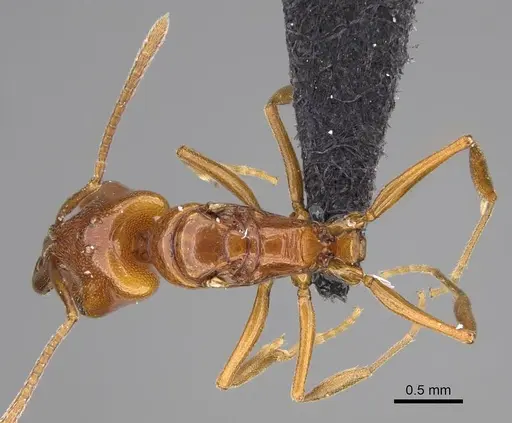
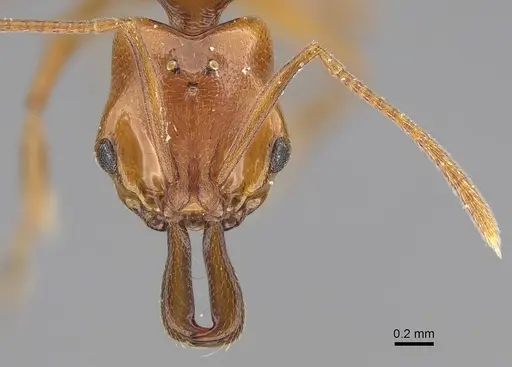
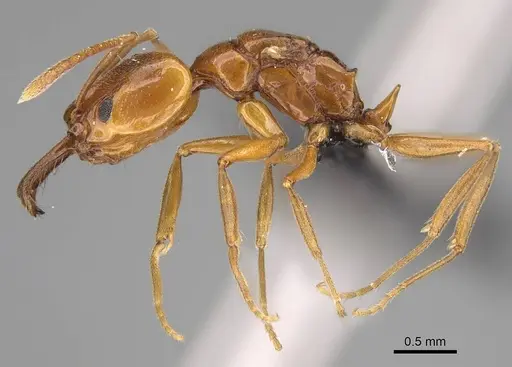
CASENT0178258
View on AntWeb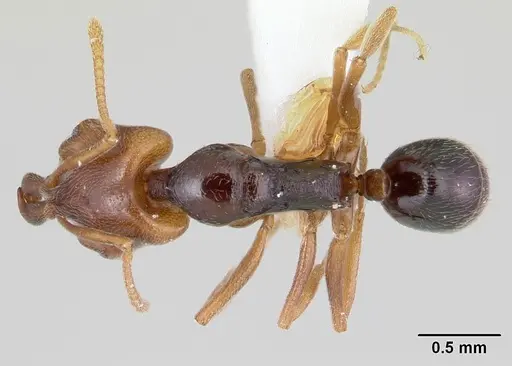
CASENT0178259
View on AntWeb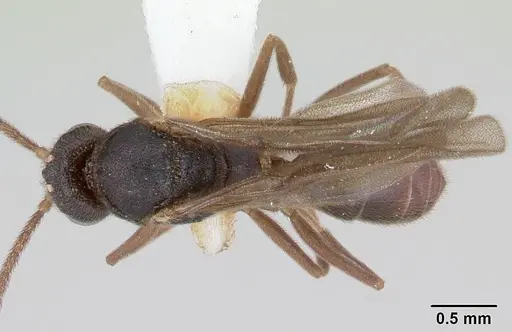
CASENT0217177
View on AntWeb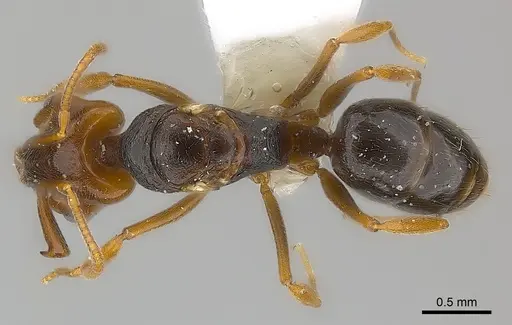
CASENT0217178
View on AntWeb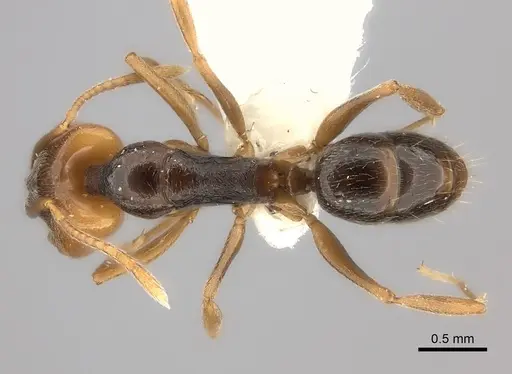
CASENT0235358
View on AntWeb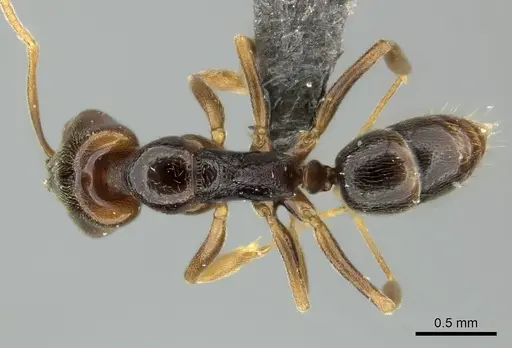
CASENT0260497
View on AntWeb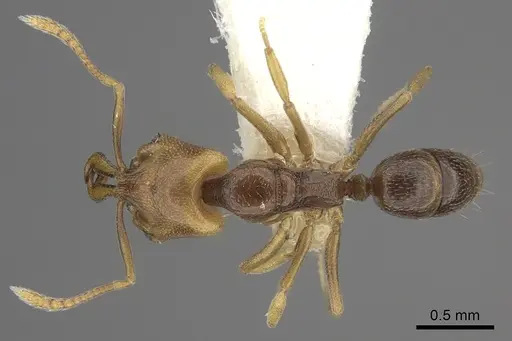
CASENT0352837
View on AntWeb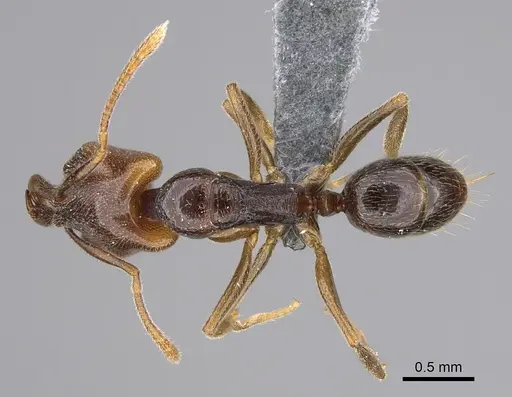
CASENT0354305
View on AntWeb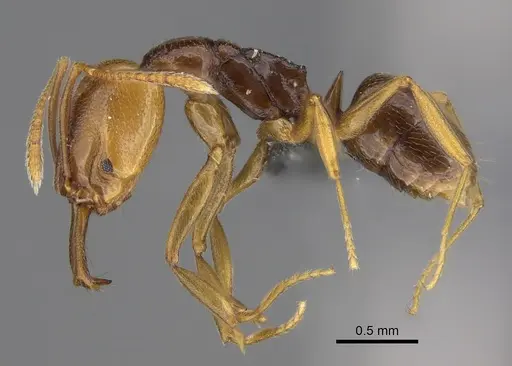
CASENT0819156
View on AntWeb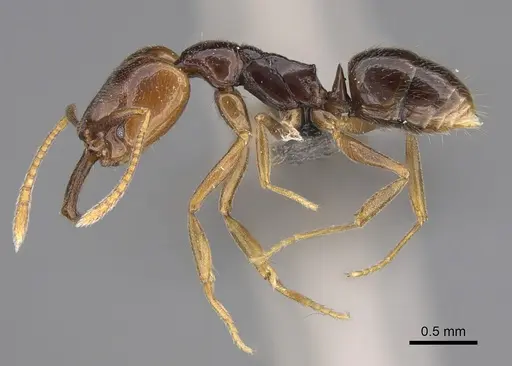
CASENT0845777
View on AntWeb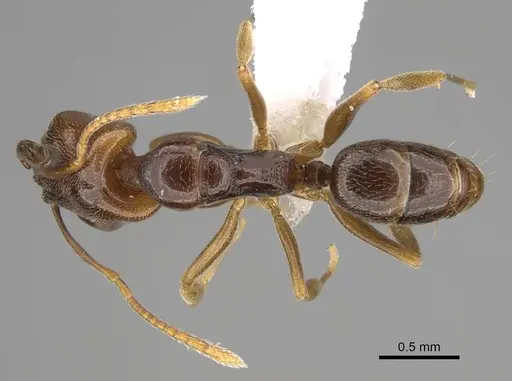
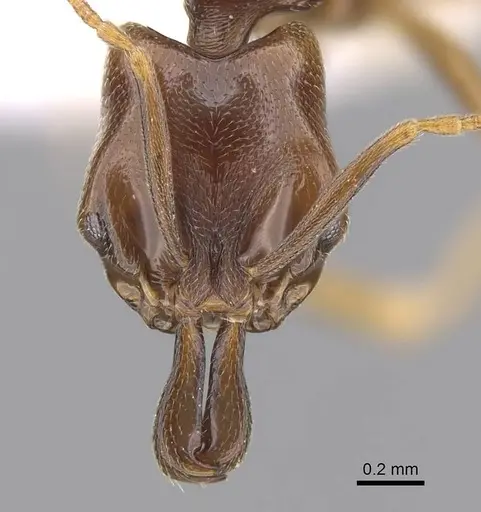
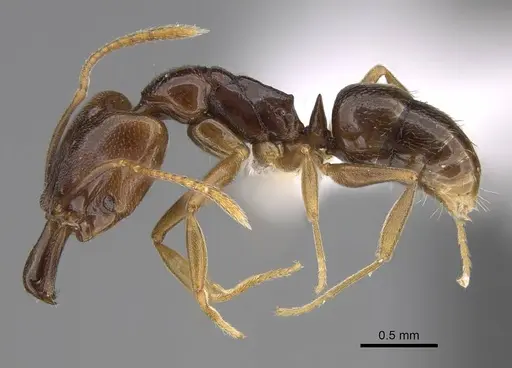
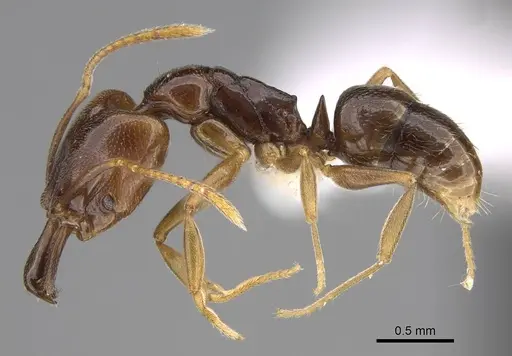
CASENT0845778
View on AntWeb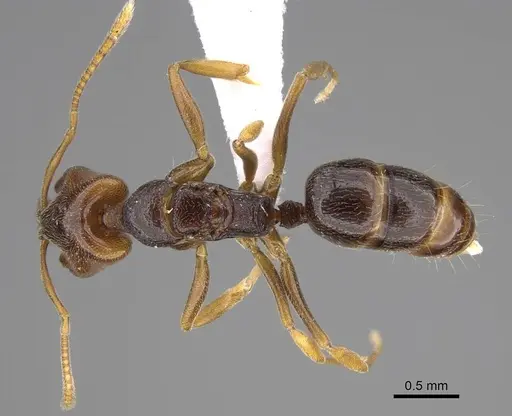
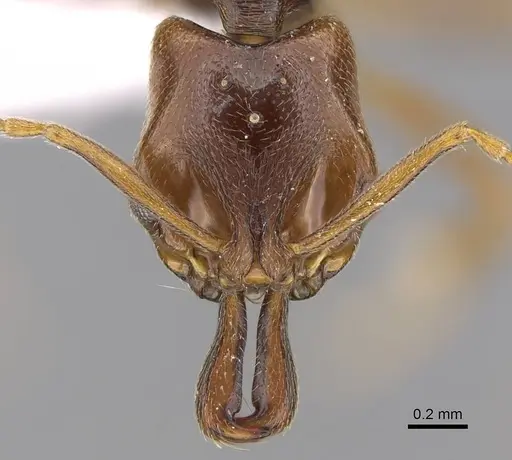
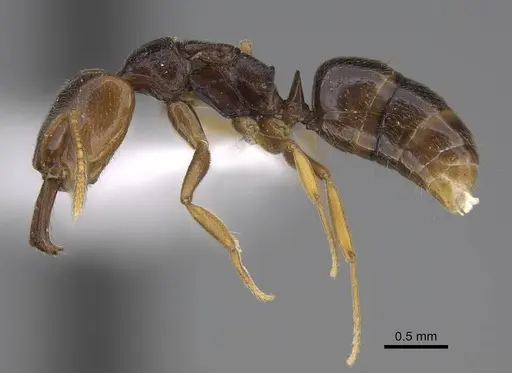
CASENT0845820
View on AntWeb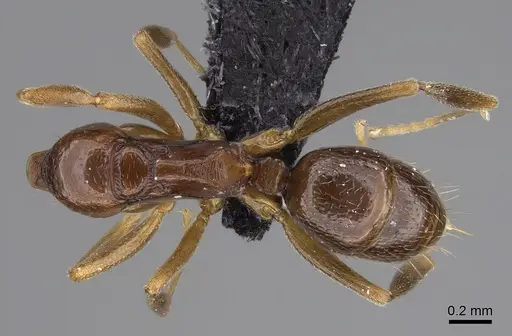
CASENT0907401
View on AntWeb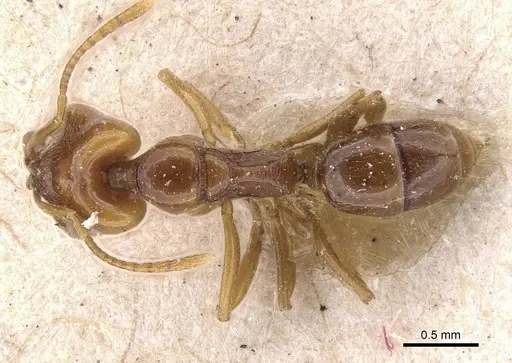
CASENT0913748
View on AntWeb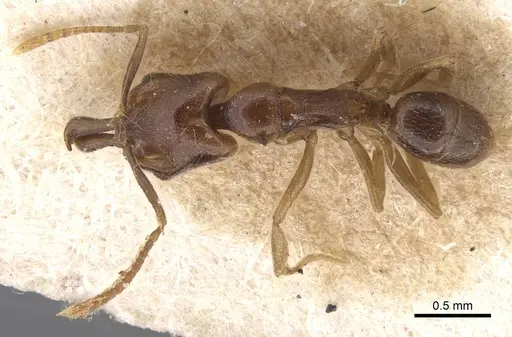
CASENT0915157
View on AntWeb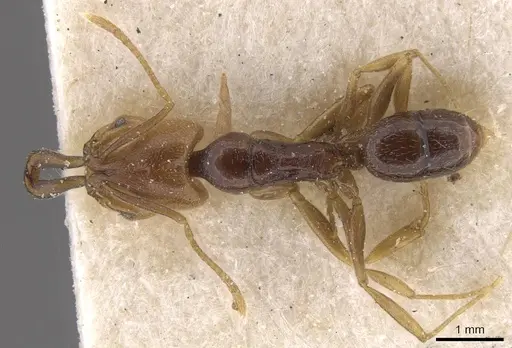
CASENT0915158
View on AntWeb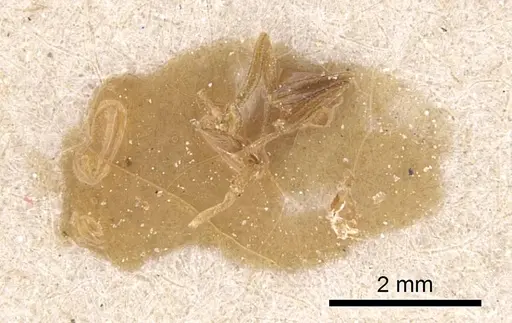
CASENT0915159
View on AntWeb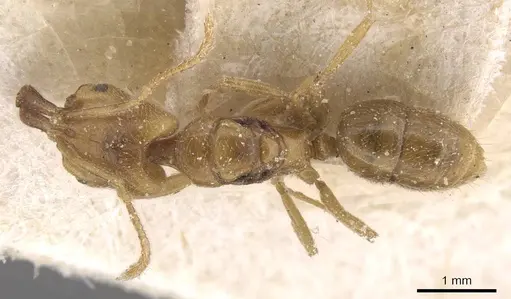
CASENT0915160
View on AntWeb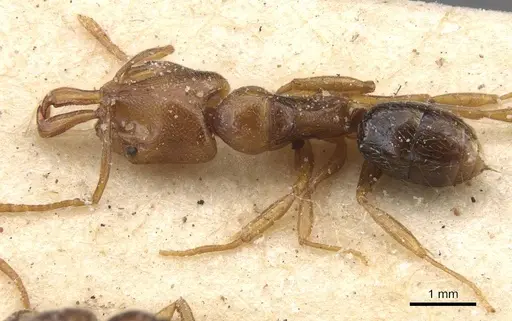
CASENT0915161
View on AntWeb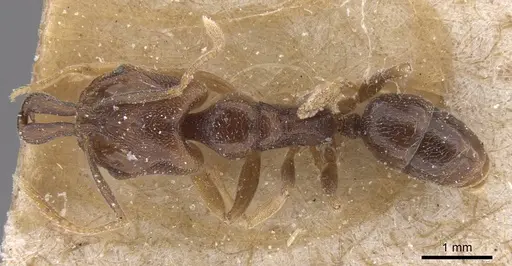
CASENT0915495
View on AntWeb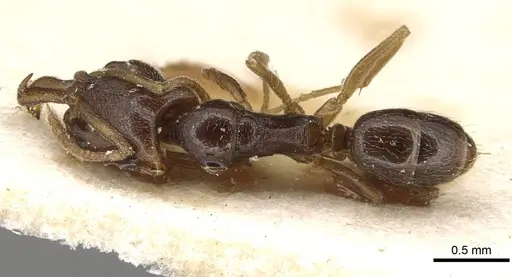
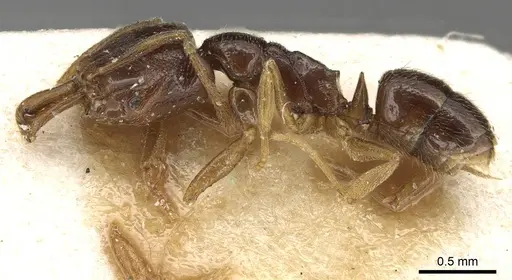
CASENT0922243
View on AntWeb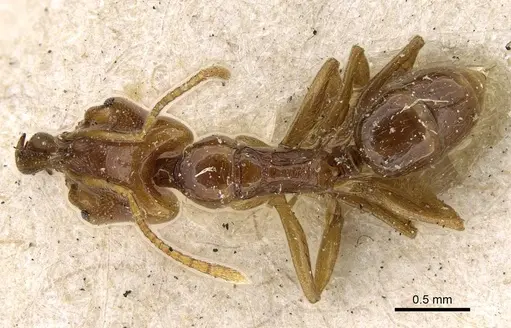
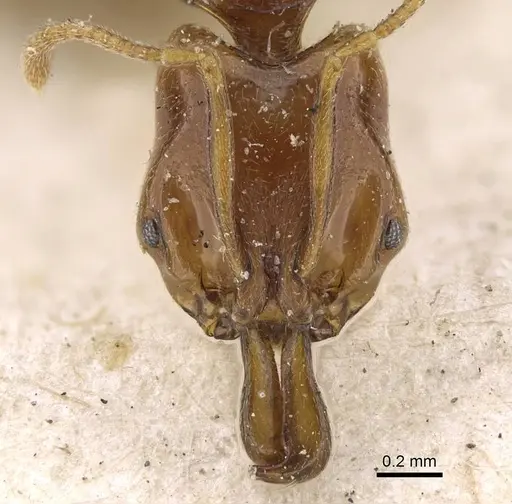
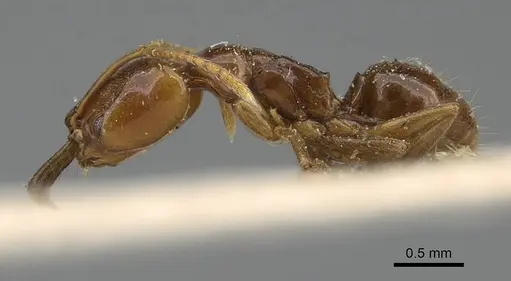
SAM-HYM-C008608A
View on AntWeb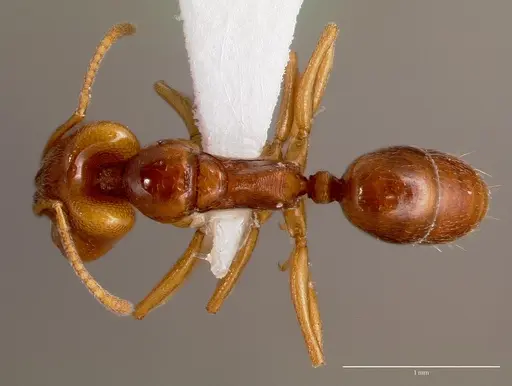
Literature
Loading...Loading products...